Artist Profiles, Concert Reviews, Music, Music Countdowns, Pop Music, Radio, Retro Rock, Woodstock

John Fogerty at 80: Still Rockin’ All Over the World

John Fogerty performing at the Salem Civic Center on 11/1/25. Photo courtesy of Sammy Oakey.

In 1975, John Fogerty was 30 years old and wrote the song “Rockin’ All Over the World.” Now in 2025, the former singer-songwriter, guitarist and front man for Creedence Clearwater Revival (CCR) is 80 and still performing rock concerts.

Earlier this month on November 1st, I had the pleasure of attending one of Fogerty’s concerts at the Salem Civic Center in Virginia with my wife Priscilla, daughter Amy and friend David Hollandsworth.

Photo of the record sleeve of my Double-A-sided 45-rpm “Up Around the Bend” and “Run Through the Jungle” that I bought in May 1970. These two songs were hits, and I still own the record here in 2025.

With this latest article, I will be giving a concert review of Fogerty’s Salem show and sharing short video clips of songs that I recorded.  I also have included reviews from some of my family, friends and other acquaintances who went to see the former CCR frontman on 11/1/25.

Fogerty is touring this fall to support his new 2025 solo album, “Legacy: The Creedence Clearwater Revival Years” that was released in August.  This 20-track LP features re-recordings of music that was written for his former CCR band during the years of 1968 to 1972.

The new album is also referred to as “John’s Version” in which Fogerty took a page out of Taylor Swift’s playbook with the re-recording of new versions of previously written catalog songs, (Taylor’s Version).

The backstory of how “Legacy: The Creedence Clearwater Revival Years” came about is interesting.  Fogerty’s journey to reclaim his own music that was full of trials, toils and tribulations.

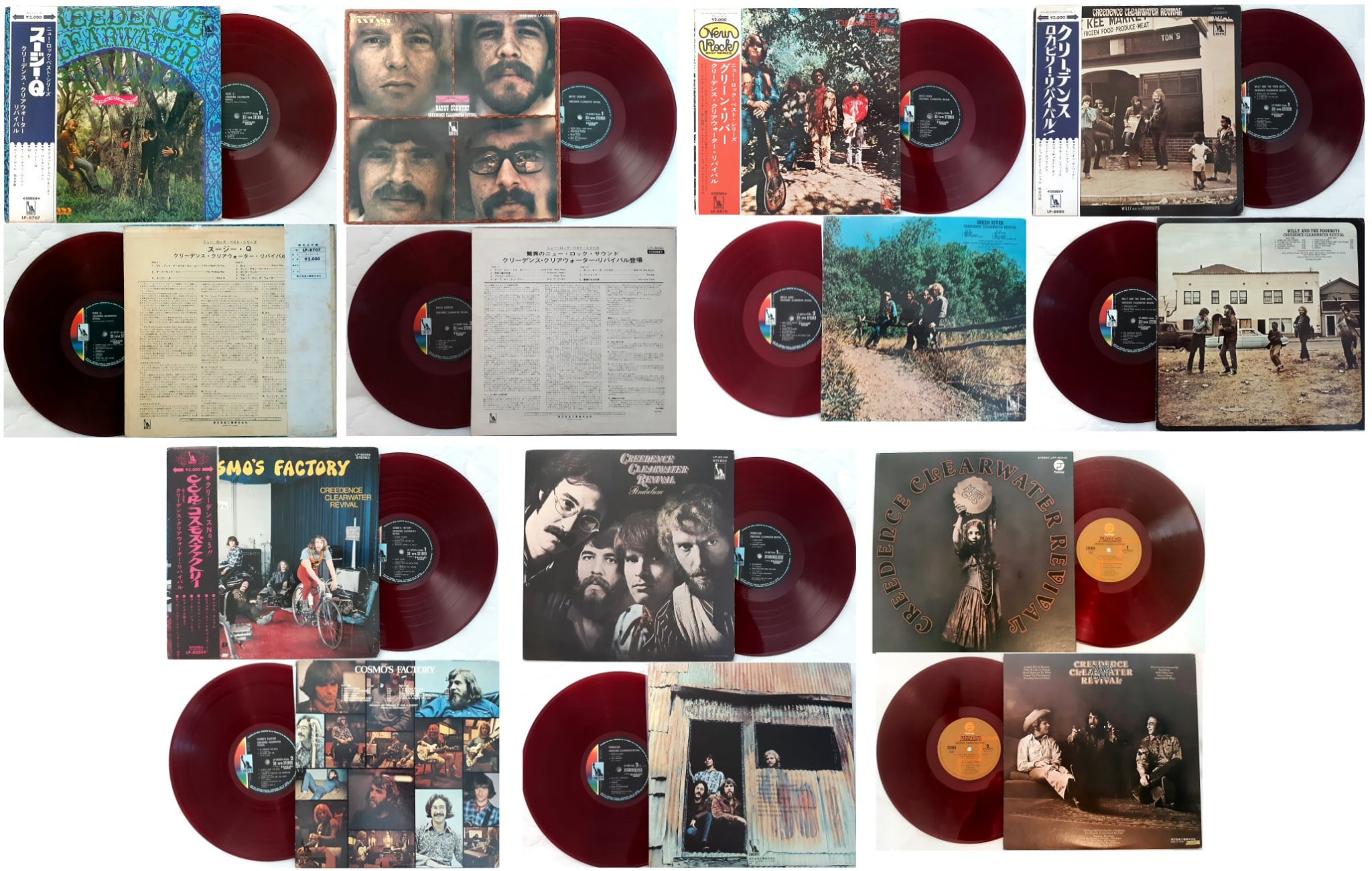
From David Hollandsworth’s music library: Photo of his various CCR vinyl albums collected from around the world.

 When CCR signed a revision of their two-year-old recording contract with Fantasy Records in 1969, Fogerty lost music publishing, songwriting, master recording rights, and copyright ownership for the songs that he had written.

After CCR broke up in 1972, Fogerty refused to play his own songs for many years. After a 50-year struggle, with multiple lawsuits to re-gain control over his music, Fogerty finally was able to purchase a majority stake in the publishing rights to his songs from Concord Records in 2023.

John Fogerty performing at the Salem Civic Center on 11/1/25. Photo courtesy of Sammy Oakey.

During his Salem, Virginia concert, Fogerty credited his wife Julie with helping to gain control of the CCR era of music that he penned. The former lead singer of CCR was genuinely happy to sing and play his beloved songs to the crowd in attendance.

Below is a video clip of Fogerty being interviewed on the Dan Patrick Show on August 22, 2025, the day “Legacy: The Creedence Clearwater Revival Years” was released.  During this video, Fogerty shares about getting his music back and how his song “Centerfield” was written.

Another recent TV appearance that Fogerty made was on the Late Show with Stephen Colbert. In the video clip below, the artist shares about getting his songwriting catalog back and other topics with the famed night time talk show host and comedian.

I became a CCR fan in 1969 and just after my birthday that year, I bought my first CCR record: the Double-A-Sided 45-rpm “Bad Moon Rising” and “Lodi” single. Later in ’69, I purchased another double-sided smash single: “Fortunate Son” and “Down on the Corner.”

Photo of my Double-A-Sided 45-rpm “Bad Moon Rising” and “Lodi” single that I purchased back in the summer of ’69 and that I still own here in 2025.

My parents also helped me to add CCR albums to my record collection.  They gifted me “Green River” for Christmas in 1969 and “Cosmos Factory” at holiday time the following year.  After Paul McCartney announced the Beatles had broken up in April ’70, CCR became my favorite rock band.

DJ Dave’s second vinyl copy of “Cosmo’s Factory.” This album was given to me by my daughters as a Father’s Day gift in 2017. Also in the photo is my dog Penny Lane who is admiring the legendary CCR LP.

Ever since my teen years, I have always loved the songs John Fogerty wrote and recorded with CCR, as well as his Blue Ridge Rangers project and music from when the singer-songwriter became a solo artist.

Seeing Fogerty performing live on stage was thrilling.  This was my second show by the former CCR lead singer:  My wife, Priscilla, and I first saw him at the historic Wolf Trap National Park Amphitheater in Vienna, Virginia during 2014.

Photo of the record sleeve of the Double-A-sided 45 rpm “Who’ll Stop the Rain” and “Travelin’ Band” single that I bought during the winter of 1970 and I still own the record here in 2025.

At the Salem show I attended, 19 songs were performed: 14 Creedence Clearwater Revival songs, 4 Fogerty solo tunes and one selection from the Golliwogs, which was the name of Fogerty’s band from 1964 to 1967 before the group changed their name to CCR. The entire listing of songs can be found here at Setlist FM Dot Com.

Video that I recorded of “Have You Ever Seen the Rain” by John Fogerty during his Salem Civic Center concert on 11/1/25.

As a side note: While I realize that Fogerty wouldn’t perform every single top 40 hit that he had made with CCR, during his 2025 tour, below are 5 songs I wished had been part of the setlist:

  • Run Through the Jungle
  • Commotion
  • Sweet Hitch-Hiker
  • Long as I Can See the Light
  • Hey Tonight
Photo of my record sleeve of the Double-A-Sided 45 rpm “Fortunate Son” and “Down on the Corner” single that I bought during the fall of 1969 and I still own the record here in 2025.

Before John took the stage in a flannel shirt and blue jeans, the band Hearty Har opened the show with a 30-minute set.  The two main members of this group are Shane and Tyler Fogerty, who are the sons of John and Julie Fogerty.

Video that I recorded of “Old Man Down the Road” by John Fogerty during his Salem Civic Center concert on 11/1/25.

As for John’s own band, it’s a family affair: Tyler and Shane Fogerty also play in their father’s ensemble. Also in attendance at this show was John’s wife, Julie Fogerty. She was on stage right while the band played, taking photos and recording videos throughout the performance.

Other members of Fogerty’s band included drummer Richard Millsap, bass guitarist Jesse Wilson, keyboardist Doug Lamothe, along with sax player Rob Stone.

John Fogerty performing at the Salem Civic Center on 11/1/25. Photo courtesy of Sammy Oakey.

Before I share my review on Fogerty’s Salem show, I am including comments below from my daughter, some friends and other acquaintances who also attended the show.

Photo of my 2nd vinyl copy of “Cosmo’s Factory” that I received as a Father’s Day gift in 2017. This is my favorite CCR album of all-time.

Amy Woodson:

“Teach your kids the classics! Growing up, my Dad played for me and my sisters a cornucopia of hits from years gone by. The songs of legends like John Fogerty and Creedence Clearwater Revival accompanied road trips, practice pick-ups, and Saturday morning shenanigans. All three of us liked to tease him and insist there was a “bathroom on the right” instead of a “Bad Moon Rising.”

For me, seeing John Fogerty live harkens back to the feeling of childhood wonderment and hearing a great tune for the first time. No song represents those emotions better than “Lookin’ Out my Backdoor,” my favorite moment of the concert. There’s something about the interplay of guitar, lyrics, and Fogerty’s nonpareil tone that stirs up my happiest imaginations. “Bother me tomorrow, today, I’ll buy no sorrows!”

Video that I recorded of “Who’ll Stop the Rain” by John Fogerty during his Salem Civic Center concert on 11/1/25.

David Hollandsworth:

“It was the summer of 1970. I had just finished 7th grade and we had recently moved to the city of Monterey, Mexico, where there was an AM pop station called XERJ that played American top 40 music. Each afternoon they had a 30-minute show featuring the most popular rock band in the world at the time – CCR.

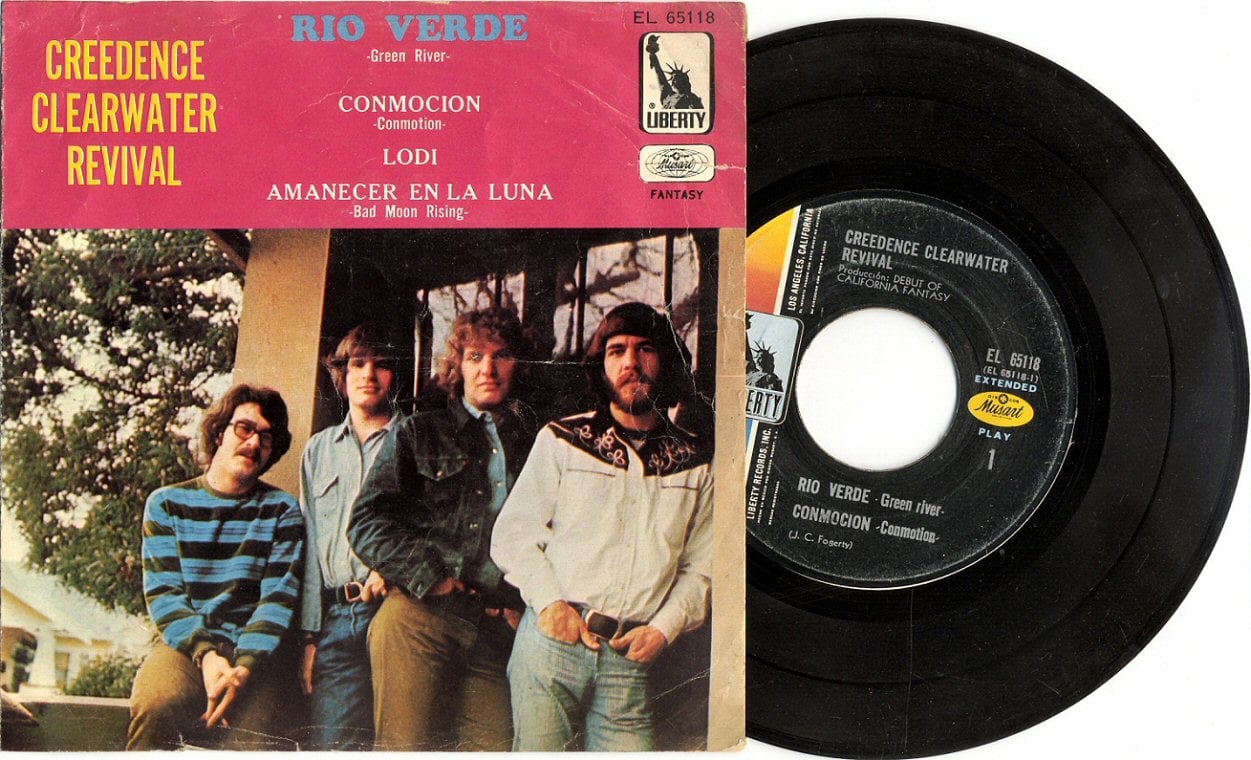
It was there that I was introduced to CCR and would sit by the radio every afternoon. They became my favorite band. They still are. The first two CCR records I ever bought were two, 7” 33 rpm EPs with four songs each. 4 song EPs with nice picture sleeves were common in Mexico. “Cosmos Factory” had just been released that July so I bought it along with “Willy and the Poor Boys” – my first LPs! Sadly, I never got to see CCR in their heyday.”

From David Hollandsworth’s music library: Photo with one of the first CCR 33 rpm EPs that he bought in 1970.

  Hollandsworth continues, “Fast forward 55 years, I was finally able to see the mastermind behind all their songs. Of all places, Fogerty came to Salem, just 10 minutes from my house! There was no way I was going to miss that! At 80 years of age, I was shocked at his energy level and how he moved around the stage like he was 30 years younger!  His voice was perhaps a little less full than in 1970 but he was still fantastic. The guy can still play a mean guitar, too! It was fun seeing him playing alongside his two sons while his wife was off to the side of the stage taking videos.

 I also noticed the many times he changed to a different guitar for different songs. It’s hard to pick a favorite song that he did that night but the crowd really responded to “Have You Ever Seen the Rain”, his most played song on Spotify. I loved the jams on “Keep on Chooglin’” and “The Old Man Down the Road” with he and his son, Shane, trading guitar solos. Looked like they were having a blast! So, yeah, it took 55 years, but I was satisfied to finally see one of my musical heroes from the past. He gave us 90 minutes of pure classic rock magic! Keep on chooglin’, John!”

From David Hollandsworth’s music library: Photo with one of the first CCR 33 rpm EPs that he bought in 1970.

Sammy Oakey:

“While I’m more of an average fan of CCR than an avid one, I know an icon when I see one, and John Fogerty’s visit to the Roanoke Valley would be an ideal time to view this rocker. He certainly didn’t disappoint, as his voice, stage banter, and movements all bellied a man half his age. Mixing up his Creedence material with his solo numbers, Fogerty had the crowd in the palm of his hand for his 90 minutes onstage. His band, which included two of his sons, were white hot and electrified the rock faithful who knew most of the lyrics of his songs. I personally enjoyed his solo material the best, and especially loved “Centerfield” (complete with a combination baseball bat/guitar!) and “Rock ‘n Roll Girls” (with a sizzling sax solo!).”

Video that I recorded of “Born on the Bayou” by John Fogerty during his Salem Civic Center concert on 11/1/25.

 Oakey continues, “Fogerty commented several times about how grateful he was to his wife for helping him regain the rights to his songs as well as finding and purchasing a guitar he had played in CCR over 55 years ago. He truly seems to be at a good place in his life, and he shared that with the Fogerty faithful who showed up. I came to the show expecting to see an aging rocker attempt to keep his career alive. I left the Salem Civic Center realizing that John Fogerty is one of those musicians who truly get better with age.

John Fogerty performing at the Salem Civic Center on 11/1/25. Photo courtesy of Sammy Oakey.

Ashley McGinnis Duffy:  Roanoke, Virginia  

I grew up listening to John Fogerty and Creedence Clearwater Revival with my dad, so their music has always been a big part of my life. I bought tickets for my dad’s birthday this year, and the concert was absolutely amazing. We loved every minute of it and especially enjoyed hearing the stories behind how some of the songs were written. My favorite song of the night was Fortunate Son. It’s one of my dad’s all-time favorites, and hearing it live together was a moment I’ll never forget.

Robert McGinnis:  Roanoke, Virginia

CCR is the best band that I’ve ever listen to. I like all of Fogerty’s songs. It was one of the best concerts I’ve ever attended. My favorite song is Fortunate Son.

John Fogerty performing at the Salem Civic Center on 11/1/25. Photo courtesy of Sammy Oakey.

Transitioning from comments by others to my own review, it was a magical night for me being at Fogerty’s show.

Before Fogerty’s entrance on stage, there was a superb video clip shown that highlighted the singer-songwriter’s musical career, chronicling the Creedence Clearwater Revival years and his solo career.  This clip was an outstanding way to start the show.

One of the things that I admired about John Fogerty that night was his genuine expressions of gratitude to the audience, giving appreciation to his fans for their dedication sticking with the artist, through trials and tribulations.

Video that I recorded of “Proud Mary” by John Fogerty during his Salem Civic Center concert on 11/1/25.

During other breaks between songs, Fogerty gave recognition and respect to his sons Shane and Tyler for being trusted musicians in his band. The former CCR singer-songwriter truly seemed extremely happy talking about his two adult sons to the audience.

John Fogerty also acknowledged his wife, Julie multiple times with praise. He credited her as his soul mate, a solid rock in their marriage of 34 years and the driving force behind helping John be successful retrieving all the songs he wrote as a member of CCR.

“Bad Moon Rising opened up the show while “Fortunate Son” was the last song before the two-song encore.  “Travelin’ Band” and “Proud Mary” capped a perfect ending to this excellent performance.

Video that I recorded of “Up Around the Bend” by John Fogerty during his Salem Civic Center concert on 11/1/25.

The CCR leader was full of high-energy, had a vibrant stage presence and provided excellent guitar playing. He ripped ripped through his CCR and solo hits with passion. His connection with the audience was genuine, as he played memorable guitar riffs and danced all around the stage like a person half his age.

I found it remarkable that Fogerty’s vocals were still strong as when he was cracking out hits with CCR in the 60s and 70s. His distinctive tenor voice was clear, rich, resonant and powerful, singing songs about sorrow, pain, anger, joy and other emotional topics.

Photo of my record sleeve of the Double-A-sided 45 rpm “Lookin’ Out My Backdoor” and “Long As I Can See the Light” single that I bought in the summer of 1970 and that I still own here in 2025.

In my humble opinion, Fogerty has written some of the greatest songs ever recorded. I loved hearing the singer-songwriter perform some of my favorite lines from his CCR penned odes.

  • “I went down Virginia, seekin’ shelter from the storm”
  • “Oh lord, I’m stuck in Lodi again”
  • “I can still hear my ol’ hound dog barkin’, chasin’ down a hoodoo there, born on the bayou”
  •  “Cleaned a lot of plates in Memphis, pumped a lot of ‘pane down in New Orleans”
  •  “737 coming out of the sky, won’t you take me down to Memphis on a midnight ride?”
Video that I made of “Travelin’ Band” by John Fogerty during his Salem Civic Center concert 11/1/25.

Hearing Fogerty’s songs in concert reminded me on how his style of music blended rock, pop, blues, folk and country together. Some music historians label the CCR sound “Swamp Rock” or “Roots Rock.” Fogerty wrote about common everyday American experiences in realistic terms.

While I won’t comment on all 19 songs performed in Salem, I will share my top favorite songs played by Fogerty’s band:  5 CCR tracks and 1 solo hit.

Video that I recorded of “Centerfield” by John Fogerty during his Salem Civic Center concert on 11/1/25.

My favorite solo John Fogerty song of all-time is “Centerfield.”  I rate this legendary sports anthem as the third best top 40 single of 1985. In 2010, Fogerty became the only musician ever to be celebrated at a National Baseball Hall of Fame Induction Ceremony when “Centerfield” was honored.

John Fogerty performing at the Salem Civic Center on 11/1/25. Photo courtesy of Sammy Oakey.

Obviously, I loved many of the CCR songs played at the show.  But I am only going to comment on my top 5 favorite CCR Fogerty songs of all-time that were performed at the show.

Another photo of DJ Dave posing with my favorite CCR LP: “Cosmo’s Factory.” This was taken in July 2020 during the 50th anniversary of this legendary album release.

5.  Lodi

“If I only had a dollar, For ev’ry song I’ve sung, Ev’ry time I’ve had to play, While people sat there drunk, You know, I’d catch the next train, Back to where I live, Oh Lord, I’m stuck in Lodi again”

Lyrics describe a struggling musician whose career has landed him playing gigs in the town of Lodi, California. After playing in local bars in that town, the musician is stuck in Lodi and doesn’t have enough money to leave that place behind.

I rate the song “Lodi” among the best county rock songs from the 60s and 70s.

Video that I made of “Lodi” by John Fogerty during his Salem Civic Center concert on 11/1/25.

4.  Bad Moon Rising

“I see the bad moon a-rising, I see trouble on the way, I see earthquakes and lightning, I see bad times today, Don’t go around tonight, Well, it’s bound to take your life, There’s a bad moon on the rise.”

I could have sworn that I heard Fogerty sing, “There’s a bathroom on the right” during one of the chorus’ on “Bad Moon Rising.”  I consider this song as one of the 10 best singles from back in the summer of ’69.

Video that I recorded of “Bad Moon Rising” by John Fogerty during his Salem Civic Center concert 11/1/25.

3.  Green River

“I can hear the bullfrog callin’ me, aw, Wonder if my rope’s still hangin’ to the tree, aw, Love to kick my feet way down the shallow water, Shoofly, dragonfly, get back to mother, Pick up a flat rock, skip it across Green River.”

Fogerty’s up-tempo rocker was played by CCR at Woodstock in August 1969. I place it as my favorite song that CCR performed at the peace & love music festival over 56 years ago.

Video that I made of “Green River” by John Fogerty during his Salem Civic Center concert 11/1/25.

2.  Lookin’ Out My Backdoor

“Forward troubles Illinois, lock the front door, oh, boy, Look at all the happy creatures dancin’ on the lawn, Bother me tomorrow, today, I’ll buy no sorrows, Doo, doo, doo, lookin’ out my back door.”

My second favorite CCR song is “Lookin’ Out My Backdoor.” And this track is on my top-rated Fogerty/CCR album of all-time: “Cosmo’s Factory.”  It is among my favorite singles of 1970.

Video that I made of “Lookin’ Out My Backdoor” by John Fogerty during his Salem Civic Center concert on 11/1/25.
  1.  Fortunate Son

“Yeah-yeah, some folks inherit star-spangled eyes, Hoo, they send you down to war, Lord, And when you ask ’em, “How much should we give?”, Hoo, they only answer, “More, more, more, more”, It ain’t me, it ain’t me, I ain’t no military son, son, Lord, It ain’t me, it ain’t me, I ain’t no fortunate one.”

My 45-rpm single of “Fortunate Son” and “Down on the Corner” that I bought in the fall of 1969 and still own this record here in 2025.

“Fortunate Son” is my favorite CCR track of all-time. This 1969 anthem became a rallying cry against the Vietnam War and individuals from affluent backgrounds. It is now considered John Fogerty’s signature song.

The first time I heard this song on WROV Roanoke in the fall of 1969, I immediately loved Fogerty’s protest anthem.  Soon thereafter, I went to Sears and bought the Double-A-Sided 45-rpm single of “Fortunate Son” and “Down on the Corner.”

Video I made of “Fortunate Son” by John Fogerty at his Salem Civic Center concert on 11/1/25.

On a music blog article that I published last December, I rated “Fortunate Son” as the number 1 best protest and social justice anthem from the 60s and 70s.  For me, “Fortunate Son” is the cream of the crop with Fogerty’s written songs.

I rate “Fortunate Son” as the #1 best protest and social justice anthem from the 60s and 70s.

Overall, it was a wonderful experience to have the opportunity to see Fogerty in concert. His Legacy tour will be continuing into 2026. I would highly recommend going to see the 1993 Rock & Roll Hall of Fame inductee in concert if you have an opportunity.

John Fogerty performing at the Salem Civic Center on 11/1/25. Photo courtesy of Sammy Oakey.

If you were at the Salem November 1, concert like myself, or any other Fogerty 2025 Legacy concerts during the past few months, I would encourage you to share a brief analysis on the show you attended. And for those who are fans of CCR, I welcome your comment on Fogerty’s music.

Without a doubt, I was thrilled to see Fogerty performing most of his CCR hits and selected solo songs. I will forever cherish the opportunity that I had to witness John Fogerty, who is still superbly performing his music at age 80. It was most excellent.  Rock on!

To subscribe to my blog via email, please click the “Follow” button in the menu above.
Standard
Broadcasting, Carolina Beach Music, Music, Music Countdowns, Pop Music, Radio, Shag Dancing

Colossal Carolina Beach Music Favorites

My first exposure to what is now referred to as Carolina Beach Music came during my junior year attending Glenvar High School, located in Roanoke County Virginia.  My class raised 1,700 dollars and hired vocal group the Tams to play at our May 1972 spring prom.

Our prom theme was “Be Young, Be Foolish, Be Happy” from the 1968 minor national hit song by the Tams. The vocal group from Atlanta, Georgia was well received by all who attended the Glenvar prom that year.

Photo courtesy of Susan Leonard Sanders, a classmate of mine, from her “Crusader Seventy Two” Glenvar HS yearbook. This was taken at the Glenvar High School prom during May 1972.

Obviously, I still have fond memories of the Tams performing at my high school prom and when I graduated from Glenvar in June 1973, “Be Young, Be Foolish, Be Happy” was played at the graduation ceremony.

A scan courtesy of Susan Leonard Sanders, a classmate of mine, from her “Crusader Seventy Two” Glenvar HS yearbook. These 4 photos were taken when the Tams performed at the Glenvar High School prom during May 1972.

With this month’s music blog article, I will be sharing what I consider to be my favorite songs in the Carolina Beach Music category. My top selections will be broken down into separate silos.

I will be having two countdowns in this article. First, will be national Soul/R&B/Pop hits that charted on the Billboard Hot 100. Second, I will list my top 10 favorite regional Carolina Beach Music (CBM) hits from the mid 60s through the early 80s.

One disclaimer: Carolina Beach Music is NOT associated with the Beach Boys, Jan & Dean, the Ventures and/or any other type of California west coast surfing music. “Wipeout” by the Surfaris is a completely different sub-genre of pop-rock music.

Before starting my countdowns, I need to give a brief history about Carolina Beach Music and a dance known as “Carolina Shag”, which is often shortened to “Shag.”  The term (CBM) wasn’t created until the mid 70s and the music began to take shape after World War II ended.

“Shag” dancing is performed with a partner and the dance is done primarily to beach music. According to Wikipedia, “The term “Carolina shag” is thought to have originated along the Atlantic Ocean in Cherry Grove Beach, South Carolina during the 1940s.”

Both North Carolina and South Carolina list the “Shag” as their “official dance” within those respective states.

The roots of CBM goes back in the late 40s and early 50s.  The music during the formulative years of this genre blended various types of Rock ‘n Roll, R&B, blues and pop music together.

During the late 50s and early 60s, most CBM songs were recorded by R&B artists and Shag dancing became closely associated with the sub-genre of popular music.

In viewing Britannica Dot Com, it states that WLAC Nashville, Tennessee (1510 AM) was influential in the growth of what came to be known as CBM.  “Radio station WLAC blasted 50,000 watts of varied programming, including plenty of rhythm and blues at night.

Using a directional pattern signal at night, WLAC was heard throughout Southeastern Atlantic coastal states.  DJ John R. attained fame in the 1950s and 1960s for playing rhythm and blues records on WLAC. Depending on night time atmospherics, the station could regularly reach 28 states.”

By the mid 60s, Myrtle Beach, South Carolina became the epicenter for Carolina Beach Music and Shag dancing. Clubs began popping up all along the South Carolina beach coastal towns, in a 60-mile area known as the “Grand Strand.

 Soon after, CBM and Shag dance clubs started springing up and down other Atlantic Southeastern Seaboard shore towns, from Virginia Beach, Virginia down to Southern Georgia.  Some venues also opened up in Northern Florida coastal communities.

For a more detailed look for the history of CBM and Shag dancing, I would encourage you to search the Internet. An interesting article from Beach Music Awards Dot Com can be found here.

Another excellent source for CBM can be found at Born in the Carolinas Dot Com and Junkin Oldies Dot Com by John Hook

There are two eras of Carolina Beach Music:  Classic and Modern.  The “Classic” period is defined from the late 50s until early 80s, while the “Modern” sounds of CBM stretch from the mid 80s until today.

An example of the “Modern” sound of CBM is “Over the Rainbow” by Band of Oz. My friend Chris Keaton from Vinton, Virginia, composed an award-winning rendition of “Somewhere Over the Rainbow” for the CBM group Band of Oz and he was inducted into the North Carolina Music Hall of Fame in 2016 for his achievement.

Currently, there are 13 full time CBM radio stations in the United States:  8 in North Carolina, 4 in South Carolina and 1 in Florida. Another source to hear CBM 24/7 is on an app from SiriusXM radio.  Their “Carolina Shag Radio” channel plays nonstop Carolina Beach Music favorites.

One of the radio stations playing CBM full-time is 94.9 The Surf in Myrtle Beach, South Carolina. Below is a listing of this station’s Top 10 Best “Classic” CBM songs of all-time:

#1        Ms. Grace–The Tymes

#2        Carolina Girls–Chairmen of The Board

#3        I Love Beach Music–The Embers

#4        Under the Boardwalk–The Drifters

#5        Summertime’s Calling Me–The Catalinas

#6        60 Minute Man–Billy Ward & His Dominoes

#7        Lady Soul–Temptations

#8        Sand in my Shoes –Steve Jarrell

#9        Be Young Be Foolish Be Happy–The Tams

#10      My Girl –Temptations

For the purposes of this article, my two countdowns of CBM will be from the “Classic” era of the musical genre. Please note: my article is not a definitive ranking of all songs that are found within Carolina Beach Music.

My two separate countdowns of “Classic” CBM are songs that I have selected are all personal favorites for me.  I deem each song to be culturally, historically, aesthetically significant, meaningful or relevant. 

As a prelude to my tabulations of outstanding classic CBM tunes, I am listing 12 worthy Soul/R&B/Pop national Billboard Hot 100 hits that fell just outside my dual countdowns. These songs are not ranked, but placed in a random.

Excellent Songs That Didn’t Make Either Countdown:

  • Give Me Just a Little More Time—Chairmen of the Board
  • Girl Watcher—The O’Kaysions
  • Come Get to This—Marvin Gaye
  • Hello Stranger—Barbara Lewis
  • Use Ta Be My Girl–The O’Jays
  • What Kind of Fool Do You Think I Am—Bill Deal and the Rhondels
  • 39-21-46 Shape—The Showmen
  • Double Shot (Of My Baby’s Love)—The Swingin’ Medallions
  • Apple, Peaches, Pumpkin Pie—Jay & the Techniques
  • I’ve Been Hurt—Bill Deal & the Rhondels
  • Treat Her Like a Lady–Cornelius Brothers & Sister Rose
  • (Your Love Keeps Lifting Me) Higher & Higher—Jackie Wilson

Without further ado, the first of two Carolina Beach Music countdowns begins now.

My first listing contains national Top 40 charting songs. These were originally Soul/R&B/Pop hit singles on Billboard’s Hot 100 chart. These tunes are now also considered CBM and have been adopted by those who are into Shag dancing.

10.  I Can’t Help Myself—The Four Tops  1965

One of Motown’s biggest singles of the 60s.  Ranked as the second biggest hit of 1965 by Billboard. One of the signature songs by the Four Tops.

9.    But It’s Alright—JJ Jackson  1966 & 1969

This song was a hit on two separate occasions: During 1966 and 1969. JJ Jackson is considered a one hit wonder.

8.    Gimme Little Sign—Brenton Wood   1967  

One of three Top 40 hits for Wood. Co-written by Joe Hooven, Alfred Smith and Brenton Wood. Released during the summer of love in 1967.

7.   With This Ring—The Platters  1967

Vocal group formed in 1952. Had 20 Top 40 hits during their career. “With This Ring” is now considered a classic wedding love song.

6.   Under the Boardwalk—The Drifters  1964

Song was inducted into the Grammy Hall of Fame in 2014.  Spent 3 weeks at #1 on the Cash Box R&B singles chart and peaked at #4 on the Billboard Hot 100.

5.  More Today Than Yesterday—Spiral Starecase  1969

Band originally from Sacramento, California. This feel-good song is a one hit wonder. Scored their only top 40 song back in the summer of ’69.

4.  Build Me Up Buttercup—The Foundations  1969

British soul band had the 9th biggest single of 1969 according to Billboard. A popular song this decade. Played at many wedding receptions and sporting events in 2025.

3.  This Old Heart of Mine (Is Weak for You)—Isley Brothers  1966

Soul group began as a sibling trio in the late 50s. Song was recorded on Motown’s Tamla label and featured Ronald Isley on lead vocals.

2.  What Does It Take (To Win Your Love for Me)—Jr. Walker & the All Stars  1969

Song was voted Top U.S. Soul Record of 1969. Has an outstanding saxophone solo. One of the biggest singles by Jr. Walker.

1.  My Girl—The Temptations   1965

Signature song by one of Motown Record’s biggest recording artists during the 60s.  I rate “My Girl” as the 5th best classic wedding song of the 20th century and #1 best Motown song from the Detroit years of the Motor City record company.

The second countdown is Classic CBM songs that were regional hits in Southeastern Atlantic coastal states from the mid 60s through the early 80s. Some of these songs may have also charted nationally on the Billboard Hot 100 but weren’t major hits throughout the U.S.

10.  You’re More Than a Number in My Little Red Book—The Drifters    1976

The last charting single for the R&B/Soul group actually happened in the U.K.  The Drifters were inducted into the Rock & Roll Hall of Fame in 1998.

9.    Ms. Grace—The Tymes   1974

Soul vocal group are one of the only artists to have just one chart-topping #1 hit in the U.S and the U.K. with different songs: “So In Love” in America & “Ms. Grace” in Great Britain.

8.    Sweet Virginia Breeze—Robbin Thompson & Steve Bassett. 1978

While collaborating in 1978, Richmond artists Steve Bassett and Robbin Thompson wrote “Sweet Virginia Breeze” during a rehearsal for their concert at Virginia Commonwealth University. In 2015, this anthem was designated the official popular state song of Virginia.

7.    May I—Bill Deal & the Rhondels  1969

Blue-eyed soul band from Virginia Beach, Virginia. This group covered multiple songs by the Tams. “May I” was originally recorded by Maurice Williams and the Zodiacs.

6.    Carolina Girls—General Johnson & the Chairmen of the Board  1980

Within the boundaries of North Carolina and South Carolina, this ode has remained a staple with radio airplay and among residents living in these two southern states.

5.    Ocean Boulevard—Band of Oz. 1982

A prominent band in the CBM genre. The actual Ocean Boulevard is a main highway that runs through Myrtle Beach, South Carolina.  In 1997, the group was inducted into the Beach Music Hall of Fame.

4.    Myrtle Beach Days—The Fantastic Shakers. 1980

Members of the North Carolina Music Hall of Fame. Inducted in 2017.  With Myrtle Beach being the birthplace of Shag clubs playing CBM at those establishments, this song is a favorite for those who reside along the Grand Strand of South Carolina.

3.    Summertime’s Calling Me—The Catalinas   1975

Charlotte, North Carolina CBM band was formed in the late 50s. “Summertime’s Calling Me” is regarded as one of the most influential and favorite beach music songs of all time.

2.   I Love Beach Music—The Embers

Quintessential CBM song. The band was started in Raleigh, North Carolina in 1958. They are one of the longest running beach music bands in the southern U.S. Were inducted into the North Carolina Music Hall of Fame in 2016.

1.   Be Young, Be Foolish, Be Happy—The Tams. 1980  

My #1 favorite classic CBM song of all-time is by the Tams.  The vocal group from Atlanta, Georgia formed in 1960 and still performs today, without any original members.

The Tams signature song is peppy, upbeat, full of sunshine and encourages folks to live life without regret. Without a doubt, I rate “Be Young, Be Foolish, Be Happy” as the #1 best classic “Carolina Beach Music” song ever made.

That concludes up my countdown of what I consider to be the best classic Carolina Beach Music songs.

I realize that my listing of songs in this category was written from my point of view and is subjective. My countdowns of top CBM performances are based completely upon my personal humble opinions.

If you were creating a similar listing of outstanding Carolina Beach Music songs, your tabulation may be totally different from my selections. There are no right or wrong answers. I welcome your thoughts and comments below.

I want to publicly thank my friend Jerry English of Roanoke who provided information to me for this article. He has been a DJ for hundreds of CBM gigs with Shag dancing over the past 40 years in the Roanoke Valley.

I leave you with the closing lyrics of “I Love Beach Music” written by Jackie Gore and recorded by the Embers.  Rock on!

“I love beach music, Every single day of my life, I love beach music, That old beer drinking music, shagging kind of music like you hear at OD, I’m talking about music by the Townes, the Clovers, the Catalinas, the Embers, I love beach music, You know that I do.”

To subscribe to my blog via email, please click the “Follow” button in the menu above

.

Standard
Concert Reviews, Music, Music Countdowns, Pop Music, Rock Music, Woodstock

Woodstock Iconic Performances: Back in the Summer of ’69

A couple of weeks ago was the 56th anniversary of the legendary Woodstock Music and Art Fair. This event was held at Max Yasgur’s dairy farm in Bethel, New York from August 15 to 18 in 1969.

Woodstock, as it is commonly referred to here in the 21st century, was a musical extravaganza that was billed by its promoters as “An Aquarian Exposition: 3 Days of Peace & Music.”

32 musical artists performed at Woodstock with attendance estimated around 450,000 individuals strong. This outdoor event is considered by many historians as one of the most important musical happenings during the 20th century.

DJ Dave at the site of Woodstock 1969 at Bethel, New York. July 14, 2024.

Last summer, my wife Priscilla and I traveled to New York state and made a pilgrimage to Bethel Woods Center for the Arts, which is located at the historic site of the 1969 Woodstock festival.

The Bethel Woods complex features an amphitheater, a performing arts center and a museum. For anyone interested in learning more about the Woodstock music event, I strongly encourage a visit to this outstanding site.

Further Information on the historic 1969 festival can also be found on the Bethel Woods Center for the Arts and the Woodstock Ventures websites.

For my music blog article this month, I will be counting down what I consider to be the 10 best musical artists and bands who performed and defined the historic Woodstock music festival during August 1969.

The top ten performances that I have selected are all personal favorites that I deem to be culturally, historically, aesthetically significant, meaningful or relevant.  These musical acts still sound good to me 56 years later.

Please note: my article is not a definitive ranking of all 32 artists and bands that performed at Woodstock. For a more thorough accounting of this historic event, I would encourage you to search the Internet.

Obviously, there were more outstanding musical performances at Woodstock besides those listed on my countdown. Below are some worthy artists and bands that didn’t make my top ten tabulation. These performers are not ranked, but placed in a random order.

  • Canned Heat
  • Joan Baez
  • Blood Sweat & Tears
  • Richie Havens
  • Arlo Guthrie
  • Melanie
  • Mountain
  • Grateful Dead
  • Ten Years After
  • Country Joe and the Fish
  • Johnny Winter
  • Paul Butterfield’s Blues Band

Before starting my countdown, I want to highlight three miscellaneous songs on the topic of Woodstock. One composition was performed during the festival itself, while the other two songs were written after Woodstock took place.

The first song I am sharing was actually played at Woodstock by the rock band Mountain but was un-named during the group’s performance. Subsequently, that song was titled “For Yasgur’s Farm” after the historic concert venue site in Bethel.

Another performer at Woodstock was pop rock folk singer-songwriter Melanie. After her festival gig, she was inspired to write the song “Lay Down (Candles in the Rain).”  This anthem describes what Melanie felt on stage at Woodstock, as she looked out upon a sea people in the audience during a pouring rain storm.

One artist who wasn’t at the August 1969 festival was Joni Mitchell.  She was motivated to write the song “Woodstock” after hearing an account of the peace and love gathering from her boyfriend at the time Graham Nash.

Mitchell recorded her version of “Woodstock” shortly after the August 1969 event happened and it immediately became the anthem for peace, love and the counterculture movement.

Crosby Stills Nash & Young covered the anthem in early 1970 and it was a major hit for the successful musical supergroup.

A second rendition of “Woodstock” by Matthews Southern Comfort became an international hit for the British country rock folk band during 1970 and 1971.

Without further ado, my Top 10 countdown of best Woodstock performances begins:

10. “Piece of My Heart”. Janis Joplin

  • Second Favorite Song Performed: “Ball & Chain”

Singer-songwriter Joplin left Big Brother and the Holding Company earlier in 1969. Then formed a new backup group, the Kozmic Blues Band prior to Woodstock event. 

9. “I Want to Take You Higher” Sly & the Family Stone

  • Second Favorite Song Performed: “Stand”

The soul/funk band played 8 songs, with 4 coming from Sly & the Family Stone’s landmark summer of 1969 “Stand!” album.

8. “Evil Ways” Santana  

  • Second Favorite Song Performed: “Soul Sacrifice”  

Latin rock band Santana gained national prominence following their gig. The group’s self-titled debut album was released just days after their Bethel performance.

7. “The Weight” The Band

  • Second Favorite Song Performed: “I Shall Be Released”

The Band played mostly songs from their 1968 debut release “Music from Big Pink” album. Bob Dylan’s former band did not disappoint that day in Bethel.

6. “White Rabbit”. Jefferson Airplane

  • Second Favorite Song Performed: “Somebody to Love”

Psychedelic rock band Jefferson Airplane soared during their Sunday morning appearance. They played many crowd favorites from the summer of love 1967 “Surrealistic Pillow” album as well as songs from a then upcoming LP, “Volunteers.” (Released November 1969).

5. “See Me Feel Me” The Who

  • Second Favorite Song Performed: “I’m Free”

The Who played a whopping 21 songs. From early hits like “My Generation” and “I Can’t Explain” to performing most of the rock opera “Tommy”, the British band’s set list was well received by those in attendance.

4. “Suite: Judy Blue Eyes” Crosby Stills & Nash

  • Second Favorite Song Performed: “Marrakesh Express

This was only the 2nd concert ever performed by the supergroup. Neil Young actually was at Woodstock and joined CS&Y on some songs but he refused to be filmed for this event. Consequently, Young’s name is left off the official Woodstock billing.

3. “Born on the Bayou” Creedence Clearwater Revival

  • Second Favorite Song Performed: “Green River”

1969 was a prolific year for John Fogerty’s band. Creedence Clearwater Revival (CCR) released 3 albums and had 5 singles at peak at #3 or higher in the U.S. Their Woodstock gig added to the band’s outstanding year. Their Woodstock set list contained 8 Fogerty written songs including the popular “Proud Mary” and “Bad Moon Rising” hits.

2. “With a Little Help from My Friends” Joe Cocker

  • Second Favorite Song Performed: “Feelin’ Alright”

One of the crown jewels of Woodstock is Joe Cocker’s rendition of the Beatles song, “With a Little Help from My Friends.”  I consider the soulful vocals by Cocker to be the second-best cover song from the 60s and 70s.

  1. “The Star-Spangled Banner” Jimi Hendrix
  • Second Favorite Song by Artist: “Purple Haze”

Without a doubt, my #1 best performance of Woodstock is by Jimi Hendrix. The legendary guitarist’s solo performance of “The Star-Spangled Banner” was absolutely brilliant and ground-breaking.

Many music historians consider Hendrix’s innovative guitar rendition of the U.S. National Anthem as a defining moment for the Woodstock music festival.  This musical highlight is the most iconic performance to take place 56 years ago in Bethel, New York.

That wraps up my countdown of what I consider to be the best performances at Woodstock in August 1969.

I realize that my listing of songs in this category was written from my point of view and is subjective. My countdown of top performances is based completely upon my personal humble opinions.

If you were creating a similar listing of outstanding Woodstock performances, your tabulation may be totally different from my selections. There are no right or wrong answers. I welcome your thoughts.

Here is hoping that you will listen to and/or watch YouTube videos of Woodstock performances after you have read this music blog message.

I still have fond memories of music that was performed at Woodstock from back in the summer of ’69.  The music still sounds excellent here in 2025.  Rock on!

I leave you with edited lyrics of “Woodstock” written by Joni Mitchell below:

Well, I came upon a child of God, He was walking along the road, And I asked him, “Tell me, where are you going?”

And this he told me, Said, “I’m going down to Yasgur’s Farm, Gonna join in a rock ‘n’ roll band, Got to get back to the land, Set my soul free”

By the time we got to Woodstock, We were half a million strong, And everywhere was a song, And a celebration

And I dreamed I saw the bomber jet planes, Riding shotgun in the sky, Turning into butterflies, Above our nation

We are stardust, we are golden, We are billion-year-old carbon, And we’ve got to get ourselves, Back to the garden

To subscribe to my blog via email, please click the “Follow” button in the menu above.

Standard
Concert Reviews, Music, Pop Music, Retro Rock, Rock Music

Live Aid Top Performances:  London & Philadelphia 1985

Earlier this month was the 40th anniversary of Live Aid which was a two-venue benefit concert and music-based fundraising initiative held on July 13, 1985.

The Live Aid musical happening was held simultaneously at Wembley Stadium in London, England and John F. Kennedy Stadium in Philadelphia, Pennsylvania.

This event was organized by Irish singer-songwriter Bob Geldof, lead singer of the Boomtown Rats band, along with Scottish singer-songwriter and record producer James “Midge” Ure.

Geldof and Ure conceived the dual concert extravaganza after they co-wrote and collaborated together on a successful fund-raising charity single, “Do They Know It’s Christmas?” recorded by Band Aid in 1984.

More than 70 artists and bands performed over 16 hours of live music across the London and Philadelphia concerts.  For a complete listing of performing acts and ultimate info about dual charity shows, please access this Live Aid webpage.

For this article, I will be counting down what I consider to be the ten best artists and bands performing at Live Aid.

The top ten performances that I have selected are all personal favorites that I deem to be culturally, historically, aesthetically significant, meaningful or relevant.  These songs still sound good to me 40 years later.

Please note: my article is not a definitive ranking of all 70 artists that performed at the Live Aid venues in July 1985. For a more thorough accounting of this historic event, I would encourage you to search the Internet for that information.

Before I start my countdown, I will be highlighting two anthems that were performed at the end of each trans-continental shows.

At the end of the London segment, “Do They Know It’s Christmas” by Band Aid closed the U.K. concert.

And on the American side, “We Are the World” from USA for Africa was the Philadelphia finale, which ended the entire event.

Obviously, there were more outstanding musical performances at Live Aid besides those listed on my countdown. Below are some worthy artists and bands that didn’t make my top ten tabulation. Those performers are not ranked and place in a random order.

  • Crosby Stills & Nash
  • Elton John (with George Michael)
  • Led Zeppelin
  • Hall & Oates
  • The Pretenders
  • Simple Minds
  • Bryan Adams  
  • The Beach Boys
  • Crosby Stills Nash & Young
  • REO Speedwagon  
  • The Four Tops
  • Santana
  • Sade
  • Joan Baez

Without further ado, my Top 10 countdown of best Live Aid performances begin:

10.   The Who

Songs Performed:

  • “My Generation”
  • “Pinball Wizard”
  • “Love, Reign o’er Me”
  • “Won’t Get Fooled Again”

My favorite of the set list: “Won’t Get Fooled Again”

British Invasion band the Who performed 4 of their biggest and most renowned songs in London. “Pinball Wizard” from the “Tommy” rock opera and “Won’t Get Fooled Again” from the “Who’s Next” album were the highlights by this influential 20th century band.

9.     The Cars  

Song Performed:

  • “You Might Think”
  • “Drive”
  • “Just What I Needed”
  • “Heartbeat City”

My favorite of the set list: “Just What I Needed”

New Wave and power pop rock band the Cars were at the height of their popularity in 1985 when they performed at Live Aid. Leaders of the band, Benjamin Orr and Ric Ocasek, gave a spirited performance on fan favorites like “You Might Think”, “Drive” and “Just What I Needed.”

8.     Tom Petty & the Heartbreakers

Songs Performed:

  • “American Girl”
  • “The Waiting”
  • “Rebels”
  • “Refugee”

My favorite of the set list: “Refugee”

Along with his band the Heartbreakers, Tom Petty fired off four superb power pop rock songs with the raising of funds for famine relief in Ethiopia. “American Girl” and “The Waiting” were both superb, while Petty’s 1980 hit “Refugee” ended the exceptional set on a high note.

7.     Eric Clapton & Phil Collins

Songs Performed:

  • “White Room”
  • “She’s Waiting”
  • “Layla”

My favorite of the set list: “Layla”

Arguably, “Layla” is one of the greatest classic rock songs of all time.  With “Slow Hand” Eric Clapton shredding his guitar, Phil Collins on drums and Chris Stainton playing keyboards, it was an outstanding rendition of the song written by Clapton. The opening selection of “White Room” was also memorable.

6.     David Bowie

Songs Performed:

  • “TVC 15”
  • “Rebel Rebel”
  • “Modern Love”
  • “Heroes”

My favorite of the set list: “Modern Love”

David Bowie and his band played 4 up-tempo songs during his set. “Modern Love” was a rousing number with outstanding saxophone playing while the lyrics of “Heroes” fit nicely with the message and purpose of the benefit concert: “Oh, we can be heroes, just for one day.”

5.     Mick Jagger & Tina Turner

Songs Performed:

  • “Lonely at the Top”
  • “Just Another Night”
  • “Miss You”
  • “State of Shock” (w/ Tina Turner)
  • “It’s Only Rock ‘n Roll (But I Like It)” (with Tina Turner)

My favorite of the set list: “It’s Only Rock ‘n Roll (But I Like It)” (with Tina Turner)

Mick Jaggar sang 3 songs before Tina Turner joined him on stage as the pair performed “State of Shock” and “It’s Only Rock ‘n’ Roll (But I Like It).”

During this racy two-song duet, Jagger stripped off his shirt for a mid-song costume change and then dramatically ripped off Turner’s skirt. The singer’s fun and flirty chemistry electrified the audience in London.

4.     Paul McCartney  

Song Performed: “Let It Be” (w/ David Bowie, Bob Geldof, Alison Moyet and Pete Townshend)       

The beginning of “Let It Be” was sparse: Just Sir Paul playing a piano and singing solo. McCartney didn’t want any other vocalists or instruments to accompany his performance.

 At some point during McCartney’s performance, his microphone stopped working. The crowd started singing the chorus of “Let It Be” and then fellow artists Bowie, Geldof, Moyet and Townshend joined McCartney on the stage for a powerful ending of this classic Beatles ode.

3.    U2

Songs Performed:

  • “Sunday Bloody Sunday”
  • “Bad”

My favorite of the set list: “Sunday Bloody Sunday”

U2 was an up-and-coming band in 1985 and their appearance helped the Irish band achieve a new level of stardom after their two-song set.

Kicking off the performance was the anti-war anthem “Sunday Bloody Sunday” with front man Bono giving a fiery, passionate vocal delivery.  Following the U2 signature song was a 12-minute rendition of “Bad” that was a crowd favorite in London.

2.   Dire Straits & Sting

Songs Performed:

  • “Money for Nothing” (with Sting)
  • “Sultans of Swing”

My favorite of the set list: “Money for Nothing”

British band Dire Straits (DS) performed only two songs and both selections were superb. “Sultans of Swing” is my favorite DS song of all-time:  I love the guitar riffs and vocals by Mark Knopfler on this signature song by the British band.

My absolute top performance of the day by DS was “Money for Nothing.”  Joining the band on stage was Sting and his singing of “I want my MTV” reverberated throughout Wembley Stadium as DS rocked the house with their #1 summer of 1985 smash hit.

  1.  Queen

Songs Performed:

  • “Bohemian Rhapsody”
  • “Radio Ga Ga”
  • “Hammer to Fall”
  • “Crazy Little Thing Called Love”
  • “We Will Rock You”
  • “We Are the Champions”

My favorite of the set list:  “Bohemian Rhapsody”

Many music historians proclaim that Queen’s Wembley Stadium set is the greatest live rock musical performance of all-time.  The 21-minute set was actually one continuous medley of popular short snippets of some of the British band’s most beloved songs.

This was Freddie Mercury’s shining moment, along with guitarist Brian May, bassist Jon Deacon and Roger Taylor on drums.  Queen’s musical presentation is my #1 best performance during Live Aid in 1985.

That wraps up my countdown of what I consider to be the best performances at Live Aid 1985.

I realize that my listing of songs in this category was written from my point of view and is subjective. My countdown of top performances is based completely upon my personal humble opinions.

If you were creating a similar listing of outstanding Live Aid performances during 1985, your tabulation may be totally different from my selections. There are no right or wrong answers. I welcome your thoughts.

Here is hoping that you will listen to and/or watch YouTube videos of Live Aid performances after you have read this music blog message.

I still have fond memories of music that was performed at Live Aid in July 1985.  And much of the music played 40 years ago still sounds great 40 years later. Rock on!

To subscribe to my blog via email, please click the “Follow” button in the menu above.

Standard
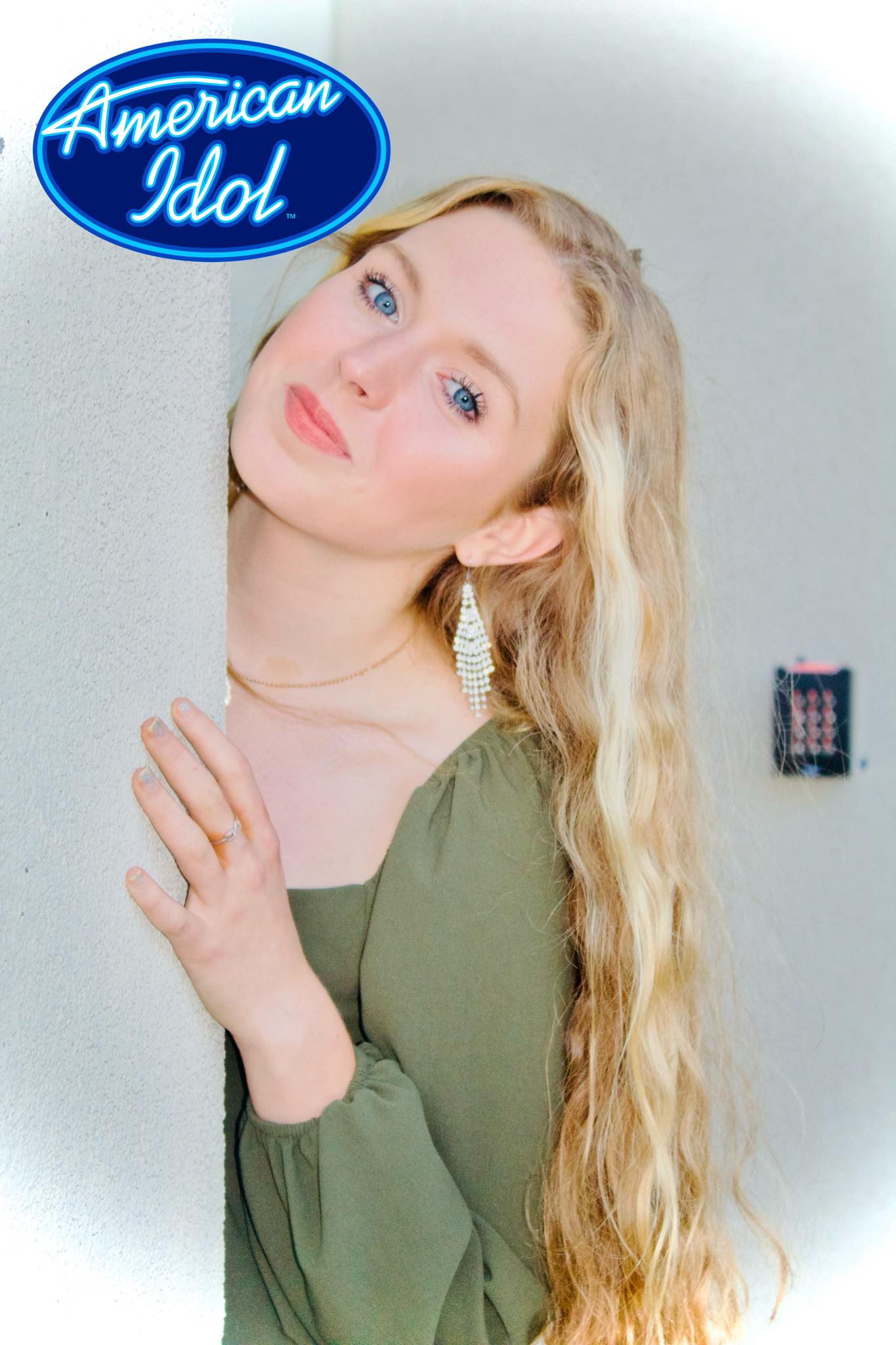
Music, Virginia Artists, Concert Reviews, Artist Profiles, Pop Music, Contemporary Christian Music, American Idol

Jeslynn Gelaine Music: All My Life I’ve Been a Dreamer

17-year-old Roanoke, Virginia native Jeslynn Gelaine has always been a dreamer.  And one of her dreams became reality just 4 days ago when the singer-songwriter’s debut professional music recording “Calm Me Down” was released as a single.

All photos and videos in this article were provided courtesy of Jeslynn Gelaine unless otherwise noted.

The music artist’s full name is Jeslynn Gelaine Reynolds, and she elected to drop the surname Reynolds at the beginning of her budding musical career.

I asked Reynolds about the significance on using her middle name as a music artist. She responded, “Jeslynn Gelaine is my way of paying tribute to my mom and Mimi, two talented singers who shared a middle name. Following my Mimi’s passing in August 2022, I’m passionate about honoring and carrying her legacy through Gelaine.”

Singing has always been a huge part of Gelaine’s life.  Her mom, Rebecca Reynolds, shared with me that, “Jeslynn has been singing since she could talk and also began singing harmony at age three.” 

Gelaine also traveled on the road and sang with her parents Adam & Rebecca Reynolds in full time evangelical ministry for 7 ½ years when Jeslynn was between the ages of 3 and 10.

In 2018, the Reynolds family settled in the Roanoke Valley and began ministry with Wake the World Church (WTW) in Salem, Virginia. Adam Reynolds is lead pastor while Rebecca Reynolds is minister and worship leader at the church.

Adam and Rebecca Reynolds are also accomplished gospel music singer-songwriters. Their daughter Jeslynn has also been a worship leader with WTW for the past 7 years.

In August, Jeslynn will be starting her senior year in high school as a homeschooled student. I asked Gelaine if she had any plans after she graduates from high school and she replied,” I’m unsure about college, but I have a peace about music. I trust God’s plan and believe he wants me to use my gift full-time.”

Another dream came true for the music artist when she was 15 years old. Jeslynn’s hope of singing on the American Idol reality TV show started almost two years ago.

 In August 2023, Gelaine auditioned virtually in front of producers for a chance to be on American Idol (AI). Her audition was successful that day and Jeslynn was set for the next round of qualification.

On to Nashville in November 2023, Jeslynn went for her audition in front of American Idol’s main judges:  Lionel Richie, Luke Bryan, and Katy Perry. Gelaine selected, “Still Rolling Stones” by Lauren Daigle to sing for her audition.

Jeslynn had another winning performance and received an American Idol “Golden Ticket.”  That meant that Gelaine would be one of just 150 singers going to Hollywood out of over 6,000 other contestants and she would actually be performing on the main AI show.

During Hollywood week, Jeslynn sang “Don’t You Worry ‘Bout a Thing” by Stevie Wonder. She again auditioned in front of the main AI judges Richie, Bryan and Perry.

Before singing the Motown song, Jeslynn addressed the judges with the following quote: “I want to be the next American Idol because I can say that I have truly just dedicated my whole life to music and songwriting. And this means everything to me, and I know this is what God has called me to do and that is why I’m singing on this stage today.”

 While Gelaine didn’t move on in the competition, she received high praise from the judges. After the performance, Katy Perry gave exceptional credit to the Roanoke singer, providing encouragement to Jeslynn who was just 15 at the time of this audition.

I first learned about Gelaine just after the AI “Hollywood Week” episode aired in the spring of 2024. WSLS TV channel 10 Roanoke featured the sensational singer with a news story outlining her musical story and the big dreams she’s accomplished. That feature can be viewed here via WSLS 10.

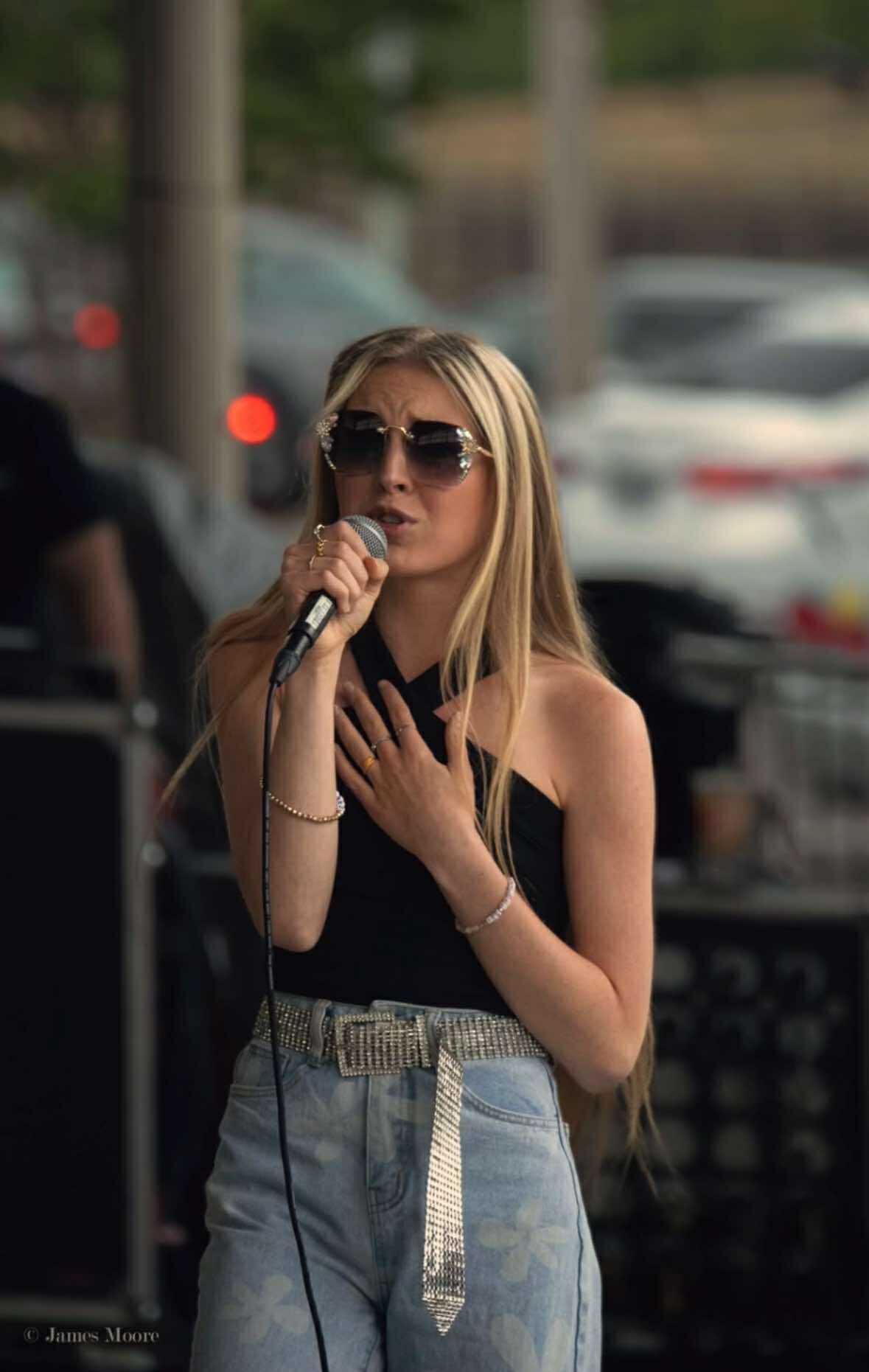
Around 13 months later, I had the opportunity to meet Jeslynn and her parents Adam and Rebecca Reynolds when Gelaine was performing in concert with the Strawberry Festival at Elmwood Park in Downtown Roanoke. The singer was the headlining artist for this event.

Accompanying Gelaine at her May 3rd Roanoke concert were 4 band members and a background vocalist. Personnel members and instruments played are listed below:

  • Bryan Davis-Piano
  • Eddy Sanders-Bass
  • Tonio Williams-Drums
  • Roger Graves Jr.-Guitar
  • Rebecca Reynolds-Background Vocalist

An unfortunate thing happened on that first Saturday in May 2025:  A big rain storm with thunder and lightning hit downtown Roanoke around 20 minutes into Jeslynn’s show. The Strawberry Festival administrators stopped the concert after just 3 and a half songs were performed.

Obviously, Jeslynn was deeply disappointed about the rain storm and abrupt ending of her concert: she had to make lemonade out of lemons.  Of the songs that Gelaine sang that afternoon, I made short video clips from two of her songs.

This first clip above is an original song Jeslynn wrote called “Song Outta Me”.

The second video I made is of her recently released single, “Calm Me Down.”  

The genesis for the lyrics of “Calm Me Down” came from Jeslynn when she attended a Songhouse summer camp in 2024. Gelaine shares co-writing credit with 4 other individuals who collaborated with her last summer at this music event.

Released just 4 days ago, “Calm Me Down” is available on all streaming platforms and can be purchased via Apple and Amazon music services. The link for Jeslynn’s YouTube channel is here.

On Tuesday July 8, 2025, Gelaine was interviewed on the WDBJ Roanoke TV program called 7@four by the station’s host Melissa Gaona. The WDBJ7 TV conversation video follows:

After Gaona completed her interview with Jeslynn, the Roanoke singer-songwriter sang her debut single “Calm Me Down” on the WDBJ7 TV show. Gelaine’s performance is found below.

After meeting Jeslynn at her Strawberry Festival concert, I sent her questions via email to answer for this article. She and I also utilized Microsoft’s Messenger online text communication for clarification.  My questions and her answers are found below.

DJ Dave:  How do you describe the genre or genres of music that you sing?  My guess would be a combination of pop and country.

Jeslynn: “Well, I’m going to be honest…lol! I don’t necessarily put my music in a “box” or genre as of now. I just write about life and put lyrics and whatever melody comes in my heart to it. I call my music my musical diary! I dabble in a lot of different sounds.”

DJ Dave:  I have gathered from listening to your written songs that you attempt to express your feelings about a subject, in a real and honest way.  And at the same time, you want to convey something positive to the listener of your songs?  Is that accurate?    

Jeslynn: “I want to give people something to relate to when they listen to my music. If they’ve experienced what I’ve experienced whether that be an emotion, an experience, etc. I want them to not feel alone and feel like they can have an anthem. I don’t just write about sad experiences. I also want listeners to just have something to “jam” too and feel happy about.

 I also want them to know by my Christian songs that there is hope through Jesus and they don’t have time to stay there in that negative emotion. Jesus is the only way I’ve healed through life’s tough obstacles.”

DJ Dave: When I met you after your Strawberry Festival concert, I asked you about the quote at the top of your social media pages, “All my life I’ve been a dreamer.” Can you briefly describe the significance behind this meaningful statement?

Jeslynn: That quote is from my song “Dreamer”, which is about overcoming fear and chasing dreams. Ironically, I wrote it two weeks before my first American Idol audition which marked a significant step in my career.

DJ Dave: I like your quote, “Songwriting is a therapeutic outlet for you and medicine for your soul.”  Please give me more insight into this meaning?

Jeslynn: My songs are a musical diary, allowing others to relate and feel less alone in life’s journeys. I pray God’s gift to me can also be a gift to others through lyrics.

DJ Dave: With your duties as worship leader with Wake the World church, what are ways that you prepare your own heart before leading folks during a Sunday morning service?

Jeslynn: My mom and I seek the Holy Spirit’s leading when choosing songs for Sunday. I also prioritize daily Bible study and prayer as I prepare my heart.

DJ Dave: Your mom, Rebecca, shared with me that you started singing as soon as you learned to talk and began singing harmony at age 3. At what point in your life did you decide that you wanted to be a singer and utilize the talents God has given you for Christian service?

Jeslynn: Music has been my lifelong passion and has never really been a question for me. After being part of American Idol and SongHouseCo, I feel even more confident that music is what I’m supposed to do.

DJ Dave: What are your dreams, goals and aspirations in relation to singing and music as you become an adult next year?

Jeslynn: I aspire to release more original music, put out an album, and perform at the Grand Ole Opry, and award shows. Ultimately, I just want what God has for me.

When I saw Jeslynn at her rain shorten Roanoke concert last month, I was impressed by her powerful vocals. I also realized that her songwriting is complex, challenging and provoking, but also upbeat, inspirational and encouraging.

From my perspective, Jeslynn has a bright future in her chosen musical profession.  Her enthusiasm and passion to foster empowerment through music is outstanding.

I also appreciate Jeslynn’s desire to be a positive witness with her Christian faith and a willingness to tackle hard topics as a songwriter. As a Christian believer myself, I find Gelaine’s outlook to be refreshing.

Obviously, no one knows what the future holds in store for this young Virginia singer. I am confident that Jeslynn Gelaine’s music career will go in a favorable direction as she continues to seek God’s guidance for her life. Rock on!

To subscribe to my blog via email, please click the “Follow” button in the menu above.

Standard
Music, Music Countdowns, Pop Music, Radio, Retro Rock, Rock Music, Wedding Love Songs

Popular Classic Wedding Love Songs  

Photo above is DJ Dave in July 2022 when I was the DJ for the wedding reception of my niece Lydia and her husband Roger at Shady Lane Farm, New Gloucester, Maine.  Photo courtesy of Paige Lucas Photography. 

Since my retirement as Manager with Carilion Clinic in 2017, I have provided DJ services for many wedding receptions over the past 8 years.

To be a superb DJ when working wedding receptions, a person needs to be familiar with many types of musical genres and be flexible selecting songs to play at these events.

With this month’s article, I will be counting down what I consider to be the best classic wedding love songs.  The time frame for songs that I selected for this article will range from the mid 60s to the late 80s.

Please note: my article is not a definitive listing of all various types of songs played at weddings and/or wedding receptions.  The tunes that I have selected are all from my personal experience as a veteran DJ.

Some songs should never be played at wedding receptions. I attended at a wedding reception a few years ago and the DJ hired played “Free Bird” by Lynyrd Skynyrd. While this is an outstanding Southern Rock song, the lyrics were totally inappropriate for a wedding celebration.

One caveat about banning some songs being played at a wedding celebration: When a bride and groom chooses a first dance song that isn’t “wedding worthy”, this DJ always defers to the couple getting married and plays their special first dance song.

In my own personal experience, I have played songs that I felt were strange for first dance tunes:  However, I did play the requested songs the bride and groom selected: it was their special day and not mine.  The two interesting songs below:

  • Stuck With You—Huey Lewis & the News:  “We thought about someone else, but neither one took the bait, we thought about breakin’ up, now we know it’s much too late, I’m so happy to be stuck with you, ’cause I can see that you’re happy to be stuck with me.”
  • S.O.S.—ABBA: What happened to our love? It used to be so good, the love you gave me, nothing else can save me, S.O.S. When you’re gone, how can I even try to go on?”

There are four basic types of songs played during a wedding reception:

  1. Specific songs selected by the bride and groom for first dances, when entering and/or leaving event locations, and other meaningful tunes the newly married couple request the DJ to play throughout the event.
  • Appropriate songs selected by the DJ as guests arrive and wait inside reception venue for the bride, groom and wedding party to enter facility.
  • Music played during dinner. During this time, I tend to play soft pop, slow-tempo ballads, and acoustic love songs to create a calm atmosphere for guests to enjoy their meals and conversations.
  • Songs the DJ plays for folks to dance. Mostly up-tempo songs with a few ballads sprinkled in for couples who want slow dancing.

Songs on my countdown are in two categories: Numbers 2 and 3 above.

Within the parameters of songs that I play before and during dinner times, my countdown listing includes songs from a couple different silos:

•       Songs that actually mention the words wedding or weddings in the lyrics.

•       Songs that have positive and/or affirming lyrics about love.

Please note that I purposely left out songs on my countdown that are played purely by a DJ for the sole purpose of dancing. Those types of tunes may end up in a separate music blog message in the future.

Songs like “Signed, Sealed, Delivered, I’m Yours” by Stevie Wonder and “September” by Earth Wind & Fire are superb wedding dance tunes. However, DJs should hesitate before playing these songs during non-danceable segments of wedding receptions events.

Also excluded for consideration for my countdown are songs with lyrics describing marriage and/or longing for marriage to happen in the future.  In my humble opinion, the songs listed directly below are all good tunes but not appropriate to play at any wedding reception.

  • Wedding Bell Blues—The 5th Dimension
  • That’s the Way I’ve Always Heard It Should Be—Carly Simon
  • Band of Gold—Freda Payne
  • Worst That Could Happen—Brooklyn Bridge
  • Wouldn’t It Be Nice—The Beach Boys
  • White Wedding—Billy Idol
  • Jackson—Johnny Cash & June Carter
  • The River—Bruce Springsteen
  • I Love You—Climax Blues Band
  • Rings—Cymarron
  • Keep Your Hands to Yourself—The Georgia Satellites
  • (You Never Can Tell) C’est la Vie—Emmy Lou Harris

With the next three sections of songs, I have selections from the 60s, 70s and 80s that didn’t make my countdown but are quality songs to play at all non-danceable times during wedding receptions. These songs are not ranked and placed in a random order.

Excellent Songs Outside the Top 25 Countdown from the 60s:

  • Love Can Make You Happy—Mercy
  • L-O-V-E—Nat King Cole
  • You’ve Made Me So Very Happy—Blood Sweat & Tears
  • My Cherie Amour—Stevie Wonder
  • (You Make me Feel Like) A Natural Woman—Aretha Franklin
  • And I Love Her—The Beatles
  • My Special Angel—The Vogues
  • The Way You Look Tonight—Frank Sinatra
  • Something—The Beatles
  • Chapel of Love—The Dixie Cups
  • Can’t Take My Eyes Off You—Frankie Valli

Excellent Songs Outside the Top 25 Countdown from the 70s:

  • First Time Ever I Saw Your Face—Roberta Flack
  • How Deep Is Your Love—The Bee Gees
  • Maybe I’m Amazed—Paul McCartney
  • Love Will Keep Us Together—Captain & Tennille
  • Wonderful Tonight—Eric Clapton
  • Bridge Over Troubled Water—Simon & Garfunkel
  • You Are Everything—The Stylistics
  • Your Smiling Face—James Taylor
  • The Air That I Breath—The Hollies
  • Make It with You—Bread
  • (They Long to Be) Close to You—The Carpenters
  • Nobody Does It Better—Carly Simon
  • Annie’s Song—John Denver

Excellent Songs Outside the Top 25 Countdown from the 80s:

  • Time After Time—Cyndi Lauper
  • Heaven—Bryan Adams
  • In Your Eyes—Peter Gabriel  
  • Tonight, I Celebrate My Love—Peabo Bryson & Roberta Flack
  • The Promise—When in Rome
  • Biggest Part of Me—Ambrosia
  • Every Little Thing She Does is Magic—The Police
  • Right Here Waiting—Richard Marx
  • Lady–Kenny Rogers
  • You’re the Inspiration—Chicago
  • For Your Eyes Only—Sheena Easton
  • You Are My Lady–Freddie Jackson
  • Up Where We Belong–Joe Cocker & Jennifer Warnes
  • Eternal Flame—The Bangles

I recommend playing any of the songs that I have listed above during non-dancing segments of wedding receptions. Of course, a bride or groom could pick one of these songs for their first dance. For those instances, many of these tunes do make outstanding choices for slow dancing.

The same methodology can be applied for the 25 songs in the countdown below. All countdown songs are perfect for bride and groom first dances at any wedding reception.

With my experience as a DJ for many wedding receptions over the years, I now submit my classic wedding love songs countdown:

25.  Truly—Lionel Richie: 1982

Debut solo single for singer-songwriter Lionel Richie, who wrote this song and co-produced it with James Anthony Carmichael. The artist won a Grammy Award for “Best Male Pop Vocal Performance” for this tune.

24.  Unchained Melody—The Righteous Brothers:  1965

Music by Alex North and lyrics by Hy Zaret. Bobby Hatfield of the Righteous Brothers sings lead vocals on song. Became a hit twice, the second time in 1990.

23.  Faithfully—Journey: 1983

The song was written by Journey’s keyboardist Jonathan Cain. Powerful vocals by Steve Perry.  A quintessential 80s power ballad.

22.  Endless Love—Lionel Richie & Diana Ross: 1981

While still a member of the Commodores, Lionel Richie wrote the song and it was featured in the film “Endless Love.”  The duet with Diana Ross is rated as the “Greatest song duet of all-time” by Billboard.

21.  Always—Atlantic Starr: 1987

Love ballad written by David Lewis, Jonathan Lewis and Wayne Lewis. Peaked at #1 on Billboard Hot 100. Biggest hit single for Atlantic Starr.

20.  With This Ring—The Platters: 1967

Last Top 40 hit for the Platters was written by Richard “Popcorn” Wylie, Luther Dixon, and Tony Hester. It’s considered a core song with Carolina “Beach Music” and is a favorite song for shag dancers.

19.  For All We Know—The Carpenters:  1970

Soft pop rock song has music credited to Fred Karlin and lyrics from Robb Wilson and James Griffin.  Karen Carpenter has outstanding vocals on this selection.

18.  Always and Forever—Heatwave: 1978

Rod Temperton, keyboardist and principal songwriter for Heatwave, wrote this classic tune for his British-based multinational funk-disco band. This ballad has lead vocals by Johnnie Wilder, Jr.

17.  Here and Now—Luther Vandross:  1989

The R&B Pop singer won a Grammy Award for Best Male R&B Vocal Performance with his signature ballad. Written by David L. Elliott, Terry Steele, and Charles White.

16.  This Will Be (An Everlasting Love)—Natalie Cole:  1975

This up-tempo wedding anthem was written by Chuck Jackson and Marvin Yancy, with Richard Evans creating the musical arrangement.  Natalie Cole won a Grammy Award for “Best Female R&B Vocal Performance” with her huge hit single.

15.  Three Times a Lady—The Commodores:  1978

Smooth signature love ballad was penned by Lionel Richie, lead singer of the Commodores. Reached #1 on the Billboard Hot 100 for two weeks during the summer of 1978.

14.  You Make Me Feel Brand New—The Stylistics: 1974

 One of the Stylistics signature songs was co-written by Thom Bell and Linda Creed. The R&B love song features vocals by baritone singer Airrion Love and falsetto of lead vocalist Russell Thompkins Jr.

13.  How Sweet It Is (To Be Loved by You)—James Taylor:  1975

Cover rendition of a Marvin Gaye 1965 hit. It was written by the Motown songwriting team of Holland–Dozier–Holland. James Taylor’s superb guitar and smooth vocals are complimented by David Sanborn on saxophone and Carly Simon with backup harmony vocals.

12.  God Only Knows—The Beach Boys: 1966

Co-written by Brian Wilson and Tony Asher. Song renowned for its beautiful harmonic structure and innovative complexity. Rolling Stone magazine ranks it at number 11 on their “500 Greatest Songs of All Time” listing.

11.  You Are the Sunshine of My Life—Stevie Wonder:  1973

Progressive soul. The song written by Stevie Wonder was the second consecutive single to reach #1 on the Billboard Hot 100. Singer-songwriter won a Grammy Award for “Best Male Pop Vocal Performance” for his tune. I rate it as the 22nd best single of ’73.

10.  Let’s Stay Together—Al Green:  1972

Co-written by Al Green, Willie Mitchell and Al Jackson, Jr.  This superb soul single is rated as the 60th greatest song of all-time by Rolling Stone and I rank it as the 7th best single of 1972. “Let’s Stay Together” is in the Grammy Hall of Fame and the Library of Congress, National Recording Registry.

9.    You Are So Beautiful—Joe Cocker:  1975

Gospel & Soul singer Billy Preston co-wrote this tune with Bruce Fisher.  Joe Cocker’s cover had a slower tempo than Preston’s original faster version. It became the Englishman’s biggest solo hit single on the Billboard Hot 100.

8.    In My Life—The Beatles: 1965

This melodic selection is credited as a John Lennon and Paul McCartney written track.   From the Beatles “Rubber Soul” album. Rolling Stone magazine ranks it at #5 on their “100 Best Beatles Song” list. “In My Life” has become a staple for wedding receptions in the 21st century.

7.    Your Song—Elton John:  1971

Penned by lyricist Bernie Taupin and musician Elton John. It was the first top 10 hit on the Billboard Hot 100 for the English singer-songwriter. “Your Song” was inducted into the Grammy Hall of Fame in 1998.

6.   Just the Way You Are—Billy Joel: 1978   

Written by Billy Joel. Features outstanding saxophone by artist Phil Woods. From album “The Stranger.”  Pop ballad/smooth jazz. Received two Grammy Awards for “Record of the Year” and “Song of the Year” in 1979. I rate the song as the 17th best saxophone single of the 60s & 70s.

5. My Girl—The Temptations: 1965

Written and produced by the Miracles members Smokey Robinson and Ronald White.  First #1 single for the Motown vocal group. Was inducted into the Grammy Hall of Fame in 1998 and placed in the National Recording Registry by the Library of Congress during 2017. “My Girl” is a signature song for the Temptations.

4.   Wedding Song (There is Love)—Noel Paul Stookey:  1971 

Noel Paul Stookey first gained musical popularity with the folk-rock trio Peter, Paul and Mary. He wrote “Wedding Song (There is Love)” in 1969 and first performed it for his friend Peter Yarrow.  I rate this melodic tune as the 2nd best one hit wonder of 1971.

3.   We’ve Only Just Begun—The Carpenters:  1970

Originally this song was in a wedding-themed television commercial for a California bank and was co-written by Roger Nichols (music) and Paul Williams (lyrics). The Carpenters scored their second consecutive top 2 hit with this soft rock single. Karen Carpenter shines with her vocals on “We’ve Only Just Begun.”

2.   Longer—Dan Fogelberg:  1980

Written and recorded by singer-songwriter Dan Fogelberg. “Longer” is a melodic love song, with flowing harmonies and sparse instrumentation. I rate it as the 4th best single of 1980. Fogelberg’s crown jewel became a staple at thousands of weddings in the 80s and is still popular among some marriage ceremonies this decade.

  1. Never My Love—The Association:  1967

My number 1 classic wedding song is “Never My Love” by the Association.  This soft rock single was co-written by siblings Don and Dick Addrisi. In 1999, Broadcast Music, Inc. (BMI) ranked this tune as the second most played song on radio & TV in the 20th century.

Musically, this single features multiple trumpets and French horns, as well as exceptional saxophone playing by John Johnson. In addition, two guitars, piano and drums round out this musical masterpiece.

The Association’s love song reached #1 on the Cashbox Top 100 and #2 on the Billboard Hot 100 during the fall of 1967.  I rate this single as the 5th best sunshine pop single of the 60s and 9th best top 40 single of 1967. Without a doubt, “Never My Love” by the Association is my #1 best classic wedding love song of the 20th century.

That wraps up my countdown of what I consider to be the best classic wedding love songs from the mid 60s through the late 80s. I recommend playing any of the top 25 songs from my countdown for non-dancing segments of wedding receptions.

I realize that my listing of songs in this category was written from my point of view and is subjective. If you were creating a similar register of excellent wedding love songs, your tabulation may be totally different from my selections.

What do you consider to be best wedding reception love songs from 1964 until 1989? There are no right or wrong answers. I welcome your thoughts.

If you know of anyone that is getting married, I hope you will share this message with any engaged couples looking for song suggestions for an upcoming wedding reception.

I leave you with the opening lyrics of “Wedding Song (There Is Love)” by Noel Paul Stookey:

“He is now to be among you, at the calling of your hearts, rest assured this troubadour is acting on His part. The union of your spirits here has caused Him to remain, for whenever two or more of you are gathered in His name, there is love.”

To subscribe to my blog via email, please click the “Follow” button in the menu above.

Standard
Broadcasting, Music, Music Countdowns, Pop Music, Radio, Retro Rock, rock, Rock Music

Favorite Double-Sided 45-RPM Radio Hits of the 60s and 70s

Did you ever wonder why some artists had two hits from the same 45-rpm single during the golden age of top 40 radio?  With this edition of my musical musings, I will be counting down what I consider to be some of the best two-sided radio hits from the 60s and 70s.

The first 7-inch, 45-rpm vinyl record, a format that became known as a “single,” was released by RCA Victor in March 1949. Creation of the 45-rpm single helped to change music forever.

In simple terms, record companies labeled their singles with an A-side and a B-side. Generally, songs that record labels wanted to promote as possible hits received an A-side designation while the B-side traditionally was not considered “hit material” by a record company.

It is interesting that sometimes the A-side of a single flopped while the B-side actually became a major hit record. “Na Na Hey Hey Kiss Him Goodbye” by Steam is an excellent example of the B-side of a single actually became a #1 hit while the A-side (“Sweet Laura Lee”) never charted.

Other outliers in this category:  Occasionally, the A-side of a single becomes a hit but the B-side doesn’t initially chart.  Eventually, the original B-side is re-released as an A-side single and then becomes a hit. “Another Park, Another Sunday” and “Black Water” by the Doobie Brothers are a perfect example of this phenomenon.

Some record companies regularly promoted what is known as a Double-A Single, in which both sides of the 45-rpm record were of equal importance with regard to promotion.  Most of the time, record companies released a Double-A single from an established music artist.

In the 50s and early 60s, Elvis Presley was the king of double-sided hit singles. According to Billboard magazine, Presley achieved 39 singles where both sides reached the Billboard Hot 100 chart.

Then in the 60s, the Beatles charted 24 two-sided hits while Creedence Clearwater Revival had 7 double-sided radio hits from 1969 through 1971.

For the remainder of this message, I will be counting down what I consider to be the 5 best double-sided radio hits from the golden age of top 40 radio. 

In researching historical musical data for this article, I used “The Billboard Book of Top 40 Hits” by Joel Whitburn.  I consider Whitburn’s book to be the “bible” of Top 40 music history and I bought a second copy of this superb music guide a few years ago.

The criteria that I used for my countdown of double-sided 45-rpm singles hits:

  • Only top 40 hits in the United States from 1965 to 1975.
  • Both sides of a 45-rpm vinyl single must have charted #40 or higher on the Billboard Hot 100 chart.
  • Both sides of a 45-rpm charted #40 or higher within 6 months of the first song becoming a hit.

My countdown of the top 5 double-sided 45-rpm hits is based entirely on my opinions, songs that I consider to be my favorites. These are selections that I deem to be culturally, historically, aesthetically significant, meaningful or relevant.

Obviously, there are many more excellent double-sided hits from the golden age of top 40 radio that fell outside of my top 5 countdown. My selections below are not ranked and placed in a random order:

  • Question 67 & 68 & I’m a Man—Chicago
  • The House That Jack Built & I Say a Little Prayer—Aretha Franklin
  • All You Need is Love & Baby You’re a Rich Man—The Beatles.
  •  Up Around the Bend & Run Through the Jungle—Creedence Clearwater Revival
  •  Junior’s Farm & Sally G—Paul McCartney
  •  Pleasant Valley Sunday & Words—The Monkees
  •  Atlantis & To Susan on the West Coast Waiting—Donovan
  • There’s a Kind of Hush & No Milk Today—Herman’s Hermits
  • Green River & Commotion—Creedence Clearwater Revival
  • Get Back & Don’t Let me Down—The Beatles
  • Calypso & I’m Sorry—John Denver
  • Lookin’ Out My Back Door & Long As I Can See the Light—Creedence Clearwater Revival
  • (Sweet Baby Baby) Since You’ve Been Gone & Ain’t No Way—Aretha Franklin
  • Thank You (Falettinme Be Mice Elf Agin) & Everybody is a Star—Sly & the Family Stone
  • I’m a Believer & (I’m Not Your) Steppin’ Stone—The Monkees
  • My Sweet Lord & Isn’t It a Pity—George Harrison
  •  It’s Too Late & I Feel the Earth Move—Carole King
  • Have You Ever Seen the Rain & Hey Tonight—Creedence Clearwater Revival
  • Colour My World & Beginnings—Chicago
  • Laughing & Undun—The Guess Who
  • Paperback Writer & Rain—The Beatles
  • Who’ll Stop the Rain & Travelin’ Band—Creedence Clearwater Revival
  • Maggie May & Reason to Believe—Rod Stewart
  • So Far Away & Smackwater Jack—Carole King
  • Something & Come Together—The Beatles
  • Bad Moon Rising & Lodi—Creedence Clearwater Revival

Without further ado, my countdown of the best double-sided 45-rpm radio hits begins:

5.    Hey Jude & Revolution—The Beatles:  1968

Peak Positions on Billboard Hot 100

  • Hey Jude:  #1
  • Revolution #12

Both songs were first placed on the “Hey Jude” (original title: The Beatles Again) album, which is a collection of non-album singles and B-sides by the Beatles. Released February 1970.

These songs were recorded during the Beatles “White Album” sessions but left off the 30-track double LP (November 1968).  This Double-A sided 45-rpm single became the first Beatles’ recordings that were released on Apple Records by the band.

  • Revolution:  Co-written/credited as a John Lennon & Paul McCartney song.  It was primarily written by Lennon.

Lyrics for “Revolution” came about as some anti-war moment members were calling out for violence to achieve their goals.  Lennon, being a peace activist, believed in non-violent methods to promote peaceful transitions.

The Beatles rocked with a message of social change on this hard driving tune. I rate “Revolution” as the 8th best protest and social justice anthem from the 60s and 70s.

  • Hey Jude: Co-written/credited as a John Lennon & Paul McCartney song. It was primarily written by McCartney.

One of the signature songs for British band.  “Hey Jude” spent 9 weeks at the top of Billboard’s singles chart and is ranked as the #1 song of 1968. It also was Billboard’s biggest charting single of the 60s decade.

The Beatles successful song has been inducted into the Grammy Hall of Fame, the Rock and Roll Hall of Fame and National Academy of Recording Arts & Sciences Grammy Hall of Fame. Without a doubt, this track remains one of the Fab Four’s most enduring singles.

4.    American Woman & No Sugar Tonight—The Guess Who:  1970

Peak Position on Billboard Hot 100:  Both songs reached #1

These songs are found on the “American Woman” album. Released January 1970.

  • No Sugar Tonight

Released as the B-side. “No Sugar Tonight” is a stand-alone track on the 45-rpm single. However, the song is actually part of the “No Sugar Tonight/New Mother Nature” medley that is found on the Guess Who’s “American Woman” album.

Co-written by Burton Cummings and Randy Bachman. Classic rock and classic hits radio stations do not separate the “No Sugar Tonight/New Mother Nature” medley in 2025 like top 40 stations did back in 1970.

  • American Woman

Co-written by Burton Cummings, Garry Peterson, Jim Kale & Randy Bachman: According to Billboard, it was the third biggest Song of 1970 and the most popular track in the U.S. by the Canadian band.

Randy Bachman of the Guess Who stated in 2014 that “American Woman” was an anti-war protest song against the Vietnam conflict from a Canadian point of view. Of course, lyrics can also be interpreted literally as guys from Canada not wanting anything to do with women from the U.S.

3.    Wouldn’t It Be Nice & God Only Knows—The Beach Boys:  1966

Peak Positions on the Billboard Hot 100

  • Wouldn’t It Be Nice: #8
  • God Only Knows: #39

Both songs from the “Pet Sounds” album. Released May 1966

  • God Only Knows

Issued as the B-side. Co-written by Brian Wilson and Tony Asher. Like many of the songs on the Beach Boys “Pet Sounds” album, around 20 session musicians played on this orchestral masterpiece. Single is in the sub-genre Baroque pop classification.

“God Only Knows” is renowned for its beautiful harmonic structure and innovative complexity. Rolling Stone magazine ranks it at number 11 on their “500 Greatest Songs of All Time” listing and Paul McCartney proclaims the Beach Boys single to be the greatest song ever written.

  • Wouldn’t It Be Nice

 Co-written by Brian Wilson, Tony Asher & Mike Love. Wilson produced this classic “Sunshine Pop” song himself by using the “Wall of Sound” production technique, with 18 different instruments played on the track.  The Beach Boys single is considered ground-breaking and influential for future sub-genres of rock music: Power pop and progressive pop.

This track is superb and has a melodic tune and excellent vocal harmonies. Pitchfork ranks Wilson’s gem at number 7 on their “200 Best Songs of the 1960s” listing.  Without any doubt, “Wouldn’t It Be Nice” is my favorite number one, “Sunshine Pop” song of the 60s.

2.    Fortunate Son & Down on the Corner—Creedence Clearwater Revival:  1969

Peak Position on the Billboard Hot 100: Both songs reached #3.

From the “Willie & the Poor Boys” album. Released October 1969

  • Down on the Corner

Produced and written by John Fogerty.  The tune on this ditty contains a calypso beat and is a feel-good story about Willy and the Poor Boys, a fictional jug band who were street musicians. The song makes reference to a harmonica, washboard, a kazoo, a Kalamazoo guitar, and a gut bass.

Initially, “Down on the Corner” was the B-side of the CCR single. It quickly became just as popular as the A-side “Fortunate Son” song. The band came up with the name “Willie and the Poor Boys” for their 1969 album, from the lyrics to this “swamp rock” classic song.

  • Fortunate Son

Written by John Fogerty. Released in September 1969 during the peak period of American involvement in the Vietnam War, this ode quickly became an anti-war movement anthem and is considered a signature song for its author, singer-songwriter Fogerty.

The former CCR front man recently explained with a post on X, “Fortunate Son is a song I wrote during the Vietnam War, inspired by the stark contrast between those who were drafted to fight and die for their country and those who had the privilege to avoid the draft because of their wealth and connections.”

“Fortunate Son” is my favorite John Fogerty/CCR track of all-time and I rate it as the #1 best protest and social justice song of the 60s and 70s.

  1. Penny Lane & Strawberry Fields Forever—The Beatles:  1967

Peak Positions on Billboard Hot 100

  • Penny Lane #1
  • Strawberry Fields Forever:  #8

Both songs were placed on the “Magical Mystery Tour” (MMT) album which was divided into separate song categories:  Side 1: Soundtrack songs from “MMT” and Side 2:  Tracks from the 1967 Beatles’ non-album singles.

These songs were recorded during the “Sgt. Pepper’s Lonely Hearts Club Band” sessions but left off that 13-track album (Summer of Love 1967).

  • Strawberry Fields Forever
  • Co-written/credited as a John Lennon & Paul McCartney song.  It was primarily written by Lennon.

Double-A sided hit. John Lennon based the song on his childhood memories of playing in the garden of Strawberry Field, a Salvation Army children’s home in Liverpool, England. Musically, the sound on this song had a much different feel than any other Beatles singles released before 1967.

Strawberry Fields Gate: Liverpool, England. Photo courtesy of Dave Delaney

With a psychedelic rock sound, “Strawberry Fields Forever” was ground breaking. Beatles producer George Martin utilized diverse recording techniques such as reverse-recorded instrumentation, Mellotron flute sounds, an Indian Swarmandal (or harp), a fade-out/fade-in coda, as well as a cello and brass arrangement.

The combination of musical instruments, studio space-age sound effects and Lennon’s vocals, helped to make “Strawberry Fields Forever” a landmark recording in the psychedelic pop rock genre of music. Rolling Stone magazine ranks at #7 on their “500 Greatest Songs of All Time” list.

  • Penny Lane
  • Co-written/credited as a John Lennon & Paul McCartney song. It was primarily written by McCartney.

I rate “Penny Lane” as my second favorite Beatles song of all-time. The lyrics of the single refer to a street in Liverpool, and make mention of the sights and characters that Paul McCartney recalled from his upbringing in the city. 

Just like the song “Strawberry Fields Forever”, the Beatles became avant-garde pop rock composers and broke new ground with instrumentation with the recording of “Penny Lane.”  Music historians declare that the single is a cross between progressive and Baroque pop. The song was inducted into the Grammy Hall of Fame in 2011.

McCartney’s ode uses many instruments not associated with most Beatles songs: flutes, piccolos, oboes, trumpets and a flugelhorn.  It became the 13th Beatles single to peak at #1 on the Billboard Hot 100 during March 1967.

When I discovered Top 40 radio on WROV Roanoke in early 1967, the first song that I remember liking was “Penny Lane.”  Sometime in the spring of that year, I went to Sears and bought a 45-rpm single of my favorite Beatles song. It was the first vinyl record that I bought with my own money and still own it here in 2025.

Without a doubt, the Beatles, “Penny Lane/Strawberry Fields Forever” is my #1 favorite double-A sided single from the golden age of top 40 radio.

That wraps up my countdown of what I consider to be the 5 best double-sided 45 rpm singles from the golden age of Top 40 radio. I realize that my listing of songs in this category was written from my point of view and is subjective.

If you were creating a similar register of excellent double-sided singles from the 60s and 70s, your tabulation may be totally different. What do you consider to be best preeminent double-sided hit singles in this category? There are no right or wrong answers. I welcome your thoughts.

I still love all of the double-sided singles that are in my countdown above and fondly remember hearing those songs played on the radio when I was growing up. I still cherish those singles here in 2025.  Rock on!

To subscribe to my blog via email, please click the “Follow” button in the menu above.
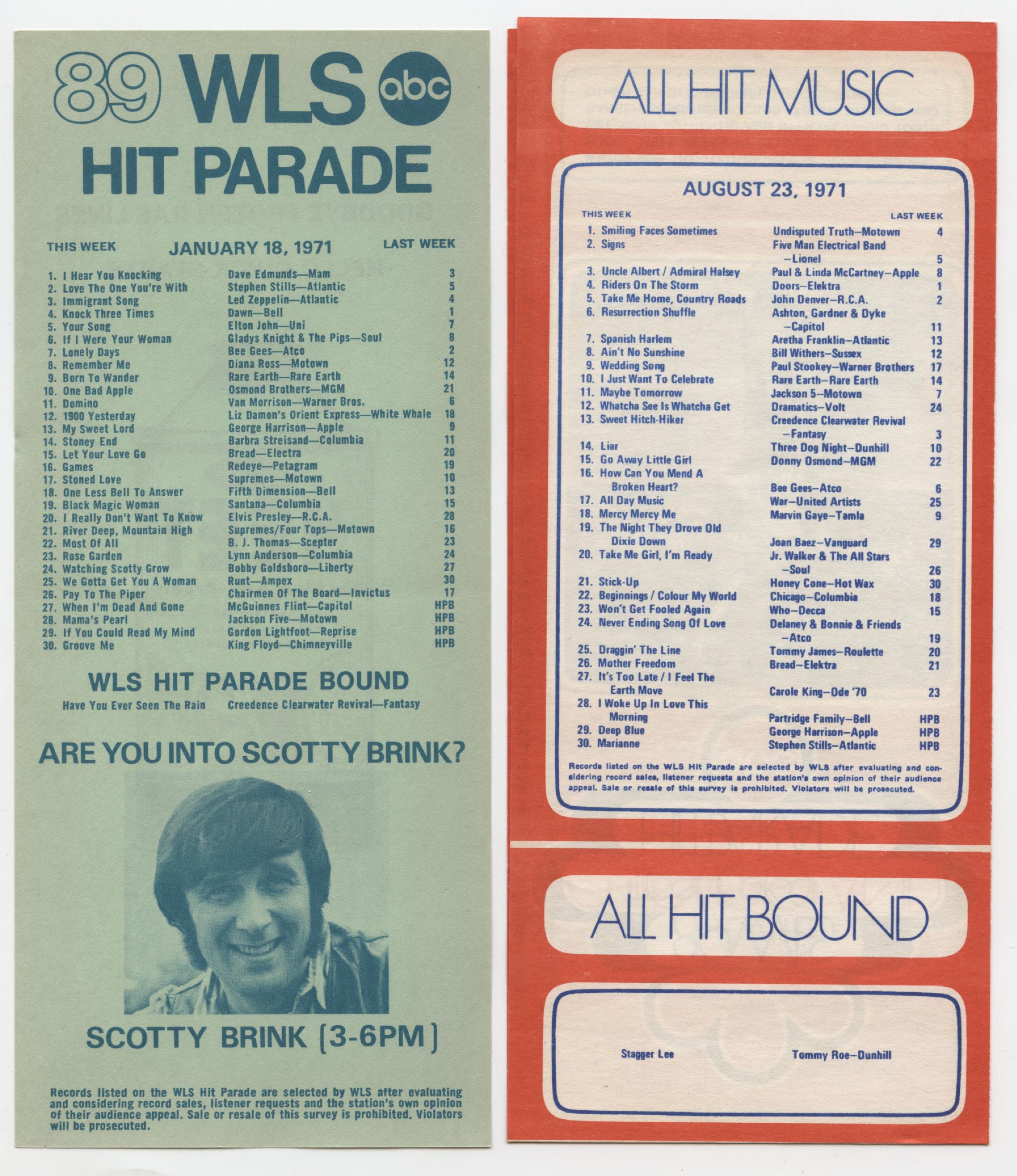
Standard
AT40, Broadcasting, Music, Music Countdowns, Pop Music, Radio, Retro Rock, rock, Rock Music

Exceptional Rock Hits of the 90s: Not Released as Singles

Bob Dylan wrote a song called “The Times They Are a-Changin'” in the 60s about social justice issues.  In the 90s, the same type of statement could be made about pop rock music and the radio stations playing hit songs: “The times they were a changing.”

With this edition of my musical musings, I will be counting down what I consider to be the best rock hits of the 90s that were not released as singles in the United States.  My selections are from the years 1994 through 1998.

Before getting to my countdown, I will give a brief history of Top 40 radio. Looking back to 1970, Top 40 radio played a wide variety of mass appeal hits in a variation of musical genres: pop, rock, soul, R&B, country, easy listening, and adult standards.

In the early 70s, radio station playlists featured the top-selling vinyl 45-rpm singles and airplay of the 40 biggest songs. These songs were tracked nationally by Billboard and Cash Box magazines, which both published weekly surveys of the 100 biggest hits.

When the debut American Top 40 show happened on July 4th weekend in 1970, Casey Kasem aired the 40 biggest singles on the Billboard Hot 100 (BH100) chart. Criteria for this once-a-week survey: Only songs released as a 45-rpm single were eligible for charting on the BH100.

The Billboard rule of charting only songs released as singles on their Hot 100 survey was adopted in 1958 and was maintained until being eliminated in November 1998.

From 1970 until 1991, AT40 used the BH100 chart on its national weekly broadcasts.  Then in November 1991, AT40 stopped using the BH100 chart, switching first to Billboard’s “Hot 100 Airplay” chart and then finally to the “Mainstream Top 40” Billboard survey.

Both of these later Billboard charts were based solely on radio station airplay and the songs listed could be either a single or an album track.

On the weekend of January 28, 1995, the final episode of the original AT40 was broadcast. After a 3-year gap, American Top 40 returned with the second Casey Kasem era (1998-2004).

The evolution of Top 40 radio changed tremendously during the 70s and 80s. Stations went from being located primarily on the AM dial to high quality FM signals during this time period.

During the 80s, the Top 40 radio format became known as Contemporary Hit Radio (CHR). Stations utilizing the CHR format played current and recurrent popular hits that focused mostly on pop, rock, R&B and country crossover tunes.

By the 90s, newer sub-genres of pop-rock music became popular: Hip-Hop, Electronic, Urban, Grunge, Alternative and Modern Rock. This new diversity of music caused a large number of CHR stations to narrow their focus.

Instead of playing all the current top hits from the Billboard Hot 100 singles chart, many CHR formatted stations went away from playing mass appeal hits and splintered the songs they aired into smaller playlists.

The fractioning of the CHR format by the mid 90s had multiple stations in radio markets playing fewer songs and the music they aired tended to be mostly in a specific sub-genre of pop-rock music.

There were still successful traditional mainstream CHR stations functioning in radio markets that played a wide variety of hits in the 90s. One such station was in my hometown K92 (WXLK) 92.3 Roanoke, Virginia.

Above: A K92 Roanoke aircheck of David Lee Michaels: Summer 1981.

Photo inside of the K92 Roanoke studio in the early 90s courtesy of David Lee Michaels: From Left to Right: K92 DJ Eddie Haskell, English rock singer-songwriter and musician John Waite and K92 DJ David Lee Michaels.

K92 came on the air on New Year’s Day in 1980 with a Top 40 CHR format. This mainstream CHR outlet was the top-rated number one radio station in the Lynchburg/Roanoke market starting in 1980 and remained as the most listened to station into the early 90s.

Above: A K92 Roanoke audio clip of Ellis B Feaster: Summer 1989. Courtesy of Ellis B Feaster.

A photo I took of the K92 studio building on Electric Road in Roanoke County, Virginia. February 27, 2025.

Below is a listing of “main leaning” CHR formatted stations during the 90s and the music those outlets played:

  • Mainstream/Traditional CHR
  • Adult CHR
  • Rhythmic/Dance CHR
  • Urban CHR
  • Rock CHR

All chart documentation that I have reference below came from my personal copy of, “The Billboard Book of Top 40 Hits” by Joel Whitburn (9th edition).  I consider Whitburn’s book to be the “bible” of Top 40 music history and I bought my second copy of this superb music guide a few years ago.

Whitburn’s reference guide tabulates numeric positions for all Top 40 hits on multiple Billboard charts. When my countdown is viewed below, it may be surprising to some that these songs were not released as singles but actually album tracks that became radio hits.

In addition, my countdown of radio airplay hits is entirely based on my opinions: I consider those 20 rock songs as favorites from the 90s decade. My selections are songs that I deem to be culturally, historically, aesthetically significant, meaningful or relevant.

As I do with all of my countdowns, I document tracks that I considered but fell outside my top 20 selections. These album track hits are not ranked and are placed in a random order:

  • When I Come Around—Green Day
  • Crash into Me—Dave Matthews Band
  • Hand in My Pocket—Alanis Morissette  
  • Push—Matchbox 20
  • Buddy Holly—Weezer
  • A Long December—The Counting Crows
  • What I Got—Sublime
  • Champagne Supernova—Oasis
  • Spiderwebs—No Doubt
  • Daughter—Pearl Jam
  • Takes a Little Time—Amy Grant
  • 3 AM–Matchbox 20
  • Santa Monica (Watch the World Die)—Everclear
  • If You Could Only See—Tonic
  • Standing Outside a Broken Phone Booth with Money in My Hand—Primitive Radio Gods

Without further ado, my Top 20 countdown of the best non-singles radio hits begins:

20.  Zombie—The Cranberries 1995

Peak Positions on Billboard Charts: #1 Mainstream Rock, #18 Hot 100 Airplay

The Cranberries, an Irish alternative rock band, had a world-wide smash hit with “Zombie.” Written by band member/lead singer Dolores O’Riordan, her powerful lyrics are a furious anti-terrorism lament, protesting bombs exploding in England by the Irish Republican Army that killed two children.

19.  Closing Time—Semisonic 1998

Peak Positions on Billboard Charts: #1 Mainstream Rock, #4 Hot 100 Airplay

Rock band trio from, Minneapolis, Minnesota. This ballad has multiple meanings according to Semisonic’s songwriter Dan Wilson: 1.  Imagery of bouncers yelling “closing time” and people leaving bars. 2. About childbirth, with a pun on being “bounced from the womb”. Tune was nominated for a Grammy Award (Best Rock Song).

18.  Black Hole Sun—Soundgarden 1994

Peak Positions on Billboard Charts: #1 Modern Rock (7 weeks) #9 Hot 100 Airplay

Grunge Rock band from Seattle, Washington. Penned by Soundgarden’s singer-songwriter and guitarist Chris Cornell. Signature song by the band was the number 1 biggest album track on Billboard’s Modern Rock chart in 1994.

17.  Mr. Jones—The Counting Crows 1994

Peak Positions on Billboard Charts: #1 Modern Rock, #2 Hot 100 Airplay

Breakthrough hit by San Francisco, California rock band. From the album “August and Everything After.” Received a MTV Video Music Award for “Best New Artist” category with their hit.

16.  Walking on the Sun—Smash Mouth 1997

Peak positions on Billboard Charts: #1 mainstream Rock, #2 Hot 100 Airplay

Power pop rock band from San Jose, California. Debut hit was written by Smashmouth’s Greg Camp, after learning about Rodney King as a victim of police brutality in Los Angeles, California. A catchy, infectious track.

15.  Lightning Crashes—Live. 1994

Peak Positions on Billboard Charts: #1 Modern Rock (9 weeks), #1 Rock Tracks (10 weeks), #12 Hot 100 Airplay

York, Pennsylvania alternative rock band. Primarily written by lead singer Ed Kowalczyk but is credited to all 4 members of Live. The band dedicated this hit to a mutual high school friend, 19 year old Barbara Lewis who was killed by a drunk driver in 1993.

14.  Love Will Keep Us Alive—Eagles. 1994

Peak Positions on Billboard Charts: #1 Adult Contemporary (3 weeks), #22 Hot 100 Airplay

The Southern California rock band had been on hiatus since 1980 and formally reunited in 1994. This soft rock hit introduced a new generation to Eagles music. Bassist Timothy B. Schmidt is on lead vocals with a song nominated for a Grammy Award in 1995.

13.  How Bizarre—OMC. 1996

Peak Positions on Billboard Charts: #1 Mainstream Rock, #4 Hot 100 Airplay

OMC: aka (Otara Millionaires Club) was a New Zealand band. Started as a trio, then became a duo. When “How Bizarre” reached the top spot on Billboard’s Mainstream Rock survey, ONC became the first New Zealand artist ever to reach the a number 1 position with any Billboard chart. Received a MTV Video Music Award.

12.  Good Riddance (Time of Your Life)—Green Day. 1998

Peak Positions on Billboard Charts: #7 Mainstream Rock, #11 Hot 100 Airplay

Alternative California rock band switched things up for this ballad. The track was an unusual composition for Green Day: it had sparse instrumentation. Songwriter Billie Joe Armstrong plays acoustic guitar while a string arrangement was added into the mix. It has become a classic 90s folk-rock tune.

11.  Lovefool—The Cardigans. 1997

Peak Positions on Billboard Charts: #3 Hot 100 Airplay, #4 Mainstream Rock

Swedish rock band provided a pure pop song with “Lovefool.” Written by band members Nina Persson and Peter Svensson. Musically upbeat and lyrics that are sad, bittersweet and a little quirky. Billboard rates it as the 4th best hit with their “100 Best Pop Songs of 1997” listing.

10.  Interstate Love Song—Stone Temple Pilots. 1994

Peak Positions on Billboard Charts: #1 Mainstream Rock (15 Weeks), #18 Hot 100 Airplay

San Diego Grunge rock band. Track is from the album “Purple.” Written by Stone Temple Pilots singer-songwriter Scott Weiland. The signature song by the band is considered one of the best rock hits of the 90s by many music historians.

9.    Until I Fall Away—Gin Blossoms

Peak positions on Billboard Charts: #13 Mainstream Rock, #13 Hot 100 Airplay

Throwback power pop rock band from Tempe, Arizona. Musically, Gin Blossoms’ music featured chiming guitars, superb harmonies and catchy melodies. The band achieved 3 other hit songs during the 90s decade.

8.    What Would You Say—Dave Matthews Band 1994

Peak Positions on Billboard Charts: #5 Mainstream Rock, #9 Hot 100 Airplay

The first of two Dave Matthews Band songs on my countdown. Track from the “Under the Table and Dreaming” album. This track lifted the Charlottesville, Virginia rock/jazz/jam group into national prominence. Blues Traveler member John Popper plays harmonica on this tune.

7.    Torn—Natalie Imbruglia. 1998

Peak Positions on Billboard Charts: #1 Hot 100 Airplay, #1 Mainstream Rock

Natalie Imbruglia is an Australian and British singer-songwriter and actress. “Torn” was a huge international hit. It is considered a perfect acoustic pop rock track of the 90s. It received a Grammy nomination in 1999 and won a MTV Video Music Award (Best New Artist).

6.    A Change Would Do You Good—Sheryl Crow 1997

Peak Positions on Billboard Charts: #1 Mainstream Rock, #5 Hot 100 Airplay

Singer-songwriter and musician Sheryl Crow flowed easily into multiple genres of music during her career: rock, pop, folk and country. The artist plays bass and organ on this straight up, toe-tapping rock track. Additional guitars by Jeff Trott and Todd Wolfe fill out this outstanding tune.

5.    You Oughta Know—Alanis Morissette 1995

Peak Positions on Billboard Charts: #2 Mainstream Rock, #3 Hot 100 Airplay

In the mid-90s, Canadian singer-songwriter Alanis Morissette was the queen of angst rock. The track’s hard hitting confessional lyrics about an ex-boyfriend is performed with passion. It won two Grammy Awards for “Best Rock Song” and “Best Female Rock Vocal performance.” Rolling Stone magazine rates “You Oughta Know” at #103 on their “500 Greatest Songs of All Time” listing.

4.    Ants Marching—Dave Matthews Band 1995

Peak Positions on Billboard Charts: #19 Hot 100 Airplay, #21 Mainstream Rock

Virginia’s most prominent rock band of the 20th century has their second hit on my countdown. Written by Dave Matthews, the singer-songwriter considers “Ants Marching” as the official anthem for his band. The music mix of guitar, saxophone and violin is superb on this uptempo jam.

3.    Don’t Speak—No Doubt 1996

Peak Positions on Billboard Charts: #1 Hot 100 Airplay (16 Weeks), #2 Modern Rock

No Doubt was a hybrid rock band that played a combination of pop, rock, new wave, ska and alternative musical genres. Siblings Gwen and Eric Stafani wrote “Don’t Speak” which was a breakup song. It was nominated for 2 Grammy Awards and became the signature song for the California band.

2.    One Headlight—The Wallflowers 1997

Peak positions on Billboard Charts: #1 Hot 100 Airplay, #1 Mainstream Rock, #1 Adult Album Alternative

Jakob Dylan is a co-founder, lead vocalist, guitarist, and principal songwriter of the Wallflowers. His father is the legendary music icon Bob Dylan. “One Headlight” became the first song to reach #1 on all three of Billboard’s rock charts. The track won 2 Grammy Awards: for “Best Rock Song” and “Best Rock Performance.”

1.    Iris—Goo Goo Dolls. 1998

Peak Positions on Billboard Charts: #1 Hot 100 Airplay (17 Weeks), #1 Mainstream Rock (5 Weeks)

My #1 selection is “Iris” by Goo Goo Dolls. Formed in Buffalo, New York, during 1986, the alternative rock group still is a functioning as a band here in 2025. Their 1998 track is their signature song.

“Iris” is a power ballad and was featured in the film, “City of Angels.” It received 2 Grammy nominations and in 2012 Billboard ranked the track as #1 on the chart listing “Top Pop Songs: 1992-2012.”

Anyone that listened to CHR or rock formatted radio stations in 1998, would have heard this song on a regular basis. Without a doubt, “Iris” by the Goo Goo Dolls” is my #1 greatest rock hit of the 90s not released as a single.

That wraps up my countdown of what I consider to be the best rock radio hits in the 90s not released as singles.

If you have any thoughts about CHR radio and the music played on those stations during the 90s decade, please submit your comments on this topic. I look forward reading your opinions.

As always, I appreciate everyone who reads and subscribes to DJ Dave’s Musical Musings.  I am grateful.  Rock on!

To subscribe to my blog via email, please click the “Follow” button in the menu above.

Standard
Album Review, Americana, Artist Profiles, Folk, Music, Pop Music, rock, Virginia Artists

Caleb Meyer:  Most of the Days EP: Now Released

Since I started publishing DJ Dave’s Musical Musings in 2018, I have regularly written about musical artists from a variety of musical genres who perform in the Roanoke area and throughout the state of Virginia. With this in mind, I am featuring an up-and-coming Americana folk-rock artist.

For my first music blog of 2025, I am glad to introduce to you musician and singer-songwriter Caleb Meyer.  This artist is from Roanoke, Virginia and has just released a 5-song EP called “Most of the Days.”

Meyer is a native of Roanoke and is 25 years old. Besides living in South Carolina and Colorado, Caleb has spent the majority of his life residing in Virginia.

I first met Meyer when he was a student at Hidden Valley High School in Roanoke, when his family started attending Anglican parish, Church of the Holy Spirit (CHS) where I have worshipped since 2002. I got to know Caleb well during my time as a volunteer small group leader with the CHS senior high youth group.

After Meyer graduated from Hidden Valley High School, he studied audio engineering and music business from 2018 to 2022. After beginning his professional career in Colorado, Caleb moved back to Roanoke and started utilizing his audio engineering skills.

I recently spoke with Church of the Holy Spirit (CHS) Chief of Staff Tim Henderson, and he told me that Meyer was hired to work in the CHS Audio/Visual department in 2022. Caleb has flourished with various duties such as audio engineering and heading up live streaming of church services over the past 3 years.

Quigg Lawrence, CHS Senior Pastor and Bishop in the Anglican Church says “Caleb is like a Swiss army knife, and functions well with any task he is assigned within the CHS worship arts ministry.”

All of the professional skills Meyer has gained over the past few years have been beneficial to his budding singing career. Caleb has amassed audio equipment and uses it to mix and master recordings of his own music inside the comfort of his own home.

 Meyer can also freelance and produce music for other local Roanoke artists at his home studio. With the growing music scene in the Roanoke Valley, Caleb is hoping to tap into recording, mixing and mastering music by fellow Virginia singers and musicians.

Since 2022, Meyer has a history working with Nashville record producer and engineer Evan Sieling, world-renowned instrumentalist Scott Mulvahill, and Artimus Pyle of Lynyrd Skynyrd. Some of Caleb’s professional sound credits are listed below:

  • A Robin Built a Nest on Daddy’s Grave–Bent Mountain
  • Say You’re Gone–Luke Lively
  • Mushroom Song–Landon Carder
  • Most of the Days–Caleb Meyer
  • Peaks–Brenidy O’Dea

The outstanding audio engineering skills of Meyer were evident as I listened to Caleb’s new EP called “Most of the Days.”   It is impressive that Meyer wrote lyrics to all of the songs, sings on every track, played acoustic guitar, then mixed, and produced this EP himself. Credit goes to Evan Sieling for mastering the 5 songs.

Released on December 23, 2024, “Most of the Days” does have input from some fellow Roanoke area musicians. These guys play a variety of instruments which gives the album a full, rich sound. Acoustic guitar was handled by Meyer on the EP.

Below are the names of the 5 tracks on “Most of the Days” by Caleb + Co.

  • Hard to Say
  • Convicted (Estranged)
  • I Might Understand
  • Suffer Well
  • Coming Through

As I listened to the tracks on Caleb’s “Most of the Days” EP for the first time, I realized the tracks were an outstanding mix of musical genres:  Rock, Pop, Folk and Americana.  To hear Meyer’s music, you can access via these sites: YouTube, Apple Music, Amazon and Spotify.

Just after New Year’s Day 2025, I met Caleb at Mill Mountain Coffee in downtown Roanoke to discuss his new EP and glean information for this blog article. During our time together, Meyer shared with me about his music career, producing songs for other artists and his desire to one day create a recording studio in Roanoke.

After my interview with Meyer, I emailed him a list of questions about on his music career and life experience highlights. Caleb’s responses to my questions are found below:

DJ Dave: At what age did you start having aspirations of becoming a singer-songwriter, musician and recording artist? Briefly describe how you came about your decision to be in the music industry.

Caleb: When I was 6 years old, I wrote my first song called “Burn the Idols”. As bad as that song was (and it was BAD), it was the start of a great passion for me. Soon after writing the lyrics, my parents got me a guitar so I could start putting some music to it. My dad taught me my first few chords on guitar, and I went on to continue to teach myself from there.

 DJ Dave: Now as a musician and singer-songwriter, how do you classify the type of music that you perform? Why have you selected the multiple musical genres you sing and record?

 Caleb: I call my own style folk-rock and/or alternative. I have a pretty eclectic music taste, and that shows in my writing. That is probably why I am comfortable working in so many different genres, but some genres I am definitely more comfortable in than others. Bands like Mumford and Sons and The Lumineers were big inspirations for me, as well as artists like Ed Sheeran and Jon Bellion.

 DJ Dave: When writing new songs, do you have a particular type of subject matter you prefer or do you pen a variety of topics with your compositions?

 Caleb: It is more difficult for me to write happy songs, but I still try to incorporate a sense of hope into all my songs. Most of my lyrics have a bittersweet tone to them. The theme of this EP specifically could be described as “learning and growing from pain and past mistakes”.

On a surface level, this EP was inspired by a breakup. But if you listen to the lyrics, the content goes much deeper than that.

DJ Dave: Being an indie artist, you write, sing, record, produce, mix and master your own songs. Can you describe the process of totally creating new music?

Caleb: Whether it’s one of my own songs or a song for a production client, the process always starts as a demo or voice memo recording. From there, I normally start to develop a vision for the instrumentation and structure I want the song to have.

Next, I will record whatever instrument that will act as the backbone of the song first. For my own music, this is often acoustic guitar. After that, I will record a scratch track of the lead vocal so I can start building the rest of the instrumentation around it.

Once this is complete, I will go back and record the final vocals and put any final touches on the sound design. Once the instrumental and vocals are in a good place, it’s time to mix and master!

 DJ Dave: On your recently released “Most of the Days” EP, who are the musicians that accompanied you and what instruments did they play on your latest project?

Caleb:    EP Personnel:

  • Parker Brown: Keys
  • Ayden Young: Banjo and double bass
  • Nathan Folta: Violin
  • Taylor Folta: Cajon
  • Caleb Meyer: Guitar and vocals

Dj Dave:  In the summer of 2025, you shared with me that you are planning to perform some live gigs with some fellow musicians in the Roanoke Valley. What types of venues are you playing this summer?

 Caleb: The possible gigs I’ve got lined up for the band are backyard concerts that my friends will host. Intimate venues with close friends, and whoever else is wants to come. I will likely have a few gigs at restaurants and breweries in the Roanoke area as well, but those come up sporadically. I will be posting about any upcoming events on my Facebook page.

Looking ahead to the future, Meyer has a couple of goals in relation to his own songs, as well as recording other Roanoke Valley/Southwest Virginia artist’s music.

  • His short-term goal is working towards creating a recording studio with sound equipment inside of a mobile trailer. Meyer could then record local Roanoke artists, plus expand his services to Central and Southwestern Virginia.
  • A long-term goal that Meyer has is to create a free-standing building to house a commercial recording studio in Roanoke by the year 2030. This would allow musical artists from all across the Mid-Atlantic region to utilize this type of facility.

The official Caleb Meyer Blue Ridge Fellows photo. Courtesy Caroline Crawford.

One take away I received from my time speaking with Meyer is his desire to be a positive Christian witness with every aspect with his music and audio engineering duties.  Colossians 3:23 (English Standard Version) sums up Caleb’s belief: “Whatever you do, work heartily, as for the Lord and not for men.”

As a Christian myself, I appreciated learning about Meyer’s dedication to rely on faith in his interactions with others. His aspiration to follow biblical teachings is encouraging to me. Without a doubt, I feel that Meyer is heading in a positive direction.

Obviously, no one knows what the future will hold. I look forward seeing how Meyer’s musical career blossoms and his desire to create recording studio opportunities for other artists in the next few years. Caleb’s future looks promising and bright here in Roanoke.  Rock on!

To subscribe to my blog via email, please click the “Follow” button in the menu above.

Standard
Broadcasting, Music, Music Countdowns, Pop Music, Radio, Retro Rock, Rock Music

Best Protest and Social Justice Anthems: Hits of the 60s and 70s

When I was growing up in the late 60s and early 70s, it was a tumultuous time in the United States and my country was dominated by political and social unrest.

During the 1965 to 1975 time period, there were 3 main protest movements that happened simultaneously in America:  Anti-war sentiments with U.S. involvement in the Vietnam conflict, Black civil rights activism and women’s rights issues.

Many in the music industry started writing songs that addressed these pressing, controversial topics by recording music that promoted hope, empowerment, love, and encouragement to press on for change.

Top 40 radio provided an outlet for artists to reach large audiences with concerns that many Americans shared from all walks of life: folks hoping that change would take place in the future.

With this edition of my musical musings, I will be counting down what I consider to be the best protest and social justice anthems that were played on Top 40 radio from 1965 to 1975.

For the rest of this message, I will be counting down my favorite Top 20 singles of protest and social justice songs.  The sole criterion I utilized with song tabulation for the countdown is that the song must have peaked at #40 or higher on the Billboard Hot 100 between the 1965 to 1975 time period.

As I surveyed the prominent songs in this category, the countdown is entirely based on my opinions. The songs that I selected are singles that I deem to be culturally, historically, aesthetically significant, meaningful or relevant.

Before I start my countdown, I want to share what I consider to be four foundational protest and social justice songs between 1960 and 1964. These selections are building blocks for songs popular from the mid 60s to mid 70s.

  • Blowin’ in the Wind—Bob Dylan

Written by Bob Dylan.  Protest song asking rhetorical questions on topic of freedom, peace and war. Made popular by Peter Paul & Mary. Their 1963 cover of ‘Blowin’ in the Wind” reached #2 on Billboard Hot 100. One of Dylan’s signature songs. Inducted into the Grammy Hall of Fame.

  • We Shall Overcome—Joan Baez 

Written by Charles Albert Tindley. Originally a gospel song.  Modern version of tune made famous by Pete Seeger. Became associated with the 60s civil rights movement. Joan Baez sang song in front of the Lincoln Memorial during the March on Washington Civil Rights protest in August 1963.

  • A Change is Gonna Come—Sam Cooke

Written by Sam Cooke.  This song is the crown jewel of all songs written by the “King of Soul.”

Lyrics were inspired by multiple real-life discrimination against Cooke during the 60s. Tune became hope for the Civil Rights Moment. It’s ranked as the third “Greatest Song of All Time” by Rolling Stone magazine.

  • Where Have All the Flowers Gone—Pete Seeger

Written By Pete Seeger.  Lyrics are an anti-war protest, highlighting death and destruction upon the effects of war.  Many artists have covered the song with Peter Paul & Mary and the Kingston Trio having the most popular versions in the 60s. Song was inducted into the Grammy Hall of Fame in 1973.

There are also two excellent protest and social justice songs that were not top 40 hits but are memorable singles I want to highlight:

  • Requiem for the Masses—The Association

Written by Terry Kirkman. A member of the Association. The song references war, racism and protesting network TV news reporting of the Vietnam conflict. The tune has requiem-style vocals that depict thousands of fallen dead soldiers coming back to the U.S. to be buried.

  • 7 O ‘Clock News/Silent Night—Simon & Garfunkel

Co-written by Josef Mohr & Franz Gruber. The Paul Simon & Art Garfunkel duo sing the traditional Christmas carol “Silent Night” while simultaneously an announcer reads actual news events that happened during the summer of 1966.  The 7 O ‘Clock dialogue features prominent news about Martin Luther King, Jr, the Civil Rights Moment and info about the Vietnam War

I have one more outstanding protest song to share before the countdown starts:

  • Signs–Five Man Electrical Band

One of my favorite singles of 1971 is a protest on the topic of signs. Musician and lead vocalist Les Emmerson from Canadian group Five Man Electrical Band, wrote this song after traveling on U.S. Route 66 in California and seeing multiple large billboards blocking the natural scenic beauty along the historic highway.

Without further ado, my Top 20 countdown of best protest and justice songs begins:

20.  Eve of Destruction—Barry McGuire  1965

Written by P.F. Sloan:  Peak Positions on Billboard Charts: #1 Hot 100, 29th Biggest song of 1965

Co-written by Dennis Lambert & Brian Potter:   This ode mentions many hot button topics: Vietnam War, drafting of soldiers, the Civil Rights Movement, Nuclear War, U.S. space program and war in the Middle East. Barry McGuire’s song is a one hit wonder. He went on to record Jesus Music in the 70s.

19.  One Tin Soldier—The Original Caste:  1969

Co-written by Dennis Lambert & Brian Potter:  Peaked by #26 on Billboard Hot 100

The Original Caste was a Canadian group and their anti-war song is about a fictional kingdom that had a great treasure. Warring tribes fight, killing and destroying all foes in order to obtain the treasure. When the treasure is conquered, the rock has a message, “Peace on earth.” Overall message of the lyrics:  The war was pointless.

18.  Sweet Cherry Wine—Tommy James & the Shondells  1969

Co-written by Richard Grasso & Tommy James:  Peaked at #7 on Billboard Hot 100

Lyrics of “Sweet Cherry Wine” had multiple meanings. It directly declares an anti-war message, as the Vietnam conflict was happening in the late 60s. Tommy James also said in 2012 that his song refers to the blood of Jesus that Christians celebrate as Holy Eucharist or Holy Communion.

17.  Inner City Blues (Make Me Wanna Holler)—Marvin Gaye  1971

Co-written by James Nyx Jr. & Marvin Gaye:  Peaked at #14 on the Billboard Hot 100

From the landmark “What’s Going On” concept album by Marvin Gaye. This song depicts horrid living conditions, extreme poverty and economic despair for people living in American inner-city ghettos.  It was the third consecutive hit by Gaye to reach #1 on the Billboard Hot R&B Singles chart in 1971.

16.  American Woman—The Guess Who. 1970

Co-written by Burton Cummings, Garry Peterson, Jim Kale & Randy Bachman:  Peak Positions on Billboard Charts: #1 Hot 100, 3rd Biggest Song of 1970.

Randy Bachman of the Guess Who stated in 2014 that “American Woman” was an anti-war protest song against the Vietnam conflict from a Canadian point of view. Of course, lyrics can also be interpreted literally as guys from Canada not wanting anything to do with women from the U.S. The single became the biggest hit on the Billboard Hot 100 by the Canadian rock band.

15.  Give Peace a Chance–John Lennon & the Plastic Ono Band  1969  

Co-written by John Lennon and Yoko Ono:  Peaked at #14 on Billboard Hot 100

During John Lennon and Yoko Ono’s honeymoon in 1969, the newly married couple held a “bed-in” peace rally in Montreal, Canada.  “Give Peace a Chance” was recorded in a hotel room with a group of friends and acquaintances. It became an anthem for the anti-war movement in America.

14.  Living for the City—Stevie Wonder:  1973

Written by Stevie Wonder:  Peak Positions on Billboard Charts:  #8 Hot 100, 45th Biggest Song of 1974

An epic story about a poor Black man from Mississippi moving to New York City who took a job with low wages. He eventually faces racial injustice, police brutality and a corrupt criminal system.  Stevie Wonder won two Grammy Awards for his written story song.

13.  People Get Ready—Curtis Mayfield & the Impressions  1965

Written by Curtis Mayfield: Peaked at #14 on the Billboard Hot 100

A gospel influenced song of social and political awareness.  After Curtis Mayfield’s song was released, Martin Luther King Jr. named “People Get Ready” as the “Unofficial Civil Right Movement Song.”  Rolling Stone rates it at #24 on their “Greatest Songs of All Time” listing.

12.  Imagine—John Lennon  1971

Co-written by John Lennon & Yoko Ono: Peaked at #3 on the Billboard Hot 100

Best-selling single in the solo career of John Lennon.  Lyrics are a call for world peace:  one world, one country, one people. “Imagine” is ranked as the third “Greatest Song of All Time” by Rolling Stone and is considered Lennon’s masterpiece signature song.

11.  Get Together—The Youngbloods  1967

Written by Chet Powers:  Peak positions on Billboard Charts:  #5 Hot 100, 16th Biggest Song of 1969

An appeal for peace, love, tranquility and brotherhood are all captured on this only top 40 hit by the Youngbloods. Originally released during the summer of love in July 1967, this folk-rock tune actually didn’t become a hit until two years later, back in the summer of ’69.

10.  Abraham Martin & John—Dion:  1968

Written by Dick Holler:  Peaked at #4 on the Billboard Hot 100

A tribute to four men who were assassinated:  Abraham Lincoln, John F Kennedy, Martin Luther King, Jr. and Robert F Kennedy.  Was written after the assassinations of MLK and RFK in the summer of 1968. All 4 leaders were icons of social change. Gone but not forgotten.

9.   Respect—Aretha Franklin   1967

Written by Otis Redding:  Peak Positions on Billboard Charts:  #1 Hot 100, 13th Biggest Song of 1967

Aretha Franklin took Otis Redding’s “Respect” and made it her own song. It became an anthem for Black Civil Rights and Women’s Rights, especially workplace equality, protection from domestic violence and sexual assault/harassment issues.  Rolling Stone magazine rates “R-E-S-P-E-C-T” as the #1 greatest song of all time.

8.   Revolution—The Beatles:  1968

Co-written/credited as a John Lennon & Paul McCartney song.  It was primarily written by Lennon. Peaked at #12 on the Billboard Hot 100

Lyrics for “Revolution” came about as some anti-war moment members were calling out for violence to achieve their goals.  Lennon, being a peace activist, believed in non-violent methods to promote peaceful transitions. The Beatles rocked with a message of social change on this hard driving tune.

7.   War—Edwin Starr. 1970

Co-written by Norman Whitfield & Barrett Strong:  Peak Positions on Billboard Charts: #1 Hot 100, 5th Biggest Song of 1970

“War, huh, yeah, What is it good for? Absolutely nothing!” is the chorus to one of the most renowned anti-war protest songs of the 20th century.  Edwin Starr delivers powerful vocals and expresses anger, frustration and moral conviction with this outstanding Motown Records gem.

6.   Ohio—Crosby Stills Nash & Young  1970

Written By Neil Young:  Peaked at #16 on the Billboard Hot 100

When Neil Young saw photos in Life Magazine about the Kent State University tragedy of 4 students being killed by National Guard soldiers, he wrote lyrics that expressed horror, rage and disgust about the May 4, 1970 event. Some music historians proclaim that “Ohio” is the greatest protest song of the 20th century.

5.   Ball of Confusion (That’s What the World is Today)—The Temptations  1970

Co-written by Norman Whitfield & Barrett Strong: Peak Positions on Billboard Charts: #2 Hot 100, 24th Biggest Song of 1970

Psychedelic soul that mentions a wide variety of topical issues. It was an age of discontent with the world spinning out of control.  “Ball of Confusion” was archetypical of social justice Motown songs that were produced in the late 60s and early 70s.

4.   For What It’s Worth—Buffalo Springfield  1967

Written by Stephen Stills:  Peak Positions on Billboard Charts: #7 Hot 100, 27th Biggest Song 1967

This protest song was originally written by Stephen Stills about curfew riots that happened at Sunset Strip in Los Angeles in November 1966.  After the tune became a hit, it was associated with Vietnam War protests, with young people clashing with police during the late 60s counterculture era.

3.   People Got to Be Free—The Rascals  1968

Co-written by Felix Cavaliere & Eddie Brigati:  Peak positions on Billboard Charts:  #5 Hot 100, 5th Biggest Song of 1968 

 Written on May 14, 1968, between the assassinations of Martin Luther King, Jr and Robert F Kennedy.  The message promoted tolerance, freedom and brotherhood of all mankind. Released during the turbulent summer of 1968, “People Got to Be Free” became an anthem of hope for young Americans.

2.   What’s Going On—Marvin Gaye  1971

Co-written by Al Cleveland, Renaldo & Marvin Gaye:  Peak Positions on Billboard Charts:  #2 Hot 100, 21st Biggest Single of 1971

1971 was a troublesome time in America.  Marvin Gaye’s socially conscious song “What’s Going On” accurately captured the pulse of turmoil that prevailed in our country.  Police brutality, violence in the streets and American involvement in the Vietnam War are all topics on this protest tune.

“What’s Going On” is among the best and most loved tunes in Motown musical history. Rolling Stone ranks it at number 6 on the, “500 Greatest Songs of All Time” listing.  Numerous other music publications place the tune among the best songs from the 20th Century. It remains a crown jewel of the best songs ever recorded by Gaye.

  1. Fortunate Son—Creedence Clearwater Revival  1969

Written by John Fogerty:  Peaked at #3 on the Billboard Hot 100

My #1 protest and social justice song is “Fortunate Son” by Creedence Clearwater Revival (CCR).  Released in September 1969 during the peak period of American involvement in the Vietnam War, this ode quickly became an anti-war movement anthem and is considered a signature song for its author, singer-songwriter John Fogerty.

As Fogerty explained with a post on X, “Fortunate Son is a song I wrote during the Vietnam War, inspired by the stark contrast between those who were drafted to fight and die for their country and those who had the privilege to avoid the draft because of their wealth and connections.”

In 2013, Fogerty’s song was added to the National Recording Registry by the Library of Congress and it is widely regarded as the best overall song ever written by Fogerty. Without a doubt, I rate “Fortunate Son” as my favorite John Fogerty/CCR track of all-time and it is the #1 best protest and social justice song on my 60s and 70s countdown.

That wraps up what I consider to be my favorite and best 60s and 70s protest and social justice songs.  I completely understand that my listing of songs in this category was written from my point of view and is subjective.

If you were creating a similar register of excellent protest and social justice singles, your tabulation may be totally different. What do you consider to be best preeminent singles in this category?

I have passionate memories of the protest and social justice songs that I have shared in this article.  Without a doubt, I still cherish and fondly remember my countdown singles to this day.  Rock on!

To subscribe to my blog via email, please click the “Follow” button in the menu above.

Standard