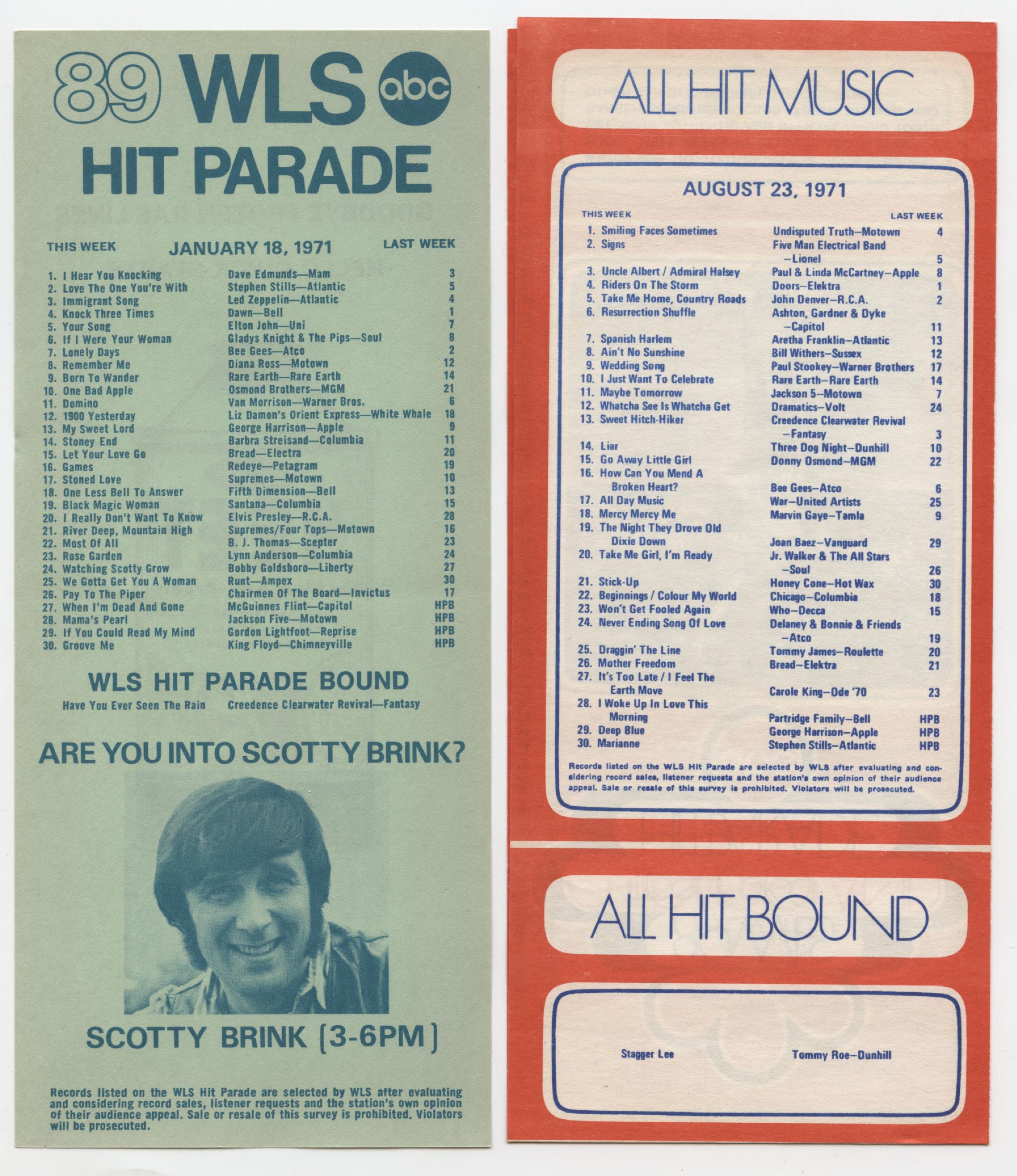
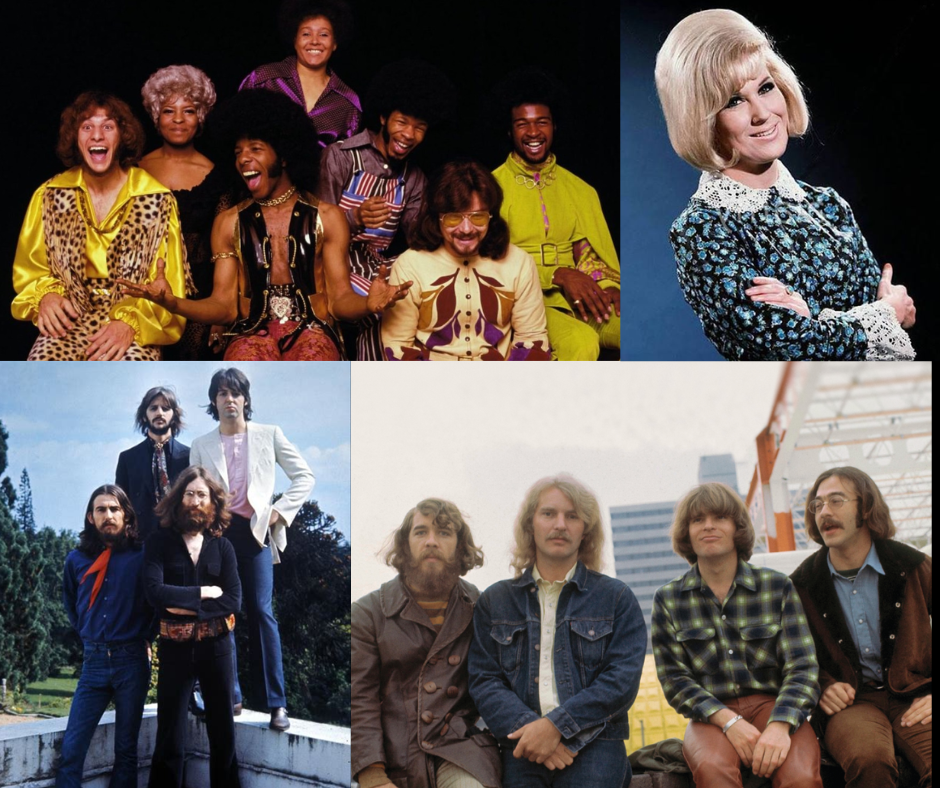
Broadcasting, Carolina Beach Music, Music, Music Countdowns, Pop Music, Radio, Shag Dancing

Colossal Carolina Beach Music Favorites

My first exposure to what is now referred to as Carolina Beach Music came during my junior year attending Glenvar High School, located in Roanoke County Virginia.  My class raised 1,700 dollars and hired vocal group the Tams to play at our May 1972 spring prom.

Our prom theme was “Be Young, Be Foolish, Be Happy” from the 1968 minor national hit song by the Tams. The vocal group from Atlanta, Georgia was well received by all who attended the Glenvar prom that year.

Photo courtesy of Susan Leonard Sanders, a classmate of mine, from her “Crusader Seventy Two” Glenvar HS yearbook. This was taken at the Glenvar High School prom during May 1972.

Obviously, I still have fond memories of the Tams performing at my high school prom and when I graduated from Glenvar in June 1973, “Be Young, Be Foolish, Be Happy” was played at the graduation ceremony.

A scan courtesy of Susan Leonard Sanders, a classmate of mine, from her “Crusader Seventy Two” Glenvar HS yearbook. These 4 photos were taken when the Tams performed at the Glenvar High School prom during May 1972.

With this month’s music blog article, I will be sharing what I consider to be my favorite songs in the Carolina Beach Music category. My top selections will be broken down into separate silos.

I will be having two countdowns in this article. First, will be national Soul/R&B/Pop hits that charted on the Billboard Hot 100. Second, I will list my top 10 favorite regional Carolina Beach Music (CBM) hits from the mid 60s through the early 80s.

One disclaimer: Carolina Beach Music is NOT associated with the Beach Boys, Jan & Dean, the Ventures and/or any other type of California west coast surfing music. “Wipeout” by the Surfaris is a completely different sub-genre of pop-rock music.

Before starting my countdowns, I need to give a brief history about Carolina Beach Music and a dance known as “Carolina Shag”, which is often shortened to “Shag.”  The term (CBM) wasn’t created until the mid 70s and the music began to take shape after World War II ended.

“Shag” dancing is performed with a partner and the dance is done primarily to beach music. According to Wikipedia, “The term “Carolina shag” is thought to have originated along the Atlantic Ocean in Cherry Grove Beach, South Carolina during the 1940s.”

Both North Carolina and South Carolina list the “Shag” as their “official dance” within those respective states.

The roots of CBM goes back in the late 40s and early 50s.  The music during the formulative years of this genre blended various types of Rock ‘n Roll, R&B, blues and pop music together.

During the late 50s and early 60s, most CBM songs were recorded by R&B artists and Shag dancing became closely associated with the sub-genre of popular music.

In viewing Britannica Dot Com, it states that WLAC Nashville, Tennessee (1510 AM) was influential in the growth of what came to be known as CBM.  “Radio station WLAC blasted 50,000 watts of varied programming, including plenty of rhythm and blues at night.

Using a directional pattern signal at night, WLAC was heard throughout Southeastern Atlantic coastal states.  DJ John R. attained fame in the 1950s and 1960s for playing rhythm and blues records on WLAC. Depending on night time atmospherics, the station could regularly reach 28 states.”

By the mid 60s, Myrtle Beach, South Carolina became the epicenter for Carolina Beach Music and Shag dancing. Clubs began popping up all along the South Carolina beach coastal towns, in a 60-mile area known as the “Grand Strand.

 Soon after, CBM and Shag dance clubs started springing up and down other Atlantic Southeastern Seaboard shore towns, from Virginia Beach, Virginia down to Southern Georgia.  Some venues also opened up in Northern Florida coastal communities.

For a more detailed look for the history of CBM and Shag dancing, I would encourage you to search the Internet. An interesting article from Beach Music Awards Dot Com can be found here.

Another excellent source for CBM can be found at Born in the Carolinas Dot Com and Junkin Oldies Dot Com by John Hook

There are two eras of Carolina Beach Music:  Classic and Modern.  The “Classic” period is defined from the late 50s until early 80s, while the “Modern” sounds of CBM stretch from the mid 80s until today.

An example of the “Modern” sound of CBM is “Over the Rainbow” by Band of Oz. My friend Chris Keaton from Vinton, Virginia, composed an award-winning rendition of “Somewhere Over the Rainbow” for the CBM group Band of Oz and he was inducted into the North Carolina Music Hall of Fame in 2016 for his achievement.

Currently, there are 13 full time CBM radio stations in the United States:  8 in North Carolina, 4 in South Carolina and 1 in Florida. Another source to hear CBM 24/7 is on an app from SiriusXM radio.  Their “Carolina Shag Radio” channel plays nonstop Carolina Beach Music favorites.

One of the radio stations playing CBM full-time is 94.9 The Surf in Myrtle Beach, South Carolina. Below is a listing of this station’s Top 10 Best “Classic” CBM songs of all-time:

#1        Ms. Grace–The Tymes

#2        Carolina Girls–Chairmen of The Board

#3        I Love Beach Music–The Embers

#4        Under the Boardwalk–The Drifters

#5        Summertime’s Calling Me–The Catalinas

#6        60 Minute Man–Billy Ward & His Dominoes

#7        Lady Soul–Temptations

#8        Sand in my Shoes –Steve Jarrell

#9        Be Young Be Foolish Be Happy–The Tams

#10      My Girl –Temptations

For the purposes of this article, my two countdowns of CBM will be from the “Classic” era of the musical genre. Please note: my article is not a definitive ranking of all songs that are found within Carolina Beach Music.

My two separate countdowns of “Classic” CBM are songs that I have selected are all personal favorites for me.  I deem each song to be culturally, historically, aesthetically significant, meaningful or relevant. 

As a prelude to my tabulations of outstanding classic CBM tunes, I am listing 12 worthy Soul/R&B/Pop national Billboard Hot 100 hits that fell just outside my dual countdowns. These songs are not ranked, but placed in a random.

Excellent Songs That Didn’t Make Either Countdown:

  • Give Me Just a Little More Time—Chairmen of the Board
  • Girl Watcher—The O’Kaysions
  • Come Get to This—Marvin Gaye
  • Hello Stranger—Barbara Lewis
  • Use Ta Be My Girl–The O’Jays
  • What Kind of Fool Do You Think I Am—Bill Deal and the Rhondels
  • 39-21-46 Shape—The Showmen
  • Double Shot (Of My Baby’s Love)—The Swingin’ Medallions
  • Apple, Peaches, Pumpkin Pie—Jay & the Techniques
  • I’ve Been Hurt—Bill Deal & the Rhondels
  • Treat Her Like a Lady–Cornelius Brothers & Sister Rose
  • (Your Love Keeps Lifting Me) Higher & Higher—Jackie Wilson

Without further ado, the first of two Carolina Beach Music countdowns begins now.

My first listing contains national Top 40 charting songs. These were originally Soul/R&B/Pop hit singles on Billboard’s Hot 100 chart. These tunes are now also considered CBM and have been adopted by those who are into Shag dancing.

10.  I Can’t Help Myself—The Four Tops  1965

One of Motown’s biggest singles of the 60s.  Ranked as the second biggest hit of 1965 by Billboard. One of the signature songs by the Four Tops.

9.    But It’s Alright—JJ Jackson  1966 & 1969

This song was a hit on two separate occasions: During 1966 and 1969. JJ Jackson is considered a one hit wonder.

8.    Gimme Little Sign—Brenton Wood   1967  

One of three Top 40 hits for Wood. Co-written by Joe Hooven, Alfred Smith and Brenton Wood. Released during the summer of love in 1967.

7.   With This Ring—The Platters  1967

Vocal group formed in 1952. Had 20 Top 40 hits during their career. “With This Ring” is now considered a classic wedding love song.

6.   Under the Boardwalk—The Drifters  1964

Song was inducted into the Grammy Hall of Fame in 2014.  Spent 3 weeks at #1 on the Cash Box R&B singles chart and peaked at #4 on the Billboard Hot 100.

5.  More Today Than Yesterday—Spiral Starecase  1969

Band originally from Sacramento, California. This feel-good song is a one hit wonder. Scored their only top 40 song back in the summer of ’69.

4.  Build Me Up Buttercup—The Foundations  1969

British soul band had the 9th biggest single of 1969 according to Billboard. A popular song this decade. Played at many wedding receptions and sporting events in 2025.

3.  This Old Heart of Mine (Is Weak for You)—Isley Brothers  1966

Soul group began as a sibling trio in the late 50s. Song was recorded on Motown’s Tamla label and featured Ronald Isley on lead vocals.

2.  What Does It Take (To Win Your Love for Me)—Jr. Walker & the All Stars  1969

Song was voted Top U.S. Soul Record of 1969. Has an outstanding saxophone solo. One of the biggest singles by Jr. Walker.

1.  My Girl—The Temptations   1965

Signature song by one of Motown Record’s biggest recording artists during the 60s.  I rate “My Girl” as the 5th best classic wedding song of the 20th century and #1 best Motown song from the Detroit years of the Motor City record company.

The second countdown is Classic CBM songs that were regional hits in Southeastern Atlantic coastal states from the mid 60s through the early 80s. Some of these songs may have also charted nationally on the Billboard Hot 100 but weren’t major hits throughout the U.S.

10.  You’re More Than a Number in My Little Red Book—The Drifters    1976

The last charting single for the R&B/Soul group actually happened in the U.K.  The Drifters were inducted into the Rock & Roll Hall of Fame in 1998.

9.    Ms. Grace—The Tymes   1974

Soul vocal group are one of the only artists to have just one chart-topping #1 hit in the U.S and the U.K. with different songs: “So In Love” in America & “Ms. Grace” in Great Britain.

8.    Sweet Virginia Breeze—Robbin Thompson & Steve Bassett. 1978

While collaborating in 1978, Richmond artists Steve Bassett and Robbin Thompson wrote “Sweet Virginia Breeze” during a rehearsal for their concert at Virginia Commonwealth University. In 2015, this anthem was designated the official popular state song of Virginia.

7.    May I—Bill Deal & the Rhondels  1969

Blue-eyed soul band from Virginia Beach, Virginia. This group covered multiple songs by the Tams. “May I” was originally recorded by Maurice Williams and the Zodiacs.

6.    Carolina Girls—General Johnson & the Chairmen of the Board  1980

Within the boundaries of North Carolina and South Carolina, this ode has remained a staple with radio airplay and among residents living in these two southern states.

5.    Ocean Boulevard—Band of Oz. 1982

A prominent band in the CBM genre. The actual Ocean Boulevard is a main highway that runs through Myrtle Beach, South Carolina.  In 1997, the group was inducted into the Beach Music Hall of Fame.

4.    Myrtle Beach Days—The Fantastic Shakers. 1980

Members of the North Carolina Music Hall of Fame. Inducted in 2017.  With Myrtle Beach being the birthplace of Shag clubs playing CBM at those establishments, this song is a favorite for those who reside along the Grand Strand of South Carolina.

3.    Summertime’s Calling Me—The Catalinas   1975

Charlotte, North Carolina CBM band was formed in the late 50s. “Summertime’s Calling Me” is regarded as one of the most influential and favorite beach music songs of all time.

2.   I Love Beach Music—The Embers

Quintessential CBM song. The band was started in Raleigh, North Carolina in 1958. They are one of the longest running beach music bands in the southern U.S. Were inducted into the North Carolina Music Hall of Fame in 2016.

1.   Be Young, Be Foolish, Be Happy—The Tams. 1980  

My #1 favorite classic CBM song of all-time is by the Tams.  The vocal group from Atlanta, Georgia formed in 1960 and still performs today, without any original members.

The Tams signature song is peppy, upbeat, full of sunshine and encourages folks to live life without regret. Without a doubt, I rate “Be Young, Be Foolish, Be Happy” as the #1 best classic “Carolina Beach Music” song ever made.

That concludes up my countdown of what I consider to be the best classic Carolina Beach Music songs.

I realize that my listing of songs in this category was written from my point of view and is subjective. My countdowns of top CBM performances are based completely upon my personal humble opinions.

If you were creating a similar listing of outstanding Carolina Beach Music songs, your tabulation may be totally different from my selections. There are no right or wrong answers. I welcome your thoughts and comments below.

I want to publicly thank my friend Jerry English of Roanoke who provided information to me for this article. He has been a DJ for hundreds of CBM gigs with Shag dancing over the past 40 years in the Roanoke Valley.

I leave you with the closing lyrics of “I Love Beach Music” written by Jackie Gore and recorded by the Embers.  Rock on!

“I love beach music, Every single day of my life, I love beach music, That old beer drinking music, shagging kind of music like you hear at OD, I’m talking about music by the Townes, the Clovers, the Catalinas, the Embers, I love beach music, You know that I do.”

To subscribe to my blog via email, please click the “Follow” button in the menu above

.

Standard
Broadcasting, Music, Music Countdowns, Pop Music, Radio, Retro Rock, rock, Rock Music

Favorite Double-Sided 45-RPM Radio Hits of the 60s and 70s

Did you ever wonder why some artists had two hits from the same 45-rpm single during the golden age of top 40 radio?  With this edition of my musical musings, I will be counting down what I consider to be some of the best two-sided radio hits from the 60s and 70s.

The first 7-inch, 45-rpm vinyl record, a format that became known as a “single,” was released by RCA Victor in March 1949. Creation of the 45-rpm single helped to change music forever.

In simple terms, record companies labeled their singles with an A-side and a B-side. Generally, songs that record labels wanted to promote as possible hits received an A-side designation while the B-side traditionally was not considered “hit material” by a record company.

It is interesting that sometimes the A-side of a single flopped while the B-side actually became a major hit record. “Na Na Hey Hey Kiss Him Goodbye” by Steam is an excellent example of the B-side of a single actually became a #1 hit while the A-side (“Sweet Laura Lee”) never charted.

Other outliers in this category:  Occasionally, the A-side of a single becomes a hit but the B-side doesn’t initially chart.  Eventually, the original B-side is re-released as an A-side single and then becomes a hit. “Another Park, Another Sunday” and “Black Water” by the Doobie Brothers are a perfect example of this phenomenon.

Some record companies regularly promoted what is known as a Double-A Single, in which both sides of the 45-rpm record were of equal importance with regard to promotion.  Most of the time, record companies released a Double-A single from an established music artist.

In the 50s and early 60s, Elvis Presley was the king of double-sided hit singles. According to Billboard magazine, Presley achieved 39 singles where both sides reached the Billboard Hot 100 chart.

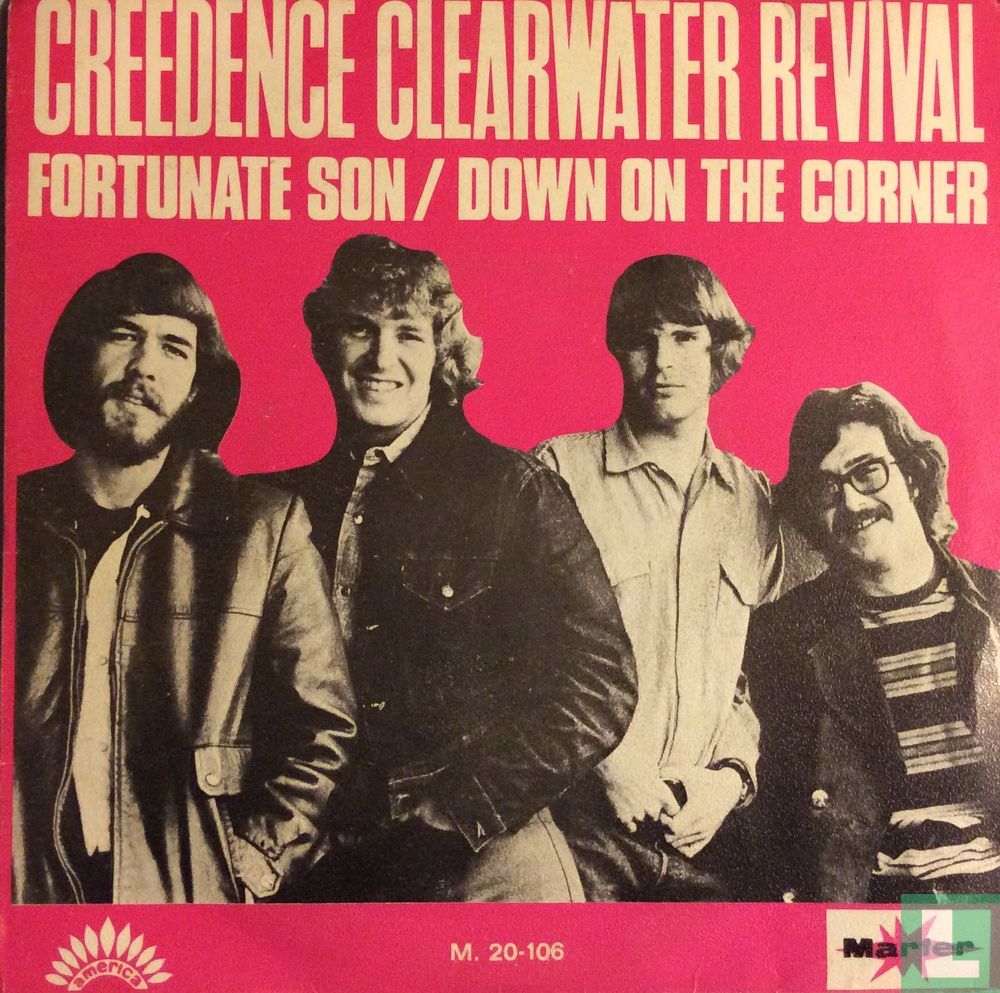
Then in the 60s, the Beatles charted 24 two-sided hits while Creedence Clearwater Revival had 7 double-sided radio hits from 1969 through 1971.

For the remainder of this message, I will be counting down what I consider to be the 5 best double-sided radio hits from the golden age of top 40 radio. 

In researching historical musical data for this article, I used “The Billboard Book of Top 40 Hits” by Joel Whitburn.  I consider Whitburn’s book to be the “bible” of Top 40 music history and I bought a second copy of this superb music guide a few years ago.

The criteria that I used for my countdown of double-sided 45-rpm singles hits:

  • Only top 40 hits in the United States from 1965 to 1975.
  • Both sides of a 45-rpm vinyl single must have charted #40 or higher on the Billboard Hot 100 chart.
  • Both sides of a 45-rpm charted #40 or higher within 6 months of the first song becoming a hit.

My countdown of the top 5 double-sided 45-rpm hits is based entirely on my opinions, songs that I consider to be my favorites. These are selections that I deem to be culturally, historically, aesthetically significant, meaningful or relevant.

Obviously, there are many more excellent double-sided hits from the golden age of top 40 radio that fell outside of my top 5 countdown. My selections below are not ranked and placed in a random order:

  • Question 67 & 68 & I’m a Man—Chicago
  • The House That Jack Built & I Say a Little Prayer—Aretha Franklin
  • All You Need is Love & Baby You’re a Rich Man—The Beatles.
  •  Up Around the Bend & Run Through the Jungle—Creedence Clearwater Revival
  •  Junior’s Farm & Sally G—Paul McCartney
  •  Pleasant Valley Sunday & Words—The Monkees
  •  Atlantis & To Susan on the West Coast Waiting—Donovan
  • There’s a Kind of Hush & No Milk Today—Herman’s Hermits
  • Green River & Commotion—Creedence Clearwater Revival
  • Get Back & Don’t Let me Down—The Beatles
  • Calypso & I’m Sorry—John Denver
  • Lookin’ Out My Back Door & Long As I Can See the Light—Creedence Clearwater Revival
  • (Sweet Baby Baby) Since You’ve Been Gone & Ain’t No Way—Aretha Franklin
  • Thank You (Falettinme Be Mice Elf Agin) & Everybody is a Star—Sly & the Family Stone
  • I’m a Believer & (I’m Not Your) Steppin’ Stone—The Monkees
  • My Sweet Lord & Isn’t It a Pity—George Harrison
  •  It’s Too Late & I Feel the Earth Move—Carole King
  • Have You Ever Seen the Rain & Hey Tonight—Creedence Clearwater Revival
  • Colour My World & Beginnings—Chicago
  • Laughing & Undun—The Guess Who
  • Paperback Writer & Rain—The Beatles
  • Who’ll Stop the Rain & Travelin’ Band—Creedence Clearwater Revival
  • Maggie May & Reason to Believe—Rod Stewart
  • So Far Away & Smackwater Jack—Carole King
  • Something & Come Together—The Beatles
  • Bad Moon Rising & Lodi—Creedence Clearwater Revival

Without further ado, my countdown of the best double-sided 45-rpm radio hits begins:

5.    Hey Jude & Revolution—The Beatles:  1968

Peak Positions on Billboard Hot 100

  • Hey Jude:  #1
  • Revolution #12

Both songs were first placed on the “Hey Jude” (original title: The Beatles Again) album, which is a collection of non-album singles and B-sides by the Beatles. Released February 1970.

These songs were recorded during the Beatles “White Album” sessions but left off the 30-track double LP (November 1968).  This Double-A sided 45-rpm single became the first Beatles’ recordings that were released on Apple Records by the band.

  • Revolution:  Co-written/credited as a John Lennon & Paul McCartney song.  It was primarily written by Lennon.

Lyrics for “Revolution” came about as some anti-war moment members were calling out for violence to achieve their goals.  Lennon, being a peace activist, believed in non-violent methods to promote peaceful transitions.

The Beatles rocked with a message of social change on this hard driving tune. I rate “Revolution” as the 8th best protest and social justice anthem from the 60s and 70s.

  • Hey Jude: Co-written/credited as a John Lennon & Paul McCartney song. It was primarily written by McCartney.

One of the signature songs for British band.  “Hey Jude” spent 9 weeks at the top of Billboard’s singles chart and is ranked as the #1 song of 1968. It also was Billboard’s biggest charting single of the 60s decade.

The Beatles successful song has been inducted into the Grammy Hall of Fame, the Rock and Roll Hall of Fame and National Academy of Recording Arts & Sciences Grammy Hall of Fame. Without a doubt, this track remains one of the Fab Four’s most enduring singles.

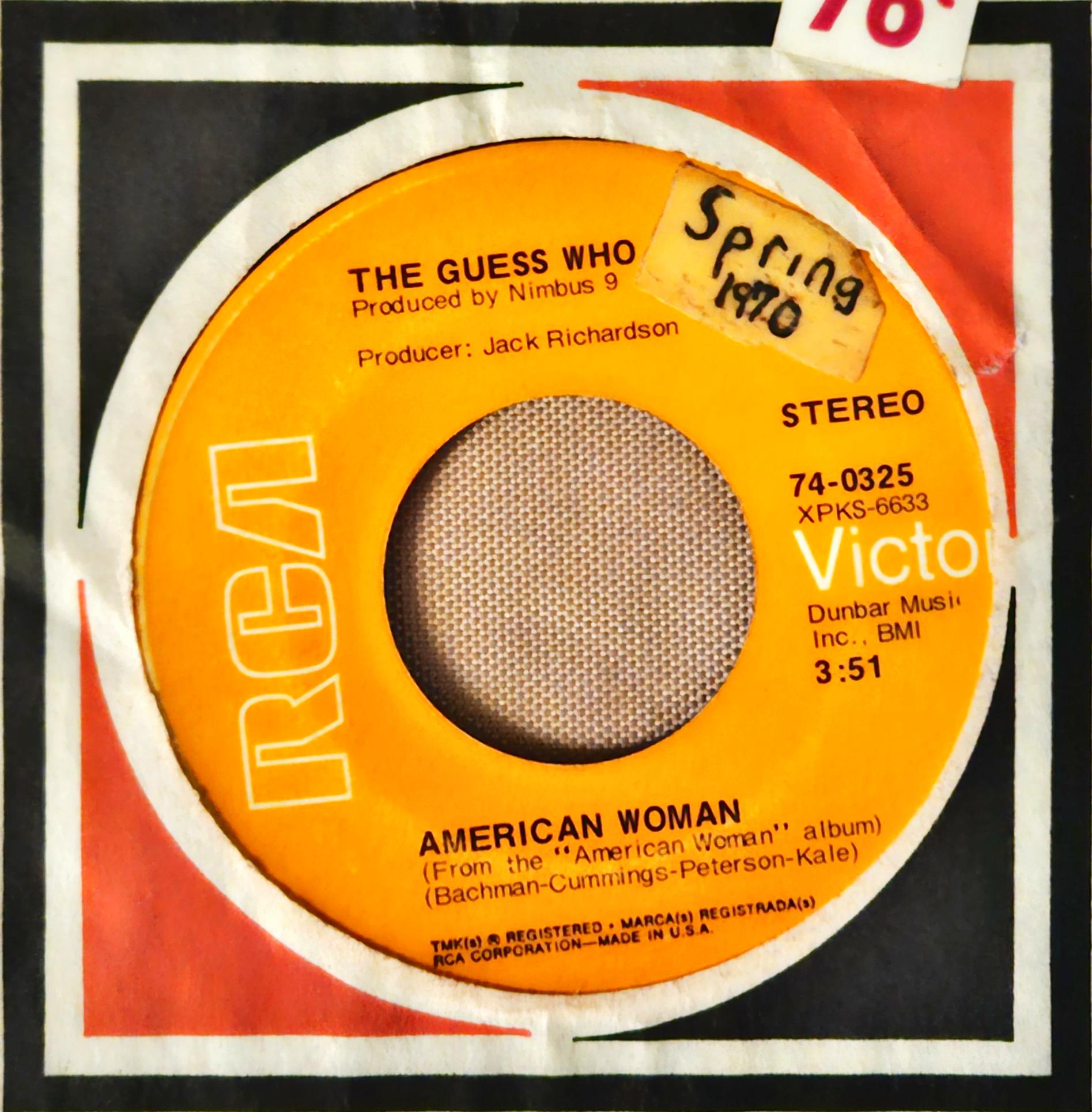
4.    American Woman & No Sugar Tonight—The Guess Who:  1970

Peak Position on Billboard Hot 100:  Both songs reached #1

These songs are found on the “American Woman” album. Released January 1970.

  • No Sugar Tonight

Released as the B-side. “No Sugar Tonight” is a stand-alone track on the 45-rpm single. However, the song is actually part of the “No Sugar Tonight/New Mother Nature” medley that is found on the Guess Who’s “American Woman” album.

Co-written by Burton Cummings and Randy Bachman. Classic rock and classic hits radio stations do not separate the “No Sugar Tonight/New Mother Nature” medley in 2025 like top 40 stations did back in 1970.

  • American Woman

Co-written by Burton Cummings, Garry Peterson, Jim Kale & Randy Bachman: According to Billboard, it was the third biggest Song of 1970 and the most popular track in the U.S. by the Canadian band.

Randy Bachman of the Guess Who stated in 2014 that “American Woman” was an anti-war protest song against the Vietnam conflict from a Canadian point of view. Of course, lyrics can also be interpreted literally as guys from Canada not wanting anything to do with women from the U.S.

3.    Wouldn’t It Be Nice & God Only Knows—The Beach Boys:  1966

Peak Positions on the Billboard Hot 100

  • Wouldn’t It Be Nice: #8
  • God Only Knows: #39

Both songs from the “Pet Sounds” album. Released May 1966

  • God Only Knows

Issued as the B-side. Co-written by Brian Wilson and Tony Asher. Like many of the songs on the Beach Boys “Pet Sounds” album, around 20 session musicians played on this orchestral masterpiece. Single is in the sub-genre Baroque pop classification.

“God Only Knows” is renowned for its beautiful harmonic structure and innovative complexity. Rolling Stone magazine ranks it at number 11 on their “500 Greatest Songs of All Time” listing and Paul McCartney proclaims the Beach Boys single to be the greatest song ever written.

  • Wouldn’t It Be Nice

 Co-written by Brian Wilson, Tony Asher & Mike Love. Wilson produced this classic “Sunshine Pop” song himself by using the “Wall of Sound” production technique, with 18 different instruments played on the track.  The Beach Boys single is considered ground-breaking and influential for future sub-genres of rock music: Power pop and progressive pop.

This track is superb and has a melodic tune and excellent vocal harmonies. Pitchfork ranks Wilson’s gem at number 7 on their “200 Best Songs of the 1960s” listing.  Without any doubt, “Wouldn’t It Be Nice” is my favorite number one, “Sunshine Pop” song of the 60s.

2.    Fortunate Son & Down on the Corner—Creedence Clearwater Revival:  1969

Peak Position on the Billboard Hot 100: Both songs reached #3.

From the “Willie & the Poor Boys” album. Released October 1969

  • Down on the Corner

Produced and written by John Fogerty.  The tune on this ditty contains a calypso beat and is a feel-good story about Willy and the Poor Boys, a fictional jug band who were street musicians. The song makes reference to a harmonica, washboard, a kazoo, a Kalamazoo guitar, and a gut bass.

Initially, “Down on the Corner” was the B-side of the CCR single. It quickly became just as popular as the A-side “Fortunate Son” song. The band came up with the name “Willie and the Poor Boys” for their 1969 album, from the lyrics to this “swamp rock” classic song.

  • Fortunate Son

Written by John Fogerty. Released in September 1969 during the peak period of American involvement in the Vietnam War, this ode quickly became an anti-war movement anthem and is considered a signature song for its author, singer-songwriter Fogerty.

The former CCR front man recently explained with a post on X, “Fortunate Son is a song I wrote during the Vietnam War, inspired by the stark contrast between those who were drafted to fight and die for their country and those who had the privilege to avoid the draft because of their wealth and connections.”

“Fortunate Son” is my favorite John Fogerty/CCR track of all-time and I rate it as the #1 best protest and social justice song of the 60s and 70s.

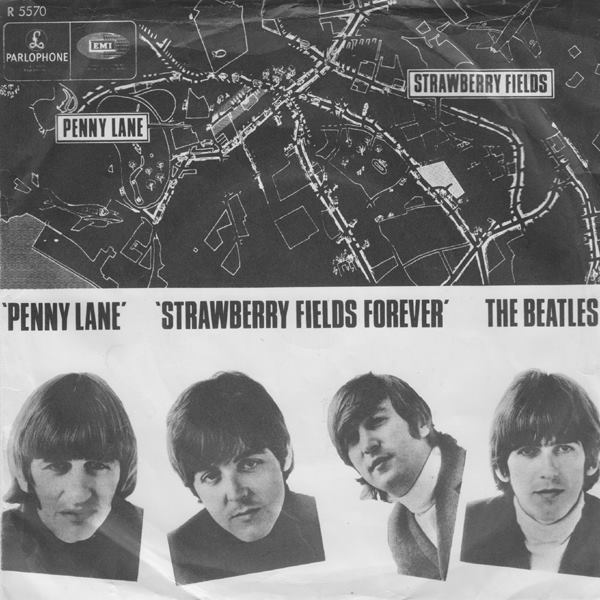
  1. Penny Lane & Strawberry Fields Forever—The Beatles:  1967

Peak Positions on Billboard Hot 100

  • Penny Lane #1
  • Strawberry Fields Forever:  #8

Both songs were placed on the “Magical Mystery Tour” (MMT) album which was divided into separate song categories:  Side 1: Soundtrack songs from “MMT” and Side 2:  Tracks from the 1967 Beatles’ non-album singles.

These songs were recorded during the “Sgt. Pepper’s Lonely Hearts Club Band” sessions but left off that 13-track album (Summer of Love 1967).

  • Strawberry Fields Forever
  • Co-written/credited as a John Lennon & Paul McCartney song.  It was primarily written by Lennon.

Double-A sided hit. John Lennon based the song on his childhood memories of playing in the garden of Strawberry Field, a Salvation Army children’s home in Liverpool, England. Musically, the sound on this song had a much different feel than any other Beatles singles released before 1967.

Strawberry Fields Gate: Liverpool, England. Photo courtesy of Dave Delaney

With a psychedelic rock sound, “Strawberry Fields Forever” was ground breaking. Beatles producer George Martin utilized diverse recording techniques such as reverse-recorded instrumentation, Mellotron flute sounds, an Indian Swarmandal (or harp), a fade-out/fade-in coda, as well as a cello and brass arrangement.

The combination of musical instruments, studio space-age sound effects and Lennon’s vocals, helped to make “Strawberry Fields Forever” a landmark recording in the psychedelic pop rock genre of music. Rolling Stone magazine ranks at #7 on their “500 Greatest Songs of All Time” list.

  • Penny Lane
  • Co-written/credited as a John Lennon & Paul McCartney song. It was primarily written by McCartney.

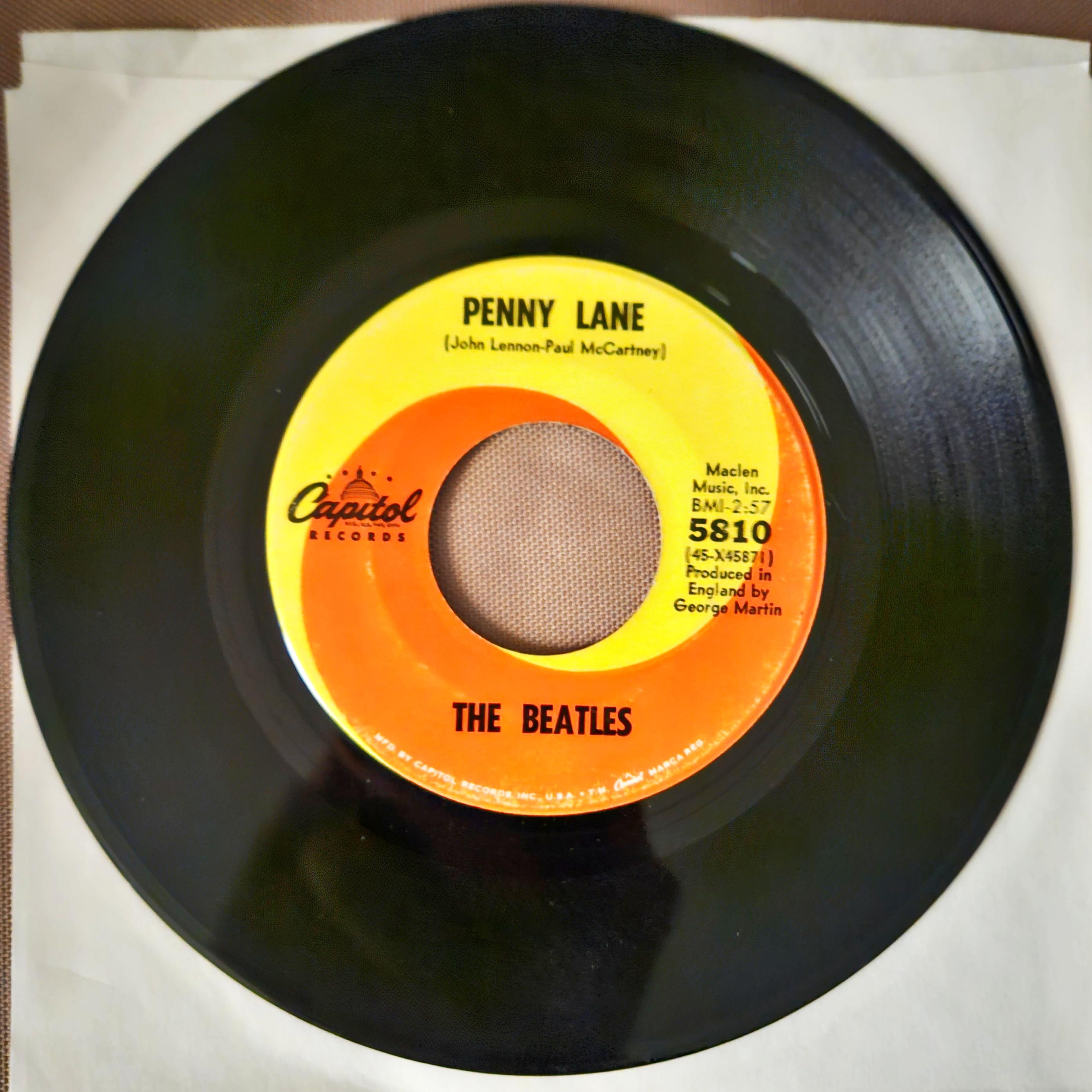
I rate “Penny Lane” as my second favorite Beatles song of all-time. The lyrics of the single refer to a street in Liverpool, and make mention of the sights and characters that Paul McCartney recalled from his upbringing in the city. 

Just like the song “Strawberry Fields Forever”, the Beatles became avant-garde pop rock composers and broke new ground with instrumentation with the recording of “Penny Lane.”  Music historians declare that the single is a cross between progressive and Baroque pop. The song was inducted into the Grammy Hall of Fame in 2011.

McCartney’s ode uses many instruments not associated with most Beatles songs: flutes, piccolos, oboes, trumpets and a flugelhorn.  It became the 13th Beatles single to peak at #1 on the Billboard Hot 100 during March 1967.

When I discovered Top 40 radio on WROV Roanoke in early 1967, the first song that I remember liking was “Penny Lane.”  Sometime in the spring of that year, I went to Sears and bought a 45-rpm single of my favorite Beatles song. It was the first vinyl record that I bought with my own money and still own it here in 2025.

Without a doubt, the Beatles, “Penny Lane/Strawberry Fields Forever” is my #1 favorite double-A sided single from the golden age of top 40 radio.

That wraps up my countdown of what I consider to be the 5 best double-sided 45 rpm singles from the golden age of Top 40 radio. I realize that my listing of songs in this category was written from my point of view and is subjective.

If you were creating a similar register of excellent double-sided singles from the 60s and 70s, your tabulation may be totally different. What do you consider to be best preeminent double-sided hit singles in this category? There are no right or wrong answers. I welcome your thoughts.

I still love all of the double-sided singles that are in my countdown above and fondly remember hearing those songs played on the radio when I was growing up. I still cherish those singles here in 2025.  Rock on!

To subscribe to my blog via email, please click the “Follow” button in the menu above.

Standard
AT40, Broadcasting, Music, Music Countdowns, Pop Music, Radio, Retro Rock, rock, Rock Music

Exceptional Rock Hits of the 90s: Not Released as Singles

Bob Dylan wrote a song called “The Times They Are a-Changin'” in the 60s about social justice issues.  In the 90s, the same type of statement could be made about pop rock music and the radio stations playing hit songs: “The times they were a changing.”

With this edition of my musical musings, I will be counting down what I consider to be the best rock hits of the 90s that were not released as singles in the United States.  My selections are from the years 1994 through 1998.

Before getting to my countdown, I will give a brief history of Top 40 radio. Looking back to 1970, Top 40 radio played a wide variety of mass appeal hits in a variation of musical genres: pop, rock, soul, R&B, country, easy listening, and adult standards.

In the early 70s, radio station playlists featured the top-selling vinyl 45-rpm singles and airplay of the 40 biggest songs. These songs were tracked nationally by Billboard and Cash Box magazines, which both published weekly surveys of the 100 biggest hits.

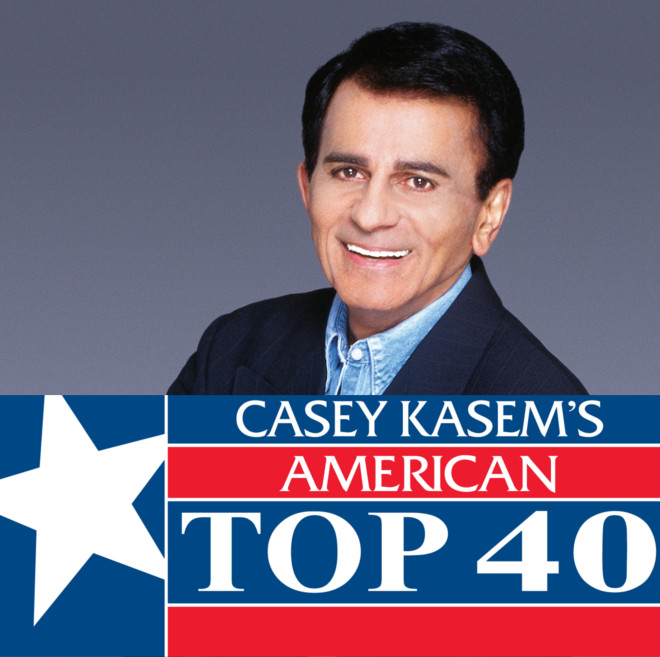
When the debut American Top 40 show happened on July 4th weekend in 1970, Casey Kasem aired the 40 biggest singles on the Billboard Hot 100 (BH100) chart. Criteria for this once-a-week survey: Only songs released as a 45-rpm single were eligible for charting on the BH100.

The Billboard rule of charting only songs released as singles on their Hot 100 survey was adopted in 1958 and was maintained until being eliminated in November 1998.

From 1970 until 1991, AT40 used the BH100 chart on its national weekly broadcasts.  Then in November 1991, AT40 stopped using the BH100 chart, switching first to Billboard’s “Hot 100 Airplay” chart and then finally to the “Mainstream Top 40” Billboard survey.

Both of these later Billboard charts were based solely on radio station airplay and the songs listed could be either a single or an album track.

On the weekend of January 28, 1995, the final episode of the original AT40 was broadcast. After a 3-year gap, American Top 40 returned with the second Casey Kasem era (1998-2004).

The evolution of Top 40 radio changed tremendously during the 70s and 80s. Stations went from being located primarily on the AM dial to high quality FM signals during this time period.

During the 80s, the Top 40 radio format became known as Contemporary Hit Radio (CHR). Stations utilizing the CHR format played current and recurrent popular hits that focused mostly on pop, rock, R&B and country crossover tunes.

By the 90s, newer sub-genres of pop-rock music became popular: Hip-Hop, Electronic, Urban, Grunge, Alternative and Modern Rock. This new diversity of music caused a large number of CHR stations to narrow their focus.

Instead of playing all the current top hits from the Billboard Hot 100 singles chart, many CHR formatted stations went away from playing mass appeal hits and splintered the songs they aired into smaller playlists.

The fractioning of the CHR format by the mid 90s had multiple stations in radio markets playing fewer songs and the music they aired tended to be mostly in a specific sub-genre of pop-rock music.

There were still successful traditional mainstream CHR stations functioning in radio markets that played a wide variety of hits in the 90s. One such station was in my hometown K92 (WXLK) 92.3 Roanoke, Virginia.

Above: A K92 Roanoke aircheck of David Lee Michaels: Summer 1981.

Photo inside of the K92 Roanoke studio in the early 90s courtesy of David Lee Michaels: From Left to Right: K92 DJ Eddie Haskell, English rock singer-songwriter and musician John Waite and K92 DJ David Lee Michaels.

K92 came on the air on New Year’s Day in 1980 with a Top 40 CHR format. This mainstream CHR outlet was the top-rated number one radio station in the Lynchburg/Roanoke market starting in 1980 and remained as the most listened to station into the early 90s.

Above: A K92 Roanoke audio clip of Ellis B Feaster: Summer 1989. Courtesy of Ellis B Feaster.

A photo I took of the K92 studio building on Electric Road in Roanoke County, Virginia. February 27, 2025.

Below is a listing of “main leaning” CHR formatted stations during the 90s and the music those outlets played:

  • Mainstream/Traditional CHR
  • Adult CHR
  • Rhythmic/Dance CHR
  • Urban CHR
  • Rock CHR

All chart documentation that I have reference below came from my personal copy of, “The Billboard Book of Top 40 Hits” by Joel Whitburn (9th edition).  I consider Whitburn’s book to be the “bible” of Top 40 music history and I bought my second copy of this superb music guide a few years ago.

Whitburn’s reference guide tabulates numeric positions for all Top 40 hits on multiple Billboard charts. When my countdown is viewed below, it may be surprising to some that these songs were not released as singles but actually album tracks that became radio hits.

In addition, my countdown of radio airplay hits is entirely based on my opinions: I consider those 20 rock songs as favorites from the 90s decade. My selections are songs that I deem to be culturally, historically, aesthetically significant, meaningful or relevant.

As I do with all of my countdowns, I document tracks that I considered but fell outside my top 20 selections. These album track hits are not ranked and are placed in a random order:

  • When I Come Around—Green Day
  • Crash into Me—Dave Matthews Band
  • Hand in My Pocket—Alanis Morissette  
  • Push—Matchbox 20
  • Buddy Holly—Weezer
  • A Long December—The Counting Crows
  • What I Got—Sublime
  • Champagne Supernova—Oasis
  • Spiderwebs—No Doubt
  • Daughter—Pearl Jam
  • Takes a Little Time—Amy Grant
  • 3 AM–Matchbox 20
  • Santa Monica (Watch the World Die)—Everclear
  • If You Could Only See—Tonic
  • Standing Outside a Broken Phone Booth with Money in My Hand—Primitive Radio Gods

Without further ado, my Top 20 countdown of the best non-singles radio hits begins:

20.  Zombie—The Cranberries 1995

Peak Positions on Billboard Charts: #1 Mainstream Rock, #18 Hot 100 Airplay

The Cranberries, an Irish alternative rock band, had a world-wide smash hit with “Zombie.” Written by band member/lead singer Dolores O’Riordan, her powerful lyrics are a furious anti-terrorism lament, protesting bombs exploding in England by the Irish Republican Army that killed two children.

19.  Closing Time—Semisonic 1998

Peak Positions on Billboard Charts: #1 Mainstream Rock, #4 Hot 100 Airplay

Rock band trio from, Minneapolis, Minnesota. This ballad has multiple meanings according to Semisonic’s songwriter Dan Wilson: 1.  Imagery of bouncers yelling “closing time” and people leaving bars. 2. About childbirth, with a pun on being “bounced from the womb”. Tune was nominated for a Grammy Award (Best Rock Song).

18.  Black Hole Sun—Soundgarden 1994

Peak Positions on Billboard Charts: #1 Modern Rock (7 weeks) #9 Hot 100 Airplay

Grunge Rock band from Seattle, Washington. Penned by Soundgarden’s singer-songwriter and guitarist Chris Cornell. Signature song by the band was the number 1 biggest album track on Billboard’s Modern Rock chart in 1994.

17.  Mr. Jones—The Counting Crows 1994

Peak Positions on Billboard Charts: #1 Modern Rock, #2 Hot 100 Airplay

Breakthrough hit by San Francisco, California rock band. From the album “August and Everything After.” Received a MTV Video Music Award for “Best New Artist” category with their hit.

16.  Walking on the Sun—Smash Mouth 1997

Peak positions on Billboard Charts: #1 mainstream Rock, #2 Hot 100 Airplay

Power pop rock band from San Jose, California. Debut hit was written by Smashmouth’s Greg Camp, after learning about Rodney King as a victim of police brutality in Los Angeles, California. A catchy, infectious track.

15.  Lightning Crashes—Live. 1994

Peak Positions on Billboard Charts: #1 Modern Rock (9 weeks), #1 Rock Tracks (10 weeks), #12 Hot 100 Airplay

York, Pennsylvania alternative rock band. Primarily written by lead singer Ed Kowalczyk but is credited to all 4 members of Live. The band dedicated this hit to a mutual high school friend, 19 year old Barbara Lewis who was killed by a drunk driver in 1993.

14.  Love Will Keep Us Alive—Eagles. 1994

Peak Positions on Billboard Charts: #1 Adult Contemporary (3 weeks), #22 Hot 100 Airplay

The Southern California rock band had been on hiatus since 1980 and formally reunited in 1994. This soft rock hit introduced a new generation to Eagles music. Bassist Timothy B. Schmidt is on lead vocals with a song nominated for a Grammy Award in 1995.

13.  How Bizarre—OMC. 1996

Peak Positions on Billboard Charts: #1 Mainstream Rock, #4 Hot 100 Airplay

OMC: aka (Otara Millionaires Club) was a New Zealand band. Started as a trio, then became a duo. When “How Bizarre” reached the top spot on Billboard’s Mainstream Rock survey, ONC became the first New Zealand artist ever to reach the a number 1 position with any Billboard chart. Received a MTV Video Music Award.

12.  Good Riddance (Time of Your Life)—Green Day. 1998

Peak Positions on Billboard Charts: #7 Mainstream Rock, #11 Hot 100 Airplay

Alternative California rock band switched things up for this ballad. The track was an unusual composition for Green Day: it had sparse instrumentation. Songwriter Billie Joe Armstrong plays acoustic guitar while a string arrangement was added into the mix. It has become a classic 90s folk-rock tune.

11.  Lovefool—The Cardigans. 1997

Peak Positions on Billboard Charts: #3 Hot 100 Airplay, #4 Mainstream Rock

Swedish rock band provided a pure pop song with “Lovefool.” Written by band members Nina Persson and Peter Svensson. Musically upbeat and lyrics that are sad, bittersweet and a little quirky. Billboard rates it as the 4th best hit with their “100 Best Pop Songs of 1997” listing.

10.  Interstate Love Song—Stone Temple Pilots. 1994

Peak Positions on Billboard Charts: #1 Mainstream Rock (15 Weeks), #18 Hot 100 Airplay

San Diego Grunge rock band. Track is from the album “Purple.” Written by Stone Temple Pilots singer-songwriter Scott Weiland. The signature song by the band is considered one of the best rock hits of the 90s by many music historians.

9.    Until I Fall Away—Gin Blossoms

Peak positions on Billboard Charts: #13 Mainstream Rock, #13 Hot 100 Airplay

Throwback power pop rock band from Tempe, Arizona. Musically, Gin Blossoms’ music featured chiming guitars, superb harmonies and catchy melodies. The band achieved 3 other hit songs during the 90s decade.

8.    What Would You Say—Dave Matthews Band 1994

Peak Positions on Billboard Charts: #5 Mainstream Rock, #9 Hot 100 Airplay

The first of two Dave Matthews Band songs on my countdown. Track from the “Under the Table and Dreaming” album. This track lifted the Charlottesville, Virginia rock/jazz/jam group into national prominence. Blues Traveler member John Popper plays harmonica on this tune.

7.    Torn—Natalie Imbruglia. 1998

Peak Positions on Billboard Charts: #1 Hot 100 Airplay, #1 Mainstream Rock

Natalie Imbruglia is an Australian and British singer-songwriter and actress. “Torn” was a huge international hit. It is considered a perfect acoustic pop rock track of the 90s. It received a Grammy nomination in 1999 and won a MTV Video Music Award (Best New Artist).

6.    A Change Would Do You Good—Sheryl Crow 1997

Peak Positions on Billboard Charts: #1 Mainstream Rock, #5 Hot 100 Airplay

Singer-songwriter and musician Sheryl Crow flowed easily into multiple genres of music during her career: rock, pop, folk and country. The artist plays bass and organ on this straight up, toe-tapping rock track. Additional guitars by Jeff Trott and Todd Wolfe fill out this outstanding tune.

5.    You Oughta Know—Alanis Morissette 1995

Peak Positions on Billboard Charts: #2 Mainstream Rock, #3 Hot 100 Airplay

In the mid-90s, Canadian singer-songwriter Alanis Morissette was the queen of angst rock. The track’s hard hitting confessional lyrics about an ex-boyfriend is performed with passion. It won two Grammy Awards for “Best Rock Song” and “Best Female Rock Vocal performance.” Rolling Stone magazine rates “You Oughta Know” at #103 on their “500 Greatest Songs of All Time” listing.

4.    Ants Marching—Dave Matthews Band 1995

Peak Positions on Billboard Charts: #19 Hot 100 Airplay, #21 Mainstream Rock

Virginia’s most prominent rock band of the 20th century has their second hit on my countdown. Written by Dave Matthews, the singer-songwriter considers “Ants Marching” as the official anthem for his band. The music mix of guitar, saxophone and violin is superb on this uptempo jam.

3.    Don’t Speak—No Doubt 1996

Peak Positions on Billboard Charts: #1 Hot 100 Airplay (16 Weeks), #2 Modern Rock

No Doubt was a hybrid rock band that played a combination of pop, rock, new wave, ska and alternative musical genres. Siblings Gwen and Eric Stafani wrote “Don’t Speak” which was a breakup song. It was nominated for 2 Grammy Awards and became the signature song for the California band.

2.    One Headlight—The Wallflowers 1997

Peak positions on Billboard Charts: #1 Hot 100 Airplay, #1 Mainstream Rock, #1 Adult Album Alternative

Jakob Dylan is a co-founder, lead vocalist, guitarist, and principal songwriter of the Wallflowers. His father is the legendary music icon Bob Dylan. “One Headlight” became the first song to reach #1 on all three of Billboard’s rock charts. The track won 2 Grammy Awards: for “Best Rock Song” and “Best Rock Performance.”

1.    Iris—Goo Goo Dolls. 1998

Peak Positions on Billboard Charts: #1 Hot 100 Airplay (17 Weeks), #1 Mainstream Rock (5 Weeks)

My #1 selection is “Iris” by Goo Goo Dolls. Formed in Buffalo, New York, during 1986, the alternative rock group still is a functioning as a band here in 2025. Their 1998 track is their signature song.

“Iris” is a power ballad and was featured in the film, “City of Angels.” It received 2 Grammy nominations and in 2012 Billboard ranked the track as #1 on the chart listing “Top Pop Songs: 1992-2012.”

Anyone that listened to CHR or rock formatted radio stations in 1998, would have heard this song on a regular basis. Without a doubt, “Iris” by the Goo Goo Dolls” is my #1 greatest rock hit of the 90s not released as a single.

That wraps up my countdown of what I consider to be the best rock radio hits in the 90s not released as singles.

If you have any thoughts about CHR radio and the music played on those stations during the 90s decade, please submit your comments on this topic. I look forward reading your opinions.

As always, I appreciate everyone who reads and subscribes to DJ Dave’s Musical Musings.  I am grateful.  Rock on!

To subscribe to my blog via email, please click the “Follow” button in the menu above.

Standard
Broadcasting, Music, Music Countdowns, Pop Music, Radio, Retro Rock, Rock Music

Best Protest and Social Justice Anthems: Hits of the 60s and 70s

When I was growing up in the late 60s and early 70s, it was a tumultuous time in the United States and my country was dominated by political and social unrest.

During the 1965 to 1975 time period, there were 3 main protest movements that happened simultaneously in America:  Anti-war sentiments with U.S. involvement in the Vietnam conflict, Black civil rights activism and women’s rights issues.

Many in the music industry started writing songs that addressed these pressing, controversial topics by recording music that promoted hope, empowerment, love, and encouragement to press on for change.

Top 40 radio provided an outlet for artists to reach large audiences with concerns that many Americans shared from all walks of life: folks hoping that change would take place in the future.

With this edition of my musical musings, I will be counting down what I consider to be the best protest and social justice anthems that were played on Top 40 radio from 1965 to 1975.

For the rest of this message, I will be counting down my favorite Top 20 singles of protest and social justice songs.  The sole criterion I utilized with song tabulation for the countdown is that the song must have peaked at #40 or higher on the Billboard Hot 100 between the 1965 to 1975 time period.

As I surveyed the prominent songs in this category, the countdown is entirely based on my opinions. The songs that I selected are singles that I deem to be culturally, historically, aesthetically significant, meaningful or relevant.

Before I start my countdown, I want to share what I consider to be four foundational protest and social justice songs between 1960 and 1964. These selections are building blocks for songs popular from the mid 60s to mid 70s.

  • Blowin’ in the Wind—Bob Dylan

Written by Bob Dylan.  Protest song asking rhetorical questions on topic of freedom, peace and war. Made popular by Peter Paul & Mary. Their 1963 cover of ‘Blowin’ in the Wind” reached #2 on Billboard Hot 100. One of Dylan’s signature songs. Inducted into the Grammy Hall of Fame.

  • We Shall Overcome—Joan Baez 

Written by Charles Albert Tindley. Originally a gospel song.  Modern version of tune made famous by Pete Seeger. Became associated with the 60s civil rights movement. Joan Baez sang song in front of the Lincoln Memorial during the March on Washington Civil Rights protest in August 1963.

  • A Change is Gonna Come—Sam Cooke

Written by Sam Cooke.  This song is the crown jewel of all songs written by the “King of Soul.”

Lyrics were inspired by multiple real-life discrimination against Cooke during the 60s. Tune became hope for the Civil Rights Moment. It’s ranked as the third “Greatest Song of All Time” by Rolling Stone magazine.

  • Where Have All the Flowers Gone—Pete Seeger

Written By Pete Seeger.  Lyrics are an anti-war protest, highlighting death and destruction upon the effects of war.  Many artists have covered the song with Peter Paul & Mary and the Kingston Trio having the most popular versions in the 60s. Song was inducted into the Grammy Hall of Fame in 1973.

There are also two excellent protest and social justice songs that were not top 40 hits but are memorable singles I want to highlight:

  • Requiem for the Masses—The Association

Written by Terry Kirkman. A member of the Association. The song references war, racism and protesting network TV news reporting of the Vietnam conflict. The tune has requiem-style vocals that depict thousands of fallen dead soldiers coming back to the U.S. to be buried.

  • 7 O ‘Clock News/Silent Night—Simon & Garfunkel

Co-written by Josef Mohr & Franz Gruber. The Paul Simon & Art Garfunkel duo sing the traditional Christmas carol “Silent Night” while simultaneously an announcer reads actual news events that happened during the summer of 1966.  The 7 O ‘Clock dialogue features prominent news about Martin Luther King, Jr, the Civil Rights Moment and info about the Vietnam War

I have one more outstanding protest song to share before the countdown starts:

  • Signs–Five Man Electrical Band

One of my favorite singles of 1971 is a protest on the topic of signs. Musician and lead vocalist Les Emmerson from Canadian group Five Man Electrical Band, wrote this song after traveling on U.S. Route 66 in California and seeing multiple large billboards blocking the natural scenic beauty along the historic highway.

Without further ado, my Top 20 countdown of best protest and justice songs begins:

20.  Eve of Destruction—Barry McGuire  1965

Written by P.F. Sloan:  Peak Positions on Billboard Charts: #1 Hot 100, 29th Biggest song of 1965

Co-written by Dennis Lambert & Brian Potter:   This ode mentions many hot button topics: Vietnam War, drafting of soldiers, the Civil Rights Movement, Nuclear War, U.S. space program and war in the Middle East. Barry McGuire’s song is a one hit wonder. He went on to record Jesus Music in the 70s.

19.  One Tin Soldier—The Original Caste:  1969

Co-written by Dennis Lambert & Brian Potter:  Peaked by #26 on Billboard Hot 100

The Original Caste was a Canadian group and their anti-war song is about a fictional kingdom that had a great treasure. Warring tribes fight, killing and destroying all foes in order to obtain the treasure. When the treasure is conquered, the rock has a message, “Peace on earth.” Overall message of the lyrics:  The war was pointless.

18.  Sweet Cherry Wine—Tommy James & the Shondells  1969

Co-written by Richard Grasso & Tommy James:  Peaked at #7 on Billboard Hot 100

Lyrics of “Sweet Cherry Wine” had multiple meanings. It directly declares an anti-war message, as the Vietnam conflict was happening in the late 60s. Tommy James also said in 2012 that his song refers to the blood of Jesus that Christians celebrate as Holy Eucharist or Holy Communion.

17.  Inner City Blues (Make Me Wanna Holler)—Marvin Gaye  1971

Co-written by James Nyx Jr. & Marvin Gaye:  Peaked at #14 on the Billboard Hot 100

From the landmark “What’s Going On” concept album by Marvin Gaye. This song depicts horrid living conditions, extreme poverty and economic despair for people living in American inner-city ghettos.  It was the third consecutive hit by Gaye to reach #1 on the Billboard Hot R&B Singles chart in 1971.

16.  American Woman—The Guess Who. 1970

Co-written by Burton Cummings, Garry Peterson, Jim Kale & Randy Bachman:  Peak Positions on Billboard Charts: #1 Hot 100, 3rd Biggest Song of 1970.

Randy Bachman of the Guess Who stated in 2014 that “American Woman” was an anti-war protest song against the Vietnam conflict from a Canadian point of view. Of course, lyrics can also be interpreted literally as guys from Canada not wanting anything to do with women from the U.S. The single became the biggest hit on the Billboard Hot 100 by the Canadian rock band.

15.  Give Peace a Chance–John Lennon & the Plastic Ono Band  1969  

Co-written by John Lennon and Yoko Ono:  Peaked at #14 on Billboard Hot 100

During John Lennon and Yoko Ono’s honeymoon in 1969, the newly married couple held a “bed-in” peace rally in Montreal, Canada.  “Give Peace a Chance” was recorded in a hotel room with a group of friends and acquaintances. It became an anthem for the anti-war movement in America.

14.  Living for the City—Stevie Wonder:  1973

Written by Stevie Wonder:  Peak Positions on Billboard Charts:  #8 Hot 100, 45th Biggest Song of 1974

An epic story about a poor Black man from Mississippi moving to New York City who took a job with low wages. He eventually faces racial injustice, police brutality and a corrupt criminal system.  Stevie Wonder won two Grammy Awards for his written story song.

13.  People Get Ready—Curtis Mayfield & the Impressions  1965

Written by Curtis Mayfield: Peaked at #14 on the Billboard Hot 100

A gospel influenced song of social and political awareness.  After Curtis Mayfield’s song was released, Martin Luther King Jr. named “People Get Ready” as the “Unofficial Civil Right Movement Song.”  Rolling Stone rates it at #24 on their “Greatest Songs of All Time” listing.

12.  Imagine—John Lennon  1971

Co-written by John Lennon & Yoko Ono: Peaked at #3 on the Billboard Hot 100

Best-selling single in the solo career of John Lennon.  Lyrics are a call for world peace:  one world, one country, one people. “Imagine” is ranked as the third “Greatest Song of All Time” by Rolling Stone and is considered Lennon’s masterpiece signature song.

11.  Get Together—The Youngbloods  1967

Written by Chet Powers:  Peak positions on Billboard Charts:  #5 Hot 100, 16th Biggest Song of 1969

An appeal for peace, love, tranquility and brotherhood are all captured on this only top 40 hit by the Youngbloods. Originally released during the summer of love in July 1967, this folk-rock tune actually didn’t become a hit until two years later, back in the summer of ’69.

10.  Abraham Martin & John—Dion:  1968

Written by Dick Holler:  Peaked at #4 on the Billboard Hot 100

A tribute to four men who were assassinated:  Abraham Lincoln, John F Kennedy, Martin Luther King, Jr. and Robert F Kennedy.  Was written after the assassinations of MLK and RFK in the summer of 1968. All 4 leaders were icons of social change. Gone but not forgotten.

9.   Respect—Aretha Franklin   1967

Written by Otis Redding:  Peak Positions on Billboard Charts:  #1 Hot 100, 13th Biggest Song of 1967

Aretha Franklin took Otis Redding’s “Respect” and made it her own song. It became an anthem for Black Civil Rights and Women’s Rights, especially workplace equality, protection from domestic violence and sexual assault/harassment issues.  Rolling Stone magazine rates “R-E-S-P-E-C-T” as the #1 greatest song of all time.

8.   Revolution—The Beatles:  1968

Co-written/credited as a John Lennon & Paul McCartney song.  It was primarily written by Lennon. Peaked at #12 on the Billboard Hot 100

Lyrics for “Revolution” came about as some anti-war moment members were calling out for violence to achieve their goals.  Lennon, being a peace activist, believed in non-violent methods to promote peaceful transitions. The Beatles rocked with a message of social change on this hard driving tune.

7.   War—Edwin Starr. 1970

Co-written by Norman Whitfield & Barrett Strong:  Peak Positions on Billboard Charts: #1 Hot 100, 5th Biggest Song of 1970

“War, huh, yeah, What is it good for? Absolutely nothing!” is the chorus to one of the most renowned anti-war protest songs of the 20th century.  Edwin Starr delivers powerful vocals and expresses anger, frustration and moral conviction with this outstanding Motown Records gem.

6.   Ohio—Crosby Stills Nash & Young  1970

Written By Neil Young:  Peaked at #16 on the Billboard Hot 100

When Neil Young saw photos in Life Magazine about the Kent State University tragedy of 4 students being killed by National Guard soldiers, he wrote lyrics that expressed horror, rage and disgust about the May 4, 1970 event. Some music historians proclaim that “Ohio” is the greatest protest song of the 20th century.

5.   Ball of Confusion (That’s What the World is Today)—The Temptations  1970

Co-written by Norman Whitfield & Barrett Strong: Peak Positions on Billboard Charts: #2 Hot 100, 24th Biggest Song of 1970

Psychedelic soul that mentions a wide variety of topical issues. It was an age of discontent with the world spinning out of control.  “Ball of Confusion” was archetypical of social justice Motown songs that were produced in the late 60s and early 70s.

4.   For What It’s Worth—Buffalo Springfield  1967

Written by Stephen Stills:  Peak Positions on Billboard Charts: #7 Hot 100, 27th Biggest Song 1967

This protest song was originally written by Stephen Stills about curfew riots that happened at Sunset Strip in Los Angeles in November 1966.  After the tune became a hit, it was associated with Vietnam War protests, with young people clashing with police during the late 60s counterculture era.

3.   People Got to Be Free—The Rascals  1968

Co-written by Felix Cavaliere & Eddie Brigati:  Peak positions on Billboard Charts:  #5 Hot 100, 5th Biggest Song of 1968 

 Written on May 14, 1968, between the assassinations of Martin Luther King, Jr and Robert F Kennedy.  The message promoted tolerance, freedom and brotherhood of all mankind. Released during the turbulent summer of 1968, “People Got to Be Free” became an anthem of hope for young Americans.

2.   What’s Going On—Marvin Gaye  1971

Co-written by Al Cleveland, Renaldo & Marvin Gaye:  Peak Positions on Billboard Charts:  #2 Hot 100, 21st Biggest Single of 1971

1971 was a troublesome time in America.  Marvin Gaye’s socially conscious song “What’s Going On” accurately captured the pulse of turmoil that prevailed in our country.  Police brutality, violence in the streets and American involvement in the Vietnam War are all topics on this protest tune.

“What’s Going On” is among the best and most loved tunes in Motown musical history. Rolling Stone ranks it at number 6 on the, “500 Greatest Songs of All Time” listing.  Numerous other music publications place the tune among the best songs from the 20th Century. It remains a crown jewel of the best songs ever recorded by Gaye.

  1. Fortunate Son—Creedence Clearwater Revival  1969

Written by John Fogerty:  Peaked at #3 on the Billboard Hot 100

My #1 protest and social justice song is “Fortunate Son” by Creedence Clearwater Revival (CCR).  Released in September 1969 during the peak period of American involvement in the Vietnam War, this ode quickly became an anti-war movement anthem and is considered a signature song for its author, singer-songwriter John Fogerty.

As Fogerty explained with a post on X, “Fortunate Son is a song I wrote during the Vietnam War, inspired by the stark contrast between those who were drafted to fight and die for their country and those who had the privilege to avoid the draft because of their wealth and connections.”

In 2013, Fogerty’s song was added to the National Recording Registry by the Library of Congress and it is widely regarded as the best overall song ever written by Fogerty. Without a doubt, I rate “Fortunate Son” as my favorite John Fogerty/CCR track of all-time and it is the #1 best protest and social justice song on my 60s and 70s countdown.

That wraps up what I consider to be my favorite and best 60s and 70s protest and social justice songs.  I completely understand that my listing of songs in this category was written from my point of view and is subjective.

If you were creating a similar register of excellent protest and social justice singles, your tabulation may be totally different. What do you consider to be best preeminent singles in this category?

I have passionate memories of the protest and social justice songs that I have shared in this article.  Without a doubt, I still cherish and fondly remember my countdown singles to this day.  Rock on!

To subscribe to my blog via email, please click the “Follow” button in the menu above.

Standard
Album Review, Broadcasting, Music, Music Countdowns, Pop Music, Radio, Retro Rock

The Beatles Abbey Road Album at 55

Photo above:  Yours truly, DJ Dave with my three-year old dog Abbey Road, whom I named after the legendary album by the Beatles. Photo credit: Stephanie Woodson.

It is hard to believe that it has been 55 years since the Beatles “Abbey Road” (AR) album was released during the fall of 1969.  Arguably, the last studio album that was recorded by the British rock band is among the most renowned rock albums from the late 60s.

The “Abbey Road” album had two release dates:  In the United Kingdom, the LP came out on September 26, 1969 while in the United States, AR became available almost a week later on October 1st.

On this 55th anniversary of the 1969 Beatles album, I am sharing my thoughts on how the music of Abbey Road has aged, along with historical significance of individual songs.  I will also have a countdown on what I consider to be the 8 best full-length tracks on AR.

 I must note: this message is not a review of the Fab Four’s AR album.  For those wanting to read opinions on the 1969 LP, there are plenty of online sources to view what others have written about “Abbey Road.”

The Beatles masterpiece LP is rated at #5 on Rolling Stone magazine’s “500 Greatest Albums of All Time” listing. Most music historians in 2024 praise AR as an outstanding Fab Four compilation.  

“Abbey Road” contains 17 songs: It starts with 8 full-length tracks and ends with a 16-minute medley of 9 short songs. I will be describing the AR songs in a couple of groupings.

The first category will be breaking down the 9-song medley, while in the second section I will countdown my ranking of the AR 8 full-length tracks.

Here are the 9 medley songs:

  • You Never Give Me Your Money
  • Sun King
  • Mean Mr. Mustard
  • Polythene Pam
  • She Came in Through the Bathroom Window
  • Golden Slumbers
  • Carry That Weight
  • The End
  • Her Majesty

As I recently re-listened to the Beatles 16-minute medley, I came away appreciating the brilliance of what some have nicknamed “The Abbey Road Suite.”

I believe the AR medley was a foundational building block for the progressive rock sub-genre of music that became popular in the early 70s. This outstanding medley utilizes a variety of musical instruments, many that weren’t normally associated with pop rock sounds in 1969.

Some main characteristics of the 9-song medley and interesting facts:

  • Classical and jazz music elements
  • Multiple tempo changes within songs
  • Subject matter with lyrics in songs are mostly unrelated
  • Songs tied together by chord transitions and/or sound effects
  • The last song “Her Majesty” is considered a “hidden track” and is only 14 seconds long

My favorite 3 songs on the medley are “Golden Slumbers/Carry that Weight/The End.”  I have seen Paul McCartney twice in concert during the past ten years and at both shows, he ended his encore performance with these 3 songs from the AR medley.

Now it is on to my countdown of the 8-full-length tracks on AR.  Here are the songs in order of placement on the album:

  • Come Together
  • Something
  • Maxwell’s Silver Hammer
  • Oh! Darling
  • Octopus’s Garden
  • I Want You (She’s So Heavy)
  • Here Comes the Sun
  • Because

My countdown goes from what I consider to be the least significant song to the number 1 overall best Beatles track on “Abbey Road.”

8.    Maxwell’s Silver Hammer

Primarily written by Paul McCartney 

Credited as a Lennon/McCartney written song

McCartney has lead vocals on song

A tune that has an upbeat sound, is catchy and sounds pleasant but the song is actually Paul McCartney’s contribution to “death pop.”  A student named Maxwell Edison commits homicides with a hammer.  Ringo Starr cleverly plays an anvil on this avant-garde ode.

 7.    Octopus’s Garden

Written by Ringo Starr & Beatles drummer sings lead vocals

This whimsical ditty was only the 2nd song written by Ringo recorded by the Beatles.  Starr created “bubbling sound effects” for his country flavored tune. Jim Henson’s Muppets covered the song with multiple Sesame Street videos.  Starr published a children’s book called “Octopus’s Garden” in 2013.

6.     Because

Primarily written by John Lennon

Credited as a Lennon/McCartney written song

Lennon has lead vocals on song

The Beatles Bible states that John Lennon wrote “Because” after he heard Yoko Ono play Ludwig van Beethoven’s Moonlight Sonata on a piano. The track features a harpsichord and Moog synthesizer. Has dreamy 3-part harmonies by Harrison, McCartney and Lennon.

5.    I Want You (She’s So Heavy)

Primarily written by John Lennon

Credited as a Lennon/McCartney written song

Lennon has lead vocals on song 

An almost 8-minute tune. Written as a love song to Yoko Ono by John Lennon. It incorporates progressive rock sounds. The most psychedelic composition on the AR album. Billy Preston is guest organist. Multi-tracked guitars, driving bass and a Moog synthesizer blend together for a superb musical delight.

4.    Oh! Darling

Primarily written by Paul McCartney

Credited as a Lennon/McCartney written song

McCartney has lead vocals on song

The British band paid tribute to 50s rock ‘n’ roll, R&B and doo-wop sounds on this throwback track with a catchy melody. The Trio of Lennon, Harrison and McCartney recorded outstanding three-part doo-wop vocal harmonies to backup Sir Paul’s larynx-shredding lead vocals.

3.    Come Together

Primarily written by John Lennon

Credited as a Lennon/McCartney written song

Lennon has lead vocals on song

“Come Together” was released as a double-A-sided 45-rpm single along with “Something” on October 6, 1969. It peaked at #1 on the Billboard Hot 100. Hard driving blues rock tune. Paul McCartney’s exceptional melodic bass line riff rocks on this tune.

Who knows what this John Lennon sardonic nonsensical lyric actually means? The phrase, “Here comes old flat-top” is a direct quote from Chuck Berry’s, 1956 song “You Can’t Catch Me.”  Ringo Starr proclaimed in 2021 that “Come Together” was his favorite Beatles song of all time.

2.    Something

Written by George Harrison & Beatles guitarist sings lead vocals

“Something” was released as a double-A-sided 45-rpm single along with “Come Together.”  This George Harrison penned love ballad to his first wife Pattie Boyd, is the only Beatles #1 song not written by Lennon/McCartney.

The opening lyric was taken from the title of “Something in the Way She Moves”, a track by another Apple Records artist James Taylor. Harrison’s guitar riffs on this tune are exquisite.

 This song received the Ivor Novello Award for “Best Song Musically and Lyrically” in 1969, ranked as the 17th-most recorded song of the 20th century and is #110 on Rolling Stone Magazine’s “500 Greatest Songs of All Time” listing.

  1.   Here Comes the Sun

Written by George Harrison & Beatles guitarist sings lead vocals

Without a doubt, I consider “Here Comes the Sun” as the best song on “Abbey Road.”  I place this melodic acoustical tune as my 5th favorite Beatles song of all-time.

Together with his second contribution to AR, “Something”, many music historians place Harrison’s song-writing on par with that of Lennon & McCartney.  The “Quiet Beatle” wrote his beloved composition when he was outside visiting his friend Eric Clapton’s home in early 1969.

An exceptional acoustic guitar part by Harrison was enhanced by producer George Martin’s hiring of an orchestra of violas, cellos, piccolos, flutes and clarinets.  It gives this cheerful pop song a classical feel.

During the 21st century, Harrison’s track is the most streamed Beatles song on Spotify and other online music platforms around the world.  Folks of all ages love the positive, encouraging message of Harrison’s number 1 AR song on my countdown: “Here Comes the Sun.

That wraps up my musical musings of the Beatles “Abbey Road” album at 55.  I look forward reading your comments below on any aspect of AR, including what you consider to be the best song on the album.

As music historians state, the Beatles had much tension when recording tracks for “Abbey Road” and were on the verge of breaking up.  Hardly anyone knew that AR would be the swansong achievement for the greatest rock band of the 20th century.

I rate the Beatles “Abbey Road” as a masterpiece and one of the best albums from the late 60s.

I close this article by quoting lyrics from the last song recorded collectively by all four of the Beatles and also the final song of the AR medley, “The End.”  Rock on!

“And in the end, the love you take, Is equal to the love you make.”

To subscribe to my blog via email, please click the “Follow” button in the menu above.

Standard
Broadcasting, Music, Music Countdowns, Pop Music, Radio, Retro Rock

Harmonious Harmonica Top 40 Hits

When I think of harmonica top 40 hits from the 60s and 70s, two names immediately come to mind: Stevie Wonder and Bob Dylan. These artists and their songs transcend typical pop rock music that played on Top 40 radio during the golden age of that format.

While Wonder and Dylan provided multiple radio hits over the years, there are many other individual artists who had outstanding singles that included the harmonica and became major hits in the United States.

With this music blog message, I will be counting down what I consider to be my favorite songs featuring a harmonica. My selections are mostly 45-rpm singles that I treasured when I was a teenager or as a young adult and I still love these songs in 2024.

To avoid any confusion, here are the criteria that I used to narrow down my listing of outstanding harmonica songs for the countdown:

  • My selections were aired on Top 40 radio in the U.S. between the years 1965 and 1979.
  • Only songs released as 45-rpm singles are listed.
  • No album tracks used on countdown.
  • Harmonica needs to be prominently heard in a song.
  • Lead harmonica solos on instrumental breaks on songs with lyrical singing.
  • Countdown songs peaked at #40 or higher on the Billboard Hot 100.

Since my countdown only spans from 1965 through 1979, there are many other top 40 hits outside of these years that I want to highlight below.

Harmonica songs prior to 1965

  • Blowin’ in the Wind—Bob Dylan
  • Love Me Do—The Beatles
  • I Should Have Known Better—The Beatles
  • Hey Baby—Bruce Channel
  • Fingertips Part II—Stevie Wonder

Harmonica Hits in the 80s:

  • Take the Long Way Home—Supertramp
  • Desire—U2
  • Karma Chameleon—Culture Club
  • Train in Vain—The Clash
  • Workin’ for a Living—Huey Lewis & the News
  • Middle of the Road—The Pretenders
  • What I Like About You—The Romantics
  • I Feel for You—Chaka Kahn
  • Cryin’—Aerosmith
  • I Guess That’s Why They Call It the Blues—Elton John

90s Harmonica Hits

  • Run-Around—Blues Traveler
  • Mary Jane’s Last Dance—Tom Petty & the Heartbreakers
  • Harvest Moon—Neil Young
  • Suicide Blonde—INXS
  • You Don’t Know How It Feels—Tom Petty
  • Follow You Down—Gin Blossoms

Songs played on Top 40 and AOR (album-oriented-radio) stations but not released as 45-rpm singles during 1965 to 1980 time period:

  • Isn’t She Lovely—Stevie Wonder
  • The Jean Genie—David Bowie
  • Roadhouse Blues—The Doors
  • When the Levee Breaks—Led Zeppelin
  • Baba O’Riley—The Who
  • Midnight Rambler—The Rolling Stones
  • The Promised Land—Bruce Springsteen
  • Thunder Road—Bruce Springsteen
  • The River—Bruce Springsteen

45-rpm singles between 1965 and 1979 that I considered for the harmonica countdown but fell outside of my top 20 selections. These songs are not ranked and are placed in a random order:

  • Will It Go Round in Circles—Billy Preston
  • I Want to Take You Higher—Sly & the Family Stone
  • I’m Looking for a Love—J Geils Band
  • We Can Work It Out—Stevie Wonder
  • Long Dark Road—The Hollies
  • If You Want to Go to Heaven—Ozark Mountain Daredevils
  • Train Train—Blackfoot
  • Just Like a Woman—Bob Dylan
  • Dance with Me—Orleans
  • The Good, The Bad and the Ugly—Hugo Montenegro

Without further ado, here is my top harmonica songs countdown:

Top 20 Countdown

20. Rainy Day Women #12 & 35—Bob Dylan

Positions on Billboard Charts:  #2 Hot 100, 74th Biggest Song of 1966: Harmonica by Bob Dylan  

Track was recorded in one take and written by Bob Dylan.  From the album “Blonde on Blonde.” Chorus on song was controversial in 1966, “Everybody must get stoned.”

19.  You Turn Me On, I’m a Radio—Joni Mitchell

Peak Position on Billboard Charts:  #13 AC, #25 Hot 100 in 1973: Harmonica by Graham Nash

Legendary singer-songwriter Joni Mitchell penned song. Became the first Top 40 hit for Canadian artist.  Located on the 1972, “For the Roses” album.

18.  Oh Girl—The Chi-Lites

Peak Positions on Billboard Charts:  #1 Hot 100, 13th Biggest Songs of 1972. Harmonica by Marshall Thompson

The Chi-Lites was a R&B vocal group from Chicago, Illinois.  Formed in 1959.  “Oh Girl” and “Have You Seen Her” were the two biggest hits by the smooth soul singers.

17.  Boogie on Reggae Woman—Stevie Wonder

Peak Positions on Billboard Charts: #3 Hot 100, 26th Biggest Song of 1975: Harmonic by Stevie Wonder

This song has a funk/R&B groove but doesn’t contain any reggae music, as the title seems to indicate.  Wonder won a Grammy Award for “Best Male R&B Vocal Performance” in 1975.

16.  Miss You—The Rolling Stones

Peak Positions on Billboard Charts: #1 Hot 100, 16th Biggest Single of 1978: Harmonica by Sugar Blue

Considered “Dance Rock” and has a disco beat. Written primarily by Mick Jagger.  Keith Richards is credited as co-writer.  The 8th and final number 1 song on the Billboard Hot 100 for British band.

15.  Join Together—The Who

Peak position on Billboard Chart: #17 Hot 100 in 1972: Harmonica by Roger Daltrey

First released as a non-album 45-rpm single. Written by Pete Townshend, who also plays a juice harp on this summer of 1972 hit record. Roger Daltrey is lead vocalist on song.

14.  On the Road Again—Canned Heat

Peak Position on Billboard Chart:  #16 Hot 100 in 1968: Harmonica by Alan Wilson

Written by blues singer-songwriter Floyd Jones in 1953. Then Canned Heat co-founder adapted the lyrics for the band’s first top 40 hit. Tune is a combination of blues and psychedelic rock.

13.   Run through the Jungle—Creedence Clearwater Revival

Peak Positions on Billboard Charts:  #4 Hot 100, 73rd Biggest Song of 1970: Harmonica by John Fogerty

Bayou swamp rock from California band.  Released as a double-A sided single with “Up Around the Bend.”  Written by CCR front man John Fogerty.

12.  Tangled Up in Blue—Bob Dylan

Peak Position on Billboard Chart: #31 Hot 100 in 1975: Harmonica by Bob Dylan

Rolling Stone rates “Tangled Up in Blue” as the third best Bob Dylan song of all-time. From the album “Blood on the Tracks.”  This acoustic ode was one of Dylan’s most renowned 70s singles.

11.  Lonely People—America

Peak Position on Billboard Charts:  #4 Hot 100 in 1974: Harmonica by Gerry Beckley

America band member Dewey Bunnell wrote lyrics based on the Tin Woodman from “The Wizard of Oz” film.  Record producer George Martin played piano on this mid 70s hit.

10.  He Ain’t Heavy, He’s My Brother—The Hollies

Peak Positions on Billboard Charts: #7 Hot 100, 46th Biggest Songs of 1970: Harmonica by Allan Clarke

This ballad was the first top 10 hit in the U.S. after Graham Nash left the British band. A young session musician Elton John played piano, while an orchestra was hired for instrumentation with this song.

9.   For Once in My Life—Stevie Wonder

Peak Positions on Billboard Charts:  #2 Hot 100, #2 Hot R&B Singles Chart (1969): Harmonica by Stevie Wonder

Bassist James Jamerson’s playing on this tune is one of the best bass lines in the history of Motown Records. Wonder has strong, powerful vocals that shine on this classic soul single.

8.   Keep on Smilin’—Wet Willie

Peak Positions on Billboard Charts:  #10 Hot 100, 66th Biggest Song of 1974: Harmonica by Jimmy Hall

Southern Rock band from Mobile, Alabama. The song was the first of three top 40 singles and became their biggest hit. Making lemonade out of lemons is the main message of lyrics.

7.   Like a Rolling Stone—Bob Dylan

Peak Positions of Billboard Charts:  #2 Hot 100, 41st Biggest Song of 1965: Harmonica by Bob Dylan

Track is known for organ riffs by Al Kooper and Mike Blomfield’s superb electric guitar. Signature song by Bob Dylan. In 2010, named the #1 best single on Rolling Stones Magazine’s “500 Greatest Songs of All Time” list.

6.   Low Rider—War

Peak Positions Billboard Chart:  #7 Hot 100 in 1975: Harmonica by Lee Osker

Funk rock band War delivers a tasty treat with the toe-tapping song. Superb saxophone and pulsating bass line. Inducted into the Grammy Hall of Fame.

5.   Groovin’—The Young Rascals

Peak Positions on Billboard Charts:  #1 Hot 100, 9th Biggest Song of 1967: Harmonica by Gene Cornish

First number 1 hit for New Jersey formed band. Song is in both the Grammy Hall of Fame and the Rock & Roll Hall of Fame’s “500 Songs that Shaped Rock & Roll.”  The Rascals dropped “Young” from their name at the end of 1967.

4.   I Was Made to Love Her—Stevie Wonder

Positions on Billboard Charts:  #2 Hot 100, 14th Biggest Song of 1967: Harmonica by Stevie Wonder

Stevie Wonder was just 17 years old when “I Was Made to Love Her” was a hit. The musical prodigy played clavinet and harmonica, while the legendary Funk Brothers provided premier bass, drums and guitar backup on this Motown classic.

3.   Long Train Running—The Doobie Brothers

Peak Positions on Billboard Charts:  #8 Hot 100, 41st Biggest Song of 1973: Harmonica by Tom Johnston

Pulsating rocker with superb guitar riffs.  First top ten hit for the San Jose, California band. The Doobie Brothers were inducted into the Rock & Rock Hall of Fame in 2020.

2.   Piano Man—Billy Joel

Peak Position on Billboard Charts:  #4 Adult Contemporary: #25 Hot 100 in 1974: Harmonica by Billy Joel  

Signature song for singer-songwriter.  Verses of the song are observations about the life of a piano player at a night club lounge.  It was the first top 40 hit for Billy Joel. The artist now has the beloved nickname of “Piano Man.”

  1.  Heart of Gold—Neil Young

Peak Positions on Billboard Charts:  #1 Hot 100, 17th Biggest Song of 1972: Harmonia by Neil Young

Neil Young composed song “Heart of Gold” after injuring his back in 1971. The artist plays both acoustic guitar and harmonica on his only solo chart-topping hit.  Backup vocals are provided by James Taylor and Linda Ronstadt.

 It was the first single from the singer-songwriters’ fourth studio album, “Harvest”, which became 1972’s biggest selling LP. Without a doubt, I rate “Heart of Gold” by Neil Young as my #1 best harmonica song from the golden age of Top 40 radio.

That wraps up what I consider to be my favorite and best harmonica Top 40 hits. I completely understand that my listing of songs in this category was written from my point of view and is subjective.

If you were creating a similar register of excellent harmonica songs, your tabulation may be totally different. What do you consider to be best preeminent harmonica singles from the golden age of Top 40 radio? I hope you will comment below.

While the harmonica may be underrated and unappreciated by many folks, the instrument played an important part in the musical history of top 40 radio during the 20th century.  I continue to love harmonica songs from my younger years.  Rock on!

To subscribe to my blog via email, please click the “Follow” button in the menu above.

Standard
Broadcasting, Music, Music Countdowns, Pop Music, Radio, Retro Rock

1979 Stellar Top 40 Hits

During the year of 1979, I was a student at James Madison University in Harrisonburg, Virginia, getting a Bachelor’s Degree in Communication Arts.  While at JMU, I worked part-time at Public Radio station WMRA 90.7 FM, that served the Shenandoah Valley.

When I wasn’t attending classes or working at WMRA, I would spend my spare time listening to other radio stations that I could pick up in Harrisonburg. Most of my radio surfing was concentrated either on Top 40 outlets or album-oriented rock (AOR) stations.

With this music blog message, I will be counting down what I consider to be my favorite top 40 hits from 1979. My selections are 45-rpm singles that I treasured while a JMU student, and I still love these songs today.

Since I started my radio career at legendary Top 40 WROV 1240 AM Roanoke in 1974, I was drawn to listening to any radio station that featured top 40 radio during my JMU student years.

My time in Harrisonburg gave me an opportunity to hear various Top 40 stations on any given day.  The local Top 40 station that JMU students could pick up on campus was WQPO (Q101) 100.7 FM in Harrisonburg.

I was not a fan of Q101 as it was automated with no live DJs.  I preferred tuning in WWWV 97.5 FM (3WV) in Charlottesville as they were an AOR formatted station. Plus, 3WV had an excellent morning show and live DJ staff throughout the broadcast day.

To get my fix of Top 40 radio while I was at JMU, I would listen to stations out of Richmond and Washington DC radio markets.  Picking up these stations tended to be hit or miss, depending on the weather conditions. Cloudy days seemed to be the best opportunity to hear these signals coming in strong at my Harrisonburg home.

Below are the Top 40 radio signals that I could pick up on a regular basis in Harrisonburg during 1979:

WRVQ (Q94) 94.5 FM Richmond

WPGC 95.5 FM Washington DC Market

WRQX (Q107) 107.3 FM Washington DC Market

As a side note: Top 40 K92 92.3 FM Roanoke came on the air January 1, 1980. Between New Year’s Day and my JMU graduation in May 1980, I would listen to K92 on a regular basis in Harrisonburg.

After sundown, I would also listen to a couple of high-powered 50,000 watt AM stations: WLS 890 AM Chicago and WABC 770 AM New York. Those stations always had top-notch DJs playing the hits. On the Big 89 WLS, my favorite DJs were Jeff Davis, Larry Lujack and John Records Landecker.

For the rest of this message, I will be counting down my favorite Top 25 singles from 45 years ago. The sole criterion I utilized with song tabulation for the countdown is simple: I used Billboard’s “Year-End Hot 100 singles chart for 1979.”

As I surveyed the prominent 1979 hits, the countdown is entirely based on my opinions. The songs that I selected are singles that I deem to be culturally, historically, aesthetically significant, meaningful or relevant.

For a historical reference, below are the top 15 singles of 1979, according to Billboard magazine:

1          “My Sharona” The Knack

2          “Bad Girls”      Donna Summer

3          “Le Freak”       Chic

4          “Da Ya Think I’m Sexy?”  Rod Stewart

5          “Reunited”      Peaches & Herb

6          “I Will Survive”  Gloria Gaynor

7          “Hot Stuff”      Donna Summer

8          “Y.M.C.A.”       Village People

9          “Ring My Bell” Anita Ward

10        “Sad Eyes”       Robert John

11        “Too Much Heaven”   Bee Gees

12        “MacArthur Park”       Donna Summer

13        “When You’re in Love with a Beautiful Woman”       Dr. Hook

14        “Makin’ It”      David Naughton

15        “Fire”   The Pointer Sisters

Before I start my countdown, I want to share some of my favorite top 40 singles from 45 years ago that were not ranked by Billboard on their 1979 Top 100 year-end chart.

  • Let’s Go—The Cars
  • Cruel to Be Kind—Nick Lowe
  • Crazy Love—Poco
  • Blow Away—George Harrison
  • Roxanne—The Police
  • Love Takes Time—Orleans
  • Driver’s Seat—Sniff ‘N’ the Tears
  • Serve Somebody—Bob Dylan
  • Blue Morning, Blue Day—Foreigner
  • Heart of the Night—Poco
  • Get It Right Next Time—Gerry Rafferty
  • Song on the Radio—Al Stewart
  • People of the South Wind—Kansas
  • Morning Dance—Spyro Gyra
  • Take Me to the River—Talking Heads

Next are songs that I considered for the countdown but fell just outside of my top 25.  These selections are not ranked and are placed in a random order:

  • Lady—Little River Band
  • Gold—John Stewart
  • New York Groove—Ace Frehley
  • A Little More Love—Olivia Newton John
  • Fire—The Pointer Sisters
  • Reunited—Peaches & Herb
  • The Devil Went Down to Georgia—The Charlie Daniels Band
  • I Want You to Want Me—Cheap Trick
  • Strange Way—Firefall
  • Double Vision—Foreigner
  • Dance the Night Away—Van Halen
  • The Gambler–Kenny Rogers
  • Just When I Needed You Most—Randy VanWarmer
  • Lotta Love—Nicolette Larson
  • Promises—Eric Clapton
  • I Was Made for Loving You—Kiss
  • Shake It—Ian Matthews
  • I Just Fall in Love Again–Anne Murray
  • Chuck E’s in Love—Rickie Lee Jones
  • Stumblin’ In—Suzi Quatro & Chris Norman
  • Music Box Dancer–Frank Mills
  • I Just Wanna Stop—Gino Vannelli
  • She Believes in Me–Kenny Rogers
  • Shine a Little Love—Electric Light Orchestra
  • Got to Be Real—Cheryl Lynn
  • Tragedy—The Bee Gees
  • Shake Your Groove Thing—Peaches & Herb
  • We Are Family—Sister Sledge
  • Ain’t No Stoppin’ Us Now—McFadden & Whitehead
  • Goodnight Tonight—Paul McCartney & Wings

Without further ado, my stellar singles of 1979 countdown begins:

25. I Will Survive—Gloria Gaynor

Peak positions on Billboard Charts: #1 Hot 100, 6th Biggest Song of 1979

Lyrics have become an anthem for female empowerment. Inducted into Library of Congress National Recording Registry in 2016.  “I Will Survive” received a Grammy Award for “Best Disco Recording.”

24. Don’t Stop ‘Til You Get Enough—Michael Jackson

Peak Positions on Billboard Charts: #1 Hot 100, 91st Biggest Song of 1979

Produced by Quincy Jones and written by Michael Jackson.  It was the biggest solo hit of the 70s by the “King of Pop.”  Musically, it features a six-piece horn ensemble of saxophones, trumpets and trombone.  A sterling string section also adds to the rich sound on this tune.

23. Sail On—The Commodores

Peak Positions on Billboard Charts:  #4 Hot 100, 98th Biggest Song of 1979

Commodores front man Lionel Richie wrote this country flavored ballad and provided lead vocals on this country influenced ballad. Song features superb keyboard and guitar instrumentation.

22. Rock & Roll Fantasy—Bad Company

Peak Positions on Billboard Charts: #13 Hot 100, 54th Biggest Song of 1979

Written by Bad Company’s vocalist Paul Rodgers. It was the biggest selling-single by British classic rock band. From the “Desolation Angels” album.

21. Bad Case of Loving You (Doctor, Doctor)—Robert Palmer  

Peak Positions on Billboard Charts:  #14 Hot 100, 92nd Biggest Songs of 1979

Written by singer-songwriter Moon Martin. Robert Palmer’s cover version became the biggest hit by the British artist in the 70s. The song was nominated for a Grammy Award in the category of “Best Male Rock Vocal Performance.”

20. My Sharona—The Knack

Peak Positions on Billboard Charts: #1 Hot 100, the #1 Biggest Song of 1979

New Wave band from Los Angeles, California.  The Knack came on strong during the summer of 1979. “My Sharona” spent 6 weeks at the top spot with Billboard’s Hot 100 chart and is ranked as the #1 biggest single from 45 years ago.

19. Rise—Herb Alpert

Peak Positions on Billboard Charts:  #1 Hot 100, 80th Biggest Song of 1979

Tumpeter Herb Alpert was the first artist to reach number 1 on the Billboard Hot 100 with a vocal performance as well as an instrumental production. (Artist took “This Guy’s in Love with You” to #1 in 1968). Tune received a Grammy Award for “Best Pop Instrumental Performance.”

18. After the Love Has Gone—Earth Wind & Fire

Peak Positions on Billboard Charts: #2 Hot 100, 38th Biggest Song of 1979

Composed by David Foster and Jay Graydon, with lyrics written by Bill Champlin. First of two Earth Wind & Fire songs in the countdown. Maurice White on lead vocals while Philip Bailey sings backup harmonies. Tune has superb horn section.

17. Good Times—Chic

Peak Positions on Billboard Charts: #1 Hot 100, 20th Biggest Song of 1979

Written by Chic band members Bernard Edwards and Nile Rodgers. Song has legendary bass line riff and is one of the most sampled tunes in music history.

Backing track from “Good Times” was used on the first Top 40 hip-hop hit, “Rapper’s Delight” by Sugarhill Gang.  Comes in at number 68 on Rolling Stone “Greatest Songs of All Time” list.

16. Too Much Heaven—The Bee Gees

Peak Positions on Billboard Charts:  #1 Hot 100, 11th Biggest Song of 1979

Co-written by the brothers Gibb: Barry, Robin and Maurice. Song features the Chicago horn section (James Pankow, Walter Parazaider and Lee Loughnane). Single became the fourth of six consecutive number 1 hits by the Bee Gees on the Billboard Hot 100.

15. Ooo Baby Baby—Linda Ronstadt

Peak Position on Billboard Charts: #7 Hot 100, 77th Biggest Song of 1979

A cover of Smokey Robinson & the Miracles 1965 hit. Has outstanding saxophone played by David Sanborn. Produced by Peter Asher. Linda Ronstadt also scored airplay on country and R&B/soul radio with this hit.

14. What You Won’t Do for Love—Bobby Caldwell

Peak Positions on Billboard Charts:  #9 Hot 100, 59th Biggest Song of 1979

Co-written by Bobby Caldwell and Alfons Kettner. Was Caldwell’s only top 40 hit on the Billboard singles chart. Song is now considered to be in the “yacht rock” sub-genre of music.

13. How Much I Feel—Ambrosia

Peak Positions on Billboard Charts: #3 Hot 100, 84th Biggest Song of 1979

Quintessential Yacht Rock band. “How Much I Feel” was written by the band’s guitarist/vocalist David Pack. Song is smooth featuring a jazz/R&B groove and great group harmony.

12. Every Time I Think of You—The Babys

Peak Positions on Billboard Charts: #13 Hot 100, 89th Biggest Song of 1979

British band had 3 U.S. top 40 hits. Bassist John Waite was the lead singer with group. Myrna Matthews shares singing duties on this hit. Waite had two #1 hits in the 80s: “Missing You” as a solo hit (1984) and “When I See You Smile” as singer in Bad English (1989).

11. Don’t Bring Me Down—Electric Light Orchestra

Peak Positions on Billboard Charts: #4 Hot 100, 81st Biggest Song of 1979

Produced and written by ELO front man Jeff Lynne. It was the highest-charting 45-rpm single by the British band in America. Unlike most other ELO songs, “Don’t Let Me Down” didn’t contain a string section.

10. Love is the Answer—England Dan & John Ford Coley

Peak Positions on Billboard Charts: #10 Hot 100, 68th Biggest Song of 1979

Written by Todd Rundgren. The England Dan and John Ford Coley rendition of the song reached #1 on the Billboard Adult Contemporary chart. The soft rock duo also received airplay on some Christian music radio stations during 1979.

9.   Hold the Line—Toto

Peak Positions on Billboard Charts: #5 Hot 100, 44th Biggest Song of 1979

Toto’s keyboardist David Paich wrote “Hold the Line” which became the group’s first hit record.  Lead vocals were by Bobby Kimball. This up-tempo tune remains one of the most beloved songs by the 70s and 80s pop rock band.

8.   What a Fool Believes—The Doobie Brothers

Peak Positions on Billboard Charts: #1 Hot 100, 19th Biggest Song of 1979

The only yacht rock song to receive a 100 score on the Yachtski Scale was co-written by Michael McDonald and Kenny Loggins. The second #1 hit for the Doobie Brothers.  The single received two Grammy Awards in 1980: for “Song of the Year” and “Record of the Year.”

7.   Time Passages—Al Stewart

Peak Positions on Billboard Charts: #7 Hot 100, 79th Biggest Song of 1979

Written by Al Stewart and Peter White.  Song has outstanding saxophone performance by Phil Kenzie. Produced by Alan Parsons. Spent 10 weeks on top of the Billboard Easy Listening chart and was the rated as the #1 biggest Adult Contemporary song of 1979 by the music magazine.

6.   My Life—Billy Joel

Peak Positions on Billboard Charts: #3 Hot 100, 28th Biggest Song of 1979

Singer-songwriter and “Piano Man” Billy Joel wrote “My Life” which came from the “52nd Street” album. Musically, tune has vigorous guitar and keyboards. The artist sings this hit with high energy.

5.   Renegade—Styx

Peak Positions on Billboard Charts:  #16 Hot 100, 67th Biggest Song of 1979

Styx guitarist Tommy Shaw is the songwriter of “Renegade.” The song starts cold with a cappella singing and then goes into a full-fledge blazing rock tune. Pounding drums, infectious guitar riffs and catchy hooks drive this classic rock standout.

4.   Heart of Glass—Blondie

Peak Positions on Billboard Charts: #1 Hot 100, 18th Biggest Song of 1979

Co-written by Blondie singer Debbie Harry and guitarist Chris Stein.  Single is a brilliant crossing of “New Wave” rock with a powerful disco beat. It was the first of 4 number one hits for Blondie between 1979 and 1981. Song was inducted into the Grammy Hall of Fame in 2015.

3.   Sultans of Swing—Dire Straits

Peak Positions on Billboard Charts: #4 Hot 100, 61st Biggest Song of 1979

Dire Straits lead vocalist and guitarist Mark Knopfler penned this first hit by the British group. Lyrics are about a Dixieland swing jazz band playing at a near empty bar in south “London town.” Knopfle’s phrasing of vocals and his exceptional catchy guitar riffs, made “Sultans of Swing” the most unique top 40 single of 1979.

2.   The Logical Song—Supertramp

Peak Position on Billboard Charts: #6 Hot 100, 27th Biggest Song of 1979

Supertramp’s former co-front man Roger Hodgson came up with the idea of “The Logical Song” after he spent ten years at a boarding school when he was boy. This was the biggest single by the British progressive pop-rock band.  Saxophonist John Helliwell of Supertramp is magnificent playing his woodwind instrument.

1..   September—Earth Wind & Fire

Peak Positions of Billboard Charts: #8 Hot 100, 78th Biggest Song of 1979

“September” by Earth Wind & Fire (EW&F) is a quintessential song with multiple genres of music:  R&B, Soul, Funk, Jazz, Disco and Yacht Rock. Upbeat, feel-good groove. Philip Bailey and Maurice White share lead vocals on this successful song.

Instrumentally, the single features brass instruments, woodwinds, keyboards, guitars and drums. A signature song for EW&F, it was inducted into the Library of Congress’ National Recording Registry list of sound recordings in 2018.

Without a doubt, I proclaim “September” by Earth Wind & Fire as my favorite number one single with the countdown of stellar top 40 hits from 1979.

That wraps up what I consider to be my favorite and best 1979 top 40 hits. I completely understand that my listing of songs in this category was written from my point of view and is subjective.

If you were creating a similar register of excellent 1979 singles, your tabulation may be totally different. What do you consider to be best preeminent singles from ’79? I hope you will comment below.

I have passionate memories of my college years at JMU and hearing my favorite songs played on the radio during 1979. I still cherish and fondly remember the excellent music of 45 years ago. Rock on!

To subscribe to my blog via email, please click the “Follow” button in the menu above.

Standard
Broadcasting, Music, Music Countdowns, Pop Music, Radio, Retro Rock

Fantastic Flute Favorites from Top 40 Golden Age

When I think about core instruments in pop rock music, there is one that doesn’t fit into that category: a flute.  While this woodwind may be more at home with orchestras, the breezy sound of flutes was an integral part on many top 40 hits during the 20th century.

With this music blog message, I will be counting down what I consider to be my favorite songs featuring a flute. My selections are mostly tunes that I treasured when I was a teenager or as a young adult and I still love these songs in 2024.

My listing of fantastic flute songs all became hits on the Billboard Hot 100 chart during the golden age of top 40 radio. Obviously, that means that outstanding ensembles, classical masterworks, and any other genre of music outside of pop, rock and soul, are excluded from this article.

To avoid any confusion, here are the criteria that I used to narrow down my listing of outstanding flute songs:

  • My selections were aired on Top 40 radio between the years 1966 and 1976.
  • Only songs released as 45-rpm singles are listed.
  • No album tracks used on countdown.
  • Flute needs to be prominently heard in a song.
  • Lead flute solos on instrumental breaks on songs with lyrical singing.
  • Countdown songs peaked at #40 or higher on the Billboard Hot 100.

There are many top 40 songs that employ flutes as part of their musical mix but the instrument doesn’t standout. A good example of this is the Beatles’ song “Penny Lane.”

This tune features oboes, piccolos, trumpets and a flugelhorn, as well as traditional pop instruments of piano, guitar, bass and drums.  Thus, the flute sound is not distinguishable on this masterpiece song by the Beatles.

And since my countdown only spans from 1966 through 1976, excellent 80s flute singles won’t be listed on this message.  If I had chosen music from the totally tubular decade of the 80s, I surely would have included the 1982 Men at Work song “Down Under” as a superb flute single.

As I surveyed the prominent flute hits, the countdown is entirely based on my opinions. My selections are songs that I deem to be culturally, historically, aesthetically significant, meaningful or relevant.

Before I start the countdown, I am sharing some other first-class flute singles in a couple of different categories. I am a fan of all of the extra songs that didn’t make my favorite flute songs all-time listing.

Songs played on Top 40 and AOR (album-oriented-radio) stations but not released as 45-rpm singles:

  • Moondance—Van Morrison
  • Aqualung—Jethro Tull
  • So Long, Frank Lloyd Wright—Simon & Garfunkel

45-rpm singles that charted number 41 or lower on the Billboard Hot 100 chart

  • Locomotive Breath—Jethro Tull
  • White Bird—It’s a Beautiful Day
  • Can’t You See—The Marshal Tucker Band

This next group are songs that I considered for the flute countdown but fell outside of my top 20 selections. Singles are not ranked and are placed in a random order:

  • Fire on the Mountain—The Marshal Tucker Band
  • Ruby Tuesday—The Rolling Stones
  • Tubular Bells—Mike Oldfield
  • The Good, The Bad and the Ugly—Hugo Montenegro
  • Sing—The Carpenters
  • Walking In Rhythm · The Blackbyrds
  • Bungle in the Jungle—Jethro Tull
  • Kung Fu Fighting—Carl Douglas
  • There is a Mountain—Donovan
  • The Hustle—Van McCoy
  • The Power of Gold—Dan Fogelberg & Tim Weisberg
  • The Pied Piper—Crispian St Peters
  • Paloma Blanca—George Baker Selection
  • Born to Wander—Rare Earth
  • Dark Horse—George Harrison
  • Rockin’ Robin—Michael Jackson
  • Walk Away Renée—The Left Banke

Without further ado, here is my top flute songs countdown:

Top 20 Countdown

20.  You Are the Woman—Firefall (1976)

Peak Positions on Billboard Charts:  Adult Contemporary #6, Hot 100 #9

Written by Rick Roberts. Flute artist David Muse. Biggest hit for Firefall. Band had two other major hits: “Just Remember I Love You” and “Strange Way” both peaked at #11.

19.  I’m Your Captain (Closer to Home)—Grand Funk Railroad (1970)

Peak Positions on Billboard Chart:  #22 Hot 100

Written by Mark Farner. Flute artist: member of the Cleveland Orchestra. First top 40 hit and best-known songs from Grand Funk Railroad.

18.  Hocus Pocus—Focus (1973)

Peak Positions on Billboard Charts: #9 Hot 100, 69th Biggest Song of 1973

Co-written by Thijs van Leer and Jan Akkerman. Flute artist Thijs van Leer. Dutch progressive rock band. A one hit wonder in the U.S.

17.  Spill the Wine—Eric Burdon & War (1970)

Peak Positions on Billboard Charts:  #3 Hot 100, 20th Biggest Song of 1970

Songwriters: Eric Burdon and 7 members of the band War.  Flute artist Charles Miller. Tune is a combination of progressive soul, funk and psychedelic rock.

16.  Hitchin’ a Ride—Vanity Fare (1970)

Peak Positions on Billboard Charts:  #5 Hot 100, 14th Biggest Single of 1970

Co-written by Mitch Murray & Peter Callander. Flute artist: Bernie Hagley. English sunshine pop rock band had two hits in the U.S.  “Early in the Morning” peaked at #12 in early 1970.

15.  The Tears of a Clown—Smokey Robinson & the Miracles (1970)

Peak Positions on Billboard Charts:  #1 Hot 100, #1 Hot Soul

Co-written by Hank Cosby, Smokey Robinson and Stevie Wonder. Flute artist Jim Horn. Song is a 2002 Grammy Hall of Fame inductee. First #1 hit for Robinson and his Miracles group.

14.  Windy—The Association (1967)

Peak Position on Billboard Charts:  #1 Hot 100, 4th Biggest Song of 1967

Written by Ruthann Friedman. Flute artist Gene Cipriano of the Wrecking Crew. Song spent four weeks at #1 during the summer of love 1967. Quintessential sunshine pop single.

13.  It Never Rains in Southern California—Albert Hammond (1972-1973)

Peak Positions on Billboard Charts:  #5 Hot 100, 98th Biggest Song of 1973

Co-written by Albert Hammond and Mike Hazlewood. Flute artists Alan Beutler, Jacky Kelso and Tommy Scott from the Wrecking Crew. Hammond’s biggest top 40 hit.

12.  Undun—The Guess Who (1969)

Peak Positions on Billboard Charts:  15 Adult Contemporary #22 Hot 100

Written by Randy Bachman. Flute artist Burton Cummings.  Originally the B-side of the Guess Who’s hit song “Laughing.” Numerous jazz musicians have recorded covers of “Undun.”

11.  Creeque Alley—The Mamas & the Papas (1967)

Peak Positions on Billboard Charts:  #5 Hot 100, 60th Biggest Song of 1967

Co-written by John Phillips and Michelle Phillips. Flute artist Jim Horn of the Wrecking Crew. Autobiographical account on how the Mamas and the Papas were formed and chronicles early years of the folk-pop group.

10.  Heard It in a Love Song—The Marshal Tucker Band (1977)

Peak Positions on Billboard Charts:  #14 Hot 100, 57th Biggest Song of 1977

Written by Troy Caldwell. Flute artist Jerry Eubanks. Song became a country crossover hit. Was the biggest charting single for the Southern Rock band.

9.    Spinning Wheel—Blood Sweat & Tears (1969)

Peak Positions on Billboard Charts:  #2 Hot 100, 27th Biggest Song of 1969

Written by David Clayton-Thomas. Flute artist Ken Gioffre. “Spinning Wheel” was the second consecutive single to peak at #2, after “You’ve Made Me So Very Happy” did so in April 1969.

8.    El Condor Pasa (If I Could)—Simon & Garfunkel (1970)

Peak Positions on Billboard Charts: #6 Easy Listening, #18 Hot 100

Songwriters: Daniel Alomía Robles (music), Paul Simon (English lyrics), Jorge Milchberg (Arrangement). Flute artists: Los Incas, an Andean folk music group.  This became the last top 40 hit for Simon & Garfunkel before the duo broke up and pursued solo careers.

7.    So Far Away—Carole King (1971)

Peak Positions on Billboard Charts:  #3 Adult Contemporary, #14 Hot 100

Written by Carole King.  Flute artist Curtis Amy.  From the legendary 1971 “Tapestry” album. James Taylor plays acoustic guitar on song.

6.    Living in the Past—Jethro Tull (1969 & 1972)

Peak Positions on Billboard Chart: #11 Hot 100

Written by and flute artist: Ian Anderson.  Originally released as a single in Europe during 1969. In 1972, Jethro Tull’s, “Living in the Past” album dropped and the title track was re-released as a 45-single in the U.S.

5.    Lowdown—Boz Scaggs (1976)

Peak Positions on Billboard Charts:  #3 Hot 100, #5 Hot Soul Singles, 49th Biggest Song of 1976

Co-written by Boz Scaggs and David Paich. Song is categorized in multiple musical genres. R&B, Disco, Jazz, Pop and Yacht Rock. Won a Grammy Award for best R&B song.

4.    California Dreamin’—The Mamas & the Papas (1966)

Peak Positions on Billboard Charts:  #4 Hot 100, #1 Biggest Song of 1966

Written by John Phillips and Michelle Phillips. Flute artist Bud Shank of the Wrecking Crew. Classic “Sunshine Pop” with outstanding vocal harmonies. Signature song for the folk-rock group was inducted into the Grammy Hall of Fame in 2001.

3.    Going Up the Country—Canned Heat (1968-1969)

Peak Position on Billboard Chart: #11 Hot 100

Written by Alan Wilson. Flute artist Jim Horn of the Wrecking Crew.  Tune was adapted from an old 1920 blues song. Canned Heat’s biggest hit single was performed in August 1969 at Woodstock and is considered a “hippie anthem.”

2.    Colour My World—Chicago: (1971)

Peak Positions on Billboard Charts: #7 Hot 100, 56th Biggest Song of 1971

Written by James Pankow. Flute artist Walter Parazaider. “Colour My World” is a short ode from Pankow’s, “Ballet for a Girl in Buchannon” song cycle/suite, on the legendary 1970 “Chicago” (Chicago II) album. Terry Kath sings lead vocals.

  1. Nights in White Satin—The Moody Blues (1967 & 1972)

Peak Positions on Billboard Charts:  #2 Hot 100, 32nd Biggest Song of 1972

Written by Justin Hayward. Flute artist Raymond Thomas. From the 1967 “Days of Future Passed” album and originally released as a single in 1967 and reached #19 in the U.K. It was re-released in the U.S. in 1972 and became a huge hit for the British band.

Musical backup on the track was provided by the London Festival Orchestra and the song is considered a progressive rock masterpiece. The 1972 single was inducted into the Grammy Hall of Fame in 1999.

I proclaim “Nights in White Satin” as my third favorite song of all-time and the Moody Blues hit is number 1 on my countdown of fantastic flute singles from the Top 40 golden age.

That wraps up what I consider to be my favorite and best flute hits. I completely understand that my listing of songs in this category was written from my point of view and is subjective.

If you were creating a similar register of excellent flute hits, your tabulation may be totally different. What do you consider to be the best preeminent flute singles?  I hope you will comment below.

Listening to music from the golden age of Top 40 radio will always have a special place in my heart.  I still cherish and fondly remember my favorite flute singles of all-time.

To subscribe to my blog via email, please click the “Follow” button in the menu above.

Standard
Broadcasting, Music, Music Countdowns, Pop Music, Radio, Retro Rock

Sweet Saxophone Songs from Top 40 Golden Age

Without a doubt, my favorite instrument is a saxophone.  There just seems to be something magical for me whenever I hear a sax played in a song or tune, no matter what type of musical genre that is being presented.

Up until a few years ago, I had never analyzed why I loved certain songs during my youth. Then around the turn of the 21st century, I realized the common denominator with many of my beloved songs was the saxophone.

With this music blog message, I will be counting down what I consider to be my favorite songs featuring the saxophone. My selections are mostly tunes that I treasured when I was a teenager or as a young adult and I still love these songs in 2024.

My listing of superb sax songs all became hits on the Billboard Hot 100 chart during the golden age of top 40 radio.  Obviously, that means that outstanding jazz ensembles, classical masterworks, and any other genre of music outside of pop, rock and soul, are excluded with this message.

To avoid any confusion, here are the criteria that I used to narrow down my listing of outstanding sax songs:

  • My selections were aired on Top 40 radio between the years 1965 and 1985.
  • Only songs released as 45-rpm singles are listed.
  • No album tracks used on countdown.
  • Saxophone needs to be prominently heard in a song.
  • Lead sax solos on instrumental breaks on songs with lyrical singing.
  • Countdown songs peaked at #40 or higher on the Billboard Hot 100.

Some groups that feature horn sections are not included in countdown:  Blood Sweat & Tears, Earth Wind & Fire, Chicago and Tower of Power.  All of these groups utilize saxophones, trumpets and trombones, but the sound of the sax generally isn’t elevated or distinguished among various brass instruments.

“25 or 6 to 4” by Chicago is an outstanding example of a saxophone being played in a song but the sax playing simply blends in with the other instruments and is not noticeable or pronounced on the tune.

As I surveyed the prominent sax hits, the countdown is entirely based on my opinions. My selections are songs that I deem to be culturally, historically, aesthetically significant, meaningful or relevant.

Before I start the sax countdown, I am sharing some other first-class saxophone songs in a couple of different categories. I am a fan of all of the extra songs that didn’t make my favorite sax songs all-time listing.

Songs played on Top 40 and AOR (album-oriented-radio) stations but not released as 45-rpm singles:

  • Turn the Page—Bob Seger
  • Us & Them—Pink Floyd
  • Scenes From an Italian Restaurant—Billy Joel
  • Jungleland—Bruce Springsteen
  • Bad to the Bone—George Thorogood & the Destroyers
  • Back in Time—Huey Lewis & the News
  • Moondance—Van Morrison
  • Can’t You Hear Me Knocking—The Rolling Stones

This next group are songs that I considered for the sax countdown but fell outside of my top 20 selections. Singles are not ranked and are placed in a random order:

  • Frankenstein—Edgar Winter Group
  • The One Thing—INXS
  • Time Passages—Al Stewart
  • Just the Two of Us—Grover Washington Jr. & Bill Withers
  • Careless Whisper—George Michael & Wham!
  • Whatever Gets You Thru the Night—John Lennon featuring Elton John
  • Who Can It Be Now—Men at Work
  • It’s Still Rock & Roll to Me—Billy Joel
  • Young Americans—David Bowie
  • Rio—Duran Duran
  • Urgent—Foreigner
  • The Letter—Joe Cocker
  • Heart to Heart—Kenny Loggins
  • I Can’t Go for That (No Can Do)—Hall and Oates
  • Caribbean Queen—Billy Ocean
  • Freeway of Love—Aretha Franklin
  • Get It Right Next Time—Gerry Rafferty
  • Let’s Dance—David Bowie
  • On the Dark Side—John Cafferty & the Beaver Brown Band
  • You Belong to Me—Carly Simon
  • Long As I Can See the Light—Creedence Clearwater Revival
  • Waiting on a Friend—The Rolling Stones
  • Mercy Mercy Me (The Ecology)—Marvin Gaye
  • Ooo Baby Baby—Linda Ronstadt
  • The Heat is On—Glenn Frye
  • Harden My Heart—Quarterflash
  • Opus 17 (Don’t You Worry ‘Bout Me)—The Four Seasons
  • True—Spandau Ballet
  • Same Old Lang Syne—Dan Fogelberg
  • You Belong to the City—Glenn Frey
  • You’re a Friend of Mine—Clarence Clemons and Jackson Browne
  • Miracles—Jefferson Starship

Without further ado, here is my top saxophone songs countdown:

20.  Smooth Operator—Sade: 1985

Positions on Billboard Charts: #1 AC, #5 Hot 100, 62nd Biggest Song of 1985

Co-written by Sade Adu and Ray St John. Saxophone artist Stuart Matthewman. From Sade debut album “Diamond Life.”  Smooth jazz/R&B/pop. First top ten hit for Sade in the U.S.

19.  Respect—Aretha Franklin: 1967

Peak Positions on Billboard Charts:  #1 Hot 100, 13th Biggest Song of 1967

Written by Otis Redding. Saxophone artists: King Curtis and Willie Bridges. From “I Never Loved a Man the Way I Love You” album. Signature song for Franklin. Ranked the #1 best song of all-time by Rolling Stone.

18.  The Heart of Rock & Roll—Huey Lewis & the News: 1984

Peak Positions on Billboard Charts:  #5 Hot 100, #4 Album Rock Tracks, 44th Biggest Song of 1984.

Co-written by Huey Lewis and Johnny Colla. Saxophone artist Johnny Colla. The 2nd of 4 top ten hits from 1983 “Sports” album. Pop/rock.  Features excellent horn section.

17.  Just the Way You Are—Billy Joel: 1978

Peak Positions on Billboard Charts: #1 AC, #3 Hot 100, 17th Biggest Song of 1978

Written by Billy Joel. Saxophone artist Phil Woods. From album “The Stranger.”  Pop ballad/smooth jazz. Received two Grammy Awards for “Record of the Year” and “Song of the Year” in 1979.

16.  Modern Love—David Bowie: 1983

Peak Positions on Billboard Charts: #6 Mainstream Rock Tracks, #14 Hot 100

Written by David Bowie. Saxophone artists: Robert Aaron, Stan Harrison and Steve Elson. From the “Let’s Dance” album. Produced by Nile Rodgers. Video of song was a top MTV clip.

15.  Money—Pink Floyd: 1973

Peak Positions on Billboard Charts:  #13, Hot 100, #6 Mainstream Rock Tracks

Written by Roger Waters. Saxophone artist Dick Parry. From legendary 1973 “The Dark Side of the Moon” album. Outstanding chord progression on tune. First top 40 hit for Pink Floyd.

14.  Deacon Blues—Steely Dan: 1978

Peak Positions on Billboard Charts:  #19 Hot 100, 100th Biggest Song of 1978

Co-written by Walter Becker and Donald Fagen. Saxophone artist: Pete Christlieb. From “Aja” album. Jazz rock. Considered a core yacht rock song. Larry Carlton and Lee Ritenour provide superb guitar playing on tune.

13.  Fortress Around Your Heart—Sting: 1985

Peak Positions on Billboard Charts: #1 Top Rock Tracks, #8 Hot 100, 95th Biggest Song of 1985

Written by Sting. Saxophone artist Branford Marsalis. Third hit single from “The Dream of the Blue Turtles” album. Rock, pop and jazz. Melodic tune and melancholy lyrics are featured on this song.

12.  Brown Sugar—The Rolling Stones: 1971

Peak Positions on Billboard Charts: #1, Hot 100, 18th Biggest Song of 1971

Co-written by Keith Richards and Mick Jagger. Saxophone artist: Bobby Keys. From “Sticky Fingers” album. Up tempo blues rock. Recorded at Muscle Shoals Sound Studio in Sheffield, Alabama.

11.  Jazzman—Carole King: 1974

Peak Positions on Billboard Charts: #1 Ac, #2 Hot 100, 42nd Biggest Song of 1974

Co-written by Carole King and David Palmer. Saxophone artist Tom Scott. From the “Wrap Around Joy” album. Pop/jazz. King has been quoted stating that saxophonist Curtis Amy was the inspiration of her ode for a jazz man.

10.   Overkill—Men at Work: 1983

Peak Positions on Billboard Charts: #3 Hot 100, #3 Mainstream Rock Tracks, 54th Biggest Song of 1983

Written by Colin Hay. Saxophone artist Greg Ham, member of Men at Work. From “Cargo” album.  Third consecutive single by Australian band to reach #3 or higher on Billboard Hot 100. My second favorite single of 1983.

9.    What Does It Take (To Win Your Love)—Jr. Walker & the All Stars: 1969

Peak Positions on Billboard Charts:  #1 Soul, #4 Hot 100, 20th Biggest Song of 1969

Co-written by Johnny Bristol, Harvey Furqua and Vernon Bullock. Saxophone artist Junior Walker. From the “Home Cookin’” album. The Funk Brothers and the Detroit Symphony Orchestra played on tune. It was the number 1 biggest soul single of 1969, according to Billboard.

8.    The Logical Song—Supertramp: 1979

Peak Position on Billboard Charts: #6 Hot 100, 27th Biggest Song of 1979

Written by Roger Hodgson. Saxophone artist John Helliwell. From the “Breakfast in America” album. Progressive pop rock. Biggest hit single for the British band.  My second favorite single of 1979.

7.     Touch Me—The Doors: 1969

Peak Position on Cash Box and Billboard Charts:  #1 Top 100 Singles (C), #3 Hot 100 (B), 49th Biggest Song of 1969 (B)

Written by Robby Krieger. Saxophone artist Curtis Amy. From “The Soft Parade” album. Progressive pop rock. One of the first top 40 hits that included a jazz solo. Paul Harris provided orchestral arrangements on song.

6..    Year of the Cat—Al Stewart: 1977

Peak Positions on Cash Box and Billboard Charts: #4 Top 100 Singles (C), #8 Hot 100 (B), 92nd Biggest Song of 1977.

Co-written by Al Stewart and Peter Wood. Saxophone artist Phil Kenzie. From the “Year of the Cat” album. Progressive pop and classic yacht rock tune.  My 3rd favorite single of 1977.

5.     It Don’t Come Easy—Ringo Starr: 1971

Peak Positions on Cash Box and Billboard Charts: #1 Top 100 Singles (C), #4 Hot 100 (B), 43rd Biggest Song of 1971

Written by Richard Starkey (and uncredited to George Harrison). Saxophone artist Ron Cattermole. This first solo hit by the former Beatle didn’t appear on a Ringo Starr album until 1975’s “Blast From Your Past” LP. Produced by George Harrison. My second favorite single of 1971.

4.     Sir Duke—Stevie Wonder: 1977

Peak Positions on the Billboard Charts: #1 Hot 100, #1 R&B/Soul, 18th Biggest Song of 1977.

Written by Stevie Wonder. Saxophone artist Trevor Lawrence. From the “Songs in the Key of Life” album.  Lyrics are a tribute to Sir Duke Ellington, jazz pianist, composer, and leader of his own renowned jazz orchestra. My second favorite single of 1977.

3.     What’s Going On—Marvin Gaye

Peak Positions of Billboard Charts: #2 Hot 100, #2 Soul, 21st Biggest Song of 1971

Co-written by Marvin Gaye, Al Cleveland and Renaldo Benson. Saxophone artist Eli Fountain. From the “What’s Going On” album. Signature song by Marvin Gaye. My #1 favorite single of 1971 and my third most-esteemed Motown song of all-time.

2.     Born to Run—Bruce Springsteen: 1975

Peak Positions on Cash Box and Billboard Charts: #17 Top 100 Singles (C), #23 Hot 100 (B)

Written by Bruce Springsteen. Saxophone artist Clarence Clemons. From the ‘Born to Run” album.  Signature song by Bruce Springsteen.  My #1 favorite single of 1975 and the best song that I played on WROV Roanoke 49 years ago.

  1. Baker Street—Gerry Raffety: 1978

Peak Positions on Cash Box and Billboard Charts: #1 Top 100 Singles (C), #2 Hot 100 (B), 26th Biggest Song of 1978 (B)

Written by Gerry Rafferty.  Saxophone artist: Raphael Ravenscroft.  From the “City to City” album. Signature song by Gerry Rafferty. My second most-loved yacht rock song and #1 favorite single for 1978. “Baker Street” is definitely my top pick with this countdown of most-beloved sax songs.

That wraps up what I consider to be my favorite and best sax hits. I completely understand that my listing of songs in this category was written from my point of view and is subjective.

If you were creating a similar register of excellent sax hits, your tabulation may be totally different. What do you consider to be best preeminent saxophone singles?  I hope you will comment below.

Listening to music from the golden age of Top 40 radio will always have a special place in my heart.  I still cherish and fondly remember my favorite sax superfine singles of all-time. Rock on!

To subscribe to my blog via email, please click the “Follow” button in the menu above.
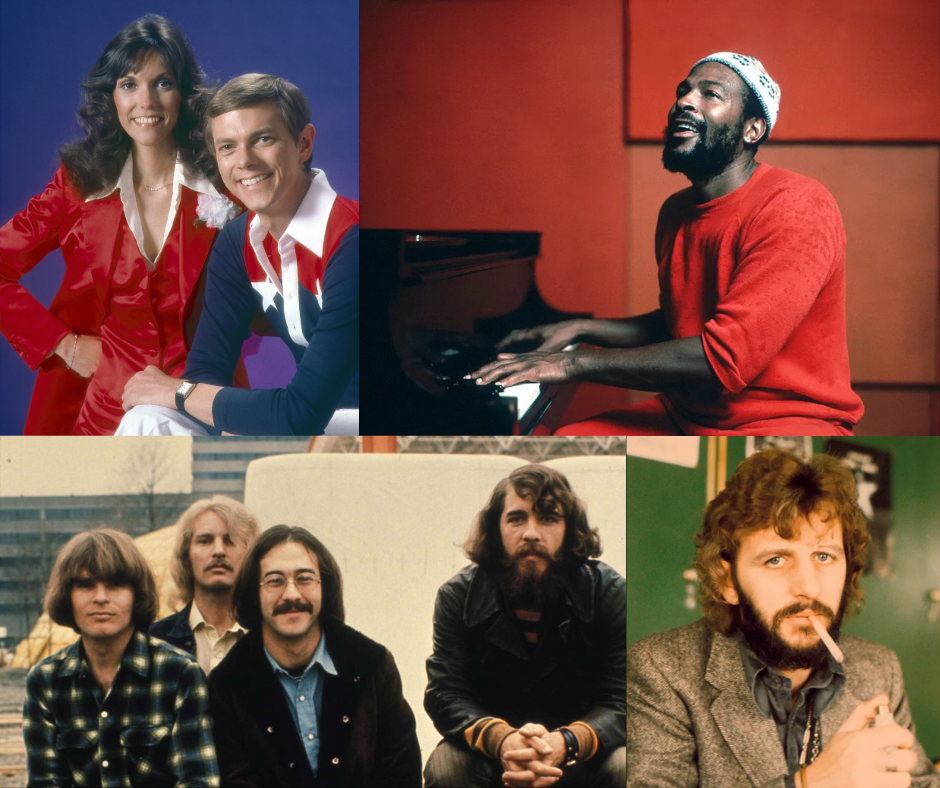
Standard
Broadcasting, Music, Music Countdowns, Pop Music, Radio, Retro Rock

We Are the World: The Greatest Night in Pop

“We are the world/We are the children/We are the ones who make a brighter day/So let’s start giving/There’s a choice we’re making/We’re saving our own lives/It’s true we’ll make a better day/Just you and me” Lyrics by Michael Jackson and Lionel Richie: “We Are the World” January 1985.

DJ Dave note: The day that I published this music blog article, March 7, 2024, was the 39th anniversary of when the USA for Africa single and video for “We Are the World” was released: 3/7/85.

One of the best musical documentaries that I have viewed this decade is “The Greatest Night in Pop.”  The 2024 film focuses on a charity single called “We Are the World” which was recorded over the course of a 12-hour period during late January 1985.

I want to thank my friend Jerry English for giving me the idea and inspiration for this latest music blog message. I am grateful that Jerry encouraged me to watch “The Greatest Night in Pop” film last month and I highly recommend viewing this outstanding documentary.

While I won’t be giving a review of “The Greatest Night in Pop” movie, I will be sharing about certain aspects of the film, the recording of “We Are the World”, and the songs significance in modern music history.

I also will be communicating what I consider to be the best 1980s singles by 15 of the artists who had solo vocal lines within the 1985 charity song. Every song that I will be listing was a major pop hit during the 80s.

“We Are the World” was written by Michael Jackson and Lionel Richie, with Quincy Jones and Michael Omartian producing the song which was recorded by a supergroup of pop artists called USA for Africa.

According to “The Greatest Night in Pop” documentary, over 40 pop artists assembled at A&M Recording Studios in Hollywood, California, to record final vocal tracks for the “We Are the World” song.

Michael Jackson arrived first for this historic musical event around 8:00 pm. Soon after scores of other artists came on the scene, with many coming directly from the American Music Awards happening that evening, including the host of the annual music ceremony Lionel Richie.

Around 10:30 pm, Quincy Jones gathered the vocal artists and musicians together to start the recording process. This assembled multitude worked throughout the night during their marathon recording session completing the final audiotape at 8:00 am.

Six weeks later on March 7, 1985, “We Are the World” was released as a single.  The song was an immediate hit: Reaching number 1 on three Billboard charts: R&B Singles chart, Hot Adult Contemporary Tracks listing and the Hot 100 Pop singles survey, where it spent 4 weeks at the top spot.

After “We Are the World” was released, it was honored by multiple music awards.  In 1986, the song achieved 4 Grammy Awards. The single also received awards by MTV for its music video, a People’s Choice Award and an American Music Award.

The original inspiration for artists to come together and record a song for African famine relief came from Harry Bellafonte. He is quoted on the USA for Africa website about the lasting effect of the “We Are the World” single:

“In 1985, the music industry and the world came together in an unprecedented outpouring of generosity in response to the tragic famine wreaking havoc in Africa at the time. The biggest names in music ‘checked their egos at the door’ to create what was and still is a worldwide phenomenon.”

Bellafonte continues: “The recording of the original We Are the World sold more than 7 million records worldwide. The worldwide sale of that record generated more than $60 million which has been used to assist Africa and Africans affected by the famine and other critical issues since 1985. The song became and remains the people’s anthem and continues to be revered and loved globally.”

Below are artists who sang solo parts on the “We Are the World” song:

  • Lionel Richie
  • Stevie Wonder
  • Paul Simon,
  • Kenny Rogers,
  • James Ingram
  •  Tina Turner
  •  Billy Joel
  •  Michael Jackson
  •  Diana Ross,
  •  Dionne Warwick
  •  Willie Nelson
  •  Al Jarreau
  •  Bruce Springsteen
  •  Kenny Loggins
  •  Steve Perry
  •  Daryl Hall
  •  Huey Lewis
  •  Cyndi Lauper
  •  Kim Carnes
  •  Bob Dylan
  •  Ray Charles

For the remainder of this message, I will convey what I consider to be the best and most memorable 80s pop hits, by 15 of the artists who had solo parts on the “We Are the World” recording. The songs that I have selected were all major top 40 singles from 1980 through 1989.

The top 15 songs and artists that I have picked are entirely based on my opinions. My selections are singles that I deem to be culturally, historically, aesthetically significant, meaningful or relevant.

In researching historical musical data for this article, I used “The Billboard Book of Top 40 Hits” by Joel Whitburn for documentation. The placement of singles on the countdown derives solely on my favorability of songs and not on how I rate each of the artists listed.

Now without further ado, here is my countdown of 15 outstanding singles from “We Are the World” singers:

15.  That’s What Friends Are For—Dionne Warwick: 1985

 Positions on Billboard Charts:  #1 Hot 100, The #1 biggest single of 1986

That’s What Friends Are For” was written by Burt Bacharach and Carole Bayer Sager and was recorded as a charity single for AIDS research and prevention.  The 45-rpm record label says: “Dionne and Friends” who were Elton John, Gladys Knight, and Stevie Wonder.   Won two Grammy Awards in 1986.

14.   Lady—Kenny Rogers: 1980

Positions on Billboard charts:  #1 Hot 100, 3rd biggest song of 1986

Lionel Richie wrote and produced “Lady” for Kenny Rogers. It was the first song of the 80s to chart on all four Billboard singles charts – Country, Hot 100, Adult Contemporary and Hot Soul. Rated as the 10th biggest single in the 80s decade.  Biggest selling song in Rogers’ career.

13.   On the Road Again—Willie Nelson: 1980

Positions on Billboard Charts:  #1 Hot Country, #7 Adult Contemporary, #20 Hot 100

Country crossover hit. Written by Willie Nelson for the movie “Honeysuckle Rose.” The artist also starred as the lead actor in the 1980 film. Won a Grammy Award for “Best Country Song.”  Became the 9th number one country hit for the singer-songwriter and is considered a signature song for Nelson.

12.   Upside Down—Diana Ross: 1980

Positions on Billboard Charts: #1 Hot 100, 18th Biggest song of 1980

“Upside Down” was written and produced by Nile Rodgers and Bernard Edwards, who were members of the R&B band Chic in 1980.  Big international hit for Diana Ross. Billboard ranks single at #80 on their “Hot 100, 60th Anniversary” chart.

11.   Betty Davis Eyes—Kim Carnes: 1981

Position on Billboard Charts:  #1, Hot 100, The #1 biggest single of 1981

Written in 1973 by Jackie De Shannon and Donna Weiss. Signature song for Kim Cranes. Single spent nine non-consecutive weeks at #1 on the Billboard Hot 100. Won 2 Grammys Awards for Song of the Year” and “Record of the Year.”

10.   Footloose—Kenny Loggins: 1984

Peak Positions on Billboard Charts:  #1 Hot 100, 4th Biggest Song of 1984

Kenny Loggins co-wrote “Footloose” with Dean Pitchford for a 1984 movie that shares the same name as the Loggins’ song. It was the biggest selling single for the “yacht rock” music maestro.  The first of two number 1 hits from the “Footloose” film (“Let’s Hear It for the Boy” by Denise Williams was second #1 single from movie).

9.     Girls Just Want to Have Fun–Cyndi Lauper: 1984

Peak Positions on Billboard Charts:  #2 Hot 100, 15th Biggest Song of 1984

Singer-songwriter Cyndi Lauper wrote “Girls Just Want to Have Fun” which was her debut single from the album “She So Unusual.”  Has become a feminist anthem and signature song for Lauper. Won top honors with a MTV Music Video Award and an American Video Award for this successful clip.

8.     You Can Call Me Al—Paul Simon: 1986

Peak positions with Billboard Charts:  #15 Adult Contemporary, #23 Hot 100

A world-wide hit for singer-songwriter Paul Simon who penned this song for the 2-time Grammy winning album “Graceland.”  Artist used African musicians on single, mixing pop, rock, jazz and zydeco, with musical styles that originated in South Africa. Biggest hit for Simon during the 80s.

7.     What’s Love Got to Do with It—Tina Turner: 1984

Peak Positions on Billboard Charts: #1 Hot 100, 2nd Biggest Song of 1984

Comeback song for Tina Turner and became her biggest selling single. “What’s Love Got to Do with It” received 3 Grammy Awards: for “Record of the Year”, “Song of the Year” and “Best Female Pop Vocal Performance.” Was inducted into the Grammy Hall of Fame in 1989.

6.     Oh, Sherrie—Steve Perry: 1984

Peak Positions on Billboard Charts: #3 Hot 100, 33rd Biggest Song of 1984

First solo single for Steve Perry from the album “Street Talk.”  Artist was still a member of Journey when “Oh, Sherrie” was a hit song during the summer of ’84.  Was the biggest selling solo single by the outstanding rock vocalist.

5.     Born in the USA—Bruce Springsteen: 1984

Peak Positions on Billboard Charts:  #9 Hot 100, 92nd Biggest Hit of 1984

Title track from the Bruce Springsteen 1983 album “Born in the USA.”  One of the best-known songs by the Boss. The third of 7 top ten singles on the Billboard Hot 100 from legendary LP (1983-1985).  The song is still a staple on classic rock radio stations here in 2024.

4.     We Didn’t Start the Fire—Billy Joel: 1989

Peak Positions on Billboard Charts: #1 Hot 100, 35th Biggest Song of 1989

Billy Joel wrote the lyrics of “We Didn’t Start the Fire” which document historical, political, cultural and sports highlights between the years 1948 and 1989. The “Piano Man” sings in a rapid paced manner that calls for multiple listens to comprehend all of the historical events mentioned. Joel still performs this song as the first encore selection at every one of his 2024 concerts.

3.     The Power of Love—Huey Lewis: 1985

Positions on Billboard Charts:  #1 Hot 100, 15th Biggest Song of 1985

“The Power of Love” was written by Huey Lewis, along with Lewis Hayes and Johnny Colla for the 1985 film “Back to the Future. The single is backed up by Lewis’ band the News and became that band’s first #1 chart topping song.  It was one of the biggest singles from the summer of ’85.

2.     All Night Long (All Night)—Lionel Richie: 1983

Peak Positions on Billboard Charts: #1 Hot 100, 12th Biggest Song of 1984

The most successful solo single by the former lead singer of the Commodores. Written by Lionel Richie, “All Night Long” has a diversity of musical elements: pop, rock, and R&B, mixed with a Caribbean/African beat. This Richie signature song is still a favorite to play at wedding receptions this decade.  

  1.  Man in the Mirror—Michael Jackson: 1988

Peak Positions on Billboard Charts: #1 Hot 100, 21st Biggest Song of 1988

My number 1 song on the countdown is by the “King of Pop” Michael Jackson.  “Man in the Mirror” was written by Glen Ballard and Siedah Garrett, produced by Quincy Jones and Jackson.

The Andraé Crouch Choir recorded background gospel vocals on the song and it became Jackson’s 4th consecutive single from the 1987 “Bad” album to peak at number 1 on the Billboard Hot 100.

The message of the lyrics offer encouragement: “I’m starting with the man in the mirror/I’m asking him to change his ways/And no message could have been any clearer/If you wanna make the world a better place/Take a look at yourself and then make a change.”

“Man in the Mirror” is my favorite Michael Jackson solo song of all-time and I am glad to proclaim this excellent song to be my number 1 single of outstanding pop hit by artists who had solo vocals on “We Are the World.”

That wraps up my countdown on what I consider to be the 15 best singles from the “We Are the World” solo singers.  I completely understand that my listing of 80s singles in this category was written from my point of view and is subjective.

If you were creating a similar register of excellent 80s pop hits by the same artists, your tabulation may be totally different. What do you consider to be the best singles by the “We Are the World” pop stars? I hope you will comment below.

In closing, I must ask this question:  Is the recording in late January 1985 of “We Are the World” the greatest night in pop?  Obviously, the answer to this query is debatable.

I will say that the assembly of over 40 artists for “We Are the World” has to be considered the greatest gathering ever of pop music superstars with the recording of this historic session. It may never be duplicated again.

Will there ever be another version of fundraising similar to what pop artists did with “We Are the World” in 1985? I am hoping that type of event will happen this century.  Rock on!

To subscribe to my blog via email, please click the “Follow” button in the menu above.

Standard