American Idol, Artist Profiles, Concert Reviews, Contemporary Christian Music, Music, Pop Music, Virginia Artists

Jeslynn Gelaine Music: All My Life I’ve Been a Dreamer

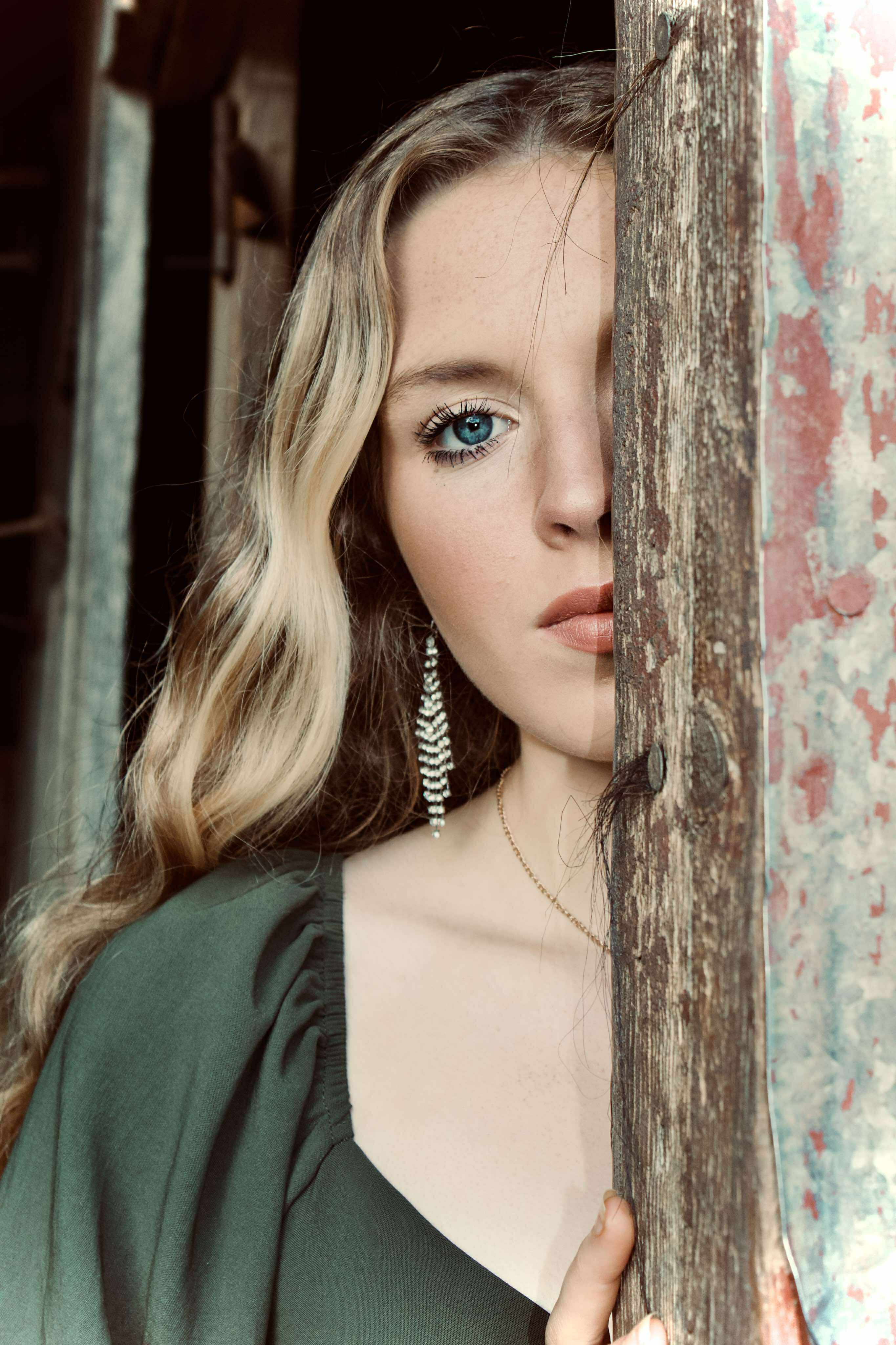
17-year-old Roanoke, Virginia native Jeslynn Gelaine has always been a dreamer.  And one of her dreams became reality just 4 days ago when the singer-songwriter’s debut professional music recording “Calm Me Down” was released as a single.

All photos and videos in this article were provided courtesy of Jeslynn Gelaine unless otherwise noted.

The music artist’s full name is Jeslynn Gelaine Reynolds, and she elected to drop the surname Reynolds at the beginning of her budding musical career.

I asked Reynolds about the significance on using her middle name as a music artist. She responded, “Jeslynn Gelaine is my way of paying tribute to my mom and Mimi, two talented singers who shared a middle name. Following my Mimi’s passing in August 2022, I’m passionate about honoring and carrying her legacy through Gelaine.”

Singing has always been a huge part of Gelaine’s life.  Her mom, Rebecca Reynolds, shared with me that, “Jeslynn has been singing since she could talk and also began singing harmony at age three.” 

Gelaine also traveled on the road and sang with her parents Adam & Rebecca Reynolds in full time evangelical ministry for 7 ½ years when Jeslynn was between the ages of 3 and 10.

In 2018, the Reynolds family settled in the Roanoke Valley and began ministry with Wake the World Church (WTW) in Salem, Virginia. Adam Reynolds is lead pastor while Rebecca Reynolds is minister and worship leader at the church.

Adam and Rebecca Reynolds are also accomplished gospel music singer-songwriters. Their daughter Jeslynn has also been a worship leader with WTW for the past 7 years.

In August, Jeslynn will be starting her senior year in high school as a homeschooled student. I asked Gelaine if she had any plans after she graduates from high school and she replied,” I’m unsure about college, but I have a peace about music. I trust God’s plan and believe he wants me to use my gift full-time.”

Another dream came true for the music artist when she was 15 years old. Jeslynn’s hope of singing on the American Idol reality TV show started almost two years ago.

 In August 2023, Gelaine auditioned virtually in front of producers for a chance to be on American Idol (AI). Her audition was successful that day and Jeslynn was set for the next round of qualification.

On to Nashville in November 2023, Jeslynn went for her audition in front of American Idol’s main judges:  Lionel Richie, Luke Bryan, and Katy Perry. Gelaine selected, “Still Rolling Stones” by Lauren Daigle to sing for her audition.

Jeslynn had another winning performance and received an American Idol “Golden Ticket.”  That meant that Gelaine would be one of just 150 singers going to Hollywood out of over 6,000 other contestants and she would actually be performing on the main AI show.

During Hollywood week, Jeslynn sang “Don’t You Worry ‘Bout a Thing” by Stevie Wonder. She again auditioned in front of the main AI judges Richie, Bryan and Perry.

Before singing the Motown song, Jeslynn addressed the judges with the following quote: “I want to be the next American Idol because I can say that I have truly just dedicated my whole life to music and songwriting. And this means everything to me, and I know this is what God has called me to do and that is why I’m singing on this stage today.”

 While Gelaine didn’t move on in the competition, she received high praise from the judges. After the performance, Katy Perry gave exceptional credit to the Roanoke singer, providing encouragement to Jeslynn who was just 15 at the time of this audition.

I first learned about Gelaine just after the AI “Hollywood Week” episode aired in the spring of 2024. WSLS TV channel 10 Roanoke featured the sensational singer with a news story outlining her musical story and the big dreams she’s accomplished. That feature can be viewed here via WSLS 10.

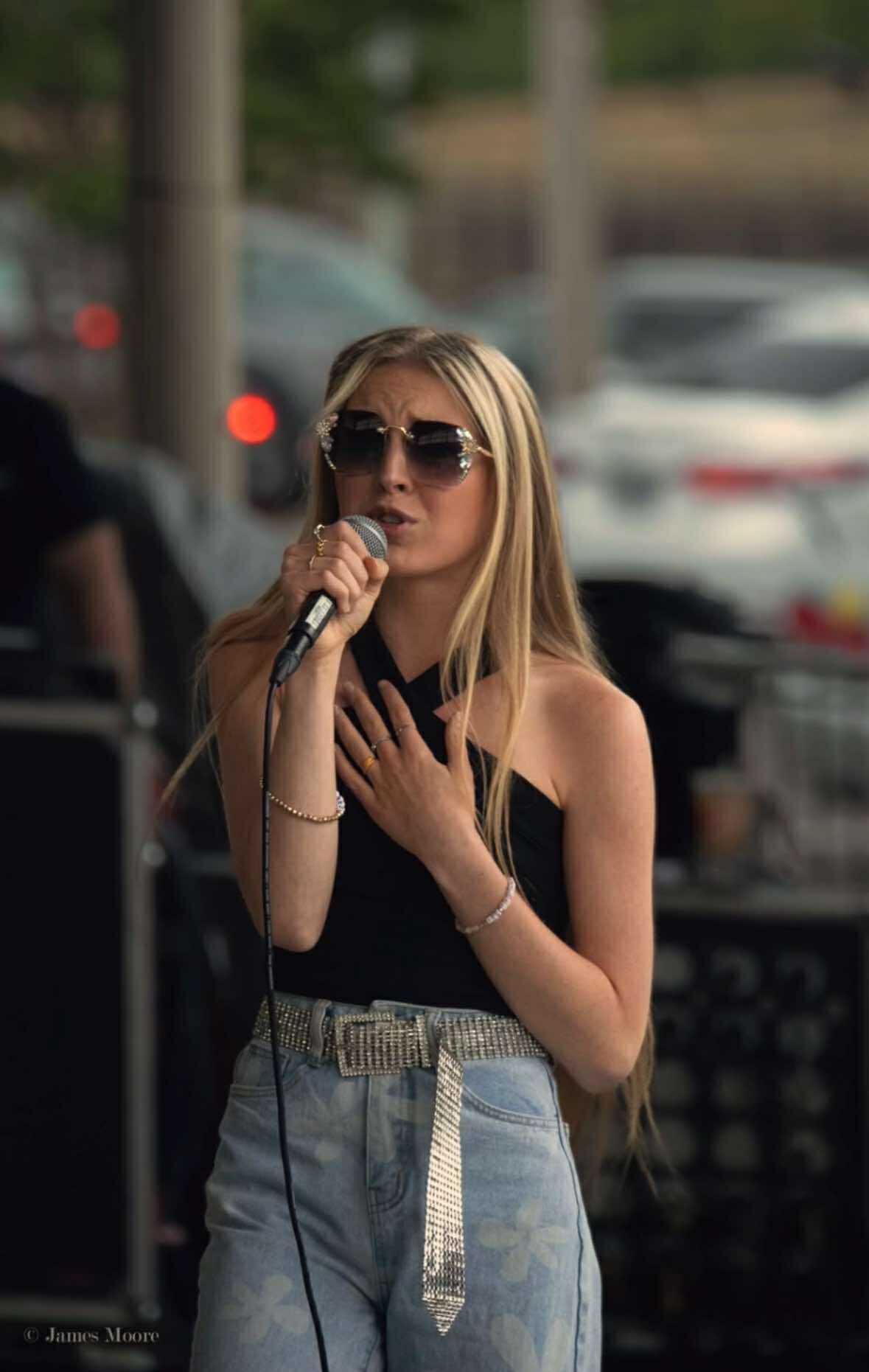
Around 13 months later, I had the opportunity to meet Jeslynn and her parents Adam and Rebecca Reynolds when Gelaine was performing in concert with the Strawberry Festival at Elmwood Park in Downtown Roanoke. The singer was the headlining artist for this event.

Accompanying Gelaine at her May 3rd Roanoke concert were 4 band members and a background vocalist. Personnel members and instruments played are listed below:

  • Bryan Davis-Piano
  • Eddy Sanders-Bass
  • Tonio Williams-Drums
  • Roger Graves Jr.-Guitar
  • Rebecca Reynolds-Background Vocalist

An unfortunate thing happened on that first Saturday in May 2025:  A big rain storm with thunder and lightning hit downtown Roanoke around 20 minutes into Jeslynn’s show. The Strawberry Festival administrators stopped the concert after just 3 and a half songs were performed.

Obviously, Jeslynn was deeply disappointed about the rain storm and abrupt ending of her concert: she had to make lemonade out of lemons.  Of the songs that Gelaine sang that afternoon, I made short video clips from two of her songs.

This first clip above is an original song Jeslynn wrote called “Song Outta Me”.

The second video I made is of her recently released single, “Calm Me Down.”  

The genesis for the lyrics of “Calm Me Down” came from Jeslynn when she attended a Songhouse summer camp in 2024. Gelaine shares co-writing credit with 4 other individuals who collaborated with her last summer at this music event.

Released just 4 days ago, “Calm Me Down” is available on all streaming platforms and can be purchased via Apple and Amazon music services. The link for Jeslynn’s YouTube channel is here.

On Tuesday July 8, 2025, Gelaine was interviewed on the WDBJ Roanoke TV program called 7@four by the station’s host Melissa Gaona. The WDBJ7 TV conversation video follows:

After Gaona completed her interview with Jeslynn, the Roanoke singer-songwriter sang her debut single “Calm Me Down” on the WDBJ7 TV show. Gelaine’s performance is found below.

After meeting Jeslynn at her Strawberry Festival concert, I sent her questions via email to answer for this article. She and I also utilized Microsoft’s Messenger online text communication for clarification.  My questions and her answers are found below.

DJ Dave:  How do you describe the genre or genres of music that you sing?  My guess would be a combination of pop and country.

Jeslynn: “Well, I’m going to be honest…lol! I don’t necessarily put my music in a “box” or genre as of now. I just write about life and put lyrics and whatever melody comes in my heart to it. I call my music my musical diary! I dabble in a lot of different sounds.”

DJ Dave:  I have gathered from listening to your written songs that you attempt to express your feelings about a subject, in a real and honest way.  And at the same time, you want to convey something positive to the listener of your songs?  Is that accurate?    

Jeslynn: “I want to give people something to relate to when they listen to my music. If they’ve experienced what I’ve experienced whether that be an emotion, an experience, etc. I want them to not feel alone and feel like they can have an anthem. I don’t just write about sad experiences. I also want listeners to just have something to “jam” too and feel happy about.

 I also want them to know by my Christian songs that there is hope through Jesus and they don’t have time to stay there in that negative emotion. Jesus is the only way I’ve healed through life’s tough obstacles.”

DJ Dave: When I met you after your Strawberry Festival concert, I asked you about the quote at the top of your social media pages, “All my life I’ve been a dreamer.” Can you briefly describe the significance behind this meaningful statement?

Jeslynn: That quote is from my song “Dreamer”, which is about overcoming fear and chasing dreams. Ironically, I wrote it two weeks before my first American Idol audition which marked a significant step in my career.

DJ Dave: I like your quote, “Songwriting is a therapeutic outlet for you and medicine for your soul.”  Please give me more insight into this meaning?

Jeslynn: My songs are a musical diary, allowing others to relate and feel less alone in life’s journeys. I pray God’s gift to me can also be a gift to others through lyrics.

DJ Dave: With your duties as worship leader with Wake the World church, what are ways that you prepare your own heart before leading folks during a Sunday morning service?

Jeslynn: My mom and I seek the Holy Spirit’s leading when choosing songs for Sunday. I also prioritize daily Bible study and prayer as I prepare my heart.

DJ Dave: Your mom, Rebecca, shared with me that you started singing as soon as you learned to talk and began singing harmony at age 3. At what point in your life did you decide that you wanted to be a singer and utilize the talents God has given you for Christian service?

Jeslynn: Music has been my lifelong passion and has never really been a question for me. After being part of American Idol and SongHouseCo, I feel even more confident that music is what I’m supposed to do.

DJ Dave: What are your dreams, goals and aspirations in relation to singing and music as you become an adult next year?

Jeslynn: I aspire to release more original music, put out an album, and perform at the Grand Ole Opry, and award shows. Ultimately, I just want what God has for me.

When I saw Jeslynn at her rain shorten Roanoke concert last month, I was impressed by her powerful vocals. I also realized that her songwriting is complex, challenging and provoking, but also upbeat, inspirational and encouraging.

From my perspective, Jeslynn has a bright future in her chosen musical profession.  Her enthusiasm and passion to foster empowerment through music is outstanding.

I also appreciate Jeslynn’s desire to be a positive witness with her Christian faith and a willingness to tackle hard topics as a songwriter. As a Christian believer myself, I find Gelaine’s outlook to be refreshing.

Obviously, no one knows what the future holds in store for this young Virginia singer. I am confident that Jeslynn Gelaine’s music career will go in a favorable direction as she continues to seek God’s guidance for her life. Rock on!

To subscribe to my blog via email, please click the “Follow” button in the menu above.

Standard
Music, Music Countdowns, Pop Music, Radio, Retro Rock, Rock Music, Wedding Love Songs

Popular Classic Wedding Love Songs  

Photo above is DJ Dave in July 2022 when I was the DJ for the wedding reception of my niece Lydia and her husband Roger at Shady Lane Farm, New Gloucester, Maine.  Photo courtesy of Paige Lucas Photography. 

Since my retirement as Manager with Carilion Clinic in 2017, I have provided DJ services for many wedding receptions over the past 8 years.

To be a superb DJ when working wedding receptions, a person needs to be familiar with many types of musical genres and be flexible selecting songs to play at these events.

With this month’s article, I will be counting down what I consider to be the best classic wedding love songs.  The time frame for songs that I selected for this article will range from the mid 60s to the late 80s.

Please note: my article is not a definitive listing of all various types of songs played at weddings and/or wedding receptions.  The tunes that I have selected are all from my personal experience as a veteran DJ.

Some songs should never be played at wedding receptions. I attended at a wedding reception a few years ago and the DJ hired played “Free Bird” by Lynyrd Skynyrd. While this is an outstanding Southern Rock song, the lyrics were totally inappropriate for a wedding celebration.

One caveat about banning some songs being played at a wedding celebration: When a bride and groom chooses a first dance song that isn’t “wedding worthy”, this DJ always defers to the couple getting married and plays their special first dance song.

In my own personal experience, I have played songs that I felt were strange for first dance tunes:  However, I did play the requested songs the bride and groom selected: it was their special day and not mine.  The two interesting songs below:

  • Stuck With You—Huey Lewis & the News:  “We thought about someone else, but neither one took the bait, we thought about breakin’ up, now we know it’s much too late, I’m so happy to be stuck with you, ’cause I can see that you’re happy to be stuck with me.”
  • S.O.S.—ABBA: What happened to our love? It used to be so good, the love you gave me, nothing else can save me, S.O.S. When you’re gone, how can I even try to go on?”

There are four basic types of songs played during a wedding reception:

  1. Specific songs selected by the bride and groom for first dances, when entering and/or leaving event locations, and other meaningful tunes the newly married couple request the DJ to play throughout the event.
  • Appropriate songs selected by the DJ as guests arrive and wait inside reception venue for the bride, groom and wedding party to enter facility.
  • Music played during dinner. During this time, I tend to play soft pop, slow-tempo ballads, and acoustic love songs to create a calm atmosphere for guests to enjoy their meals and conversations.
  • Songs the DJ plays for folks to dance. Mostly up-tempo songs with a few ballads sprinkled in for couples who want slow dancing.

Songs on my countdown are in two categories: Numbers 2 and 3 above.

Within the parameters of songs that I play before and during dinner times, my countdown listing includes songs from a couple different silos:

•       Songs that actually mention the words wedding or weddings in the lyrics.

•       Songs that have positive and/or affirming lyrics about love.

Please note that I purposely left out songs on my countdown that are played purely by a DJ for the sole purpose of dancing. Those types of tunes may end up in a separate music blog message in the future.

Songs like “Signed, Sealed, Delivered, I’m Yours” by Stevie Wonder and “September” by Earth Wind & Fire are superb wedding dance tunes. However, DJs should hesitate before playing these songs during non-danceable segments of wedding receptions events.

Also excluded for consideration for my countdown are songs with lyrics describing marriage and/or longing for marriage to happen in the future.  In my humble opinion, the songs listed directly below are all good tunes but not appropriate to play at any wedding reception.

  • Wedding Bell Blues—The 5th Dimension
  • That’s the Way I’ve Always Heard It Should Be—Carly Simon
  • Band of Gold—Freda Payne
  • Worst That Could Happen—Brooklyn Bridge
  • Wouldn’t It Be Nice—The Beach Boys
  • White Wedding—Billy Idol
  • Jackson—Johnny Cash & June Carter
  • The River—Bruce Springsteen
  • I Love You—Climax Blues Band
  • Rings—Cymarron
  • Keep Your Hands to Yourself—The Georgia Satellites
  • (You Never Can Tell) C’est la Vie—Emmy Lou Harris

With the next three sections of songs, I have selections from the 60s, 70s and 80s that didn’t make my countdown but are quality songs to play at all non-danceable times during wedding receptions. These songs are not ranked and placed in a random order.

Excellent Songs Outside the Top 25 Countdown from the 60s:

  • Love Can Make You Happy—Mercy
  • L-O-V-E—Nat King Cole
  • You’ve Made Me So Very Happy—Blood Sweat & Tears
  • My Cherie Amour—Stevie Wonder
  • (You Make me Feel Like) A Natural Woman—Aretha Franklin
  • And I Love Her—The Beatles
  • My Special Angel—The Vogues
  • The Way You Look Tonight—Frank Sinatra
  • Something—The Beatles
  • Chapel of Love—The Dixie Cups
  • Can’t Take My Eyes Off You—Frankie Valli

Excellent Songs Outside the Top 25 Countdown from the 70s:

  • First Time Ever I Saw Your Face—Roberta Flack
  • How Deep Is Your Love—The Bee Gees
  • Maybe I’m Amazed—Paul McCartney
  • Love Will Keep Us Together—Captain & Tennille
  • Wonderful Tonight—Eric Clapton
  • Bridge Over Troubled Water—Simon & Garfunkel
  • You Are Everything—The Stylistics
  • Your Smiling Face—James Taylor
  • The Air That I Breath—The Hollies
  • Make It with You—Bread
  • (They Long to Be) Close to You—The Carpenters
  • Nobody Does It Better—Carly Simon
  • Annie’s Song—John Denver

Excellent Songs Outside the Top 25 Countdown from the 80s:

  • Time After Time—Cyndi Lauper
  • Heaven—Bryan Adams
  • In Your Eyes—Peter Gabriel  
  • Tonight, I Celebrate My Love—Peabo Bryson & Roberta Flack
  • The Promise—When in Rome
  • Biggest Part of Me—Ambrosia
  • Every Little Thing She Does is Magic—The Police
  • Right Here Waiting—Richard Marx
  • Lady–Kenny Rogers
  • You’re the Inspiration—Chicago
  • For Your Eyes Only—Sheena Easton
  • You Are My Lady–Freddie Jackson
  • Up Where We Belong–Joe Cocker & Jennifer Warnes
  • Eternal Flame—The Bangles

I recommend playing any of the songs that I have listed above during non-dancing segments of wedding receptions. Of course, a bride or groom could pick one of these songs for their first dance. For those instances, many of these tunes do make outstanding choices for slow dancing.

The same methodology can be applied for the 25 songs in the countdown below. All countdown songs are perfect for bride and groom first dances at any wedding reception.

With my experience as a DJ for many wedding receptions over the years, I now submit my classic wedding love songs countdown:

25.  Truly—Lionel Richie: 1982

Debut solo single for singer-songwriter Lionel Richie, who wrote this song and co-produced it with James Anthony Carmichael. The artist won a Grammy Award for “Best Male Pop Vocal Performance” for this tune.

24.  Unchained Melody—The Righteous Brothers:  1965

Music by Alex North and lyrics by Hy Zaret. Bobby Hatfield of the Righteous Brothers sings lead vocals on song. Became a hit twice, the second time in 1990.

23.  Faithfully—Journey: 1983

The song was written by Journey’s keyboardist Jonathan Cain. Powerful vocals by Steve Perry.  A quintessential 80s power ballad.

22.  Endless Love—Lionel Richie & Diana Ross: 1981

While still a member of the Commodores, Lionel Richie wrote the song and it was featured in the film “Endless Love.”  The duet with Diana Ross is rated as the “Greatest song duet of all-time” by Billboard.

21.  Always—Atlantic Starr: 1987

Love ballad written by David Lewis, Jonathan Lewis and Wayne Lewis. Peaked at #1 on Billboard Hot 100. Biggest hit single for Atlantic Starr.

20.  With This Ring—The Platters: 1967

Last Top 40 hit for the Platters was written by Richard “Popcorn” Wylie, Luther Dixon, and Tony Hester. It’s considered a core song with Carolina “Beach Music” and is a favorite song for shag dancers.

19.  For All We Know—The Carpenters:  1970

Soft pop rock song has music credited to Fred Karlin and lyrics from Robb Wilson and James Griffin.  Karen Carpenter has outstanding vocals on this selection.

18.  Always and Forever—Heatwave: 1978

Rod Temperton, keyboardist and principal songwriter for Heatwave, wrote this classic tune for his British-based multinational funk-disco band. This ballad has lead vocals by Johnnie Wilder, Jr.

17.  Here and Now—Luther Vandross:  1989

The R&B Pop singer won a Grammy Award for Best Male R&B Vocal Performance with his signature ballad. Written by David L. Elliott, Terry Steele, and Charles White.

16.  This Will Be (An Everlasting Love)—Natalie Cole:  1975

This up-tempo wedding anthem was written by Chuck Jackson and Marvin Yancy, with Richard Evans creating the musical arrangement.  Natalie Cole won a Grammy Award for “Best Female R&B Vocal Performance” with her huge hit single.

15.  Three Times a Lady—The Commodores:  1978

Smooth signature love ballad was penned by Lionel Richie, lead singer of the Commodores. Reached #1 on the Billboard Hot 100 for two weeks during the summer of 1978.

14.  You Make Me Feel Brand New—The Stylistics: 1974

 One of the Stylistics signature songs was co-written by Thom Bell and Linda Creed. The R&B love song features vocals by baritone singer Airrion Love and falsetto of lead vocalist Russell Thompkins Jr.

13.  How Sweet It Is (To Be Loved by You)—James Taylor:  1975

Cover rendition of a Marvin Gaye 1965 hit. It was written by the Motown songwriting team of Holland–Dozier–Holland. James Taylor’s superb guitar and smooth vocals are complimented by David Sanborn on saxophone and Carly Simon with backup harmony vocals.

12.  God Only Knows—The Beach Boys: 1966

Co-written by Brian Wilson and Tony Asher. Song renowned for its beautiful harmonic structure and innovative complexity. Rolling Stone magazine ranks it at number 11 on their “500 Greatest Songs of All Time” listing.

11.  You Are the Sunshine of My Life—Stevie Wonder:  1973

Progressive soul. The song written by Stevie Wonder was the second consecutive single to reach #1 on the Billboard Hot 100. Singer-songwriter won a Grammy Award for “Best Male Pop Vocal Performance” for his tune. I rate it as the 22nd best single of ’73.

10.  Let’s Stay Together—Al Green:  1972

Co-written by Al Green, Willie Mitchell and Al Jackson, Jr.  This superb soul single is rated as the 60th greatest song of all-time by Rolling Stone and I rank it as the 7th best single of 1972. “Let’s Stay Together” is in the Grammy Hall of Fame and the Library of Congress, National Recording Registry.

9.    You Are So Beautiful—Joe Cocker:  1975

Gospel & Soul singer Billy Preston co-wrote this tune with Bruce Fisher.  Joe Cocker’s cover had a slower tempo than Preston’s original faster version. It became the Englishman’s biggest solo hit single on the Billboard Hot 100.

8.    In My Life—The Beatles: 1965

This melodic selection is credited as a John Lennon and Paul McCartney written track.   From the Beatles “Rubber Soul” album. Rolling Stone magazine ranks it at #5 on their “100 Best Beatles Song” list. “In My Life” has become a staple for wedding receptions in the 21st century.

7.    Your Song—Elton John:  1971

Penned by lyricist Bernie Taupin and musician Elton John. It was the first top 10 hit on the Billboard Hot 100 for the English singer-songwriter. “Your Song” was inducted into the Grammy Hall of Fame in 1998.

6.   Just the Way You Are—Billy Joel: 1978   

Written by Billy Joel. Features outstanding saxophone by artist Phil Woods. From album “The Stranger.”  Pop ballad/smooth jazz. Received two Grammy Awards for “Record of the Year” and “Song of the Year” in 1979. I rate the song as the 17th best saxophone single of the 60s & 70s.

5. My Girl—The Temptations: 1965

Written and produced by the Miracles members Smokey Robinson and Ronald White.  First #1 single for the Motown vocal group. Was inducted into the Grammy Hall of Fame in 1998 and placed in the National Recording Registry by the Library of Congress during 2017. “My Girl” is a signature song for the Temptations.

4.   Wedding Song (There is Love)—Noel Paul Stookey:  1971 

Noel Paul Stookey first gained musical popularity with the folk-rock trio Peter, Paul and Mary. He wrote “Wedding Song (There is Love)” in 1969 and first performed it for his friend Peter Yarrow.  I rate this melodic tune as the 2nd best one hit wonder of 1971.

3.   We’ve Only Just Begun—The Carpenters:  1970

Originally this song was in a wedding-themed television commercial for a California bank and was co-written by Roger Nichols (music) and Paul Williams (lyrics). The Carpenters scored their second consecutive top 2 hit with this soft rock single. Karen Carpenter shines with her vocals on “We’ve Only Just Begun.”

2.   Longer—Dan Fogelberg:  1980

Written and recorded by singer-songwriter Dan Fogelberg. “Longer” is a melodic love song, with flowing harmonies and sparse instrumentation. I rate it as the 4th best single of 1980. Fogelberg’s crown jewel became a staple at thousands of weddings in the 80s and is still popular among some marriage ceremonies this decade.

  1. Never My Love—The Association:  1967

My number 1 classic wedding song is “Never My Love” by the Association.  This soft rock single was co-written by siblings Don and Dick Addrisi. In 1999, Broadcast Music, Inc. (BMI) ranked this tune as the second most played song on radio & TV in the 20th century.

Musically, this single features multiple trumpets and French horns, as well as exceptional saxophone playing by John Johnson. In addition, two guitars, piano and drums round out this musical masterpiece.

The Association’s love song reached #1 on the Cashbox Top 100 and #2 on the Billboard Hot 100 during the fall of 1967.  I rate this single as the 5th best sunshine pop single of the 60s and 9th best top 40 single of 1967. Without a doubt, “Never My Love” by the Association is my #1 best classic wedding love song of the 20th century.

That wraps up my countdown of what I consider to be the best classic wedding love songs from the mid 60s through the late 80s. I recommend playing any of the top 25 songs from my countdown for non-dancing segments of wedding receptions.

I realize that my listing of songs in this category was written from my point of view and is subjective. If you were creating a similar register of excellent wedding love songs, your tabulation may be totally different from my selections.

What do you consider to be best wedding reception love songs from 1964 until 1989? There are no right or wrong answers. I welcome your thoughts.

If you know of anyone that is getting married, I hope you will share this message with any engaged couples looking for song suggestions for an upcoming wedding reception.

I leave you with the opening lyrics of “Wedding Song (There Is Love)” by Noel Paul Stookey:

“He is now to be among you, at the calling of your hearts, rest assured this troubadour is acting on His part. The union of your spirits here has caused Him to remain, for whenever two or more of you are gathered in His name, there is love.”

To subscribe to my blog via email, please click the “Follow” button in the menu above.

Standard
AT40, Broadcasting, Music, Music Countdowns, Pop Music, Radio, Retro Rock, rock, Rock Music

Exceptional Rock Hits of the 90s: Not Released as Singles

Bob Dylan wrote a song called “The Times They Are a-Changin'” in the 60s about social justice issues.  In the 90s, the same type of statement could be made about pop rock music and the radio stations playing hit songs: “The times they were a changing.”

With this edition of my musical musings, I will be counting down what I consider to be the best rock hits of the 90s that were not released as singles in the United States.  My selections are from the years 1994 through 1998.

Before getting to my countdown, I will give a brief history of Top 40 radio. Looking back to 1970, Top 40 radio played a wide variety of mass appeal hits in a variation of musical genres: pop, rock, soul, R&B, country, easy listening, and adult standards.

In the early 70s, radio station playlists featured the top-selling vinyl 45-rpm singles and airplay of the 40 biggest songs. These songs were tracked nationally by Billboard and Cash Box magazines, which both published weekly surveys of the 100 biggest hits.

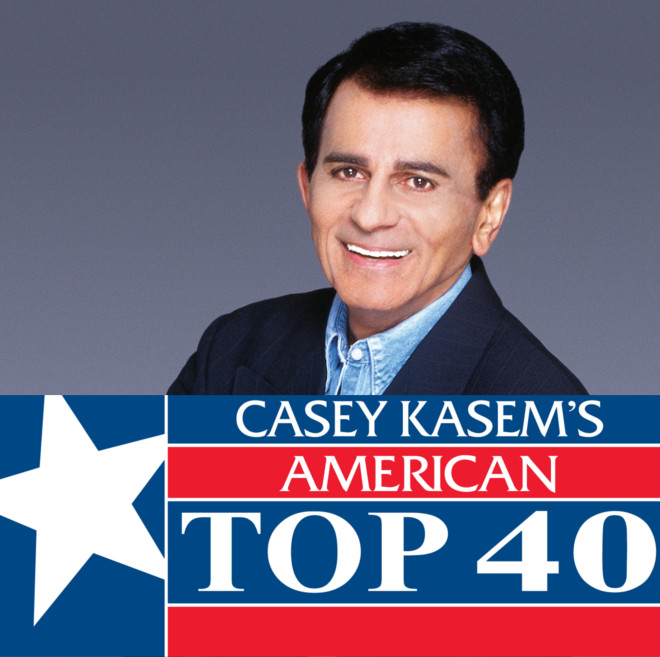
When the debut American Top 40 show happened on July 4th weekend in 1970, Casey Kasem aired the 40 biggest singles on the Billboard Hot 100 (BH100) chart. Criteria for this once-a-week survey: Only songs released as a 45-rpm single were eligible for charting on the BH100.

The Billboard rule of charting only songs released as singles on their Hot 100 survey was adopted in 1958 and was maintained until being eliminated in November 1998.

From 1970 until 1991, AT40 used the BH100 chart on its national weekly broadcasts.  Then in November 1991, AT40 stopped using the BH100 chart, switching first to Billboard’s “Hot 100 Airplay” chart and then finally to the “Mainstream Top 40” Billboard survey.

Both of these later Billboard charts were based solely on radio station airplay and the songs listed could be either a single or an album track.

On the weekend of January 28, 1995, the final episode of the original AT40 was broadcast. After a 3-year gap, American Top 40 returned with the second Casey Kasem era (1998-2004).

The evolution of Top 40 radio changed tremendously during the 70s and 80s. Stations went from being located primarily on the AM dial to high quality FM signals during this time period.

During the 80s, the Top 40 radio format became known as Contemporary Hit Radio (CHR). Stations utilizing the CHR format played current and recurrent popular hits that focused mostly on pop, rock, R&B and country crossover tunes.

By the 90s, newer sub-genres of pop-rock music became popular: Hip-Hop, Electronic, Urban, Grunge, Alternative and Modern Rock. This new diversity of music caused a large number of CHR stations to narrow their focus.

Instead of playing all the current top hits from the Billboard Hot 100 singles chart, many CHR formatted stations went away from playing mass appeal hits and splintered the songs they aired into smaller playlists.

The fractioning of the CHR format by the mid 90s had multiple stations in radio markets playing fewer songs and the music they aired tended to be mostly in a specific sub-genre of pop-rock music.

There were still successful traditional mainstream CHR stations functioning in radio markets that played a wide variety of hits in the 90s. One such station was in my hometown K92 (WXLK) 92.3 Roanoke, Virginia.

Above: A K92 Roanoke aircheck of David Lee Michaels: Summer 1981.

Photo inside of the K92 Roanoke studio in the early 90s courtesy of David Lee Michaels: From Left to Right: K92 DJ Eddie Haskell, English rock singer-songwriter and musician John Waite and K92 DJ David Lee Michaels.

K92 came on the air on New Year’s Day in 1980 with a Top 40 CHR format. This mainstream CHR outlet was the top-rated number one radio station in the Lynchburg/Roanoke market starting in 1980 and remained as the most listened to station into the early 90s.

Above: A K92 Roanoke audio clip of Ellis B Feaster: Summer 1989. Courtesy of Ellis B Feaster.

A photo I took of the K92 studio building on Electric Road in Roanoke County, Virginia. February 27, 2025.

Below is a listing of “main leaning” CHR formatted stations during the 90s and the music those outlets played:

  • Mainstream/Traditional CHR
  • Adult CHR
  • Rhythmic/Dance CHR
  • Urban CHR
  • Rock CHR

All chart documentation that I have reference below came from my personal copy of, “The Billboard Book of Top 40 Hits” by Joel Whitburn (9th edition).  I consider Whitburn’s book to be the “bible” of Top 40 music history and I bought my second copy of this superb music guide a few years ago.

Whitburn’s reference guide tabulates numeric positions for all Top 40 hits on multiple Billboard charts. When my countdown is viewed below, it may be surprising to some that these songs were not released as singles but actually album tracks that became radio hits.

In addition, my countdown of radio airplay hits is entirely based on my opinions: I consider those 20 rock songs as favorites from the 90s decade. My selections are songs that I deem to be culturally, historically, aesthetically significant, meaningful or relevant.

As I do with all of my countdowns, I document tracks that I considered but fell outside my top 20 selections. These album track hits are not ranked and are placed in a random order:

  • When I Come Around—Green Day
  • Crash into Me—Dave Matthews Band
  • Hand in My Pocket—Alanis Morissette  
  • Push—Matchbox 20
  • Buddy Holly—Weezer
  • A Long December—The Counting Crows
  • What I Got—Sublime
  • Champagne Supernova—Oasis
  • Spiderwebs—No Doubt
  • Daughter—Pearl Jam
  • Takes a Little Time—Amy Grant
  • 3 AM–Matchbox 20
  • Santa Monica (Watch the World Die)—Everclear
  • If You Could Only See—Tonic
  • Standing Outside a Broken Phone Booth with Money in My Hand—Primitive Radio Gods

Without further ado, my Top 20 countdown of the best non-singles radio hits begins:

20.  Zombie—The Cranberries 1995

Peak Positions on Billboard Charts: #1 Mainstream Rock, #18 Hot 100 Airplay

The Cranberries, an Irish alternative rock band, had a world-wide smash hit with “Zombie.” Written by band member/lead singer Dolores O’Riordan, her powerful lyrics are a furious anti-terrorism lament, protesting bombs exploding in England by the Irish Republican Army that killed two children.

19.  Closing Time—Semisonic 1998

Peak Positions on Billboard Charts: #1 Mainstream Rock, #4 Hot 100 Airplay

Rock band trio from, Minneapolis, Minnesota. This ballad has multiple meanings according to Semisonic’s songwriter Dan Wilson: 1.  Imagery of bouncers yelling “closing time” and people leaving bars. 2. About childbirth, with a pun on being “bounced from the womb”. Tune was nominated for a Grammy Award (Best Rock Song).

18.  Black Hole Sun—Soundgarden 1994

Peak Positions on Billboard Charts: #1 Modern Rock (7 weeks) #9 Hot 100 Airplay

Grunge Rock band from Seattle, Washington. Penned by Soundgarden’s singer-songwriter and guitarist Chris Cornell. Signature song by the band was the number 1 biggest album track on Billboard’s Modern Rock chart in 1994.

17.  Mr. Jones—The Counting Crows 1994

Peak Positions on Billboard Charts: #1 Modern Rock, #2 Hot 100 Airplay

Breakthrough hit by San Francisco, California rock band. From the album “August and Everything After.” Received a MTV Video Music Award for “Best New Artist” category with their hit.

16.  Walking on the Sun—Smash Mouth 1997

Peak positions on Billboard Charts: #1 mainstream Rock, #2 Hot 100 Airplay

Power pop rock band from San Jose, California. Debut hit was written by Smashmouth’s Greg Camp, after learning about Rodney King as a victim of police brutality in Los Angeles, California. A catchy, infectious track.

15.  Lightning Crashes—Live. 1994

Peak Positions on Billboard Charts: #1 Modern Rock (9 weeks), #1 Rock Tracks (10 weeks), #12 Hot 100 Airplay

York, Pennsylvania alternative rock band. Primarily written by lead singer Ed Kowalczyk but is credited to all 4 members of Live. The band dedicated this hit to a mutual high school friend, 19 year old Barbara Lewis who was killed by a drunk driver in 1993.

14.  Love Will Keep Us Alive—Eagles. 1994

Peak Positions on Billboard Charts: #1 Adult Contemporary (3 weeks), #22 Hot 100 Airplay

The Southern California rock band had been on hiatus since 1980 and formally reunited in 1994. This soft rock hit introduced a new generation to Eagles music. Bassist Timothy B. Schmidt is on lead vocals with a song nominated for a Grammy Award in 1995.

13.  How Bizarre—OMC. 1996

Peak Positions on Billboard Charts: #1 Mainstream Rock, #4 Hot 100 Airplay

OMC: aka (Otara Millionaires Club) was a New Zealand band. Started as a trio, then became a duo. When “How Bizarre” reached the top spot on Billboard’s Mainstream Rock survey, ONC became the first New Zealand artist ever to reach the a number 1 position with any Billboard chart. Received a MTV Video Music Award.

12.  Good Riddance (Time of Your Life)—Green Day. 1998

Peak Positions on Billboard Charts: #7 Mainstream Rock, #11 Hot 100 Airplay

Alternative California rock band switched things up for this ballad. The track was an unusual composition for Green Day: it had sparse instrumentation. Songwriter Billie Joe Armstrong plays acoustic guitar while a string arrangement was added into the mix. It has become a classic 90s folk-rock tune.

11.  Lovefool—The Cardigans. 1997

Peak Positions on Billboard Charts: #3 Hot 100 Airplay, #4 Mainstream Rock

Swedish rock band provided a pure pop song with “Lovefool.” Written by band members Nina Persson and Peter Svensson. Musically upbeat and lyrics that are sad, bittersweet and a little quirky. Billboard rates it as the 4th best hit with their “100 Best Pop Songs of 1997” listing.

10.  Interstate Love Song—Stone Temple Pilots. 1994

Peak Positions on Billboard Charts: #1 Mainstream Rock (15 Weeks), #18 Hot 100 Airplay

San Diego Grunge rock band. Track is from the album “Purple.” Written by Stone Temple Pilots singer-songwriter Scott Weiland. The signature song by the band is considered one of the best rock hits of the 90s by many music historians.

9.    Until I Fall Away—Gin Blossoms

Peak positions on Billboard Charts: #13 Mainstream Rock, #13 Hot 100 Airplay

Throwback power pop rock band from Tempe, Arizona. Musically, Gin Blossoms’ music featured chiming guitars, superb harmonies and catchy melodies. The band achieved 3 other hit songs during the 90s decade.

8.    What Would You Say—Dave Matthews Band 1994

Peak Positions on Billboard Charts: #5 Mainstream Rock, #9 Hot 100 Airplay

The first of two Dave Matthews Band songs on my countdown. Track from the “Under the Table and Dreaming” album. This track lifted the Charlottesville, Virginia rock/jazz/jam group into national prominence. Blues Traveler member John Popper plays harmonica on this tune.

7.    Torn—Natalie Imbruglia. 1998

Peak Positions on Billboard Charts: #1 Hot 100 Airplay, #1 Mainstream Rock

Natalie Imbruglia is an Australian and British singer-songwriter and actress. “Torn” was a huge international hit. It is considered a perfect acoustic pop rock track of the 90s. It received a Grammy nomination in 1999 and won a MTV Video Music Award (Best New Artist).

6.    A Change Would Do You Good—Sheryl Crow 1997

Peak Positions on Billboard Charts: #1 Mainstream Rock, #5 Hot 100 Airplay

Singer-songwriter and musician Sheryl Crow flowed easily into multiple genres of music during her career: rock, pop, folk and country. The artist plays bass and organ on this straight up, toe-tapping rock track. Additional guitars by Jeff Trott and Todd Wolfe fill out this outstanding tune.

5.    You Oughta Know—Alanis Morissette 1995

Peak Positions on Billboard Charts: #2 Mainstream Rock, #3 Hot 100 Airplay

In the mid-90s, Canadian singer-songwriter Alanis Morissette was the queen of angst rock. The track’s hard hitting confessional lyrics about an ex-boyfriend is performed with passion. It won two Grammy Awards for “Best Rock Song” and “Best Female Rock Vocal performance.” Rolling Stone magazine rates “You Oughta Know” at #103 on their “500 Greatest Songs of All Time” listing.

4.    Ants Marching—Dave Matthews Band 1995

Peak Positions on Billboard Charts: #19 Hot 100 Airplay, #21 Mainstream Rock

Virginia’s most prominent rock band of the 20th century has their second hit on my countdown. Written by Dave Matthews, the singer-songwriter considers “Ants Marching” as the official anthem for his band. The music mix of guitar, saxophone and violin is superb on this uptempo jam.

3.    Don’t Speak—No Doubt 1996

Peak Positions on Billboard Charts: #1 Hot 100 Airplay (16 Weeks), #2 Modern Rock

No Doubt was a hybrid rock band that played a combination of pop, rock, new wave, ska and alternative musical genres. Siblings Gwen and Eric Stafani wrote “Don’t Speak” which was a breakup song. It was nominated for 2 Grammy Awards and became the signature song for the California band.

2.    One Headlight—The Wallflowers 1997

Peak positions on Billboard Charts: #1 Hot 100 Airplay, #1 Mainstream Rock, #1 Adult Album Alternative

Jakob Dylan is a co-founder, lead vocalist, guitarist, and principal songwriter of the Wallflowers. His father is the legendary music icon Bob Dylan. “One Headlight” became the first song to reach #1 on all three of Billboard’s rock charts. The track won 2 Grammy Awards: for “Best Rock Song” and “Best Rock Performance.”

1.    Iris—Goo Goo Dolls. 1998

Peak Positions on Billboard Charts: #1 Hot 100 Airplay (17 Weeks), #1 Mainstream Rock (5 Weeks)

My #1 selection is “Iris” by Goo Goo Dolls. Formed in Buffalo, New York, during 1986, the alternative rock group still is a functioning as a band here in 2025. Their 1998 track is their signature song.

“Iris” is a power ballad and was featured in the film, “City of Angels.” It received 2 Grammy nominations and in 2012 Billboard ranked the track as #1 on the chart listing “Top Pop Songs: 1992-2012.”

Anyone that listened to CHR or rock formatted radio stations in 1998, would have heard this song on a regular basis. Without a doubt, “Iris” by the Goo Goo Dolls” is my #1 greatest rock hit of the 90s not released as a single.

That wraps up my countdown of what I consider to be the best rock radio hits in the 90s not released as singles.

If you have any thoughts about CHR radio and the music played on those stations during the 90s decade, please submit your comments on this topic. I look forward reading your opinions.

As always, I appreciate everyone who reads and subscribes to DJ Dave’s Musical Musings.  I am grateful.  Rock on!

To subscribe to my blog via email, please click the “Follow” button in the menu above.

Standard
Album Review, Americana, Artist Profiles, Folk, Music, Pop Music, rock, Virginia Artists

Caleb Meyer:  Most of the Days EP: Now Released

Since I started publishing DJ Dave’s Musical Musings in 2018, I have regularly written about musical artists from a variety of musical genres who perform in the Roanoke area and throughout the state of Virginia. With this in mind, I am featuring an up-and-coming Americana folk-rock artist.

For my first music blog of 2025, I am glad to introduce to you musician and singer-songwriter Caleb Meyer.  This artist is from Roanoke, Virginia and has just released a 5-song EP called “Most of the Days.”

Meyer is a native of Roanoke and is 25 years old. Besides living in South Carolina and Colorado, Caleb has spent the majority of his life residing in Virginia.

I first met Meyer when he was a student at Hidden Valley High School in Roanoke, when his family started attending Anglican parish, Church of the Holy Spirit (CHS) where I have worshipped since 2002. I got to know Caleb well during my time as a volunteer small group leader with the CHS senior high youth group.

After Meyer graduated from Hidden Valley High School, he studied audio engineering and music business from 2018 to 2022. After beginning his professional career in Colorado, Caleb moved back to Roanoke and started utilizing his audio engineering skills.

I recently spoke with Church of the Holy Spirit (CHS) Chief of Staff Tim Henderson, and he told me that Meyer was hired to work in the CHS Audio/Visual department in 2022. Caleb has flourished with various duties such as audio engineering and heading up live streaming of church services over the past 3 years.

Quigg Lawrence, CHS Senior Pastor and Bishop in the Anglican Church says “Caleb is like a Swiss army knife, and functions well with any task he is assigned within the CHS worship arts ministry.”

All of the professional skills Meyer has gained over the past few years have been beneficial to his budding singing career. Caleb has amassed audio equipment and uses it to mix and master recordings of his own music inside the comfort of his own home.

 Meyer can also freelance and produce music for other local Roanoke artists at his home studio. With the growing music scene in the Roanoke Valley, Caleb is hoping to tap into recording, mixing and mastering music by fellow Virginia singers and musicians.

Since 2022, Meyer has a history working with Nashville record producer and engineer Evan Sieling, world-renowned instrumentalist Scott Mulvahill, and Artimus Pyle of Lynyrd Skynyrd. Some of Caleb’s professional sound credits are listed below:

  • A Robin Built a Nest on Daddy’s Grave–Bent Mountain
  • Say You’re Gone–Luke Lively
  • Mushroom Song–Landon Carder
  • Most of the Days–Caleb Meyer
  • Peaks–Brenidy O’Dea

The outstanding audio engineering skills of Meyer were evident as I listened to Caleb’s new EP called “Most of the Days.”   It is impressive that Meyer wrote lyrics to all of the songs, sings on every track, played acoustic guitar, then mixed, and produced this EP himself. Credit goes to Evan Sieling for mastering the 5 songs.

Released on December 23, 2024, “Most of the Days” does have input from some fellow Roanoke area musicians. These guys play a variety of instruments which gives the album a full, rich sound. Acoustic guitar was handled by Meyer on the EP.

Below are the names of the 5 tracks on “Most of the Days” by Caleb + Co.

  • Hard to Say
  • Convicted (Estranged)
  • I Might Understand
  • Suffer Well
  • Coming Through

As I listened to the tracks on Caleb’s “Most of the Days” EP for the first time, I realized the tracks were an outstanding mix of musical genres:  Rock, Pop, Folk and Americana.  To hear Meyer’s music, you can access via these sites: YouTube, Apple Music, Amazon and Spotify.

Just after New Year’s Day 2025, I met Caleb at Mill Mountain Coffee in downtown Roanoke to discuss his new EP and glean information for this blog article. During our time together, Meyer shared with me about his music career, producing songs for other artists and his desire to one day create a recording studio in Roanoke.

After my interview with Meyer, I emailed him a list of questions about on his music career and life experience highlights. Caleb’s responses to my questions are found below:

DJ Dave: At what age did you start having aspirations of becoming a singer-songwriter, musician and recording artist? Briefly describe how you came about your decision to be in the music industry.

Caleb: When I was 6 years old, I wrote my first song called “Burn the Idols”. As bad as that song was (and it was BAD), it was the start of a great passion for me. Soon after writing the lyrics, my parents got me a guitar so I could start putting some music to it. My dad taught me my first few chords on guitar, and I went on to continue to teach myself from there.

 DJ Dave: Now as a musician and singer-songwriter, how do you classify the type of music that you perform? Why have you selected the multiple musical genres you sing and record?

 Caleb: I call my own style folk-rock and/or alternative. I have a pretty eclectic music taste, and that shows in my writing. That is probably why I am comfortable working in so many different genres, but some genres I am definitely more comfortable in than others. Bands like Mumford and Sons and The Lumineers were big inspirations for me, as well as artists like Ed Sheeran and Jon Bellion.

 DJ Dave: When writing new songs, do you have a particular type of subject matter you prefer or do you pen a variety of topics with your compositions?

 Caleb: It is more difficult for me to write happy songs, but I still try to incorporate a sense of hope into all my songs. Most of my lyrics have a bittersweet tone to them. The theme of this EP specifically could be described as “learning and growing from pain and past mistakes”.

On a surface level, this EP was inspired by a breakup. But if you listen to the lyrics, the content goes much deeper than that.

DJ Dave: Being an indie artist, you write, sing, record, produce, mix and master your own songs. Can you describe the process of totally creating new music?

Caleb: Whether it’s one of my own songs or a song for a production client, the process always starts as a demo or voice memo recording. From there, I normally start to develop a vision for the instrumentation and structure I want the song to have.

Next, I will record whatever instrument that will act as the backbone of the song first. For my own music, this is often acoustic guitar. After that, I will record a scratch track of the lead vocal so I can start building the rest of the instrumentation around it.

Once this is complete, I will go back and record the final vocals and put any final touches on the sound design. Once the instrumental and vocals are in a good place, it’s time to mix and master!

 DJ Dave: On your recently released “Most of the Days” EP, who are the musicians that accompanied you and what instruments did they play on your latest project?

Caleb:    EP Personnel:

  • Parker Brown: Keys
  • Ayden Young: Banjo and double bass
  • Nathan Folta: Violin
  • Taylor Folta: Cajon
  • Caleb Meyer: Guitar and vocals

Dj Dave:  In the summer of 2025, you shared with me that you are planning to perform some live gigs with some fellow musicians in the Roanoke Valley. What types of venues are you playing this summer?

 Caleb: The possible gigs I’ve got lined up for the band are backyard concerts that my friends will host. Intimate venues with close friends, and whoever else is wants to come. I will likely have a few gigs at restaurants and breweries in the Roanoke area as well, but those come up sporadically. I will be posting about any upcoming events on my Facebook page.

Looking ahead to the future, Meyer has a couple of goals in relation to his own songs, as well as recording other Roanoke Valley/Southwest Virginia artist’s music.

  • His short-term goal is working towards creating a recording studio with sound equipment inside of a mobile trailer. Meyer could then record local Roanoke artists, plus expand his services to Central and Southwestern Virginia.
  • A long-term goal that Meyer has is to create a free-standing building to house a commercial recording studio in Roanoke by the year 2030. This would allow musical artists from all across the Mid-Atlantic region to utilize this type of facility.

The official Caleb Meyer Blue Ridge Fellows photo. Courtesy Caroline Crawford.

One take away I received from my time speaking with Meyer is his desire to be a positive Christian witness with every aspect with his music and audio engineering duties.  Colossians 3:23 (English Standard Version) sums up Caleb’s belief: “Whatever you do, work heartily, as for the Lord and not for men.”

As a Christian myself, I appreciated learning about Meyer’s dedication to rely on faith in his interactions with others. His aspiration to follow biblical teachings is encouraging to me. Without a doubt, I feel that Meyer is heading in a positive direction.

Obviously, no one knows what the future will hold. I look forward seeing how Meyer’s musical career blossoms and his desire to create recording studio opportunities for other artists in the next few years. Caleb’s future looks promising and bright here in Roanoke.  Rock on!

To subscribe to my blog via email, please click the “Follow” button in the menu above.

Standard
Broadcasting, Music, Music Countdowns, Pop Music, Radio, Retro Rock, Rock Music

Best Protest and Social Justice Anthems: Hits of the 60s and 70s

When I was growing up in the late 60s and early 70s, it was a tumultuous time in the United States and my country was dominated by political and social unrest.

During the 1965 to 1975 time period, there were 3 main protest movements that happened simultaneously in America:  Anti-war sentiments with U.S. involvement in the Vietnam conflict, Black civil rights activism and women’s rights issues.

Many in the music industry started writing songs that addressed these pressing, controversial topics by recording music that promoted hope, empowerment, love, and encouragement to press on for change.

Top 40 radio provided an outlet for artists to reach large audiences with concerns that many Americans shared from all walks of life: folks hoping that change would take place in the future.

With this edition of my musical musings, I will be counting down what I consider to be the best protest and social justice anthems that were played on Top 40 radio from 1965 to 1975.

For the rest of this message, I will be counting down my favorite Top 20 singles of protest and social justice songs.  The sole criterion I utilized with song tabulation for the countdown is that the song must have peaked at #40 or higher on the Billboard Hot 100 between the 1965 to 1975 time period.

As I surveyed the prominent songs in this category, the countdown is entirely based on my opinions. The songs that I selected are singles that I deem to be culturally, historically, aesthetically significant, meaningful or relevant.

Before I start my countdown, I want to share what I consider to be four foundational protest and social justice songs between 1960 and 1964. These selections are building blocks for songs popular from the mid 60s to mid 70s.

  • Blowin’ in the Wind—Bob Dylan

Written by Bob Dylan.  Protest song asking rhetorical questions on topic of freedom, peace and war. Made popular by Peter Paul & Mary. Their 1963 cover of ‘Blowin’ in the Wind” reached #2 on Billboard Hot 100. One of Dylan’s signature songs. Inducted into the Grammy Hall of Fame.

  • We Shall Overcome—Joan Baez 

Written by Charles Albert Tindley. Originally a gospel song.  Modern version of tune made famous by Pete Seeger. Became associated with the 60s civil rights movement. Joan Baez sang song in front of the Lincoln Memorial during the March on Washington Civil Rights protest in August 1963.

  • A Change is Gonna Come—Sam Cooke

Written by Sam Cooke.  This song is the crown jewel of all songs written by the “King of Soul.”

Lyrics were inspired by multiple real-life discrimination against Cooke during the 60s. Tune became hope for the Civil Rights Moment. It’s ranked as the third “Greatest Song of All Time” by Rolling Stone magazine.

  • Where Have All the Flowers Gone—Pete Seeger

Written By Pete Seeger.  Lyrics are an anti-war protest, highlighting death and destruction upon the effects of war.  Many artists have covered the song with Peter Paul & Mary and the Kingston Trio having the most popular versions in the 60s. Song was inducted into the Grammy Hall of Fame in 1973.

There are also two excellent protest and social justice songs that were not top 40 hits but are memorable singles I want to highlight:

  • Requiem for the Masses—The Association

Written by Terry Kirkman. A member of the Association. The song references war, racism and protesting network TV news reporting of the Vietnam conflict. The tune has requiem-style vocals that depict thousands of fallen dead soldiers coming back to the U.S. to be buried.

  • 7 O ‘Clock News/Silent Night—Simon & Garfunkel

Co-written by Josef Mohr & Franz Gruber. The Paul Simon & Art Garfunkel duo sing the traditional Christmas carol “Silent Night” while simultaneously an announcer reads actual news events that happened during the summer of 1966.  The 7 O ‘Clock dialogue features prominent news about Martin Luther King, Jr, the Civil Rights Moment and info about the Vietnam War

I have one more outstanding protest song to share before the countdown starts:

  • Signs–Five Man Electrical Band

One of my favorite singles of 1971 is a protest on the topic of signs. Musician and lead vocalist Les Emmerson from Canadian group Five Man Electrical Band, wrote this song after traveling on U.S. Route 66 in California and seeing multiple large billboards blocking the natural scenic beauty along the historic highway.

Without further ado, my Top 20 countdown of best protest and justice songs begins:

20.  Eve of Destruction—Barry McGuire  1965

Written by P.F. Sloan:  Peak Positions on Billboard Charts: #1 Hot 100, 29th Biggest song of 1965

Co-written by Dennis Lambert & Brian Potter:   This ode mentions many hot button topics: Vietnam War, drafting of soldiers, the Civil Rights Movement, Nuclear War, U.S. space program and war in the Middle East. Barry McGuire’s song is a one hit wonder. He went on to record Jesus Music in the 70s.

19.  One Tin Soldier—The Original Caste:  1969

Co-written by Dennis Lambert & Brian Potter:  Peaked by #26 on Billboard Hot 100

The Original Caste was a Canadian group and their anti-war song is about a fictional kingdom that had a great treasure. Warring tribes fight, killing and destroying all foes in order to obtain the treasure. When the treasure is conquered, the rock has a message, “Peace on earth.” Overall message of the lyrics:  The war was pointless.

18.  Sweet Cherry Wine—Tommy James & the Shondells  1969

Co-written by Richard Grasso & Tommy James:  Peaked at #7 on Billboard Hot 100

Lyrics of “Sweet Cherry Wine” had multiple meanings. It directly declares an anti-war message, as the Vietnam conflict was happening in the late 60s. Tommy James also said in 2012 that his song refers to the blood of Jesus that Christians celebrate as Holy Eucharist or Holy Communion.

17.  Inner City Blues (Make Me Wanna Holler)—Marvin Gaye  1971

Co-written by James Nyx Jr. & Marvin Gaye:  Peaked at #14 on the Billboard Hot 100

From the landmark “What’s Going On” concept album by Marvin Gaye. This song depicts horrid living conditions, extreme poverty and economic despair for people living in American inner-city ghettos.  It was the third consecutive hit by Gaye to reach #1 on the Billboard Hot R&B Singles chart in 1971.

16.  American Woman—The Guess Who. 1970

Co-written by Burton Cummings, Garry Peterson, Jim Kale & Randy Bachman:  Peak Positions on Billboard Charts: #1 Hot 100, 3rd Biggest Song of 1970.

Randy Bachman of the Guess Who stated in 2014 that “American Woman” was an anti-war protest song against the Vietnam conflict from a Canadian point of view. Of course, lyrics can also be interpreted literally as guys from Canada not wanting anything to do with women from the U.S. The single became the biggest hit on the Billboard Hot 100 by the Canadian rock band.

15.  Give Peace a Chance–John Lennon & the Plastic Ono Band  1969  

Co-written by John Lennon and Yoko Ono:  Peaked at #14 on Billboard Hot 100

During John Lennon and Yoko Ono’s honeymoon in 1969, the newly married couple held a “bed-in” peace rally in Montreal, Canada.  “Give Peace a Chance” was recorded in a hotel room with a group of friends and acquaintances. It became an anthem for the anti-war movement in America.

14.  Living for the City—Stevie Wonder:  1973

Written by Stevie Wonder:  Peak Positions on Billboard Charts:  #8 Hot 100, 45th Biggest Song of 1974

An epic story about a poor Black man from Mississippi moving to New York City who took a job with low wages. He eventually faces racial injustice, police brutality and a corrupt criminal system.  Stevie Wonder won two Grammy Awards for his written story song.

13.  People Get Ready—Curtis Mayfield & the Impressions  1965

Written by Curtis Mayfield: Peaked at #14 on the Billboard Hot 100

A gospel influenced song of social and political awareness.  After Curtis Mayfield’s song was released, Martin Luther King Jr. named “People Get Ready” as the “Unofficial Civil Right Movement Song.”  Rolling Stone rates it at #24 on their “Greatest Songs of All Time” listing.

12.  Imagine—John Lennon  1971

Co-written by John Lennon & Yoko Ono: Peaked at #3 on the Billboard Hot 100

Best-selling single in the solo career of John Lennon.  Lyrics are a call for world peace:  one world, one country, one people. “Imagine” is ranked as the third “Greatest Song of All Time” by Rolling Stone and is considered Lennon’s masterpiece signature song.

11.  Get Together—The Youngbloods  1967

Written by Chet Powers:  Peak positions on Billboard Charts:  #5 Hot 100, 16th Biggest Song of 1969

An appeal for peace, love, tranquility and brotherhood are all captured on this only top 40 hit by the Youngbloods. Originally released during the summer of love in July 1967, this folk-rock tune actually didn’t become a hit until two years later, back in the summer of ’69.

10.  Abraham Martin & John—Dion:  1968

Written by Dick Holler:  Peaked at #4 on the Billboard Hot 100

A tribute to four men who were assassinated:  Abraham Lincoln, John F Kennedy, Martin Luther King, Jr. and Robert F Kennedy.  Was written after the assassinations of MLK and RFK in the summer of 1968. All 4 leaders were icons of social change. Gone but not forgotten.

9.   Respect—Aretha Franklin   1967

Written by Otis Redding:  Peak Positions on Billboard Charts:  #1 Hot 100, 13th Biggest Song of 1967

Aretha Franklin took Otis Redding’s “Respect” and made it her own song. It became an anthem for Black Civil Rights and Women’s Rights, especially workplace equality, protection from domestic violence and sexual assault/harassment issues.  Rolling Stone magazine rates “R-E-S-P-E-C-T” as the #1 greatest song of all time.

8.   Revolution—The Beatles:  1968

Co-written/credited as a John Lennon & Paul McCartney song.  It was primarily written by Lennon. Peaked at #12 on the Billboard Hot 100

Lyrics for “Revolution” came about as some anti-war moment members were calling out for violence to achieve their goals.  Lennon, being a peace activist, believed in non-violent methods to promote peaceful transitions. The Beatles rocked with a message of social change on this hard driving tune.

7.   War—Edwin Starr. 1970

Co-written by Norman Whitfield & Barrett Strong:  Peak Positions on Billboard Charts: #1 Hot 100, 5th Biggest Song of 1970

“War, huh, yeah, What is it good for? Absolutely nothing!” is the chorus to one of the most renowned anti-war protest songs of the 20th century.  Edwin Starr delivers powerful vocals and expresses anger, frustration and moral conviction with this outstanding Motown Records gem.

6.   Ohio—Crosby Stills Nash & Young  1970

Written By Neil Young:  Peaked at #16 on the Billboard Hot 100

When Neil Young saw photos in Life Magazine about the Kent State University tragedy of 4 students being killed by National Guard soldiers, he wrote lyrics that expressed horror, rage and disgust about the May 4, 1970 event. Some music historians proclaim that “Ohio” is the greatest protest song of the 20th century.

5.   Ball of Confusion (That’s What the World is Today)—The Temptations  1970

Co-written by Norman Whitfield & Barrett Strong: Peak Positions on Billboard Charts: #2 Hot 100, 24th Biggest Song of 1970

Psychedelic soul that mentions a wide variety of topical issues. It was an age of discontent with the world spinning out of control.  “Ball of Confusion” was archetypical of social justice Motown songs that were produced in the late 60s and early 70s.

4.   For What It’s Worth—Buffalo Springfield  1967

Written by Stephen Stills:  Peak Positions on Billboard Charts: #7 Hot 100, 27th Biggest Song 1967

This protest song was originally written by Stephen Stills about curfew riots that happened at Sunset Strip in Los Angeles in November 1966.  After the tune became a hit, it was associated with Vietnam War protests, with young people clashing with police during the late 60s counterculture era.

3.   People Got to Be Free—The Rascals  1968

Co-written by Felix Cavaliere & Eddie Brigati:  Peak positions on Billboard Charts:  #5 Hot 100, 5th Biggest Song of 1968 

 Written on May 14, 1968, between the assassinations of Martin Luther King, Jr and Robert F Kennedy.  The message promoted tolerance, freedom and brotherhood of all mankind. Released during the turbulent summer of 1968, “People Got to Be Free” became an anthem of hope for young Americans.

2.   What’s Going On—Marvin Gaye  1971

Co-written by Al Cleveland, Renaldo & Marvin Gaye:  Peak Positions on Billboard Charts:  #2 Hot 100, 21st Biggest Single of 1971

1971 was a troublesome time in America.  Marvin Gaye’s socially conscious song “What’s Going On” accurately captured the pulse of turmoil that prevailed in our country.  Police brutality, violence in the streets and American involvement in the Vietnam War are all topics on this protest tune.

“What’s Going On” is among the best and most loved tunes in Motown musical history. Rolling Stone ranks it at number 6 on the, “500 Greatest Songs of All Time” listing.  Numerous other music publications place the tune among the best songs from the 20th Century. It remains a crown jewel of the best songs ever recorded by Gaye.

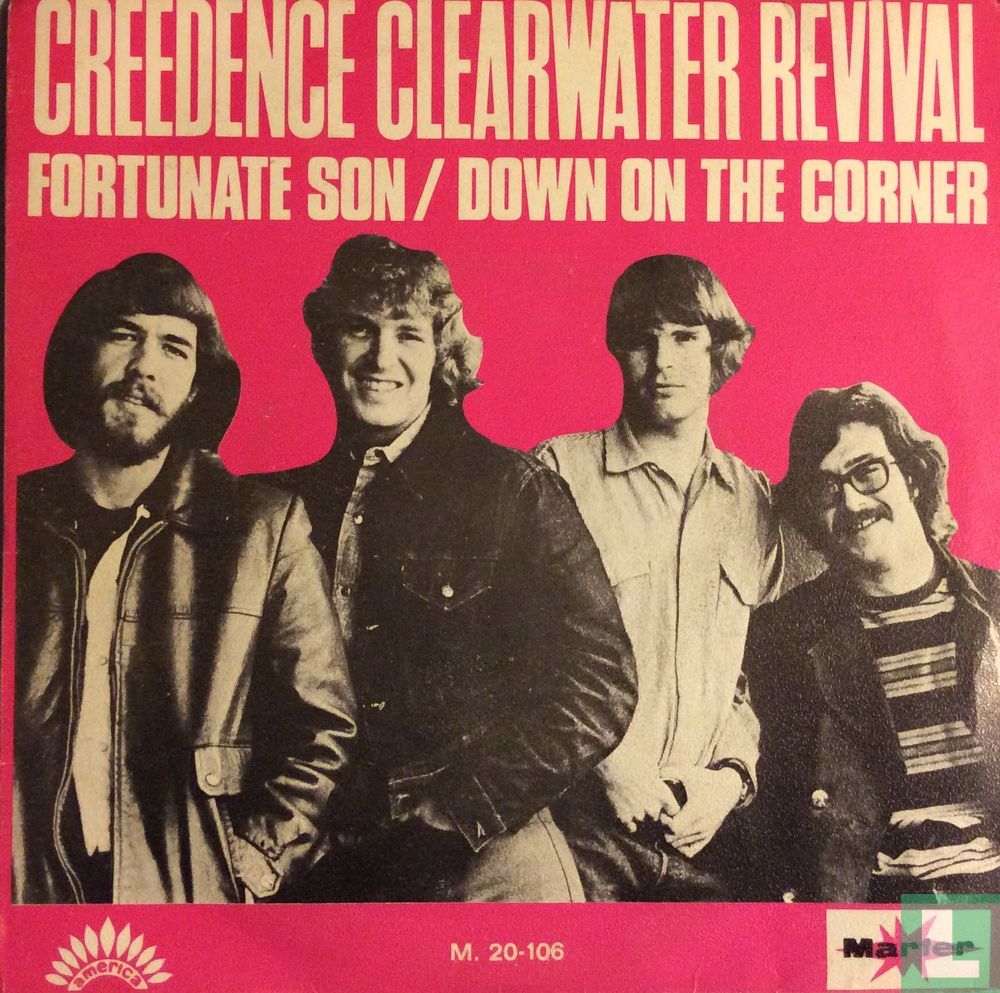
  1. Fortunate Son—Creedence Clearwater Revival  1969

Written by John Fogerty:  Peaked at #3 on the Billboard Hot 100

My #1 protest and social justice song is “Fortunate Son” by Creedence Clearwater Revival (CCR).  Released in September 1969 during the peak period of American involvement in the Vietnam War, this ode quickly became an anti-war movement anthem and is considered a signature song for its author, singer-songwriter John Fogerty.

As Fogerty explained with a post on X, “Fortunate Son is a song I wrote during the Vietnam War, inspired by the stark contrast between those who were drafted to fight and die for their country and those who had the privilege to avoid the draft because of their wealth and connections.”

In 2013, Fogerty’s song was added to the National Recording Registry by the Library of Congress and it is widely regarded as the best overall song ever written by Fogerty. Without a doubt, I rate “Fortunate Son” as my favorite John Fogerty/CCR track of all-time and it is the #1 best protest and social justice song on my 60s and 70s countdown.

That wraps up what I consider to be my favorite and best 60s and 70s protest and social justice songs.  I completely understand that my listing of songs in this category was written from my point of view and is subjective.

If you were creating a similar register of excellent protest and social justice singles, your tabulation may be totally different. What do you consider to be best preeminent singles in this category?

I have passionate memories of the protest and social justice songs that I have shared in this article.  Without a doubt, I still cherish and fondly remember my countdown singles to this day.  Rock on!

To subscribe to my blog via email, please click the “Follow” button in the menu above.

Standard
Broadcasting, Music, Music Countdowns, Pop Music, Radio, Retro Rock

Fantastic Flute Favorites from Top 40 Golden Age

When I think about core instruments in pop rock music, there is one that doesn’t fit into that category: a flute.  While this woodwind may be more at home with orchestras, the breezy sound of flutes was an integral part on many top 40 hits during the 20th century.

With this music blog message, I will be counting down what I consider to be my favorite songs featuring a flute. My selections are mostly tunes that I treasured when I was a teenager or as a young adult and I still love these songs in 2024.

My listing of fantastic flute songs all became hits on the Billboard Hot 100 chart during the golden age of top 40 radio. Obviously, that means that outstanding ensembles, classical masterworks, and any other genre of music outside of pop, rock and soul, are excluded from this article.

To avoid any confusion, here are the criteria that I used to narrow down my listing of outstanding flute songs:

  • My selections were aired on Top 40 radio between the years 1966 and 1976.
  • Only songs released as 45-rpm singles are listed.
  • No album tracks used on countdown.
  • Flute needs to be prominently heard in a song.
  • Lead flute solos on instrumental breaks on songs with lyrical singing.
  • Countdown songs peaked at #40 or higher on the Billboard Hot 100.

There are many top 40 songs that employ flutes as part of their musical mix but the instrument doesn’t standout. A good example of this is the Beatles’ song “Penny Lane.”

This tune features oboes, piccolos, trumpets and a flugelhorn, as well as traditional pop instruments of piano, guitar, bass and drums.  Thus, the flute sound is not distinguishable on this masterpiece song by the Beatles.

And since my countdown only spans from 1966 through 1976, excellent 80s flute singles won’t be listed on this message.  If I had chosen music from the totally tubular decade of the 80s, I surely would have included the 1982 Men at Work song “Down Under” as a superb flute single.

As I surveyed the prominent flute hits, the countdown is entirely based on my opinions. My selections are songs that I deem to be culturally, historically, aesthetically significant, meaningful or relevant.

Before I start the countdown, I am sharing some other first-class flute singles in a couple of different categories. I am a fan of all of the extra songs that didn’t make my favorite flute songs all-time listing.

Songs played on Top 40 and AOR (album-oriented-radio) stations but not released as 45-rpm singles:

  • Moondance—Van Morrison
  • Aqualung—Jethro Tull
  • So Long, Frank Lloyd Wright—Simon & Garfunkel

45-rpm singles that charted number 41 or lower on the Billboard Hot 100 chart

  • Locomotive Breath—Jethro Tull
  • White Bird—It’s a Beautiful Day
  • Can’t You See—The Marshal Tucker Band

This next group are songs that I considered for the flute countdown but fell outside of my top 20 selections. Singles are not ranked and are placed in a random order:

  • Fire on the Mountain—The Marshal Tucker Band
  • Ruby Tuesday—The Rolling Stones
  • Tubular Bells—Mike Oldfield
  • The Good, The Bad and the Ugly—Hugo Montenegro
  • Sing—The Carpenters
  • Walking In Rhythm · The Blackbyrds
  • Bungle in the Jungle—Jethro Tull
  • Kung Fu Fighting—Carl Douglas
  • There is a Mountain—Donovan
  • The Hustle—Van McCoy
  • The Power of Gold—Dan Fogelberg & Tim Weisberg
  • The Pied Piper—Crispian St Peters
  • Paloma Blanca—George Baker Selection
  • Born to Wander—Rare Earth
  • Dark Horse—George Harrison
  • Rockin’ Robin—Michael Jackson
  • Walk Away Renée—The Left Banke

Without further ado, here is my top flute songs countdown:

Top 20 Countdown

20.  You Are the Woman—Firefall (1976)

Peak Positions on Billboard Charts:  Adult Contemporary #6, Hot 100 #9

Written by Rick Roberts. Flute artist David Muse. Biggest hit for Firefall. Band had two other major hits: “Just Remember I Love You” and “Strange Way” both peaked at #11.

19.  I’m Your Captain (Closer to Home)—Grand Funk Railroad (1970)

Peak Positions on Billboard Chart:  #22 Hot 100

Written by Mark Farner. Flute artist: member of the Cleveland Orchestra. First top 40 hit and best-known songs from Grand Funk Railroad.

18.  Hocus Pocus—Focus (1973)

Peak Positions on Billboard Charts: #9 Hot 100, 69th Biggest Song of 1973

Co-written by Thijs van Leer and Jan Akkerman. Flute artist Thijs van Leer. Dutch progressive rock band. A one hit wonder in the U.S.

17.  Spill the Wine—Eric Burdon & War (1970)

Peak Positions on Billboard Charts:  #3 Hot 100, 20th Biggest Song of 1970

Songwriters: Eric Burdon and 7 members of the band War.  Flute artist Charles Miller. Tune is a combination of progressive soul, funk and psychedelic rock.

16.  Hitchin’ a Ride—Vanity Fare (1970)

Peak Positions on Billboard Charts:  #5 Hot 100, 14th Biggest Single of 1970

Co-written by Mitch Murray & Peter Callander. Flute artist: Bernie Hagley. English sunshine pop rock band had two hits in the U.S.  “Early in the Morning” peaked at #12 in early 1970.

15.  The Tears of a Clown—Smokey Robinson & the Miracles (1970)

Peak Positions on Billboard Charts:  #1 Hot 100, #1 Hot Soul

Co-written by Hank Cosby, Smokey Robinson and Stevie Wonder. Flute artist Jim Horn. Song is a 2002 Grammy Hall of Fame inductee. First #1 hit for Robinson and his Miracles group.

14.  Windy—The Association (1967)

Peak Position on Billboard Charts:  #1 Hot 100, 4th Biggest Song of 1967

Written by Ruthann Friedman. Flute artist Gene Cipriano of the Wrecking Crew. Song spent four weeks at #1 during the summer of love 1967. Quintessential sunshine pop single.

13.  It Never Rains in Southern California—Albert Hammond (1972-1973)

Peak Positions on Billboard Charts:  #5 Hot 100, 98th Biggest Song of 1973

Co-written by Albert Hammond and Mike Hazlewood. Flute artists Alan Beutler, Jacky Kelso and Tommy Scott from the Wrecking Crew. Hammond’s biggest top 40 hit.

12.  Undun—The Guess Who (1969)

Peak Positions on Billboard Charts:  15 Adult Contemporary #22 Hot 100

Written by Randy Bachman. Flute artist Burton Cummings.  Originally the B-side of the Guess Who’s hit song “Laughing.” Numerous jazz musicians have recorded covers of “Undun.”

11.  Creeque Alley—The Mamas & the Papas (1967)

Peak Positions on Billboard Charts:  #5 Hot 100, 60th Biggest Song of 1967

Co-written by John Phillips and Michelle Phillips. Flute artist Jim Horn of the Wrecking Crew. Autobiographical account on how the Mamas and the Papas were formed and chronicles early years of the folk-pop group.

10.  Heard It in a Love Song—The Marshal Tucker Band (1977)

Peak Positions on Billboard Charts:  #14 Hot 100, 57th Biggest Song of 1977

Written by Troy Caldwell. Flute artist Jerry Eubanks. Song became a country crossover hit. Was the biggest charting single for the Southern Rock band.

9.    Spinning Wheel—Blood Sweat & Tears (1969)

Peak Positions on Billboard Charts:  #2 Hot 100, 27th Biggest Song of 1969

Written by David Clayton-Thomas. Flute artist Ken Gioffre. “Spinning Wheel” was the second consecutive single to peak at #2, after “You’ve Made Me So Very Happy” did so in April 1969.

8.    El Condor Pasa (If I Could)—Simon & Garfunkel (1970)

Peak Positions on Billboard Charts: #6 Easy Listening, #18 Hot 100

Songwriters: Daniel Alomía Robles (music), Paul Simon (English lyrics), Jorge Milchberg (Arrangement). Flute artists: Los Incas, an Andean folk music group.  This became the last top 40 hit for Simon & Garfunkel before the duo broke up and pursued solo careers.

7.    So Far Away—Carole King (1971)

Peak Positions on Billboard Charts:  #3 Adult Contemporary, #14 Hot 100

Written by Carole King.  Flute artist Curtis Amy.  From the legendary 1971 “Tapestry” album. James Taylor plays acoustic guitar on song.

6.    Living in the Past—Jethro Tull (1969 & 1972)

Peak Positions on Billboard Chart: #11 Hot 100

Written by and flute artist: Ian Anderson.  Originally released as a single in Europe during 1969. In 1972, Jethro Tull’s, “Living in the Past” album dropped and the title track was re-released as a 45-single in the U.S.

5.    Lowdown—Boz Scaggs (1976)

Peak Positions on Billboard Charts:  #3 Hot 100, #5 Hot Soul Singles, 49th Biggest Song of 1976

Co-written by Boz Scaggs and David Paich. Song is categorized in multiple musical genres. R&B, Disco, Jazz, Pop and Yacht Rock. Won a Grammy Award for best R&B song.

4.    California Dreamin’—The Mamas & the Papas (1966)

Peak Positions on Billboard Charts:  #4 Hot 100, #1 Biggest Song of 1966

Written by John Phillips and Michelle Phillips. Flute artist Bud Shank of the Wrecking Crew. Classic “Sunshine Pop” with outstanding vocal harmonies. Signature song for the folk-rock group was inducted into the Grammy Hall of Fame in 2001.

3.    Going Up the Country—Canned Heat (1968-1969)

Peak Position on Billboard Chart: #11 Hot 100

Written by Alan Wilson. Flute artist Jim Horn of the Wrecking Crew.  Tune was adapted from an old 1920 blues song. Canned Heat’s biggest hit single was performed in August 1969 at Woodstock and is considered a “hippie anthem.”

2.    Colour My World—Chicago: (1971)

Peak Positions on Billboard Charts: #7 Hot 100, 56th Biggest Song of 1971

Written by James Pankow. Flute artist Walter Parazaider. “Colour My World” is a short ode from Pankow’s, “Ballet for a Girl in Buchannon” song cycle/suite, on the legendary 1970 “Chicago” (Chicago II) album. Terry Kath sings lead vocals.

  1. Nights in White Satin—The Moody Blues (1967 & 1972)

Peak Positions on Billboard Charts:  #2 Hot 100, 32nd Biggest Song of 1972

Written by Justin Hayward. Flute artist Raymond Thomas. From the 1967 “Days of Future Passed” album and originally released as a single in 1967 and reached #19 in the U.K. It was re-released in the U.S. in 1972 and became a huge hit for the British band.

Musical backup on the track was provided by the London Festival Orchestra and the song is considered a progressive rock masterpiece. The 1972 single was inducted into the Grammy Hall of Fame in 1999.

I proclaim “Nights in White Satin” as my third favorite song of all-time and the Moody Blues hit is number 1 on my countdown of fantastic flute singles from the Top 40 golden age.

That wraps up what I consider to be my favorite and best flute hits. I completely understand that my listing of songs in this category was written from my point of view and is subjective.

If you were creating a similar register of excellent flute hits, your tabulation may be totally different. What do you consider to be the best preeminent flute singles?  I hope you will comment below.

Listening to music from the golden age of Top 40 radio will always have a special place in my heart.  I still cherish and fondly remember my favorite flute singles of all-time.

To subscribe to my blog via email, please click the “Follow” button in the menu above.

Standard
Broadcasting, Music, Music Countdowns, Pop Music, Radio, Retro Rock

We Are the World: The Greatest Night in Pop

“We are the world/We are the children/We are the ones who make a brighter day/So let’s start giving/There’s a choice we’re making/We’re saving our own lives/It’s true we’ll make a better day/Just you and me” Lyrics by Michael Jackson and Lionel Richie: “We Are the World” January 1985.

DJ Dave note: The day that I published this music blog article, March 7, 2024, was the 39th anniversary of when the USA for Africa single and video for “We Are the World” was released: 3/7/85.

One of the best musical documentaries that I have viewed this decade is “The Greatest Night in Pop.”  The 2024 film focuses on a charity single called “We Are the World” which was recorded over the course of a 12-hour period during late January 1985.

I want to thank my friend Jerry English for giving me the idea and inspiration for this latest music blog message. I am grateful that Jerry encouraged me to watch “The Greatest Night in Pop” film last month and I highly recommend viewing this outstanding documentary.

While I won’t be giving a review of “The Greatest Night in Pop” movie, I will be sharing about certain aspects of the film, the recording of “We Are the World”, and the songs significance in modern music history.

I also will be communicating what I consider to be the best 1980s singles by 15 of the artists who had solo vocal lines within the 1985 charity song. Every song that I will be listing was a major pop hit during the 80s.

“We Are the World” was written by Michael Jackson and Lionel Richie, with Quincy Jones and Michael Omartian producing the song which was recorded by a supergroup of pop artists called USA for Africa.

According to “The Greatest Night in Pop” documentary, over 40 pop artists assembled at A&M Recording Studios in Hollywood, California, to record final vocal tracks for the “We Are the World” song.

Michael Jackson arrived first for this historic musical event around 8:00 pm. Soon after scores of other artists came on the scene, with many coming directly from the American Music Awards happening that evening, including the host of the annual music ceremony Lionel Richie.

Around 10:30 pm, Quincy Jones gathered the vocal artists and musicians together to start the recording process. This assembled multitude worked throughout the night during their marathon recording session completing the final audiotape at 8:00 am.

Six weeks later on March 7, 1985, “We Are the World” was released as a single.  The song was an immediate hit: Reaching number 1 on three Billboard charts: R&B Singles chart, Hot Adult Contemporary Tracks listing and the Hot 100 Pop singles survey, where it spent 4 weeks at the top spot.

After “We Are the World” was released, it was honored by multiple music awards.  In 1986, the song achieved 4 Grammy Awards. The single also received awards by MTV for its music video, a People’s Choice Award and an American Music Award.

The original inspiration for artists to come together and record a song for African famine relief came from Harry Bellafonte. He is quoted on the USA for Africa website about the lasting effect of the “We Are the World” single:

“In 1985, the music industry and the world came together in an unprecedented outpouring of generosity in response to the tragic famine wreaking havoc in Africa at the time. The biggest names in music ‘checked their egos at the door’ to create what was and still is a worldwide phenomenon.”

Bellafonte continues: “The recording of the original We Are the World sold more than 7 million records worldwide. The worldwide sale of that record generated more than $60 million which has been used to assist Africa and Africans affected by the famine and other critical issues since 1985. The song became and remains the people’s anthem and continues to be revered and loved globally.”

Below are artists who sang solo parts on the “We Are the World” song:

  • Lionel Richie
  • Stevie Wonder
  • Paul Simon,
  • Kenny Rogers,
  • James Ingram
  •  Tina Turner
  •  Billy Joel
  •  Michael Jackson
  •  Diana Ross,
  •  Dionne Warwick
  •  Willie Nelson
  •  Al Jarreau
  •  Bruce Springsteen
  •  Kenny Loggins
  •  Steve Perry
  •  Daryl Hall
  •  Huey Lewis
  •  Cyndi Lauper
  •  Kim Carnes
  •  Bob Dylan
  •  Ray Charles

For the remainder of this message, I will convey what I consider to be the best and most memorable 80s pop hits, by 15 of the artists who had solo parts on the “We Are the World” recording. The songs that I have selected were all major top 40 singles from 1980 through 1989.

The top 15 songs and artists that I have picked are entirely based on my opinions. My selections are singles that I deem to be culturally, historically, aesthetically significant, meaningful or relevant.

In researching historical musical data for this article, I used “The Billboard Book of Top 40 Hits” by Joel Whitburn for documentation. The placement of singles on the countdown derives solely on my favorability of songs and not on how I rate each of the artists listed.

Now without further ado, here is my countdown of 15 outstanding singles from “We Are the World” singers:

15.  That’s What Friends Are For—Dionne Warwick: 1985

 Positions on Billboard Charts:  #1 Hot 100, The #1 biggest single of 1986

That’s What Friends Are For” was written by Burt Bacharach and Carole Bayer Sager and was recorded as a charity single for AIDS research and prevention.  The 45-rpm record label says: “Dionne and Friends” who were Elton John, Gladys Knight, and Stevie Wonder.   Won two Grammy Awards in 1986.

14.   Lady—Kenny Rogers: 1980

Positions on Billboard charts:  #1 Hot 100, 3rd biggest song of 1986

Lionel Richie wrote and produced “Lady” for Kenny Rogers. It was the first song of the 80s to chart on all four Billboard singles charts – Country, Hot 100, Adult Contemporary and Hot Soul. Rated as the 10th biggest single in the 80s decade.  Biggest selling song in Rogers’ career.

13.   On the Road Again—Willie Nelson: 1980

Positions on Billboard Charts:  #1 Hot Country, #7 Adult Contemporary, #20 Hot 100

Country crossover hit. Written by Willie Nelson for the movie “Honeysuckle Rose.” The artist also starred as the lead actor in the 1980 film. Won a Grammy Award for “Best Country Song.”  Became the 9th number one country hit for the singer-songwriter and is considered a signature song for Nelson.

12.   Upside Down—Diana Ross: 1980

Positions on Billboard Charts: #1 Hot 100, 18th Biggest song of 1980

“Upside Down” was written and produced by Nile Rodgers and Bernard Edwards, who were members of the R&B band Chic in 1980.  Big international hit for Diana Ross. Billboard ranks single at #80 on their “Hot 100, 60th Anniversary” chart.

11.   Betty Davis Eyes—Kim Carnes: 1981

Position on Billboard Charts:  #1, Hot 100, The #1 biggest single of 1981

Written in 1973 by Jackie De Shannon and Donna Weiss. Signature song for Kim Cranes. Single spent nine non-consecutive weeks at #1 on the Billboard Hot 100. Won 2 Grammys Awards for Song of the Year” and “Record of the Year.”

10.   Footloose—Kenny Loggins: 1984

Peak Positions on Billboard Charts:  #1 Hot 100, 4th Biggest Song of 1984

Kenny Loggins co-wrote “Footloose” with Dean Pitchford for a 1984 movie that shares the same name as the Loggins’ song. It was the biggest selling single for the “yacht rock” music maestro.  The first of two number 1 hits from the “Footloose” film (“Let’s Hear It for the Boy” by Denise Williams was second #1 single from movie).

9.     Girls Just Want to Have Fun–Cyndi Lauper: 1984

Peak Positions on Billboard Charts:  #2 Hot 100, 15th Biggest Song of 1984

Singer-songwriter Cyndi Lauper wrote “Girls Just Want to Have Fun” which was her debut single from the album “She So Unusual.”  Has become a feminist anthem and signature song for Lauper. Won top honors with a MTV Music Video Award and an American Video Award for this successful clip.

8.     You Can Call Me Al—Paul Simon: 1986

Peak positions with Billboard Charts:  #15 Adult Contemporary, #23 Hot 100

A world-wide hit for singer-songwriter Paul Simon who penned this song for the 2-time Grammy winning album “Graceland.”  Artist used African musicians on single, mixing pop, rock, jazz and zydeco, with musical styles that originated in South Africa. Biggest hit for Simon during the 80s.

7.     What’s Love Got to Do with It—Tina Turner: 1984

Peak Positions on Billboard Charts: #1 Hot 100, 2nd Biggest Song of 1984

Comeback song for Tina Turner and became her biggest selling single. “What’s Love Got to Do with It” received 3 Grammy Awards: for “Record of the Year”, “Song of the Year” and “Best Female Pop Vocal Performance.” Was inducted into the Grammy Hall of Fame in 1989.

6.     Oh, Sherrie—Steve Perry: 1984

Peak Positions on Billboard Charts: #3 Hot 100, 33rd Biggest Song of 1984

First solo single for Steve Perry from the album “Street Talk.”  Artist was still a member of Journey when “Oh, Sherrie” was a hit song during the summer of ’84.  Was the biggest selling solo single by the outstanding rock vocalist.

5.     Born in the USA—Bruce Springsteen: 1984

Peak Positions on Billboard Charts:  #9 Hot 100, 92nd Biggest Hit of 1984

Title track from the Bruce Springsteen 1983 album “Born in the USA.”  One of the best-known songs by the Boss. The third of 7 top ten singles on the Billboard Hot 100 from legendary LP (1983-1985).  The song is still a staple on classic rock radio stations here in 2024.

4.     We Didn’t Start the Fire—Billy Joel: 1989

Peak Positions on Billboard Charts: #1 Hot 100, 35th Biggest Song of 1989

Billy Joel wrote the lyrics of “We Didn’t Start the Fire” which document historical, political, cultural and sports highlights between the years 1948 and 1989. The “Piano Man” sings in a rapid paced manner that calls for multiple listens to comprehend all of the historical events mentioned. Joel still performs this song as the first encore selection at every one of his 2024 concerts.

3.     The Power of Love—Huey Lewis: 1985

Positions on Billboard Charts:  #1 Hot 100, 15th Biggest Song of 1985

“The Power of Love” was written by Huey Lewis, along with Lewis Hayes and Johnny Colla for the 1985 film “Back to the Future. The single is backed up by Lewis’ band the News and became that band’s first #1 chart topping song.  It was one of the biggest singles from the summer of ’85.

2.     All Night Long (All Night)—Lionel Richie: 1983

Peak Positions on Billboard Charts: #1 Hot 100, 12th Biggest Song of 1984

The most successful solo single by the former lead singer of the Commodores. Written by Lionel Richie, “All Night Long” has a diversity of musical elements: pop, rock, and R&B, mixed with a Caribbean/African beat. This Richie signature song is still a favorite to play at wedding receptions this decade.  

  1.  Man in the Mirror—Michael Jackson: 1988

Peak Positions on Billboard Charts: #1 Hot 100, 21st Biggest Song of 1988

My number 1 song on the countdown is by the “King of Pop” Michael Jackson.  “Man in the Mirror” was written by Glen Ballard and Siedah Garrett, produced by Quincy Jones and Jackson.

The Andraé Crouch Choir recorded background gospel vocals on the song and it became Jackson’s 4th consecutive single from the 1987 “Bad” album to peak at number 1 on the Billboard Hot 100.

The message of the lyrics offer encouragement: “I’m starting with the man in the mirror/I’m asking him to change his ways/And no message could have been any clearer/If you wanna make the world a better place/Take a look at yourself and then make a change.”

“Man in the Mirror” is my favorite Michael Jackson solo song of all-time and I am glad to proclaim this excellent song to be my number 1 single of outstanding pop hit by artists who had solo vocals on “We Are the World.”

That wraps up my countdown on what I consider to be the 15 best singles from the “We Are the World” solo singers.  I completely understand that my listing of 80s singles in this category was written from my point of view and is subjective.

If you were creating a similar register of excellent 80s pop hits by the same artists, your tabulation may be totally different. What do you consider to be the best singles by the “We Are the World” pop stars? I hope you will comment below.

In closing, I must ask this question:  Is the recording in late January 1985 of “We Are the World” the greatest night in pop?  Obviously, the answer to this query is debatable.

I will say that the assembly of over 40 artists for “We Are the World” has to be considered the greatest gathering ever of pop music superstars with the recording of this historic session. It may never be duplicated again.

Will there ever be another version of fundraising similar to what pop artists did with “We Are the World” in 1985? I am hoping that type of event will happen this century.  Rock on!

To subscribe to my blog via email, please click the “Follow” button in the menu above.
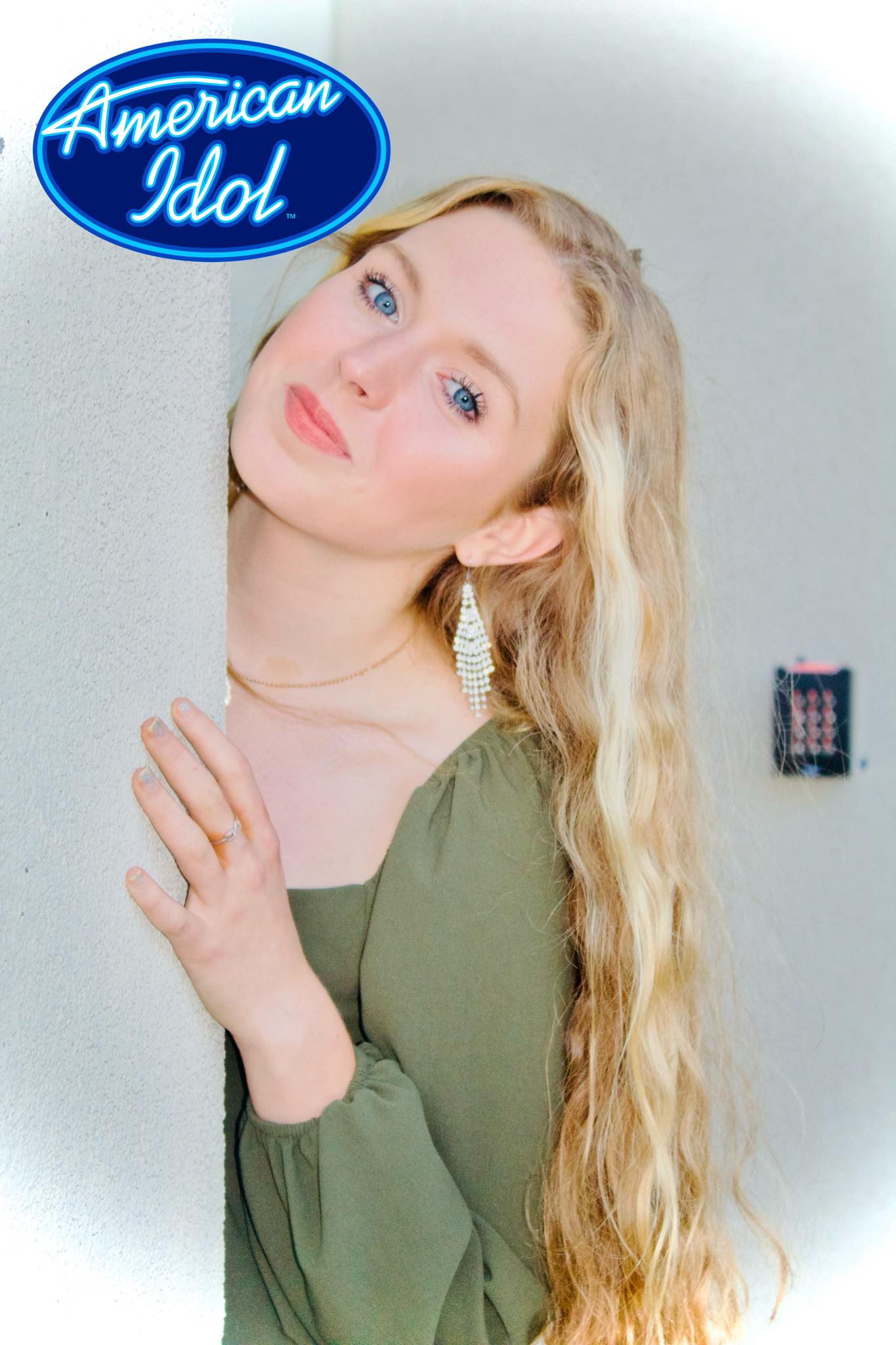
Standard
Broadcasting, Music, Music Countdowns, Radio, Retro Rock

1983 Outstanding Hit Singles and MTV Videos

Some music historians have called 1983 the last great year for pop music. Billboard magazine lists that 60 percent of the Hot 100 singles that charted 40 years ago were in the pop rock category.

With my latest music blog message, I will be counting down what I consider to be my favorite singles and videos that MTV aired during 1983.

The genesis of pop music’s explosion in the 80s goes back to the demise of disco music being aired on Top 40 stations. In lieu of playing disco hits, radio playlists consisted of mainly pop, rock, easy listening ballads and country crossover singles.

In my hometown of Roanoke, Virginia, K92 FM 92.3 was the number 1 rated radio station. This hot, hip and happening Top 40 outlet remained the biggest and most listened to station throughout the 80s decade. Below is an audio clip of K92’s David Lee Michaels from July 1981.

Elsewhere in the early 80s, many top 40 programmers and consultants rebranded their stations with a new format name: “Contemporary Hit Radio” (CHR).  Most of these CHR outlets were on the FM dial.

During 1981, radio consultant Mike Joseph was hired by WCAU FM Philadelphia, Pennsylvania, to set a new tone for that radio station.  Joseph created the “Hot Hits” radio format for WCAU and is credited as revitalizing CHR/Top 40 radio for FM stations in the 80s.

One of the DJs on WCAU FM was Terry Young, who began his career in 1973 working at WROV 1240 AM Roanoke.  Below is an audio clip of Young on WCAU FM in 1983, provided by Ellis Feaster via YouTube.

1983 also saw the launch of CHR Z100 New York.  This legendary radio station was programmed by DJ Scott Shannon and went from “worst to first” with ratings in just 60 days. I am sharing an audio clip of Shannon on Z100’s third day on the air, August 4, 1983. Aircheck provided by Ellis Feaster via YouTube.

The rise of pop music can also be attributed to the advent of airing music video clips on cable TV.  Music Television (MTV) debuted on August 1, 1981 and MTV totally revolutionized how music was heard and seen by folks in the United States.

During the first 18 months of MTV, the cable music channel aired an “Album Oriented Rock” (AOR) format.  One of the chief criticisms of MTV during this time period was the lack of music videos by Black artists being played on the cable music channel.

It wasn’t until March 1983, that Michael Jackson’s video for “Billie Jean” was added and became the first video by a Black artist to be aired in heavy rotation on MTV.  In my humble opinion, Jackson’s “Billie Jean” clip is the number one best and most influential music video that MTV aired during the first two years in operation.

Soon after, MTV added “Little Red Corvette” by Prince into its hot rotation. Then “Beat It” by Michael Jackson and “1999” from Prince were regularly aired on MTV.  Finally Black music had a place on the cable music channel.

Probably the most renowned video that MTV played in 1983 was from the “King of Pop” Michael Jackson and his single “Thriller.”  This clip was released during the fall of ‘83 and set the standard for well-produced music videos during the 80s decade.

Other influential video clips aired on MTV during 1983:

  • Hungry like the Wolf—Duran Duran
  • Rio—Duran Duran
  • Every Breathe You Take—The Police
  • King of Pain—The Police
  • Sweet Dreams (Are Made of This)—The Eurythmics
  • Total Eclipse of the Heart—Bonnie Tyler
  • Sharp Dressed Man—ZZ Top
  • Modern Love—David Bowie

For the remainder of this message, I will be counting down what I consider to be the best CHR singles of 1983. The countdown is entirely based on my opinions. My selections are songs that I deem to be culturally, historically, aesthetically significant, meaningful or relevant.

In researching 1983 historical musical data for this article, I used 3 sources:  Billboard and Cash Box magazines, along with MTV, for documentation.

Before staring the countdown, below are 1983 singles that I consider to be excellent songs but fell outside my top 25 selections. These selections are not ranked and are placed in a random order:

  • Der Kommissar—After the Fire
  • The Safety Dance—Men Without Hats
  • Too Shy—Kajagoogoo
  • Jeopardy—The Greg Kihn Band
  • She Works Hard for the Money—Donna Summer
  • Straight from the Heart—Bryan Adams
  • I Know There’s Something Going On—Frida
  • 99 Luftballons—Nena
  • Shock the Money—Peter Gabriel
  • Photograph—Def Leppard
  • Back on the Chain Gang—The Pretenders
  • Our House—Madness
  • Lawyers in Love—Jackson Browne
  • Heart to Heart—Kenny Loggins
  • Rock the Casbah—The Clash
  • Come Dancing—The Kinks
  • Breaking Us in Two—Joe Jackson
  • You Got Lucky—Tom Pretty & the Heartbreakers
  • Maneater— Daryl Hall & John Oates
  • Maniac—Michael Sembello
  • Electric Avenue—Eddie Grant
  • Tell Her About It—Billy Joel
  • Islands in the Stream—Kenny Rogers & Dolly Parton
  • (Keep Feeling) Fascination—The Human League
  • True—Spandau Ballet

Without further ado, my quality 1983 CHR singles countdown begins:

25.  Love is a Battlefield—Pat Benatar

Peak Positions on Billboard Charts:   #1 Mainstream Rock: #5 Hot 100

Up tempo song, mixing traditional rock instruments with electronic dance music. Pat Benatar won a Grammy Award for “Best Female Rock Vocal Performance” with this single.

24.  Heart and Soul—Huey Lewis & the News

Peak Positions on Billboard Charts:  #1 Top Rock Tracks, #8 Hot 100

First single from the 1983 “Sports” album which produced 5 top 20 hits. Nominated for a Grammy Award in the category of “Best Rock Vocal, Group.”

23.  China Girl—David Bowie

Peak Positions on Billboard Charts:  #3 Mainstream Rock, #10 Hot 100

Written by Iggy Pop and David Bowie.  Co-produced by Nile Rodgers. Second top 10 hit from the “Let’s Dance” album. Clip of the song won an MTV video award for “Best Male Video.”

22.  Dirty Laundry—Don Henley

Peak Positions on Billboard Charts: #1 Top Rock Tracks, #3 Hot 100

 First solo hit for Don Henley. An all-star group of musicians play on single: Timothy B. Schmit, Joe Walsh, Steve Lukather, Danny Kortchmar, and Steve Porcaro. Lyrics portray callousness and insensitivity of network news anchors.

21.  Beat It—Michael Jackson

Peak Positions on Billboard Charts:  #1 Hot 100, 5th Biggest Song of 1983

The “King of Pop” scored a massive hit with this rock song. Features a guitar solo by Eddie Van Halen. Single sold 11 million copies world-wide. Won two Grammy Awards: for “Record of the Year” and “Best Male Rock Vocal Performance.”

20.  Stand Back—Stevie Nicks

Peak positions on Billboard Charts: #2 Top Rock Tracks, #5 Hot 100

Stevie Nicks penned this new wave, synth rock hit. Prince played synthesizer during recording but was uncredited on the track. The Fleetwood Mac singer-songwriter continues to perform “Stand Back” during solo concerts here in 2023.

19. She’s a Beauty—The Tubes

Peak Positions on Billboard Charts:  #1 Top Rock Tracks, #10 Hot 100

Single was co-written by Tubes band member Fee Waybill, producer David Foster and Toto guitarist Steve Lukather. Biggest top 40 hit for the San Francisco-based rock band.

18.  Twilight Zone—Golden Earring

Peak Positions on Billboard Charts: #1 Mainstream Rock, #10 Hot 100

 Golden Earring’s guitarist George Kooymans wrote this driving rock single. One of two top 40 hits by the Dutch band (“Radar Love” reached #13 in 1974).

17.  Let’s Dance—David Bowie

Peak Positions on Billboard Charts: #1 Hot 100, 18th Biggest Song of 1983

David Bowie wrote song and co-produced the track with Nile Rodgers. Incorporates pop, rock, funk and new wave with a superb bass line. Diverse musical instruments on track: trumpet, saxophone, guitar, woodblocks, congas and tambourine.

16.  Mr. Roboto—Styx

Peak Positions on Billboard Charts: #3 Mainstream Rock, #3 Hot 100

Track is from “Kilroy Was Here” a concept rock opera album by Styx. Written by band member Dennis DeYoung, who sang lead vocals and played keyboards on single.

15.  Owner of a Lonely Heart—Yes

Peak Positions on Billboard Charts: #1 Hot 100, #1 Mainstream Rock

The band Yes switched up their progressive rock sound on this chart-topping song. Jon Anderson provides lead vocals. Tune is a mixture of pop, rock, electronic dance music.

14.  Uptown Girl—Billy Joel

Peak Positions on Billboard Charts: #5 Hot 100, #8 Top Rock Tracks

A tribute to Frank Valli and the Four Seasons.  Video featured Christie Brinkley, who married Billy Joel two years later in 1985.

13.  She Blinded Me with Science—Thomas Dolby

Peak Positions on Billboard Charts:  #5 Hot 100, #6 Top Rock Tracks

Quirky new wave synth-pop. Thomas Dolby was also a producer and session musician.  The artist is considered a one hit wonder in the U.S.

12.  Africa—Toto

Peak Positions on Billboard Charts: #1 Hot 100, #5 Adult Contemporary

Toto’s band members David Paich and Jeff Porcaro co-wrote song. Signature song by group. Rolling Stone rates “Africa” as one of the “Greatest songs of all-time.”

11.  Down Under—Men at Work

Peak Positions on Billboard Charts:  #1 Hot 100, #1 Top Rock Tracks

Considered a patriotic song in Men at Work’s home country of Australia. Co-written by band members Colin Hay and Ron Strykert. Second consecutive number 1 single on Billboard Hot 100.

10.  Burning Down the House—Talking Heads

Peak Positions on Billboard Charts: #6 Top Rock Tracks, #9 Hot 100

New York City rock band.  Biggest top 40 hit for group. Single is a combination of pop, new wave, art rock and funk. David Byrne is lead singer.

9.    Allentown—Billy Joel

Peak Positions on Billboard Charts: #17 Hot 100, 43rd Biggest Song of 1983

Billy Joel’s chronicle with the decline of blue-collar manufacturing in Rust Belt America. This pop rock tune was one of four top 20 singles for the “Piano Man” during ’83.

8.    Synchronicity II—The Police

Peak Position on Billboard: #16 Hot 100

Powerful driving rock single written by band member Sting.  Lyrics depicts the theory of synchronicity, a concept by Swiss psychiatrist Carl Jung.  The third of four top 20 hits in 1983 by the Police.

7.    Separate Ways (Worlds Apart)—Journey

Peak Positions on Billboard Charts: #1 Top Rock Tracks, #8 Hot 100

Co-written by Jonathan Cain and Steve Perry of Journey. Up-tempo rock with a Motown/R&B groove. Song is still a crowd favorite during Journey concerts during 2023.

6.    Steppin’ Out—Joe Jackson

Peak Positions on Billboard Charts: #4 Adult Contemporary, #6 Hot 100

New wave, synth pop, rock single. Has a catchy tune. Biggest selling hit in the U.S. for Joe Jackson. Lyrics celebrate driving/cruising around town with a lover or significant other relationship.

5.    Human Nature—Michael Jackson

Peak Positions on Billboard Charts: #2 Adult Contemporary, #7 Hot 100

Produced by Quincy Jones. Members of the band Toto are the musicians on this smooth yacht rock single. Michael Jackson’s fifth consecutive top 10 ten hit from the biggest album of 1983: “Thriller.” An outstanding melodic ballad.

4.    Major Tom (Coming Home)—Peter Schilling

Peak Positions on Billboard Chart:  Number 2 Dance, #14 Hot 100

Major Tom was a character in David Bowie’s “Space Oddity” single. German songwriter Peter Schilling created an unofficial response to Bowie’s character with this 80s hit. Tune has a pulsating synth-pop beat and was popular on dance floors in the U.S.

3.    The One Thing—INXS

Peak Positions on Billboard Chart: #2 Top Rock Charts

MTV introduced Australian rock group INXS to America.  Michael Hutchence, and Andrew Farriss of the band co-wrote “The One Thing.”  The first U.S. hit for INXS paved the way for international success during the mid 80s.

2.    Overkill—Men at Work

Peak Positions on Billboard Charts: #3 Hot 100, #3 Mainstream Rock

Written by Men at Work band member Colin Hay. This melodic tune features outstanding saxophone playing by Greg Ham. Third consecutive top 3 U.S. smash hit by the Australian band.

  1. New Year’s Day—U2

Peak Positions on Billboard Chart: #2 Top Rock Tracks

My top selection on this countdown is “New Year’s Day” by U2.  The lyrics for this song are credited to all four members of the Irish band.

The “New Year’s Day” single was the first track from U2’s 1983 “War” album. Subject matter of the song was inspired by the Polish Solidarity movement of the early 80s.

Musically, it features a distinctive bassline by Adam Clayton, melodic piano and guitar playing from the Edge, superb drumming by Larry Mullen Jr. and strong, heartfelt vocals from Bono.

Without a doubt, I proclaim that “New Year’s Day” as my favorite U2 song of all-time. And the band’s first single to chart in the U.S. on the Billboard Hot 100, is my number 1 best CHR single of 1983.

That wraps up what I consider to be my favorite and best top CHR hits for 1983. I completely understand that my listing of songs in this category was written from my point of view and is subjective.

If you were creating a similar register of excellent 1983 singles, your tabulation may be totally different. What do you consider to be best preeminent singles from ’83? I hope you will comment below.

Listening to music on CHR radio and watching music video clips from MTV during 1983, will always have a special place in my heart.  I still cherish and fondly remember the excellent music of 40 years ago.  Rock on!

To subscribe to my blog via email, please click the “Follow” button in the menu above.

Standard