Artist Profiles, Music, Music Countdowns, Radio

Superb Soul Singles of Stax Records:  1965 to 1972

“Do you like good music, that sweet soul music, just as long as it’s swinging, oh yeah, oh yeah.”

Above are the opening lyrics to Arthur Conley’s 1967 smash hit “Sweet Soul Music” which was co-written by Otis Redding, Sam Cooke and Conley.  This song remains a shining example of excellent soul singles released by Stax Records, which had recording studios in Memphis, Tennessee.

With this month’s music blog message, I am featuring some of the most beloved Southern soul music singles from Stax Records. I will countdown my baker’s dozen: what I consider to be the 13 best and most influential Stax soul top 40 hits spanning from 1965 until 1972.

Before I share my selections, I want to give a brief history of Stax which was founded during 1957. This Memphis recording company was on the forefront with the advancement of Southern Black Music:  Soul, rhythm and blues, gospel and funk.

Stax became the second largest company producing soul music, just behind Motown Records of Detroit, Michigan during the mid 60s to early 70s.

According to the current 2023 Stax Records Dot Com website: “Stax placed more than 167 hit songs in the Top 100 on the pop charts, and a staggering 243 hits in the Top 100 R&B charts.”

When discussing the early years of Stax, it must be noted that there were other record label names associated with the Memphis music company: the biggest in this category is Volt Records.  It was founded in 1961 as a Stax subsidiary R&B label.  

Music recorded by Stax/Volt Records and other subsidiary labels during the early years (1957-1968) was distributed by ATCO Records, which was owned by Atlantic Records.   

After Atlantic departed ways with Stax, the company was independent until 1972 when CBS Records distributed for the Memphis organization.  Five years later, Fantasy Records bought Stax as the label had declared bankruptcy.

Below are the criterion I am using for my Stax/Volt soul singles countdown: 

  • Only one song per artist.  This will allow 13 different recording acts to be a part of the countdown instead of multiple songs from a singer like Otis Redding.
  •  Song was a Top 10 hit on Billboard’s Hot R&B (Soul) singles chart.
  •  Selection also was a crossover hit on the Billboard Hot 100 chart, peaking #30 or higher.

Below are excellent Stax soul singles outside of my countdown.  Songs listed in random order and not ranked:

  • Groovin’ – Booker T. and the MG’s – 1967
  • Hang ‘Em High – Booker T. and the MG’s – 1968
  • Hold on! I’m Comin’–Sam and Dave – 1966
  • I Thank You – Sam and Dave – 1968
  • B-A-B-Y – Carla Thomas – 1966
  • Do the Funky Chicken–Rufus Thomas – 1970
  • I’ve Been Loving You Too Long – Otis Redding – 1965
  • Try a Little Tenderness – Otis Redding – 1966
  • Tramp – Otis Redding and Carla Thomas – 1967
  • Respect – Otis Redding – 1965
  • In the Midnight Hour – Wilson Pickett — 1965
  • Satisfaction – Otis Redding – 1966
  • Knock on Wood – Otis Redding and Carla Thomas – 1967
  • Testify (I Wonna) – Johnnie Taylor – 1969
  • I’ve Been Loving You Too Long – Otis Redding — 1965

Without further ado, here are my selections:

13. (If Loving You is Wrong) I Don’t Want to be Right—Luther Ingram (1972)

Peak Positions on Billboard Charts:  #1 Hot R&B, #3 Hot 100, 16th biggest song 1972

Singer-songwriter born in Jackson, Tennessee. Biggest hit by artist. Song was covered by multiple artists including a number one country single by Barbara Mandrell.

12. Whatcha See is Whatcha Get—The Dramatics (1971)

Peak Positions on Billboard Charts:  #3 Hot R&B, #9 Hot 100, 46th biggest song 1971

Vocal music group from Detroit, Michigan.  Lead singer Ron Banks provides scatting on song. The Dramatics had a second top ten smash with “In the Rain” in 1972.

11. Who’s Making Love—Johnnie Taylor (1968)

Peak Positions on Billboard Charts:  #1 Hot R&B, #5 Hot 100

Song features Stax house band, Booker T. & the M.G.’s, and Isaac Hayes playing keyboards.

Johnnie Taylor nicknamed “The Philosopher of Soul.”  Instruments on tune were played by Booker T and the MGs and keyboards by Isaac Hayes.  Had a number one in 1976 with “Disco Lady.”

10. Soul Finger—The Bar-Kays (1967)

Peak Positions on Billboard Charts: #3 Hot R&B, #17 Hot 100, 67th biggest song 1967

Instrumental ensemble that was Otis Redding’s band. Tune became group’s first hit.  Tragedy struck in December 1967 as Redding and four members of the band died in a plane crash. The Bar Kays re-formed in the 70s as a funk band.

9. Theme from Shaft—Isaac Hayes (1971)

Peak Positions on Billboard Charts: #1 Hot 100, #2 Hot R&B, 89th biggest song 1971

Theme song from the 1971 film “Shaft” was written by Isaac Hayes. The mostly instrumental single won two Grammy Awards for “Best Instrumental Arrangement” and “Best Original Score Written for a Motion Picture or TV Special.”

8. Mr. Big Stuff—Jean Knight (1971)

Peak position on Billboard Charts:  #1 R&B, #2 Hot 100:  17th biggest song 1971

A sassy, upbeat soul song, that has an excellent bass line. Jean Knight’s song was nominated for Best Female R&B Vocal Performance at the 1972 Grammy Awards.

7. Knock on Wood—Eddie Floyd (1966)

Peak Positions on Billboard Charts:  #1 Hot R&B, #28 Hot 100

Written by Eddie Floyd and Steve Cooper.  Song was covered by fellow Stax artists Otis Redding and Carla Thomas in 1967 and later in 1979 from Amii Stewart.  Floyd was named to the Memphis Music Hall of Fame in 2018.

6. Sweet Soul Music—Arthur Conley (1967)

Peak Position of Billboard Charts:  #2 Hot 100, #2 Hot R&B, 17th Biggest Song of 1967

“Sweet Soul Music” was co-written by Arthur Conley and Otis Redding. Lyrics honors some of the biggest R&B artists from the mid 60s:  The Miracles, Lou Rawls, Sam & Dave, Wilson Pickett, Otis Redding and James Brown. Brass instruments create a rich sound on the tune.

5. Time is Tight—Booker T & the MGs (1969)

Peak Positions on Billboard Charts:  #6 Hot 100, #7 Hot R&B, 63rd Biggest Hit of 1969

Booker T and the MGs were a mainstay with Stax and are considered the quintessential R&B instrumental band of the 60s. These musicians had seven Top 40 hits and the group was inducted into the Rock & Roll Hall of Fame in 1992.

4. I’ll Take You There—The Staple Singers (1972)

Peak positions on Billboard Charts:  #1 Hot 100, #1 Hot R&B, 19th biggest song 1972

Lyrics feature message on civil rights, social conditions and has religious overtones.  Song is in the Grammy Hall of Fame. The Staple Singers were inducted into the Rock & Roll Hall of Fame in 1999.

3. Soul Man—Sam and Dave (1967)

Peak Positions on Billboard Charts:  #1 Hot R&B, #2 Hot 100, 19th biggest song 1967

Sam Moore and Dave Prater are considered one of the greatest live performing artists of the 60s.  “Soul Man” received a Grammy Award in 1968 and this dynamic duo have been inducted into 4 musical hall of fame organizations.

2. Mustang Sally—Wilson Pickett (1965)

Peak Positions on Billboard Hot 100:  #6 Hot R&B, #23 Hot 100

Singer-songwriter Wilson Pickett is recognized as a pioneer in the development of Southern soul music.  Inducted into the Rock & Roll Hall of Fame in 1991.  “Mustang Sally” is on Rolling Stone’s “500 Greatest Songs of all-time” listing.

  1. (Sittin’ On) The Dock of the Bay—Otis Redding (1967)

Otis Redding is regarded as one of the all-time greatest singers of the 20th Century. Known as the “King of Soul”, this singer-songwriter gave spirited concert performances during his short music career.

As a songwriter, Redding penned the song “Respect” that Aretha Franklin covered and turned into a massive hit.  Another well-known song by the King of Soul” is “Try a Little Tenderness.”

“(Sittin’ On) The Dock of the Bay” by Redding is my number one top selection on my countdown of the best Stax songs of all-time. Redding recorded this composition 3 days before he perished in a plane crash near Madison, Wisconsin on December 10, 1967.

Released as a single during January 1968, “(Sittin’ On) The Dock of the Bay” became the first posthumous number 1 song to chart on the Billboard Hot 100.  It remains one of the most iconic top 40 singles of the 60s.

During 1969, Redding received 2 posthumous Grammy Awards for his best known and well-loved signature song.  Without a doubt, I have “(Sittin’ On) The Dock of the Bay” as the #1 greatest Stax superb soul single ever made.

That wraps up what I consider to be the 13 essential Stax/Volt soul singles from the 60s and 70s. I completely understand that my listing of songs in this category was written from my point of view and is subjective.

If you were creating a similar register of excellent soul hits, your tabulation may be totally different. What do you consider to be the best musical tunes in this category?  I hope you will comment below.

Listening to Southern soul singles from Stax Records will always have a special place in my heart.  I still cherish and fondly remember every song on my countdown.  Rock on!

To subscribe to my blog via email, please click the “Follow” button in the menu above.

Standard
Music, Music Countdowns, Radio, Retro Rock, Symphony

Terrific Top 40 Instrumental Hits of the 70s

Terrific Top 40 Instrumental Hits of the 70s

One year ago, I published a music blog message on 60’s pop instrumental hit songs and that article has been a popular read for many folks.

With this new message, I will be featuring a countdown of what I consider to be the most significant pop instrumental Top 40 singles from the 70s.

Since 1980, it has been extremely rare for instrumental songs to become hits on the Billboard Hot 100. However, during the 60s and 70s, instrumental songs regularly became major hits on Top 40 radio.

Criteria that I am using for the instrumental songs that I will be featuring in my countdown:

  • Tune charted during the 70s (1970-1979)
  • Single peaked at number 40 or higher on the Billboard Hot 100 chart
  • Song has NO voices, singing, speaking of words or whistling anywhere on the tune

As I started compiling my list of possible songs to include on an instrumental countdown of the 70s, there were quite a few tunes that I placed in a “Mainly or Almost Instrumental” category.

My definition for mainly or almost instrumentals: Tunes that range from good to outstanding but not eligible for my countdown because of human voices, brief singing, scatting, spoken words, rapping or whistling.

Two excellent examples in this category are by the Average White Band: “Pick Up the Pieces” and “Cut the Cake.”  Because both selections include minimal singing, these tunes are not eligible for my terrific instrumental hits of the 70s countdown.

Below are some other top “mainly or almost instrumental” tunes:

  • TSOP (The Sound of Philadelphia)—MFSB
  • The Hustle—Van McCoy
  • Hocus Pocus—Focus
  • Rock and Roll Part II—Gary Glitter
  • Fly Robin Fly—Silver Convention
  • Theme from Shaft—Isaac Hayes
  • Express—BT Express
  • Gonna Fly Now—Bill Conti

Next are two excellent instrumental tunes that did not reach #40 or higher on the Billboard Hot 100:

  • Breezin’—George Benson
  • Jessica—The Allman Brothers Band

Instrumental songs just outside of my top 20 countdown. Tunes not ranked and in a random order:

  • Summer of ’42 Theme Song—Peter Nero
  • Music Box Dancer—Frank Mills
  • Popcorn—Hot Butter
  • Theme from S.W.A.T.—Rhythm Heritage
  • Star Wars Theme/Cantina Band–Meco
  • The Entertainer—Marvin Hamlisch

Without further ado, my terrific pop instrumental songs of the 70s countdown:

  20.  Space Race—Billy Preston: 1973

Peak Positions on Charts:  #4 Hot 100 Billboard, 66th Biggest Song of 1973 Cash Box

Musician Billy Preston played keyboards, bass and produced this synthesizer track. Dick Clark’s American Band TV show used snippet of tune during broadcast breaks from the mid 70s until 1989.

  19.  Main Title: Theme from Jaws—John Williams: 1975

Peak Position on Billboard Chart:  #32 Hot 100

The “Jaws” music composed by John Williams has a pretense of tranquility but quickly turns into a pulsating foreboding tone, signaling unsettling danger. The soundtrack for “Jaws” won both Grammy and Academy Awards for Williams’ cinematic score in 1976.

  18.   The Rockford Files—Mike Post: 1975

Peak Positions on Billboard Charts: #10 Hot 100, 85th Biggest Song of 1975

Theme song from TV show. Featured non-traditional top 40 instruments: dobro and harmonica, as well as guitar and synthesizer solos. Won a 1975 Grammy Award for “Best Instrumental Arrangement.”

  17.   Morning Dance—Spyro Gyra: 1979

Peak Positions on Billboard Charts:  #1 AC, #24 Hot 100

Recording is considered a combination of jazz fusion and smooth jazz. Two prominent instruments on this tune are saxophone and steelpan drum. Released at the height of disco mania on top 40 radio, this track stood out among the dance hits during the summer of ’79.

  16.   Amazing Grace—Royal Scots Dragon Guard: 1972

Peak position on Billboard Chart:  #11 Hot 100

Unlikely hit using John Newton’s 18th century hymn. A “Pipes and Drums” band. Musicians were actually part of a cavalry regiment with the British Army, and the senior Scottish regiment.

  15.  Scorpio—Dennis Coffey: 1971-1972

Peak Positions on Billboard Charts:  #6 Hot 100, 43rd Biggest Song of 1972

Artist was a guitarist and studio musician in Detroit, Michigan. Tune mixes soul/R&B with Latin and African cadence. Tune has been sampled in over a dozen hip-hop songs spanning from the 80s until this decade.

  14.  Love’s Theme—Love Unlimited Orchestra: 1974

Peak Positions on Billboard’s Charts:  #1 Hot 100, 3rd Biggest Song of 1974.

Written and produced by Barry White.  The Love Unlimited Orchestra utilized a large string section, and guitar rhythm ensemble. Single is considered Proto-disco: a forerunner to the disco genre of music that was dominate from the mid to late 70s.

  13.   Tubular Bells—Mike Oldfield

Peak Position on Billboard Charts:  #7 Hot 100, 79th Biggest Song of 1974

From the 1973 film “The Exorcist.” English musician Mike Oldfield was only 19 when he recorded tune and plays guitar, keyboards, percussion and this track. An international hit.

  12.  Dueling Banjos–Eric Weissberg & Steve Mandell

Peak Positions on Billboard Charts: #2 Hot 100, 61st Biggest Song of 1973

Bluegrass Composition written by Arthur “Guitar Boogie” Smith in 1954.  Made famous in 1972 film “Deliverance.”  Single was nominated for a Golden Globe award for “Best Original Song.”

  11.  Also Sprach Zarathustra (2001)—Deodato

Peak positions on Billboard Charts: #2 Hot 100, 73rd Biggest Song of 1973

A pop/jazz instrumental. Rendition is of the introduction from a 1896 Richard Strauss composition “Also sprach Zarathustra.” Brazilian musician/pianist Eumir Deodato covered this tune, which became popular in Stanley Kubrick’s 1968 film “2001: A Space Odyssey.”  This remake won a 1974 Grammy Award for “Best Pop Instrumental Performance.”

 10. Nadia’s Theme—Barry DeVorzon & Perry Botikin Jr.: 1976

Peak Positions on Charts:  #8 Hot 100 Billboard, 53rd Biggest Song of 1976 Cash Box

Tune was originally known as “Cotton’s Dream.” In 1973, it became the theme song for “The Young and the Restless.”  During the 1976 Summer Olympics, tune was associated with Romanian gymnast Nadia Comăneci. ABC’s “Wild World of Sports” created a video montage and the song was renamed “Nadia’s Theme.”

9.   Machine Gun—The Commodores:  1974

Peak Position on Billboard Charts: #7 R&B, #22 Hot 100

Lionel Ritchie and the Commodores first pop top 40 hit. Synthesizer, guitars and bass creates a fast-paced, Funk/R&B hot groove. Tune is still played at many sporting events across the U.S. this decade.

 8.   Joy—Apollo 100: 1972

Peak Positions on Billboard Hot 100 #6, 71st Biggest Song of 1972

Apollo 100 was a British instrumental ensemble from the early 70s.   “Joy” It is an up-tempo contemporary rendition of a 1723 composition by Johann Sebastian Bach called “Jesu, Joy of Man’s Desiring.”

 7.   Rise—Herb Alpert: 1979-1980

Peak Positions on Billboard Charts:  #1 Hot 100, 80th Biggest Song 1979 & 54th Biggest Record 1980

Tumpeter Herb Alpert was the first artist to reach number 1 on the Billboard Hot 100 with a vocal performance as well as an instrumental production. (Artist took “This Guy’s in Love with You” to #1 in 1968). Tune received a Grammy Award for “Best Pop Instrumental Performance.”

 6.   Overture from Tommy—The Assembled Multitude: 1970

Peak Position on Billboard Chart: #16 Hot 100

“Overture” is a song written by Pete Townshend and recorded by his band, the Who, on their 1969 rock opera album “Tommy.”  The Assembled Multitude was an instrumental ensemble of studio musicians, lead by producer Tom Sellers. This group and song is a “one hit wonder.”

5.  Feels So Good—Chuck Mangione: 1978

Peak Positions on Billboard Charts: #4 Hot 100, 21st Biggest Song of 1978

Written and produced by flugelhorn player and trumpeter Chuck Mangione. Composition was nominated for a Grammy Award for “Record of the Year” in 1979. Tune reached #1 on Billboard’s Easy Listening chart.

4.  A Fifth of Beethoven—Walter Murphy: 1976

Peak Positions on Billboard Charts:  #1 Hot 100, 10th Biggest Song of 1976

Walter Murphy is a keyboardist, songwriter, composer and producer. He used the first movement of Ludwig van Beethoven’s Symphony No. 5, mixing classical and pop music to create a disco funk novelty record. Track is found on the 1977 “Saturday Night Fever” soundtrack.

3.  Star Wars Theme—John Williams: 1977

Peak Positions on Billboard Charts:  #10 Hot 100, 99th Biggest Song of 1977

Arguably, the “Star Wars” theme song is one the most recognizable, popular and highly acclaimed film tunes in modern cinematic history. Written, composed and conducted by John Williams, his piece was recorded by the London Symphony Orchestra.

2.  Outa Space—Billy Preston: 1972

Peak Positions on Billboard Charts:  #1 R&B, #2 Hot 100, 22nd Biggest Song of 1972

Billy Preston played keyboards for the Beatles last concert appearance in 1969 and was nicknamed “Fifth Beatle.”  A recording from that London rooftop concert was “Get Back.” Apple Records released that song as a 45-RPM single and is credited to “The Beatles with Billy Preston.”

“Outa Space was Preston’s first top ten solo hit and the artist played most of the instruments on this psychedelic funk/soul gem.  A unique feature on this track is Preston’s playing a clavinet through a wah-wah pedal. “Outa-Space” won a Grammy for “Best Pop Instrumental Performance” in 1972.

  1. Frankenstein—The Edgar Winter Group: 1973

Peak Positions on Billboard Charts: #1 Hot 100, 16th Biggest Song of 1973

My number one selection of “Frankenstein” is a progressive rock masterpiece. Music was written by Edgar Winter and produced by band member Rick Derringer. Structure of the tune is a continuous long jam session.

Individual solos are played throughout the song with these instruments: synthesizer, saxophone, guitar, bass, and drums.  Winter is said to be the first rock artist to strap a keyboard/synthesizer around his neck during concerts.  He utilized this method on his band’s 1973 concert tour.

Without a doubt, I consider “Frankenstein” by the Edgar Winter Band as the number 1 best top 40 instrumental hit from the 70s.

That wraps up what I consider to be the most terrific top 40 instrumental hits of the 70s decade. I completely understand that my listing of songs in this category was written from my point of view and is subjective.

If you were creating a similar register of excellent 70s instrumental hits, your tabulation may be totally different. What do you consider to be best musical tunes in this category?  I hope you will comment below.

Listening to music from the golden age of Top 40 radio will always have a special place in my heart.  I still cherish and fondly remember the terrific top 40 instrumental hits of the 70s.  Rock on!

To subscribe to my blog via email, please click the “Follow” button in the menu above.

Standard
Concert Reviews, Music, Retro Rock, Symphony, Virginia Artists

David Stewart Wiley: Magnificent Musical Maestro

Maestro David Stewart Wiley. Photo by Richard Boyd

Oxford Languages defines the word maestro as: “a distinguished musician, especially a conductor of classical music, a great or distinguished figure in any sphere.”  I maintain this definition accurately describes the musical world of David Stewart Wiley.

David Stewart Wiley (DSW) is the Music Director and Conductor for the Roanoke Symphony Orchestra (RSO) and has served in that capacity since 1996. However, his sphere of influence goes way beyond Roanoke and southwestern Virginia.

Video I recorded of Jeans ‘n Classics and RSO of “Another Brick in the Wall Part II” by Pink Floyd in concert on June 16, 2023.

Raised in Massachusetts, DSW has conducted symphonies in over a dozen major U.S. cities and as well as in the continents of Europe, Asia and Africa.

Wiley is also an accomplished solo pianist, performing with numerous orchestras, chamber ensembles and operas across the United States, China, Russia and multiple European countries.

In addition to his RSO duties, Wiley also serves as Music Director & Conductor of Orchestra Long Island in New York and is Artistic Director of Virginia’s Blue Ridge Music Festival based in Floyd.

Maestro David Stewart Wiley. Photo by Richard Boyd

For the purpose of this music blog message, I will be concentrating on Wiley’s artistic leadership at the helm of the Roanoke Symphony Orchestra.

Conductor Wiley and the Roanoke Symphony Orchestra. Photo from RSO website.

I had the chance to interview Wiley via telephone just after he completed his last RSO concert of the 2022-2023 season and a two-day mini music festival in Floyd, Virginia.

Maestro Wiley holds both a Doctor and Master of Music in Conducting from Indiana University, as well as a degree in Piano Performance from the New England Conservatory of Music. DSW also has a degree in Religion from Tufts University.

Music has always been a part of Wiley’s life as he performed his first piano concerto with a professional orchestra at age 10 in Boston, Massachusetts. DSW credits his parents and various music teachers for helping him gain a firm foundation within the world of music performance.

Dr. Wiley had composed three piano concerti and recorded numerous CDs with both his written original compositions as well as renditions of renowned classical music masterpieces.

According to Wiley, since he became the music director of RSO in 1996: “RSO has experienced continued artistic growth, program innovation and expansion, and increased financial stability.”

One innovation that Wiley has implemented is a management program within a symphony orchestra setting called “Conducting Change” which was developed by DSW.

Another hallmark of Conductor Wiley is his dedication for RSO to be involved with public service activities and partnering with schools, civic and other arts organizations.

Below are just a few of David’s achievements directing and leading RSO in the area of community involvement:

  • Collaborates with WVTF public radio to broadcast many RSO concerts.
  • RSO has produced a live TV broadcast of a RSO show.
  • Bringing classical music to youth in minority communities.
  • RSO & Wiley received a prestigious Distinguished Music Educator Award from Yale University for its partnership with city schools.
  • DSW named Roanoke’s “Citizen of the Year” for his outstanding service and outreach.
  • Wiley honored by the NAACP as Citizen of the Year in the Arts for his service.

Maestro David Stewart Wiley. Photo by Richard Boyd

Arguably, one of Wiley’s crowning success stories with RSO is his development of the pops concert series. Around 20 years ago, DSW partnered with a Canadian group of rock musicians called Jeans ‘n Classics to create a different type of musical experience for RSO patrons.

During the 20th century, playing pop/rock music in classical music orchestras was almost unheard of in North America. Jeans ‘n Classics was created 23 years ago and is made up of world class pop/rock musicians.

Music Director Wiley and RSO became one of the first orchestras in the U.S. in the early 2000s to partner with Jeans ‘n Classics to combine pop/rock music with traditional instrumentation in an orchestra setting. RSO performs at least two of these pops shows during a concert season and has expanded from three to four programs in recent years.

Video I recorded of Jeans ‘n Classics and RSO of “Eclipse” by Pink Floyd in concert on June 16, 2023.

The latest pops concert happened last month: it featured Jeans ‘n Classics and the RSO combining to perform Pink Floyd’s landmark LP “The Dark Side of the Moon” in its entirety, in honor of  its 50th anniversary. This was an outstanding performance.

My wife, Priscilla, and I have enjoyed many of the RSO pops concerts over the past few years. Three months ago, we loved hearing Jim Curry who performs the music of John Denver with a superb RSO collaboration.

Jim Curry, David Stewart Wiley & some RSO musicians in concert during April 2023. Photo courtesy of Sammy Oakey.

Our favorite RSO pops concert was a Beatles tribute band performing the music of “Sgt. Pepper’s Lonely Hearts Club Band” during the 50th anniversary of this legendary album.

Other excellent RSO pops shows that I have witnessed were concerts featuring music from the following artists: Eagles, Fleetwood Mac, Led Zeppelin and the Police.

Before I leave the topic of wonderful pops concerts, perhaps my all-time favorite show was when British R&B pop singer-songwriter Billy Ocean himself performed with RSO in 2016.  Ocean’s top-notch vocals and the RSO musicians provided a sterling evening for the audience.

Video I recorded of Jeans ‘n Classics & RSO of “Money” by Pink Floyd in concert on June 16, 2023.

As I mentioned above, I spoke with David Stewart Wiley during a phone conversation late last month.  I presented four questions to DSW on what he considers the important aspects of career and life experiences with RSO. The questions and answers are found below:

DJ Dave:  The COVID-19 pandemic was problematic for organizations like RSO. Under your direction, what steps did you take to guide RSO out of the abyss and back into regular normal operations?

DSW:  Our RSO Executive Director David Crane along with our board, staff, musicians and committed donors were a huge part of our organization’s ability to weather the storm as the symphony during the pandemic. Long time friends/donors and corporate sponsors of RSO were a lifeline during those lean times.

Online presentations of music became a reality for a time, and RSO made educational programs and past concerts available via the Internet to local colleges, public and private schools, and patrons.  Outdoor concerts like “Symphony Under the Stars” at Elmwood Park gave RSO a chance to play live music again in 2021.

Video I recorded of Jeans ‘n Classics and RSO performing “Brain Damage” by Pink Floyd in concert on June 16th, 2023.

DJ Dave:  As I have learned about your leadership with RSO, I know that you value education. Can you share about RSO’s focus teaching music to elementary through high school students in southwestern Virginia?

DSW:  Our energetic Community Engagement & Education Director for RSO, Hannah Cox, provides outstanding guidance and support for our education ensembles.

The Roanoke Youth Symphony, among other RSO groups, continues its 60+ year tradition of providing vital experiences for our region’s youth.

Through the excellent administration skills of Cox, RSO continues to reach numerous school children in our area from elementary through high school, college students, and includes retirees with our “Wellness Arts” program.

Video I recorded of Jeans ‘n Classics & RSO performing “Us and Them” by Pink Floyd in concert on June 16, 2023.

DJ Dave:  An outstanding achievement that you have implemented is working with organizations and civic clubs in our area.  What are strategies that you employ when deciding what groups to partner with for RSO community services?

DSW: RSO staff members and I work with civic and private organizations, schools, colleges and other arts groups, as we collaboratively fulfill our mission of artistic excellence and accessibility: for we believe great music is for everybody.

DJ Dave:  For your upcoming 27th year at the helm as leader, music director and conductor of RSO, what are some main goals that you wish to attain during the 2023-2024 RSO concert season?

DSW:  Growth and artistic excellence for musical programs and expanding new outreach opportunities in our community are among our goals.  Also, increasing RSO’s significant presence throughout our regionand finding new ways to market RSO to a wider audience.

Maestro David Stewart Wiley. Photo by Richard Boyd

One of the many joys for Wiley every summer is an event called “Symphony Under the Stars” where RSO plays a free concert at Elmwood Park in downtown Roanoke. Usually held in late August, this show kicks off the upcoming RSO concert season on Saturday, August 26, 2023, at 7:30 PM. More info at www.rso.com.

Concert master Wiley explained to me his four goals for this outdoor concert:  making great music, having the music be accessible and wide-ranging from classics to film scores, showing a welcoming spirit, and celebrating community in a fun and relaxed environment.

During these Elmwood Park shows, RSO play a variety of music: from classic music masterworks to patriotic favorites, film scores, premieres, and even features dancers and singers. My wife and I have attended a several of these shows and are always pleased to hear excellent music being played outside in downtown Roanoke on warm August evenings.

Video I recorded of Jeans ‘n Classics & RSO performing “Comfortably Numb” by Pink Floyd in concert on June 16, 2023.

A favorite highlight for me I have experienced during Symphony Under the Stars: Conductor Wiley has used a light saber sword as a baton when RSO plays John Williams’ “Star Wars” movie theme song. 

Maestro Wiley wants to cordially invite anyone living in the Roanoke area to attend the free RSO Symphony Under the Stars concert on Saturday August 26th, 7:30 pm at Elmwood Park, downtown Roanoke.  If you attend, I guarantee that you won’t be disappointed.

Scene by RSO “Symphony Under the Stars” concert in 2015. Photo from RSO website.

After completing my phone conversation with Wiley, a few things became evident to me.  The leader of RSO is compassionate, dedicated and has a servant’s heart. He has been proud to serve the Roanoke community since 1996 as Music Director and Conductor with RSO.

Those of us who live in the Roanoke Valley and southwestern Virginia are truly fortunate to have a magnificent musical maestro in our mist. Without a doubt, David Stewart Wiley is a treasure for our community. Rock on!

To subscribe to my blog via email, please click the “Follow” button in the menu above.

Standard
Broadcasting, Music, Music Countdowns, Radio, Retro Rock

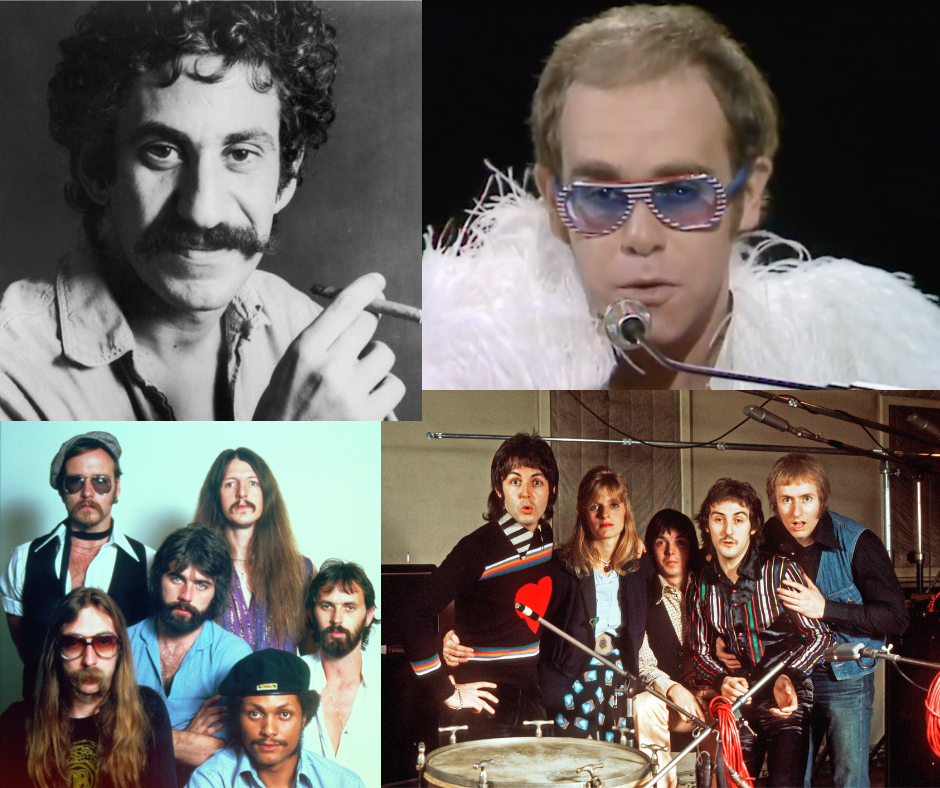
1973 Superfine Singles

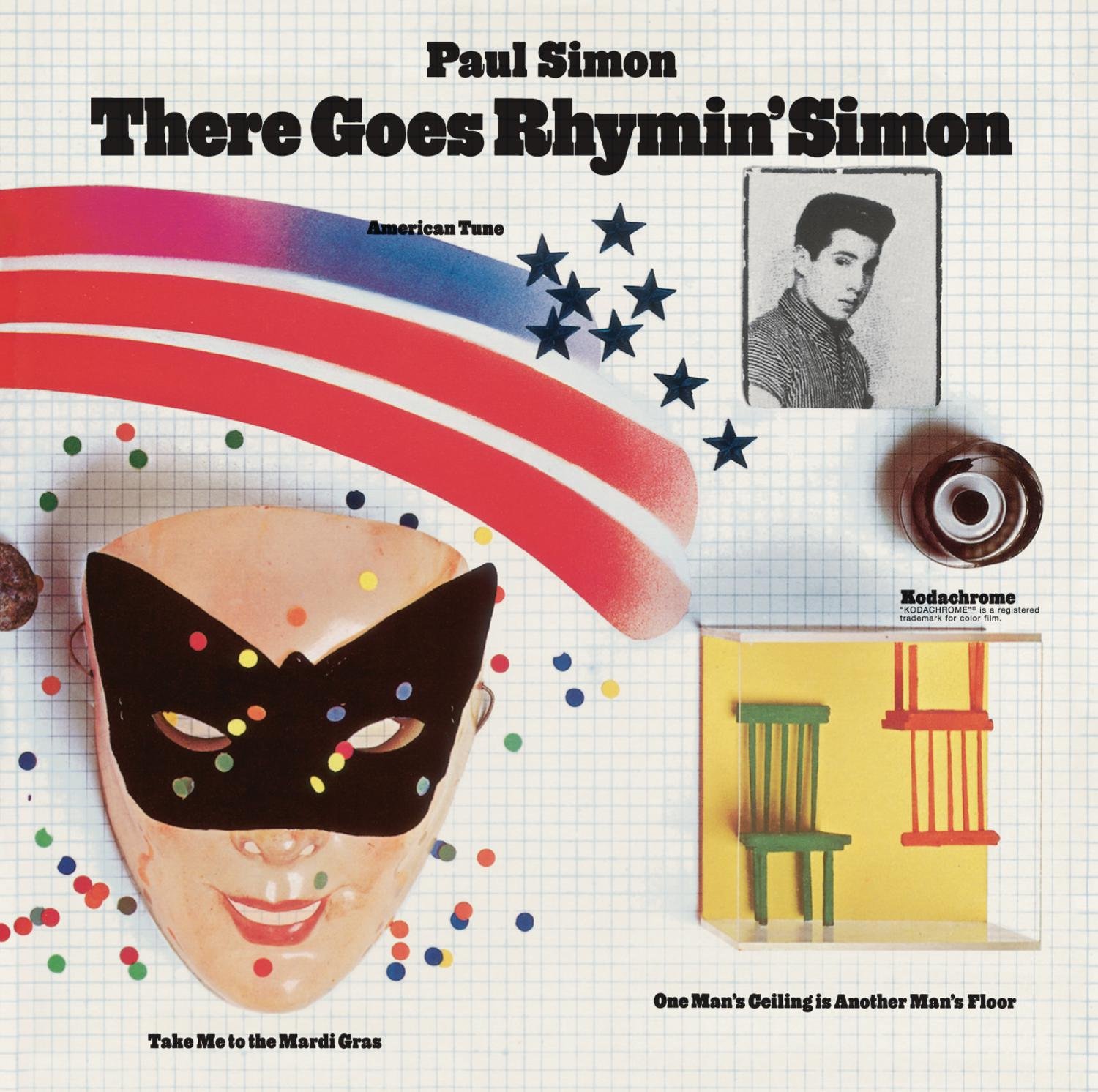
“When I think back on all the crap I learned in high school, It’s a wonder I can think at all, and though my lack of education hasn’t hurt me none, I can read the writing on the wall.”  Opening lyrics of “Kodachrome” written by Paul Simon (1973).

It was early June 1973: I was driving to my Glenvar High School graduation ceremony and I heard “Kodachrome” from Paul Simon being played on Top 40 WROV 1240 AM Roanoke, Virginia. It was a perfect song for my listening ears, as I was transitioning from life as a high school student into new life adventures as a young adult.

As I reflect back on the 50 years since I completed high school, I am remembering the music from my youth.  With this music blog message, I will be counting down what I consider to be my favorite top 40 hits from 1973.

The number 1 song on the Billboard Hot 100 the day I graduated from high school was “My Love” by Paul McCartney & Wings.”

I have fond memories of listening to top 40 radio in 1973. It was the year I turned 18 and started my freshman year at Virginia Western Community College.

WROV DJ Larry Bly with Wolfman Jack inside the station studio in April 1975. Courtesy of WROV History Website/Pat Garrett.

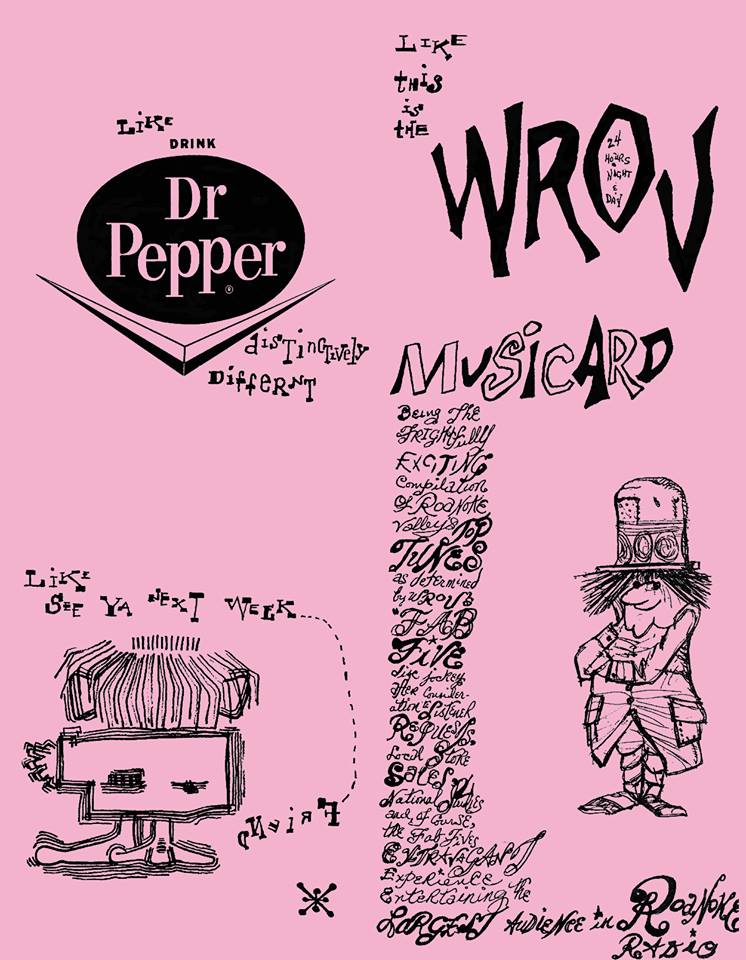
During daylight hours, I exclusively listened to Roanoke’s legendary WROV 1240 AM. This station featured a Top 40 format and was the number one top-ranked radio outlet in my city.

Audio Aircheck of Larry Bly WROV Roanoke April 1973. Courtesy of WROV History Website/Pat Garrett

Bart Prater and Larry Bly were my two favorite WROV DJs back in 1973. When WROV reduced power at sundown, I would listen to 3 top 40 AM radio stations located hundreds of miles away from my Virginia home.

Audio Aircheck of Bart Prater WROV Roanoke May 1973. Courtesy of WROV History Website/Pat Garrett

WROV DJ Bart Prater in the studio. Courtesy of WROV History Website/Pat Garrett.

After sundown, I would tune into three 50,000-watt clear channel AM stations: WLS 890 AM Chicago, WCFL 1000 AM (Super CFL) and WABC 770 AM New York. 

For my countdown of ’73 superfine singles, I used two sources in my calculation for the biggest records in this category:  Billboard and Cash Box magazines’ year-end top 100 singles charts for 1973.

As I surveyed the prominent hits from 50 years ago, the countdown is entirely based on my opinions. My selections are songs that I deem to be culturally, historically, aesthetically significant, meaningful or relevant.

An interesting fact that I learned when researching this topic: Billboard and Cash Box year-end charts both agreed on the biggest two hits for 1973:

  1        TIE A YELLOW RIBBON ROUND THE OLE OAK TREE – Tony Orlando & Dawn

  2        BAD, BAD LEROY BROWN – Jim Croce

Before I start my countdown of superfine singles, I want to share 10 of my favorite songs that were not ranked by either Cash Box or Billboard on their top 100 year-end charts for 1973.

  • Pieces of April—Three Dog Night
  • Peaceful Easy Feeling—Eagles
  • China Grove—The Doobie Brothers
  • Over the Hills and Far Away—Led Zeppelin
  • We May Never Pass this Way Again—Seals and Crofts
  • Knockin’ on Heaven’s Door—Bob Dylan
  • Rocky Mountain Way—Joe Walsh
  • Living in the Past—Jethro Tull
  • Tequila Sunrise—Eagles
  • I’m Just a Singer (In a Rock and Roll Band)—The Moody Blues

Next up are songs I considered for the 1973 countdown but fell outside my top 25 selections. Singles are not ranked and are placed in a random order:

  • Free Ride—The Edgar Winter Group
  • Ramblin’ Man—The Allman Brothers Band
  • Let’s Pretend—The Raspberries
  • The Cisco Kid—War
  • Crocodile Rock—Elton John
  • Could It Be I’m Falling in Love—The Spinners
  • Will It Go Round in Circles—Billy Preston
  • Just You ‘n’ Me—Chicago
  • Ain’t No Woman (Like the One I Got)—The Four Tops
  • The Night the Lights Went Out in Georgia—Vicki Lawrence
  • Money—Pink Floyd
  • Frankenstein—The Edgar Winter Group
  • So Very Hard to Go—Tower of Power
  • Natural High—Bloodstone
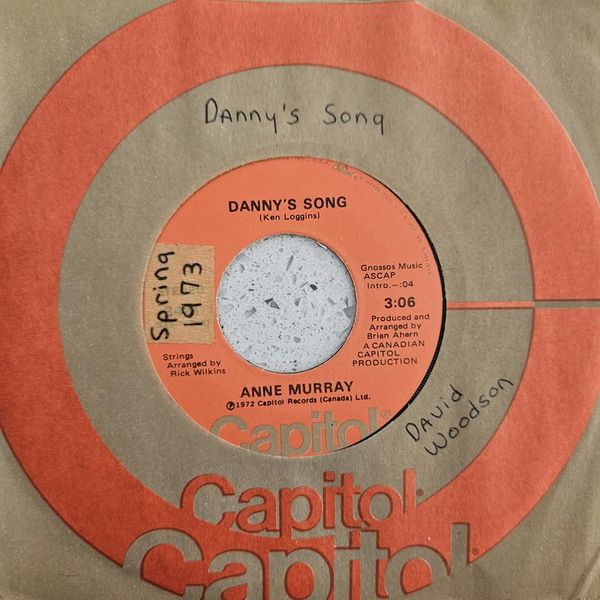
  • Danny’s Song—Anne Murray
  • Superstition—Stevie Wonder
  • I Wanna Be with You—The Raspberries
  • Papa Was a Rolling Stone—The Temptations
  • Jambalaya (On the Bayou)—Blue Ridge Rangers
  • My Love—Paul McCartney & Wings

Without further ado, my 1973 superfine singles countdown begins:

25.  It Never Rains in Southern California—Albert Hammond

Peak Positions on Charts:  #2 Cash Box Top 100, 36th Biggest Song of 1973 (CB)

Prolific songwriter. British-born. Composed over 20 successful singles for other artists. Lyricist also collaborated with Hal David, Diane Warren, Carole Bayer Sager and Mike Hazelwood, for additional top 40 hits.

24.  That Lady Pts. 1 & 2—The Isley Brothers 

Peak Positions on Charts:  #6 Billboard Hot 100, 21st Biggest Song of 1973 (B)

Originally written in 1964 by siblings Rudolph, Ronald and O’Kelly Isley as “Who’s That Lady.” The ‘73 R&B rendition utilizes a fusion of funk and rock, featuring outstanding guitar riffs.

23.  I Can See Clearly Now—Johnny Nash

Peak Positions on Charts:  #1 on both Billboard Hot 100 & Cash Box Top 100, 74th Biggest Song of 1973 (CB)

Reggae/R&B/Pop singer-songwriter.  Johnny Nash wrote his number 1 single. International hit for the American artist.

22.  You are the Sunshine of My Life—Stevie Wonder

Peak Positions on Charts:  #1 Cash Box Top 100, #1 Billboard Hot 100, 19th Biggest Song of 1973 (B)

Progressive soul.  Second single to reach #1 for Stevie Wonder in 1973.  Singer-songwriter won Grammy Award for “Best Male Pop Vocal Performance” for his tune.

21.  Love Train—The O’Jays

Peak position on Charts: #1 Billboard Hot 100, #1 Cash Box Top 100, 12th Biggest Song of 1973 (CB)

Written by Kenny Gamble and Leon Huff. Classic R&B tune. Considered Proto-disco. Forerunner of disco genre.  Lyrics promote world peace.

20.  Loves Me Like a Rock—Paul Simon

Peak Positions on Charts:  #2 Billboard Hot 100, 22nd Biggest Song of 1973 Cash Box

Background vocals by Southern Black gospel group the Dixie Hummingbirds. Won a Grammy Award for Best Soul Gospel performance in 1974.

19.  Give Me Love (Give Me Peace on Earth)—George Harrison 

Peak Positions on Charts:  #1 Billboard Hot 100, #1 Cash Box Top 100, 42nd Biggest Song of 1973 (B)

The former Beatle uses slide guitar technique on this single.  Second #1 song in Harrison’s career. Has spiritual lyrical content.

18.  Higher Ground—Stevie Wonder

Peak Positions on Charts:  #4 Billboard Hot 100, 62nd Biggest Song of 1973 (B)

The third of four consecutive top ten hits for Wonder in 1973.  The Motown artist wrote song and plays all instruments on the single.

17.  Rocky Mountain High—John Denver

Peak Positions on Charts:  #7 Cash Box Top 100, 26th Biggest Song in 1973 (CB) 

Folk rock/country rock musical genres.  Became an official state song for Colorado in 2017. One of Denver’s lasting environmental signature singles.

16.  Wildflower—Skylark

Peak Positions on Charts:  #9 Billboard Hot 100, 25th Biggest Song of 1973 (B)

Canadian pop/rock band.  A one hit wonder in the U.S. Group had multiple hits in their home country. Outstanding power ballad.

15.  Space Oddity—David Bowie

Peak Positions on Charts: #15 Billboard Hot 100, 97th Biggest Song of 1973 (B)

First released in July 1969 and a U.K. hit. Re-released 3 years later in the U.S. Tale about a fictional astronaut named Major Tom. Signature song for Bowie.

14.  Do It Again—Steely Dan 

Peak Positions on Charts: #6 Billboard Hot 100, 73rd Biggest Song of 1973 (B)

Written by Steely Dan members Donald Fagen and Walter Becker.  First top ten hit for the band.  Single has a Latin-jazz, soft rock rhythm and features an electric sitar.

13.  Stuck in the Middle with You—Stealers Wheel

Peak Positions on Charts: #3 Cash Box Top 100, 28th Biggest Song of 1973 (CB)

Scottish musicians Gerry Rafferty and Joe Egan from Stealers Wheel co-wrote song. Peppy pop tune. Group charted a second top 40 hit with “Star” in 1974. Rafferty left the band for a solo career the following year.

12.  Midnight Train to Georgia—Gladys Knight & the Pips

Peak Positions on Charts: #1 Cash Box Top 100, #1 Billboard Hot 100, 15th Biggest Song of 1973 (CB)

First number 1 hit for the R&B group.  Won a Grammy Award for “Best R&B Vocal Performance by A Duo, Group or Chorus.”  Has become Gladys Knight’s signature song.

11.  Feeling Stronger Everyday—Chicago

Peak Positions on Charts:  #8 Cash Box Top 100, 54th Biggest Song of 1973 Billboard

A collaboration between bassist Peter Cetera and trombonist James Pankow of Chicago. Superb guitar playing by Terry Kath. Brass section of trumpet, saxophone and trombone lays foundation for this single.

10.  Live and Let Die—Paul McCartney & Wings

Peak Positions on Charts: #1 Cashbox Top 100, #2 Billboard Hot 100, 33rd Biggest Song of 1973 (CB)

Written by Paul and Linda McCartney. It was the first rock song to open a James Bond film.  Received a Grammy Award for “Best Arrangement Accompanying Vocalist(s).”  McCartney still performs renowned song at solo concerts.

9.    Smoke on the Water—Deep Purple

Peak Positions on Charts:  #3 Cash Box Top 100, 50th Biggest Song of 1973 Billboard

Lyrics chronicle an actual 1971 fire in Montreux, Switzerland that Deep Purple band members witnessed while recording an album. Tune has one of the greatest rock guitar riffs of the 20th century.

8.    Kodachrome—Paul Simon 

Peak Positions on Charts:  #2 Billboard Hot 100, 64th Biggest Song of 1973 Cash Box

Paul Simon penned this song that is named after Kodak’s now-discontinued reversal film brand Kodachrome. First of two consecutive singles that peaked at #2 on Cash Box and Billboard charts.

7.    I Got a Name—Jim Croce 

Peak Position on Charts:  #3 Cash Box Top 100, 68th Biggest Song of 1973 (CB)

Song was released one day after Jim Croce died in a plane crash on September 20, 1973. “I Got a Name” was the first of 3 posthumous top ten hits for Croce in 1973 and 1974.

6.    Long Train Running—The Doobie Brothers

Peak Positions on Charts:  #8 Billboard Hot 100, 41st Biggest Song of 1973 (B)

Pulsating rocker with superb guitar riffs.  First top ten hit for the band. Written by Tom Johnston who provides lead vocals on track.

5.    Saturday Night’s Alright (For Fighting)—Elton John

Peak Position on Charts: #12, Billboard Hot 100, 98th Biggest Song of 1973 Cash Box

Lead single from legendary “Goodbye Yellow Brick Road” album. Composed by Elton John’s long-time songwriting partner Bernie Taupin. High-powered energy rock tune.

4.    We’re an American Band—Grand Funk Railroad

Peak Positions on Charts:  #1 Billboard Hot 100, 23rd Biggest Song of 1973 (B)

 Band member Don Brewer wrote autobiographical lyrics for this toe-tapping, hard driving rock song. Produced by Todd Rundgren. First number one single for GFR.

3.    Reelin’ in the Years—Steely Dan

Peak Positions on Charts:  #11 Billboard Hot 100, 68th Biggest Song of 1973 (B)

Second single from Steely Dan’s debut album, “Can’t Buy a Thrill.”  Has a highly-rated guitar solo by session player Elliott Randall.  Musically is jazz-rock perfection.

2.    Dancing in the Moonlight—King Harvest

Peak Positions on Charts: #10 Cash Box Top 100, 36th Biggest Song of 1973 Billboard

King Harvest is a one hit wonder. Group formed in Ithaca, New York.  This song is still popular in 2023 as it is played at many wedding receptions all across the U.S.

1.    You’re So Vain—Carly Simon

Peak Positions on Charts:  #1 Billboard Hot 100, #1 Cashbox Top 100, 7th Biggest Song of 1973 (CB)

My number 1 selection was written by singer-songwriter Carly Simon and is considered her signature song.  Single is ranked at #92 on Billboard Magazines “Greatest Songs of All Time” listing.

Lyrics are brilliant as she describes her narcissistic lover. In real life, Simon says that her song is actually about 3 men. However, fifty years later, she remains secretive about revealing the identity of these fellow.

I consider this masterpiece as one of the best epic story songs from the 70s. Without a doubt, “You’re So Vain” by Carly Simon is my number 1 best single for 1973.

That wraps up what I consider to be my favorite and best top 40 hits for 1973. I completely understand that my listing of songs in this category was written from my point of view and is subjective.

If you were creating a similar register of excellent 1973 hits, your tabulation may be totally different. What do you consider to be best preeminent singles from ’73? I hope you will comment below.

Listening to music from the golden age of Top 40 radio will always have a special place in my heart.  I still cherish and fondly remember my favorite superfine singles of 1973.  Rock on!

To subscribe to my blog via email, please click the “Follow” button in the menu above.

Standard
Broadcasting, Music, Music Countdowns, Radio, Retro Rock

1973 Groovy One Hit Wonders

Back by popular demand, this is my latest installment with the topic of one hit wonders. I continue to be amazed by the popularity of this subject matter, as it brings back nostalgic memories for many folks.

Over the past 3 years, I have published one hit wonders messages from years 1968 through 1972. These articles are among my most viewed messages of all-time.

With this latest edition of musical musings, I am concentrating on the best “one hit wonders” from 1973.  I will be counting down the top songs in this category from 50 years ago.

I have fond memories of listening to top 40 music from 1973 as it is the year that I graduated from Glenvar High School in Roanoke County Virginia.  Then in September ’73, I started my freshman year at Virginia Western Community College, located in Roanoke.

Bart Prater in WROV Roanoke studio. Photo courtesy WROV History Website/Pat Garrett

During daylight hours, I exclusively listened to Roanoke’s legendary WROV 1240 AM. This station featured a Top 40 format and was the number 1 top-ranked radio outlet in my city.

Audio aircheck of Terry Young WROV Roanoke May 1973. Courtesy WROV History Website/Pat Garrett.

The WROV DJs that I remember back in 1973 were Larry Bly, Bart Prater, Terry Young, Shane Randall and Chuck Holloway. When WROV reduced power at sundown, I would listen to top 40 AM radio stations located hundreds of miles away from my Virginia home.

Audio aircheck of Larry Bly WROV Roanoke April 1973. Courtesy WROV History Website/Pat Garrett.

50,000-watt WLS 890 AM Chicago, WCFL 1000 AM (Super CFL) and WABC 770 AM New York were my top three choices for nighttime listening 50 years ago.

In Chicago, I remember WLS DJs John Records Landecker, JJ Jeffries and Fred Winton, while Larry Lujack, Bob Dearborn and Ron O’Brien were superb on Super CFL. Cousin Brucie (Morrow) and Dan Ingram were radio announcing legends at WABC New York.

Some other powerful radio stations that I occasionally heard in ’73: WOWO Fort Wayne 1190 AM, CKLW Windsor, Ontario (Detroit) 800 AM and WKBW Buffalo 1520 AM.

What exactly is a “One Hit Wonder?” The basic definition: An artist has only one hit song on the national Billboard Hot 100 pop chart during their career. This music blog message pertains solely to hit songs within the United States.

To avoid any confusion, here are the criteria that I am using to define a one hit wonder:

  • No other songs from an artist ever peaking at number 40 or higher on the Billboard National Pop Chart. (Chart positions from number 40 to number 1).
  • One hit wonders vary from country to country. An artist may have just one hit in the United States but may have multiple hits in another country.
  • Regional hits are not taken into account: A second song must be a national hit and chart within the Billboard Top 40 pop survey.
  • Singles that peak from numbers 41 through 100 on the national Billboard Hot 100 pop chart are generally not considered as a second hit. Example: a 2nd song peaking at number 87 does not constitute an artist as a two-hit-wonder.

All documentation of chart positions I share below in this article comes from The Billboard Book of Top 40 Hits by Joel Whitburn.  I proudly own a hard copy of this excellent reference manual, which I consider to be the ‘bible” handbook for music history with Top 40 radio.

As a point of reference, below are the top 10 biggest records of 1973. None of these artists are one hit wonders as they all had multiple top 40 hits.

1          “Tie a Yellow Ribbon Round the Ole Oak Tree”         Tony Orlando and Dawn

2          “Bad, Bad Leroy Brown”         Jim Croce

3          “Killing Me Softly with His Song”        Roberta Flack

4          “Let’s Get It On”          Marvin Gaye

5          “My Love”       Paul McCartney & Wings

6          “Why Me”       Kris Kristofferson

7          “Crocodile Rock”         Elton John

8          “Will It Go Round in Circles”   Billy Preston

9          “You’re So Vain”         Carly Simon

10        “Touch Me in the Morning”   Diana Ross

Before starting my countdown with the best 1973 one hit wonders, I must clear up some Internet erroneous information that some proclaim on this topic.  The band Stealers Wheel is actually a “TWO-HIT WONDER.”

Stealers Wheel was a Scottish rock band formed by Gerry Rafferty and Joe Egan is 1972.  The group’s well-known hit “Stuck in the Middle with You” peaked at #6 on the Billboard Hot 100 during the spring of 1973.

A second hit single for Stealers Wheel was “Star.”  This highly acclaimed song also charted on the Billboard Hot 100, reaching #29 in March 1974.

Additional 1973 one hit wonders. Notable outside my countdown.

  • Playground in My Mind—Clint Holmes
  • Walk on the Wild Side—Lou Reed
  • Soul Makossa—Manu Dibango
  • Love Jones—Brighter Side of Darkness
  • Armed and Extremely Dangerous—First Choice
  • Smoke Gets in Your Eyes—Blue Haze
  • In the Midnight Hour—Cross Country
  • Back When My Hair Was Short—Gunhill Road

Without further ado, the countdown begins with 1973 groovy one hit wonders.

15.  Daisy a Day—Jud Struck

Peak Positions on Billboard Charts: #4 AC, #14 Hot 100, 89th Biggest Song of 1973

 Jud Struck was an actor and singer-songwriter. Penned his only hit. A regular on “Rowan and Martin’s Laugh In” TV show.  Killed in plane crash in 1981.

14.  Dead Skunk—Loudon Wainwright III

Position on charts:  #12 Cashbox Top 100, # 16 Billboard Hot 100, 128th biggest Song of 1973 (Joel Whitburn).

Novelty folk rock song featuring a banjo. Written by Wainwright. Singer also an actor. Played Captain Calvin Spalding, the singing surgeon, on the TV show M*A*S*H.  

13.  My Maria—B.W. Stevenson

Peak Positions on Billboard Charts: #1 AC, #9 Hot 100, 64th Biggest Song of 1973

Progressive country rock singer-songwriter and guitarist. Composed “My Maria” and wrote a #1 hit for Three Dog Night called “Shambala.” Died of heart failure in 1988.

12.  Hocus Pocus—Focus

Peak Positions on Billboard Charts: #9 Hot 100, 69th Biggest Song of 1973

Dutch progressive rock band. This ensemble utilizes an unusual assortment of instrumentation and vocal sounds:  guitar, drum, flute and accordion solos married with yodeling, eefing, whistling and scat singing.

11.  Pillow Talk—Sylvia

Peak Positions on Billboard Charts: #1 Soul, #3 Hot 100, 22nd Biggest Song of 1973

Sylvia Robinson started her musical career in the 50s as part of the Mickey and Sylvia duo. Robinson went on to become CEO and founder of Sugar Hill Records. She produced “Rapper’s Delight” by the Sugarhill Gang: the first hip hop song ever to reach #40 or higher on the Billboard Hot 100 chart (January 1980).

10.  Why Can’t We Live Together—Timmy Thomas

Peak Positions on Billboard Charts:  #1 Soul, #3 Hot 100, 75th Biggest Song of 1973

Song opens with a long keyboard instrumental by Thomas.  Artist was a record producer and played with jazz legends Donald Byrd and Cannonball Adderley as a session musician.

9.    I’m Doin’ Fine Now—New York City

Peak Positions on Billboard Charts:  #17 Hot 100, 46th Biggest Song of 1973.

R&B group from Harlem in New York City.  Two members of the band: guitarist Nile Rodgers and bassist Bernard Edwards went on to co-found the disco funk band Chic in 1976.

8.    Oh Babe, What Would You Say—Hurricane Smith

Peak Positions on Charts:  #1 Cashbox top 100, #3 Billboard Hot 100, 73rd Biggest Song of 1973 (Billboard).

English musician, record producer and engineer. Hurricane Smith is credited with producing over 100 songs by the Beatles: his last Fab Four album that he recorded was “Rubber Soul” in 1965.

7.    Brother Louie—Stories

Peak Positions on Billboard Charts:  #1 Hot 100, 13th Biggest Song of 1973

Hot Chocolate band members Errol Brown and Tony Wilson co-wrote “Brother Louie” and had an early ’73 U.K. hit with their song. Then New York pop band Stories covered the song in the U.S.  The story about an interracial love affair became a #1 summer smash.

6.   Right Place Wrong Time—Dr. John

Peak Positions on Billboard Charts: #9 Hot 100, 24th Biggest Song of 1973

Dr. John played a combination of musical genres: New Orleans blues, jazz, funk and rock.  Produced by Allen Toussaint and written by the artist.  Dr. John won 6 Grammy Awards in his career and was inducted into the Rock & Roll Hall of Fame in 2011.

5.   Dueling Banjos—Eric Weissberg & Steve Mandell

Peak Positions on Billboard Charts: #2 Hot 100, 61st Biggest Song of 1973

Bluegrass Composition written by Arthur “Guitar Boogie” Smith in 1954.  Made famous in 1972 film “Deliverance.”  Single was nominated for a Golden Globe award for “Best Original Song.”

4.   Also Sprach Zarathustra (2001)—Deodato

Peak positions on Billboard Charts: #2 Hot 100, 73rd Biggest Song of 1973

A pop/jazz instrumental. Rendition is of the introduction from a 1896 Richard Strauss composition “Also sprach Zarathustra.” Brazilian musician/pianist Eumir Deodato covered this tune, which became popular in Stanley Kubrick’s 1968 film “2001: A Space Odyssey.”  This remake won a 1974 Grammy Award for “Best Pop Instrumental Performance.”

3.   The Night the Lights Went Out in Georgia—Vicki Lawrence

Positions on Billboard Charts:  #1 Hot 100, 11th Biggest Song of 1973

Southern murder ballad was written by Bobby Russell, who was married to Vicki Lawrence (1972-1974).  Lawrence was also an actress/comedian, who played the character “Mama” on the Carol Burnett TV show. One of the best country pop epic story songs from the 70s.

2.   Wildflower—Skylark

Peak Positions on Billboard Charts: #9 Hot 100, 25th Biggest Song of 1973

Canadian pop/rock band.  Reached #1 in Canada during 1972. Since the song was not available in the US as a single, Top 40 CKLW Windsor, Ontario, which is part of the Detroit, Michigan radio market, started playing “Wildflower” as an album track.

The song quickly became a hit in Detroit and was picked up by other top 40 stations in Michigan.  Capitol Records then released the Skylark single in the US and it spent 21 weeks charting on the Billboard Hot 100.  Folks all across North America loved the smooth vocals by lead singer Donny Gerard on this outstanding power ballad.

1.   Dancing in the Moonlight—King Harvest

Peak Positions on Billboard Charts:  #13 Hot 100, 36th Biggest Song of 1973

Without a doubt, “Dancing in the Moonlight” by King Harvest is my top selection as the best 1973 one hit wonder.  It is an all-time favorite single for me.

King Harvest formed in 1970, while the band members were attending Cornell University in Ithaca, New York.  “Dancing in the Moonlight” is actually a cover song, with the original recording by a band called Boffalongo.

Shortly after the chart success of “Dancing in the Moonlight” on the Billboard Hot 100, King Harvest’s recording label Perception Records went bankrupt. Left without a recording contact, the band membership started to fluctuate. Eventually, King Harvest called it quits in 1976.

The only top 40 hit for King Harvest is still popular here in 2023.  Whenever I play this song at wedding receptions where I am hired as a DJ, folks still love to dance to this song.  Without a doubt, “Dancing in the Moonlight” is my favorite and top one hit wonder for 1973.

I completely understand that my listing of 1973 groovy one hit wonders was written from my point of view and is subjective. Obviously, I do not want to come across as authoritative with my critique.

What do you consider to be the best one hit wonders from 1973?  There are no right or wrong answers. I welcome your thoughts.

Listening to music from the golden age of Top 40 radio will always have a special place in my heart.  I cherish and fondly remember my favorite “one hit wonders” of 1973.  Rock on!

To subscribe to my blog via email, please click the “Follow” button in the menu above.

Standard
Broadcasting, Music, Music Countdowns, Radio, Retro Rock

Excellent Cover Songs from Top 40 Golden Age

“Wanna see my picture on the cover

(Stone) Wanna buy five copies for my mother (Yes)

(Stone) Wanna see my smilin’ face

On the cover of the Rollin’ Stone (That’s a very very good idea)”

OK: this message has absolutely nothing to do with Shel Silverstein’s written song, “The Cover of the Rolling Stone” that was a hit for Dr. Hook & the Medicine Show in 1973.

My latest music article actually is on the topic of superb cover songs that were popular during the golden age of top 40 radio. The time frame for these excellent remakes, ranges from 1965 through 1980.

I will be featuring a countdown on what I consider to be 20 magnificent remakes of classic original songs. In most cases, the initial first version and the cover remix, are both equally-exceptional recordings.

Here is my definition of a cover song: a new performance or recording by an artist other than the original composer and/or performer.

There are a couple of different types of cover songs.  First are remakes that sound similar to original version. The second type of cover tunes are reinterpretations of a song that differs substantially from the original recording.

My countdown of outstanding cover songs will highlight newer recordings of well-known hits that are presented in unique, different and fresh ways, as compared to the older original productions.

I must note before revealing my listing of cover tunes: this is NOT an article comparing original older versions with newer renditions.  The words “better” and “best” will not be used when describing the songs that I have selected for my countdown in the cover song category.

A good example of how I am proceeding with excellent cover songs is with the fantastic Dolly Parton written ballad, “I Will Always Love You.”  The legendary country music singer-songwriter had her original superb version reach number one twice on the Billboard Hot Country chart, in 1974 and again in 1982.

Forward to 1992, Whitney Houston had one of the biggest singles of the 90s with her rendition of “I Will Always Love You.”   Houston won two Grammy Awards with Dolly’s anthem and both versions of this iconic song are uniquely outstanding.

Before I start the countdown on what I consider to be sterling cover songs, I am listing ten noteworthy tunes that landed just outside of my top 20 countdown:

  • Superstar—The Carpenters
  • Summer Breeze—The Isley Brothers
  • Here Comes the Sun—Ritchie Havens
  • Strawberry Letter 23—The Brothers Johnson
  • Dancing in the Moonlight—King Harvest
  • Sloop John B—The Beach Boys
  • Summertime Blues—Blue Cheer
  • Hush—Deep Purple
  • Crossroads—Cream
  • Without You—Nilsson

Without further ado, my countdown of fabulous cover songs begins:

20.   You’re No Good—Linda Ronstadt 1974

Original version:  Dee Dee Warwick in 1963

Linda Ronstadt reached superstardom with her cover version of “You’re No Good.” Backing musicianship on the song is impressive.  A driving bass line, superior guitar riffs and a sparse drumming pattern generates a haunting melody. 

19.   Take Me to the River—Talking Heads 1978

Original version: Al Green in 1974

Talking Heads co-produced this version with Brian Eno. Tune has a slow tempo. Combines pop/rock and classic soul/R&B in forming an eclectic mix of gospel, punk rock and new wave sounds.

18.   My Back Pages—The Byrds 1967

Original version: Bob Dylan in 1964

The Byrds provide a superb interpretation of Bob Dylan’s song. Uses multiple acoustic guitars, a flowing melody, wonderful vocal harmonies by the band. Results in a magnificent cross-section of psychedelia with country/folk rock.

17.   Roll Over Beethoven—Electric Light Orchestra 1973

Original version:  Chuck Berry in 1956

Opening this tune: a snippet of Beethoven’s Fifth Symphony before evolving into a straight up rock tune, featuring Chuck Berry’s original music and the “Peter Gunn Theme” song in the background. This is ELO’s absolute crown jewel.

16.   Love Hurts—Nazareth 1974

Original version: Everly Brothers in 1960

 Scottish Blues rock Nazareth soared high on international charts with their power ballad “Love Hurts.”  Vocalist Dan McCafferty delivers an emotional outpouring of grief and seeking compassion on this rock track.

15.   Got to Get You into my Life—Earth Wind & Fire

Original version: The Beatles in 1966

Maurice White’s signature vocals sets up this innovative rendition. Music spans the genres of jazz, R&B, rock, funk, disco and pop. Earth Wind & Fire won a Grammy Award for “Best Instrumental Arrangement Accompanying Vocalist” with their Beatles cover.

14.   Me and Bobby McGee—Janis Joplin 1970

Original version: Roger Miller in 1969

“Me and Bobby McGee” was written by American singer-songwriter Kris Kristofferson. Blues/rock ballad. During March 1971, It became the second posthumous single to peak at #1 on the Billboard Hot 100 chart. The first posthumously #1 hit was “(Sittin’ On) The Dock of the Bay” by Otis Redding in 1968.

13.   We Can Work it Out—Stevie Wonder 1971

Original version:  The Beatles in 1965

Song Nominated for a Grammy Award: “Best Male R&B Vocal performance”. Cash Box magazine described Stevie Wonder’s remake as a “spectacular dance track.”  The 1989 Rock & Roll Hall of Fame member completes tune with a fabulous harmonica solo.

12.   You’ve Got a Friend—James Taylor 1971

Original version: Carole King in 1971

 Lyrics written by Carole King as a response to hearing James Taylor’s 1970 hit “Fire and Rain.”    “You’ve Got a Friend” won Grammy Awards both for Taylor (Best Male Pop Vocal Performance) and King (Song of the Year).  Number 1 single on the Billboard Hot 100 during the summer of 1971.

11.   House of the Rising Sun—Frijid Pink

The song was first collected in Appalachia in the 1930s. Popular version before: The Animals in 1964.

Detroit band Frijid Pink recorded a psychedelic version of “House of the Rising Sun”, which became an international hit in 1970. The song features distorted fuzz and wah-wah guitar playing with hard driving drumming.  An international smash.

10.   I Heard It Through the Grapevine—Creedence Clearwater Revival 1970

Original version:  Gladys Knight and the Pips 1967

Marvin Gaye had another rendition of “Grapevine” in 1968. An 11-minute version appeared on CCR’s 1970 “Cosmo’s Factory” album.  Long instrumental jam with two guitars, bass and drums. Considered in the “Swamp Rock” genre of music.

9.     I Shot the Sheriff—Eric Clapton 1974

Original Version: Bob Marley in 1973

Reggae went mainstream with Eric Clapton’s rendition. Reached #1 on Billboard Hot 100. Cash Box magazine called it a “smooth bluesy rocker with lots of guitar, keyboards and strong background harmonies.” This cover was inducted into the Grammy Hall of Fame in 2003.

8.     Blinded by the Light—Manfred Mann’s Earth Band 1976

Original Version: Bruce Springsteen in 1973

Straight up rock tune. Manfred Mann’s version includes the “Chopsticks” melody played on piano near the end of the bridge of the song. The only song written by Bruce Springsteen to ever peak at number 1 on the Billboard Hot 100 chart.

7.     Try a Little Tenderness—Otis Redding 1966

Original version: Ray Noble Orchestra in 1932

Otis Redding’s interpretation starts slow and soulful. Tempo builds into a fast pace, with vocals delivered in an energetic manner. Rolling Stone ranks this cover at #136 of their “500 Greatest Songs of All Time” listing.

6.     Light My Fire—Jose Feliciano 1968

Original version: The Door in 1967

Puerto Rican vocalist and guitarist. José Feliciano’s remake is “Proto-Latin Rock.”  The single is Latin influenced, mixing classic Spanish guitar, with American R&B, jazz and pop. Singer gained an international following after the success with this variation.

5.     Woodstock—Crosby Stills Nash & Young 1970

Original version: Joni Mitchell 1969

Hard driving rock song. Anthem for Woodstock festival written by Joni Mitchell. CSN&Y version from the “Déjà Vu” album, has splendid vocal harmonies by Graham Nash and David Crosby.  Stephen Stills has lead vocals while Neil Young provides superb guitar riffs.

4.     Proud Mary—Ike & Tina Turner

Original Version: Creedence Clearwater Revival in 1968

Written by John Fogerty, it is a signature song for his band CCR.  Ike and Tina Turner turned their rendition into a funk-rock triumph. The duo won a Grammy Award for “Best R&B Vocal Performance by a Group” with their cover in 1972.

3.     With a Little Help from My Friends—Joe Cocker 1968

Original version: The Beatles in 1967

Upon Joe Cocker’s death, Paul McCartney was quoted on the cover of the song he co-wrote with John Lennon:  “I was especially pleased when he decided to cover With A Little Help from My Friends….and it was just mind blowing, totally turned the song into a soul anthem and I was forever grateful for him for doing that.”

Cocker’s rendition of the song at Woodstock is considered one of the most iconic rock performances at the “Peace, Love, Music and Arts Festival” during the summer of ’69.

2.     Respect—Aretha Franklin

Original version: Otis Redding in 1965

Otis Redding penned this song in 1965. Two years later, Aretha Franklin went to Muscle Shoals recording studio in Alabama and re-created Redding’s composition into an anthem.  “R-E-S-P-E-C-T” became Franklin’s first number 1 hit and is considered her signature song.

Inducted into the Grammy Hall of Fame in 1987. In 2002, the Library of Congress honored Franklin’s version by adding it to the National Recording Registry. Rolling Stone rates Franklin’s version of “Respect” as the number 1 best single on their “500 Greatest Songs of All Time” List.

  1. All Along the Watchtower—Jimi Hendrix

Original version: Bob Dylan 1967

Jimi Hendrix comes in at #1 on my countdown of excellent cover songs. The artist took the outstanding lyrics written by Bob Dylan and created a magical musical masterpiece.

Utilizing a hard rock psychedelic sound, Hendrix’s rendering creates an outstanding landscape with powerful guitar riffs.  Mixing dynamic instrumentation, along with Dylan’s almost biblical lyrics, invokes a sense of foreboding urgency, dread and possible doom.

The remake received a Grammy Hall of Fame award in 2001, and was ranked 40th in Rolling Stone magazine’s “500 Greatest Songs of All Time” listing.

Without a doubt, “All Along the Watchtower” by Jimi Hendrix is my top outstanding cover song from the golden age of top 40 radio.

I completely understand that my listing of excellent cover songs was written from my point of view and is subjective. If you were creating a similar register of great cover tunes, your tabulation may be totally different.

Obviously, I do not want to come across as authoritative with my critique. What do you consider to be outstanding cover songs from the golden age of top 40 radio?

To subscribe to my blog via email, please click the “Follow” button in the menu above.

Standard
Broadcasting, Music, Music Countdowns, Radio, Retro Rock

1968 Sterling One Hit Wonders

I am amazed by the popularity of one hit wonders, and how the topic brings back nostalgic memories for many folks.

Over the past 3 years, I have published one hit wonders blogs from years 1969 through 1972. These articles are among my most viewed messages of all-time.

With this edition of my musical musings, I am concentrating on the best “one hit wonders” from 1968.  I will be counting down the top songs in this category from 55 years ago.

Audio aircheck above: Fred King WROV Roanoke June 1968. WROV Top 40 survey below from June 10, 1968. Courtesy of the WROV History Website/Pat Garrett.

I have fond memories listening to top 40 radio from my home in Roanoke, Virginia during 1968. My go to station was legendary WROV 1240 AM, which was the top-rated radio outlet in my city.

The WROV DJs that I remember back in 1968 were Jack Fisher, Fred Frelantz, Bart Prater, Fred King, Ron Phelps and Phil Beckman. During daylight hours, I exclusively listened to WROV.

When WROV reduced power at sundown, I would listen to top 40 AM radio stations located hundreds of miles away from my Virginia home. 50,000-watt WLS 890 AM Chicago and WABC 770 AM New York were my top two choices for nighttime listening.

What exactly is a “One Hit Wonder?” The basic definition: An artist has only one hit song on the national Billboard Hot 100 pop chart during their career. This music blog message pertains solely to hit songs within the United States.

To avoid any confusion, here are the criteria that I am using to define a one hit wonder:

  • No other songs from an artist ever peaking at number 40 or higher on the Billboard National Pop Chart. (Chart positions from number 40 to number 1).
  • One hit wonders vary from country to country. An artist may have just one hit in the United States but may have multiple hits in another country.
  • Regional hits are not taken into account: A second song must be a national hit and chart within the Billboard Top 40 pop survey.
  •  Singles that peak from numbers 41 through 100 on the national Billboard Hot 100 pop chart are generally not considered as a second hit. Example: a 2nd song peaking at number 87 does not constitute an artist as a two-hit-wonder.

All documentation of chart positions I share below in this article comes from The Billboard Book of Top 40 Hits by Joel Whitburn.  I proudly own a hard copy of this excellent reference manual, which I consider to be the ‘bible” handbook for music history with Top 40 radio.

As a point of reference, below are the top 10 biggest records of 1968.  Only two of the songs listed are one hit wonders: “Love is Blue” and “The Good, the Bad and the Ugly.”

1          “Hey Jude”      The Beatles

2          “Love is Blue”  Paul Mauriat

3          “Honey”          Bobby Goldsboro

4          “(Sittin’ On) The Dock of the Bay”      Otis Redding

5          “People Got to Be Free”         The Rascals

6          “Sunshine of Your Love”         Cream

7          “This Guy’s in Love with You”    Herb Alpert

8          “The Good, the Bad and the Ugly”     Hugo Montenegro

9          “Mrs. Robinson”         Simon & Garfunkel

10        “Tighten Up”   Archie Bell & the Drells

Before starting my countdown with the best 1968 one hit wonders, I must clear up some Internet erroneous information that some proclaim on this topic.

There are two outstanding singles from 1968 by artists who have been inducted into the Rock and Roll Hall of Fame. Some may disagree with me but I don’t consider either of these individuals as “one hit wonders.”

  1.  Jimi Hendrix:  “All Along the Watchtower” Peaked at #20 on Billboard Hot 100

A song written by the legendary Bob Dylan, “All Along the Watchtower” was the only Jimi Hendrix song to chart #40 or higher on the Billboard Hot 100. However, the superb guitarist did have three other songs peaking between numbers 52 and 67: “Crosstown Traffic”, “Purple Haze” and “Foxy Lady.”  Here in 2023, all 3 of these singles continue to receive heavy airplay on US classic rock radio stations.

2. Janis Joplin:  “Piece of My Heart” Big Brother & the Holding Company: Peaked at #12 on the Billboard Hot 100.

The San Francisco psychedelic rock band Big Brother & the Holding Company had Janis Joplin as lead singer. While “Piece of My Heart” was the only song to chart #40 or higher on the Billboard Hot 100, the group’s follow up single, “Down on Me” peaked at #43 during the fall of 1968.  Joplin also had a posthumous #1 hit “Me and Bobby McGee” in 1971.

 Noteworthy 1968 one hit wonders outside of my top 20 countdown:

  • Fire—The Crazy World of Arthur Brown
  • Skip a Rope—Henson Cargill
  • Shame Shame—Magic Lanterns
  • In-a-Gadda-Da-Vida—Iron Butterfly
  • Playboy—Gene and Debbie
  • Love Makes a Woman—Barbara Acklin

Novelty 1968 One Hit Wonders:

Tip Toe Thru’ the Tulips with Me—Tiny Tim

Here Comes the Judge—Shorty Long

Quick Joey Small (Run Joey Run)—Kasenetz-Katz Singing Orchestral Circus

Here Comes the Judge—Pigmeat Markham

As Casey Kasem used to say on his American Top 40 show: “It’s now on with the countdown.”

20.  Sweet Inspiration—The Sweet Inspirations

Peak Positions on Billboard Charts:  #18 Hot 100, 84th Biggest Song of 1968

R&B girl group. Worked as backup singers for soul, pop and rock artists. Cissy Houston, mother of Whitney Houston, a member of this ensemble.

19.  Green Tambourine—The Lemon Pipers

Peak Positions on Billboard Charts:  #1 Hot 100, 47th Biggest Song of 1968

Psychedelic rock band from Oxford, Ohio. Lyrics depict a street musician busking for money. It was first #1 hit for Buddah Records.

18.  Nobody But Me—The Human Beinz

Peak Positions on Billboard Charts:  #8 Hot 100, 67th Biggest Song of 1968.

Song written by siblings O’Kelly, Rudolph, and Ronald Isley. Youngstown, Ohio band names a variety of popular 60s dances in song.

17.  Girl Watcher—The O’Kaysions

Peak Positions on Billboard Charts:  #5 Hot 100, 45th Biggest Song of 1968

Beach pop group from Wilson, North Carolina. In 2003, group received a Hall of Fame award from the Carolina Beach Music Association for “Girl Watcher.”

16.  Master Jack—Four Jacks and a Jill

Peak Positions on Billboard Charts: #3 Adult Contemporary, #18 Hot 100

South African folk rock combo. “Master Jack” went to #1 in Canada, Australia, New Zealand, Malaysia, Zimbabwe and in the group’s home country.

15.  Judy in Disguise (With Glasses)—John Fred & His Playboy Band

Peak Positions on Billboard Charts: #1 Hot 100, 25th Biggest Song of 1968

Louisiana based rock band. Novelty hit. Song title is parody on John Lennon’s psychedelic classic, “Lucy in the Sky with Diamonds” by the Beatles.

14.  The Good, The Bad and the Ugly—Hugo Montenegro

Peaks positions on Billboard Charts: #2 Hot 100, 8th Biggest Song of 1968

American orchestra leader and composer of film soundtracks. His best-known work is interpretations of the music from Western movies. An unexpected hit.

13.  Grazing in the Grass—Hugh Masekela

Peak Positions on Billboard Charts:  #1 Hot 100, 18th Biggest Hit of 1968.

Hugh Masekela was a jazz trumpet player from South Africa. Music was composed by Philemon Hou and features a cowbell.  Tune inducted into the Grammy Hall of Fame in 2018.

12.  The Horse—Cliff Nobles & Co.

Peak Positions on Billboard Charts:  #2 Hot 100, 21st Biggest Hit of 1968

Interesting that Cliff Nobles didn’t perform on the tune credited to him. A group of session musicians jammed in the studio to create the instrumental track. “The Horse” was released as the B-Side of the 45-rpm single “Love is All Right” and is the instrumental version of that tune.

11.  Summertime Blues—Blue Cheer

Peak Position on Billboard Charts: #14 Hot 100, 56th Biggest Song of 1968

“Summertime Blues” originally was a hit by Eddie Cochran in 1958. Cover by San Francisco, California psychedelic hard rock band.  Blue Cheer is considered pioneers for the “heavy metal” genre of music.

10.  Angel of the Morning—Merrilee Rush & the Turnabouts

Peak Position on Billboard Charts: #7 Hot 100: 28th Biggest Song of 1968.

The song earned a Grammy nomination for Best Contemporary-Pop Vocal Performance, Female. Rush and her band opened up for Paul Revere & the Raiders in 1967.

9.    Shape of Things to Come—Max Frost & the Troopers

Peak Position on Billboard chart:  #22 Hot 100

Max Frost & the Troopers is actually a fictional band that was featured in a 1968 movie “Wild in the Streets.”  Harley Hatcher has lead vocals on song. Produced by Mike Curb.

8.    Love is Blue—Paul Mauriet

Peak positions on Billboard Charts:  #1 Hot 100, 2nd Biggest Hit of 1968

With “Love is Blue” reaching number 1 for five weeks during February and March in 1968, Paul Mauriat became the first French artist to top the Billboard Hot 100. The tune also spent 11 weeks at number 1 on the “Easy Listening” chart and became the second-best-selling record in 1969 according to Billboard.

7.    Harper Valley PTA—Jeannie C Riley

Peak Position on Billboard Charts:  #1 Hot 100, 17th biggest Song of 1968

Country singer-songwriter Tom T Hall created a most unusual story for this crossover Top 40 hit. The Harper Valley PTA meeting was a wild and wacky affair as an “unfit mother” addresses her concerns about the hypocrisy of multiple other members with the school organization.

6.    MacArthur Park—Richard Harris

Peak Positions on Billboard Charts:  #2 Hot 100, 51st Biggest Song of 1968

First 45-rpm single over 7 minutes long to reach top 10 on Billboard Hot 100. Irish actor Richard Harris interpreted Jimmy Webb’s epic story song.  Songwriter won a Grammy Award in 1969.

5.    I Love You—People

Peak Positions on Billboard Charts:  #14 Hot 100:  53rd Biggest Song of 1968

California Rock Band. Written by the Zombies bassist Chris White. Larry Norman was lead singer. He went on to become a pioneer in Christian rock music: starting in 1969 and continuing into the 70s.

4.    Reach Out of the Darkness—Friend and Lover

Peak Positions on Billboard Charts: #10 Hot 100: 49th Biggest Song of 1968.

Folk-singing duo composed of husband/wife team Jim and Cathy Post.  Song became a protest anthem against American politics during the late 60s.

3.    Classical Gas—Mason Williams

Peak Positions on Billboard Charts:  #2 Hot 100, 43rd Biggest Hit of 1968

“Classical Gas” was composed by Mason Williams and features instrumental backup by the professional session musicians known as the “Wrecking Crew.” During 1969, the tune won three Grammy Awards for categories all associated with instrumental music.

2.    Journey to the Center of the Mind—The Amboy Dukes

Peak Position on the Billboard Chart: #16 Hot 100

Chicago, Illinois based group founded in 1964 by Ted Nugent. The Amboy Dukes were known primarily as a psychedelic/hard rock band.  Musically and lyrically, this masterpiece helped to define the 60s psychedelic era of songs on top 40 radio.  Nugent started a solo career in 1975.

1.    Pictures of Matchstick Men—Status Quo

Peak Positions on Billboard Charts: #12 Hot 100, 55th Biggest Song of 1968

British rock band Status Quo has my number 1 song with “Pictures of Matchstick Men.” Formed in 1962, the band is still active in 2023. Interestingly, while Status Quo has charted fifty-seven top 40 hits in the UK, they have just one hit song in the US.

Status Quo co-founder, guitarist and lead singer Francis Rossi wrote the song for band’s only American hit. The songwriter’s lyrics use the term “matchstick men” which came from a reference to the paintings and drawings of English artist L. S. Lowry.

“Pictures of Matchstick Men” is musically rich, with the tune featuring a phasing audio effect and wah-wah guitars. The record is said to be one of the first to use this technique. The distinctive four-note guitar riff throughout the song makes this a memorable song from the summer of 1968.

 Without a doubt, I consider “Pictures of Matchstick Men” by Status Quo as one of the best singles from 55 years ago and the greatest one hit wonder of 1968.

Now that I have humbly submitted my countdown of 1968 one hit wonders, I am curious to find out your opinion on this topic. Obviously, I do not want to come across as authoritative with my critique.  The songs that you feel are the best may be completely different from my selections.

 What do you consider to be the best one hit wonders from 1968?  There are no right or wrong answers. I welcome your thoughts.

Listening to music from the golden age of Top 40 radio will always have a special place in my heart.  I cherish and fondly remember my favorite “one hit wonders” of 1968.  Rock on!

To subscribe to my blog via email, please click the “Follow” button in the menu above.

Standard
Broadcasting, Music, Music Countdowns, Radio, Retro Rock

1967 Dynamite Top 40 Hits

I discovered top 40 radio in early 1967 as an 11-year-old boy in Roanoke, Virginia.  Finding WROV 1240 AM that year, expanded musical horizons in my life and set up a future course for me working as a radio DJ.

Attending Oakland Elementary School, I was familiar with the Beatles and viewed “The Monkees” TV series on a weekly basis but my knowledge of pop/rock music was limited.

Christmas 1966, I was gifted 3 albums that whetted my appetite for popular music at that time: “Boots” by Nancy Sinatra, “Gary Lewis & the Playboys Greatest Hits” and The Monkees’ self-titled debut album.  Santa Claus also left a record player underneath the Christmas tree that year.

My parents were not rock fans so I didn’t inherit any guidance on this popular type of music. My father listened to country music on WSLC 610 AM while my mother favored the smooth “Middle of the Road” format on WDBJ 960 AM. 

In the winter months of 1967, I was curious about radio and started my lifelong love of music. Located in our living room was a huge RCA stereo console, which featured an AM/FM radio. I spent many afternoons exploring various local Virginia stations after I got home from school.

It was also in this time period that I bought my first record album: “More of the Monkees.”  This was the second LP released by the TV rock band and featured the mega number 1 hit “I’m a Believer.”

Forward to spring break 1967: with no school happening, I found an AM desk-top tube radio in our kitchen. The stations that I listened to that week both had Top 40 formats: WROV 1240 AM and WPXI 910 AM.

Then on my 12th birthday in May 1967, my parents gave me a transistor radio. From that point on, I was hooked on top 40 radio and WROV.

Legendary Top 40 WROV 1240 AM was the top-rated radio station in Roanoke during the mid to late 60s and also throughout the 70s decade. The two DJ’s that I distinctly remember from WROV back in ‘67 are Jack Fisher and Fred Frelantz.

WROV DJs Fred Freelantz and Jack Fisher. Photo courtesy of WROV History Website/Pat Garrett.

Back side of WROV Roanoke Musicard: Photo courtesy of WROV History Website/Pat Garrett.

My radio listening expanded during the “summer of love” in ’67, as I commandeered the desk-top tube radio from our kitchen and permanently kept this device in my bedroom. During daylight hours, I exclusively listened to WROV.

WROV DJ Jack Fisher in front of the station building. Photo courtesy of the WROV History Website/Pat Garrett.

Unlike my small transistor radio, the devise in my bedroom could pick up radio stations that were located hundreds of miles away from my Virginia home. On many nights that summer, I would tune in 50,000-watt, clear channel AM radio stations, such as WLS 890 Chicago and WABC 770 New York.

Dan Ingram plays the #2 song on WABC with this 7/29/67 aircheck: “A Whiter Shade of Pale” by Procol Harum.

I still have fond memories listening to top 40 radio during 1967.  For the remainder of this article, I will be sharing what I consider to be the best songs played on top 40 music stations 55 years ago.

As a guide, I used the Billboard Year-End Hot 100 singles of 1967 survey for songs I selected with my countdown. For chart information, I utilized, “The Billboard Book of Top 40 Hits” by Joel Whitburn.

Below are the top 10 songs of 1967 according to Billboard:

1          “To Sir With Love”                   Lulu

2          “The Letter”                              The Box Tops

3          “Ode to Billie Joe”                    Bobbie Gentry

4          “Windy”                                    The Association

5          “I’m a Believer”                        The Monkees

6          “Light My Fire”                         The Doors

7          “Somethin’ Stupid”                  Frank & Nancy Sinatra

8          “Happy Together”                    The Turtles

9          “Groovin'”                                 The Young Rascals

10        “Can’t Take My Eyes off You” Frankie Valli

Songs listed below are 1967 singles that I like but fell outside my top 20 countdown, randomly placed with no ranking.  It was extremely hard excluding these outstanding songs from the final listing:

  • Soul Man—Sam & Dave
  • The Letter—The Box Tops
  • Light My Fire—The Doors
  • To Sir with Love–Lulu
  • Expressway (To Your Heart)—The Soul Survivors
  • Somebody to Love—Jefferson Airplane
  • Ode to Billie Joe—Bobbie Gentry
  • Pleasant Valley Sunday—The Monkees
  • All You Need is Love—The Beatles
  • Gimme Little Sign—Brenton Wood
  • Mirage—Tommy James & the Shondells
  • I Had too Much to Dream (Last Night)—The Electric Prunes
  • Friday on My Mind—The Easybeats
  • Here Comes My Baby—The Tremeloes
  • Reflections—The Supremes

As Casey Kasem used to say on his American Top 40 show: “It’s now on with the countdown.”

20.   White Rabbit—Jefferson Airplane

Peak Positions on Billboard Charts:  #8 Hot 100, 81st Biggest Song of 1967

Written by Jefferson Airplane’s vocalist Grace Slick. Lyrics uses figurative language from two Lewis Carroll books: “Alice’s Adventures in Wonderland” and “Through the Looking-Glass.”  “White Rabbit” was a standout performance at Woodstock in 1969.

19.   Kind of a Drag—The Buckinghams

Peak Positions on Billboard Charts:  #1 Hot 100, 16th Biggest Song of 1967

Band from Chicago, Illinois. “Kind of a Drag” was the first of 3 consecutive top 10 hits and 5 top 40 charting singles in 1967.  Song has outstanding horn section.

18.   Respect—Aretha Franklin

Peak Positions on Billboard Charts:  #1 Hot 100, 13th Biggest Song of 1967

Otis Redding penned this song in 1965. Two years later, Aretha Franklin went to Muscle Shoals recording studio in Alabama and re-created Redding’s composition into an anthem.  “R-E-S-P-E-C-T” became Franklin’s first number 1 hit and is considered her signature song.

17.   Groovin’—The Young Rascals

Peak Positions on Billboard Charts:  #1 Hot 100, 9th Biggest Song of 1967

First number 1 hit for New Jersey formed band. Song is in both the Grammy Hall of Fame and the Rock & Roll Hall of Fame’s “500 Songs that Shaped Rock & Roll.”  The Rascals dropped “Young” from their name at the end of 1967.

16.   Happy Together—The Turtles

Peak Positions of Billboard Charts:  #1 Hot 100, 8th Biggest Song of 1967

Only number 1 hit for the band. Mark Volman and Howard Kaylan formed a duo called “Flo and Eddie” after breakup of the Turtles. Song is in the Grammy Hall of Fame.

15.   Daydream Believer—The Monkees

Peak Positions on Billboard Charts:  #1 Hot 100, 94th Biggest Song of 1967

Song written by John Stewart. Last number 1 hit by the band. Davy Jones of the group sings lead vocals on the track.

14.   We Ain’t Got Nothin’ Yet—The Blues Magoos

Peak Positions on Billboard Charts: #5 Hot 100, 65th Biggest Song of 1967.

Psychedelic rock band from New York City. A one hit wonder. Considered in the sub-genre “Frat Rock” category. Tune has catchy organ-guitar riff.

13.   The Rain, The Park & Other Things—The Cowsills

Peak Positions on Billboard Charts:  #2 Hot 100, 49th Biggest Song of 1967

Debut smash for Newport, Rhode Island family band. Sold 3 million records. Reached number 1 on the Cashbox Top 100 chart. A quintessential “Sunshine Pop” selection.

12.   Sweet Soul Music—Arthur Conley

Peak Position of Billboard Charts:  #2 Hot 100, 17th Biggest Song of 1967

“Sweet Soul Music” was co-written by Arthur Conley and Otis Redding. Lyrics honors some of the biggest R&B artists from the mid 60s:  The Miracles, Lou Rawls, Sam & Dave, Wilson Pickett, Otis Redding and James Brown. Brass instruments create a rich sound on the tune.

11.   On a Carousel—The Hollies

Peak Positions on Billboard Charts: #11 Hot 100, 42nd Biggest Song of 1967

“On a Carousel” is a perfect pop song, written by Hollies band members Allan Clarke, Graham Nash and Tony Hicks.  Melodic tune and vocal harmonies are rich on popular recording.

10.   I Was Made to Love Her—Stevie Wonder

Positions on Billboard Charts:  #2 Hot 100, 14th Biggest Song of 1967

Stevie Wonder was just 17 years old when “I Was Made to Love Her” was a hit. The musical prodigy played clavinet and harmonica, while the legendary Funk Brothers provided premier bass, drums and guitar backup on this Motown classic.

9.     Never My Love—The Association

Peak Positions on Billboard Charts:  #2 Hot 100, 20th Biggest Song of 1967.

“Never My Love” peaked at #1 on the Cashbox Top 100 chart.  Popular wedding song over the past 55 years. Second most played song on radio and TV during the 20th century according to BMI.

8.     San Francisco (Be Sure to Wear Flowers in Your Hair)—Scott McKenzie

Peak Positions on Billboard Charts: #4 Hot 100, 48th Biggest Song of 1967

The Mamas and Papas’ John Phillips wrote this song for his friend Scott McKenzie. “San Francisco” became the anthem for the “Summer of Love” in 1967, as thousands of young people flocked to the Haight-Ashbury area of San Francisco, California, searching for peace, love and tranquility.

7.     Bernadette—The Four Tops

Peak Positions on Billboard Charts:  #4 Hot 100, 82nd Biggest Song of 1967

One of Motown’s greatest bass lines is found on this song.  Levi Stubbs provides outstanding vocals on the Four Tops last top 10 hit of the 60s.  I rank “Bernadette” as the 8th best Motown single of the Detroit years with the recording company.

6.     Ain’t No Mountain High Enough—Marvin Gaye & Tammi Terrell

Peak Positions on Billboard Charts:  #19 Hot 100, 87th Biggest Song of 1967

I rate Marvin Gaye & Tammi Terrell’s single as the best Motown duet of all-time and the second greatest song during the 1961-1971 time period with the record company founded by Barry Gordy. With instrumentation by the Funk Brothers and Detroit Symphony Orchestra, Terrell/Gaye are marvelous on this toe-tapping tune.

5.     I Can See for Miles—The Who

Peak Positions on Billboard Charts: #9 Hot 100, 98th Biggest Song of 1967

The Who’s first top ten hit in the U.S.  Rolling Stone places “I Can See for Miles” as the second greatest song by the British band.  Pete Townshend’s soaring guitar and Keith Moon’s driving drum playing, makes this one of the best rock singles from the 1990 Rock & Roll Hall of Fame inductees.

4.     Incense & Peppermints—Strawberry Alarm Clock

Peak Positions on Billboard Charts:  #1 Hot 100, 23rd Biggest Song of 1967

Psychedelic rock band formed in Glendale, California. Founding member Ed King went on to fame with Lynyrd Skynyrd.  Recorded songs in the “Sunshine Pop” genre. “Tomorrow” was a second top 40 hit for the band.

3.     For What It’s Worth—Buffalo Springfield

Peak Positions on Billboard Chart: #7 Hot 100, 27th Biggest Song of 1967

Originally called “For What It’s Worth (Stop, Hey What’s That Sound).” Stephen Stills wrote and sang lead vocals on the single.  Became an anthem during the 1967 “Summer of Love” and is considered one of the greatest protest songs from the 20th century.

2.     Penny Lane—The Beatles

Peak Positions of Billboard Charts:  #1 Hot 100, 55th Biggest Song of 1967

“Penny Lane” and “Strawberry Fields Forever” were originally set to appear on the Beatles “Sgt. Pepper’s Lonely Hearts Club Band” album. Instead, both songs were released as a double-A sided 45-rpm single.

Paul McCartney’s masterpiece “Penny Lane” uses many instruments not associated with most Beatles songs:  flutes, piccolos, oboes, trumpets and a flugelhorn. “Penny Lane” is my second favorite Beatles song of all-time and was the first 45-rpm single that I bought with my own money during the spring of 1967.

  1. Whiter Shade of Pale—Procol Harum

Peak Positions of Billboard Charts:  #5 Hot 100, 38th Biggest Song of 1967

British band Procol Harum came through with another 1967 “Summer of Love” anthem with their song “A Whiter Shade of Pale.”  The single sold over 10 million copies world-wide, inducted into the Grammy Hall of Fame and is number 57 on the Rolling Stone “500 Greatest Songs of All Time” list.

The music was composed by band member Gary Brooker and Matthew Fisher, while lyrics were written by the group’s Keith Reid. Melody on the song has a classical music feel, with an outstanding mixture of organ and bassline. This is a brilliant piece of music, in my humble opinion.

“A Whiter Shade of Pale” is my second favorite song of all-time and Procol Harum’s chef d’oeuvre is my number 1 top 40 single of 1967.

Now that I have submitted what I consider to be the most significant top 40 hits of 1967, I am curious to find out your opinions on this topic.  What are your favorite songs on my countdown?

Obviously, I do not want to come across as authoritative with my critique of superb pop hits from 1967. The songs that you might feel are the best, may be completely different from my selections.

Thanks in advance for sharing your thoughts and comments below on what you consider to be the fantastic top 40 hits of 45 years ago.  I look forward reading your responses. Rock on!

To subscribe to my blog via email, please click the “Follow” button in the menu above.

Standard
Artist Profiles, Concert Reviews, Music, Podcasts, Retro Rock, Virginia Artists

Chris Keaton with the Kings: Roanoke’s Quintessential Band

Earlier this year, vocalist Terry Brown of Roanoke’s legendary band the Kings temporarily stepped down due to some health issues. Finding a stand-in substitute could have posed a problem for long-time Kings leader Larry Wheeling.

In finding a fill-in pinch hitter, Wheeling didn’t have to call Ghostbusters.  Instead, he found Roanoke native Chris Keaton to sing and play saxophone for the Kings while Brown is convalescing from his illness.

The Kings were founded in 1965 by Perry Caligan, who still acts as the business owner of the band. Current leader and manager of the Kings is Larry Wheeling, who joined the Roanoke based group during 1969.

Larry Wheeling and Perry Caligan at Elmwood Park in July 2018.

Over four years ago, I featured the Kings on a music blog message and attended one of the band’s concerts in downtown Roanoke.  Here is the link for The Kings Rocking Roanoke Since 1965: https://woodsonrva.com/2018/07/11/the-kings-rocking-roanoke-since-1965/

The Kings in concert in downtown Roanoke on July 5, 2018.

While Terry Brown recovers from his health issues, the Kings have been fortunate to secure the services of Chris Keaton. I had the opportunity to interview Keaton last month, just before he and the Kings had a concert at Roanoke’s Black Dog Salvage.

Chris Keaton was born in Roanoke, Virginia and grew up in the town of Vinton.  After graduating from William Byrd High School, Keaton spent a year at Virginia Commonwealth University (VCU) in Richmond. Chris then following in the footsteps of Bob Dylan left college life to pursue a career in music.

During the mid 70s, Keaton played saxophone and toured with pop/rock bands ranging from Gary U.S. Bonds to Frankie Valli and the Four Seasons. He also had gigs with Jay & the Techniques during this time period.

A few bands that Keaton was a member of during the 70s and 80s were High & Mighty, Dazzle Boys and Band of Oz.  Interestingly, Chris also had two separate stints performing as a member of the Kings during his younger years.

An album from the Kings: 1989. Chris Keaton co-produced this LP with Brian Wheeling. Band members (L-R), Bruce Wall, David Ferguson, Randy Wheeling, Chris Keaton, Kent Martin, Larry Wheeling and Brian Wheeling.

In 1993, Keaton moved to Nashville, Tennessee and became a business partner with another Roanoke native Tommy Holcomb. Eventually, Holcomb moved back to Roanoke while Keaton stayed in the “Music City” to venture into a new career path.

Since the mid 90s, Keaton’s career has become multifaceted.  His official bio states: “Chris is a Nashville-based entertainment industry executive, award winning music publisher, artist management consultant and a 2016 Inductee in the North Carolina Music Hall of Fame.”

When I interviewed Chris last month, 3 words stood out to me that describe Keaton’s current profession: connector, influencer and encourager. Keaton utilizes various forms of social media during his day-to-day activities.

One social media avenue Keaton uses is podcasting. He describes his “Random Acts” podcast, “of kindness, stories, a song or two, seeds of hope and love, and the randomness of it all through the eyes of Chris Keaton.”

Another fascinating venture of Keaton’s work is with the fashion industry.  For a number of years, Chris has been a member of Macy’s Style Crew as a “brand influencer.” As a result of his Macy’s gig, Keaton published a book in 2020 called “Dapper.”

Published at the start of the COVID-19 pandemic in March 2020, “Dapper” was written by Keaton and the text is supported by photographer Keith Charles.  The book conveys, “Serious tips on being a dapper gentleman tempered with a dash of humor.”

Two years ago, Keaton was a guest on Larry Dowdy Mic Side podcast and talked about his book “Dapper” along with some of his past musical performing career.

Versatility and Chris Keaton go hand-in hand as he has been a long-time voting member of the Recording Academy (Grammy Awards) and is a reviewer for an Internet country music site.

2016 was a memorable year for Keaton as he was inducted into the North Carolina Music Hall of Fame. Working with the beach music group Band of Oz, Keaton composed an award-winning rendition of the song, “Somewhere Over the Rainbow” for his induction.

Considering all of the activities that Keaton has been involved with during the past few years, the influencer hasn’t performed many in-person concerts. However, that changed a few months ago when Larry Wheeling asked Chris to play with the Kings on a temporary basis.

Chris Keaton singing a cover of the Time’s song, “Jungle Love” with the Kings. First Fridays downtown Roanoke in September 2022.

The current 2022 lineup of the Kings:

Terry Brown–Vocals

Mike Feamster –Drums

Brian Jones– Bass

Chris Loder–Guitar

Melody Irby — Vocals & Keyboards

Alan Walker— Sax

Randy Wheeling–Trumpet & Trombone

Larry Wheeling —–Trumpet

Chris Keaton—- Vocals & Sax

Chris Keaton singing a cover version of Wilson Pickett’s song, “Mustang Sally” with the Kings. Black Dog Salvage Roanoke on October 15, 2022.

With Keaton temporarily performing with the Kings, he plays saxophone and shares lead vocal duties with Melody Irby.  The brass section of the band is superb.

Chris Keaton singing cover of Justin Timberlake’s song, “Can’t Fight this Feeling” with the Kings. Black Dog Salvage Roanoke on Octotber 15, 2022.

Musically, the Kings are a pop/rock band and have a large following in central and southwestern Virginia.  The band plays a wide variety of cover tunes, ranging from the 60s through songs from the past ten years.

The Kings are Roanoke’s quintessential band and have been fortunate to secure the services of Keaton on a temporary basis. Providing his vocal talents and excellent saxophone skills, make him a perfect fit with the Kings.

My assessment of Keaton can be summed up as “renaissance man.”  He flows within a wide mixture of diverse areas, bringing his talents and knowledge for positive results.

Without a doubt, Chris Keaton is helping to make the world a better place by being an encourager, spreading peace, love and tranquility to everyone on his path in life.

To subscribe to my blog via email, please click the “Follow” button in the menu above.

Standard
Broadcasting, Music, Music Countdowns, Radio, Retro Rock

1977 Fantastic Top 40 Hits

What are the most significant top 40 songs from 45 years ago?   While that are no definitive answers to that question, I will be sharing what I consider to be the best pop singles of 1977.

During 1977, I lived in Roanoke, Virginia and was employed by WJLM 93.5 FM as a country DJ.  With this full-time position, I was totally immersed within the genre of country music at my radio station.

Whenever I wasn’t working at WJLM, my radio listening tended to be in non-country formats.  Since my first love musically was rock music, I predominantly listened to top 40 stations. And whenever possible, I also tuned into “All Things Considered” on Roanoke’s NPR affiliate, WVWR 89.1 FM.

My go to radio station that I heard the most during 1977 was WROV 1240 AM. I was employed part-time at this legendary top 40 outlet while attending Virginia Western Community College during 1974 and 1975.  I fondly remember regularly listening to WROV DJs Bart Prater, Rob O’Brady, Bill Jordan and Larry Bly in ’77. 

Since WROV reduced their power at sundown, I would sometimes listen to a couple of 50,000 watt AM stations during the nighttime:  WLS 890 Chicago and WABC 770 New York.

On the FM band, I could listen to a couple of high-powered top 40 North Carolina stations that came in strong throughout the Roanoke Valley:  WKZL 107.5 FM Winston-Salem and WRQK 98.7 FM Greensboro. And if weather conditions were just right, I could pick up Q94 Richmond (94.5 FM) which was a premier Top 40 station in Virginia.

With this edition of my musical musings, I am concentrating on most significant top 40 hits from 45-years ago. Using Billboard magazine’s, “Year-End Hot 100 Singles of 1977” chart as a reference, I will countdown the what I consider to be the best songs in this category.

Below are the ten biggest records of 1977 according to Billboard.  Interesting that none of these songs made my final countdown list.

1          “Tonight’s the Night (Gonna Be Alright)”–Rod Stewart

2          “I Just Want to Be Your Everything”–Andy Gibb

3          “Best of My Love”–The Emotions

4          “Evergreen (Love Theme from A Star Is Born)”–Barbra Streisand

5          “Angel in Your Arms”—Hot

6          “I Like Dreamin'”–Kenny Nolan

7          “Don’t Leave Me This Way”–Thelma Houston

8          “(Your Love Has Lifted Me) Higher and Higher”–Rita Coolidge

9          “Undercover Angel”–Alan O’Day

10        “Torn Between Two Lovers”–Mary MacGregor

Before starting my listing with the best top 40 hits of 1977, I have tabulated 10 singles that fell just outside of my top 20 countdown. These songs are in a random order and have no ranking.

  • Weekend in New England—Barry Manilow
  • Give a Little Bit—Supertramp
  • Don’t Worry Baby—B.J. Thomas
  • On and On—Stephen Bishop
  • Lido Shuffle—Boz Scaggs
  • Don’t Stop—Fleetwood Mac
  • Stand Tall—Burton Cummings
  • Livin’ Thing—Electric Light Orchestra
  • Swayin’ to the Music (Slow Dancing)—Johnny Rivers
  • You Don’t Have to Be a Star (To Be in My Show)—Marilyn McCoo & Billy Davis Jr.

Without further ado, here are the top selections with my 1977 countdown of fantastic top 40 hits:

20.  Strawberry Letter 23—The Brothers Johnson

Peak Positions on Billboard:  #5 Hot 100, 54th Biggest Song of 1977

R&B band with siblings George (“Lightnin’ Licks”) and Louis (“Thunder Thumbs”) E. Johnson. “Strawberry Letter 23” was produced by Quincy Jones and the song featured studio guitar player Lee Ritenour.

19.  Easy—The Commodores

Peak Positions on Billboard: #4 Hot 100, 33rd Biggest Song of 1977

Front man Lionel Richie wrote and sang lead vocals. “Easy” opened the way for two other number 1 hits for the Commodores during the late 70s: “Three Times a Lady” and “Still.”

18.  Carry on My Wayward Son—Kansas

Peak Positions on Billboard: #11 Hot 100, 58th Biggest Song of 1977 

Written by guitarist Kerry Livgren.  Vocals and keyboard duties were from Steve Walsh. This classic rock single is considered the signature song for Kansas.

17.  Telephone Line—Electric Light Orchestra

Peak Positions on Billboard: #7 Hot 100, 15th Biggest Song of 1977

Hybrid progressive/pop/classical/rock English band.  Composed, produced and vocals are from ELO leader Jeff Lynne.

16.  I Wish—Stevie Wonder

Peak Positions on Billboard: #1 Hot 100, 51st Biggest Song of 1977

Lead single from the legendary “Songs in the Key of Life” album. Stevie wonder wrote and produced the song and it won a Grammy Award for “Best R&B Vocal Performance.”

15.  New Kid in Town—Eagles

Peak Positions on Billboard: #1 Hot 100, 59th Biggest Song of 1977

New Kid in Town” was penned by Don Henley, Glenn Frey and J.D. Souther.  First single from “Hotel California” album.  Song won a Grammy Award for “Best Vocal Arrangement for Two or More Voices.”

14.  Whatcha Gonna Do? Pablo Cruise

Peak Position on Billboard: #6 Hot 100, 16th Biggest Song of 1977

American rock band. This yacht rock classic song was written by Pablo Cruise members David Jenkins and Cory Lerios.  From the album, “A Place in the Sun.”

13.  Nobody Does It Better—Carly Simon

Peak Positions on Billboard: #2 Hot 100, 83rd Biggest Song of 1977

This power ballad was composed by Marvin Hamlish with lyrics by Carole Bayer Sager. Theme song from James Bond movie “The Spy Who Loved Me.” Carly Simon’s single received both Academy Award and Golden Globe Award nominations for best original song.

12.  Just a Song Before I Go—Crosby Stills & Nash

Peak Positions on Billboard: #7 Hot 100, 47th Biggest Song of 1977

Acoustic ballad written by Graham Nash.  Comeback hit for CSN, superb harmonies and excellent guitar solo from Stephen Stills.

11.  Barracuda—Heart

Peak Positions on Billboard: #11 Hot 100, 53rd Biggest Song of 1977

The Wilson siblings are leaders on this hard driving rock masterpiece.  Ann’s excellent vocals and Nancy’s exceptional guitar playing shine on this song.

10.  Dancing Queen—ABBA

Peak Positions on Billboard Charts: #1 Hot 100, 12th Biggest Song of 1977

ABBA’s most recognizable and popular song. Inducted into Grammy Hall of Fame in 2015. Melodic tune and excellent vocal harmonies by the Swedish quartet. Reached number 1 in 14 countries around the world.

9.    Dreams—Fleetwood Mac

Peak Positions on Billboard Charts: #1 Hot 100, 39th Biggest Song of 1977

“Dreams” is the only Fleetwood Mac song to peak at number 1 on the Billboard Hot 100. Written by Stevie Nicks. Ranked #9 on Rolling Stone’s, “500 Greatest Songs of All Time” listing published in 2021.

8.   I’m In You—Peter Frampton

Peak Positions on Billboard Charts: #2 Hot 100, 42nd Biggest Song of 1977

English singer-songwriter and guitarist.  Was the highest charting single for Peter Frampton. Background vocals provided by Mick Jagger.

7.   Fly Like an Eagle—Steve Miller Band

Peak Position on Billboard Charts:  #2 Hot 100, 79th Biggest Song of 1977

Title track from the Steve Mille Band’s biggest selling studio album. Mix of synthesizer and guitar creates a laid back, soaring experience. Most beloved song by the California band.

6.   So in to You—Atlanta Rhythm Section

Peak Position on Billboard Charts: #7 Hot 100, 38th Biggest Song of 1977

American Southern rock band formed in 1970. Had six top 40 hits. “So in to You” was the biggest hit from the Georgia group. Now considered “Yacht Rock.”

5.   Couldn’t Get It Right—Climax Blues Band

Peak Position on Billboard Charts:  #3 Hot 100, 32nd Biggest Song of 1977.

British blues/rock band. Formed in Stafford, England. Group is a two-hit wonder. Also charted with “I Love You” in 1981.

4.   Go Your Own Way—Fleetwood Mac

Peak Positions on Billboard Charts:  #10 Hot 100, 94th Biggest Song of 1977

Song written by Lindsey Buckingham about his relationship woes with fellow Fleetwood Mac member Stevie Nicks.  First single from the “Rumours” album.  Song is in the Rock & Roll Hall of Fame and Rolling Stone ranks “Go Your Own Way” as the #1 best Fleetwood Mac song of all-time.

3.   Year of the Cat—Al Stewart

Peak Positions on Billboard Charts:  #8 Hot 100, 92nd Biggest Song of 1977

Signature song for Scottish singer-songwriter Al Stewart. Melodic tune that features cello, violin, piano, guitar, synthesizer and saxophone. Recorded by engineer Alan Parsons at London’s Abbey Road Studios.

2.   Sir Duke—Stevie Wonder

Peak Position on Billboard Charts:  #1 Hot 100, 18th Biggest Song of 1977

Stevie Wonder wrote his song as a tribute to jazz legend Duke Ellington. Lyrics also mention Count Basie, Glenn Miller, Louis Armstrong and Ella Fitzgerald.  “Sir Duke” was produced, arranged and composed by Wonder.

This salute has outstanding saxophone and trumpet playing and is the second single from the acclaimed, “Songs in the Key of Life” album.  My favorite Stevie Wonder song of all-time is “Sir Duke.”

1.   Hotel California—Eagles

Peak Positions on Billboard Charts 1977:  #1 Hot 100:  19th Biggest Song of Year

One of the most iconic rock songs from the 20th Century is “Hotel California.”  Co-written by Don Felder, Glenn Frey and Don Henley, the words depict both literal and symbolic interpretations of Southern California lifestyles from the 70s. 

Themes of good vs evil and light vs darkness are developed throughout the song. Eagles won a Grammy Award for Record of the Year in 1977 with the band’s signature recording. Without a doubt, “Hotel California” is the number 1 song on my 1977 “Fantastic Top 40 Hits” countdown.

 Now that I have submitted what I consider to be the most significant top 40 hits of 1977, I am curious to find out your opinions on this topic.  What are your favorite songs on my countdown?

Obviously, I do not want to come across as authoritative with my critique of superb pop hits from 1977. The songs that you might feel are the best, may be completely different from my selections.

Thanks in advance for sharing your thoughts and comments below on what you consider to be the fantastic top 40 hits of 45 years ago.  I look forward reading your responses. Rock on!

To subscribe to my blog via email, please click the “Follow” button in the menu above.

Standard