AT40, Broadcasting, Music, Music Countdowns, Pop Music, Radio, Retro Rock, rock, Rock Music

Exceptional Rock Hits of the 90s: Not Released as Singles

Bob Dylan wrote a song called “The Times They Are a-Changin'” in the 60s about social justice issues.  In the 90s, the same type of statement could be made about pop rock music and the radio stations playing hit songs: “The times they were a changing.”

With this edition of my musical musings, I will be counting down what I consider to be the best rock hits of the 90s that were not released as singles in the United States.  My selections are from the years 1994 through 1998.

Before getting to my countdown, I will give a brief history of Top 40 radio. Looking back to 1970, Top 40 radio played a wide variety of mass appeal hits in a variation of musical genres: pop, rock, soul, R&B, country, easy listening, and adult standards.

In the early 70s, radio station playlists featured the top-selling vinyl 45-rpm singles and airplay of the 40 biggest songs. These songs were tracked nationally by Billboard and Cash Box magazines, which both published weekly surveys of the 100 biggest hits.

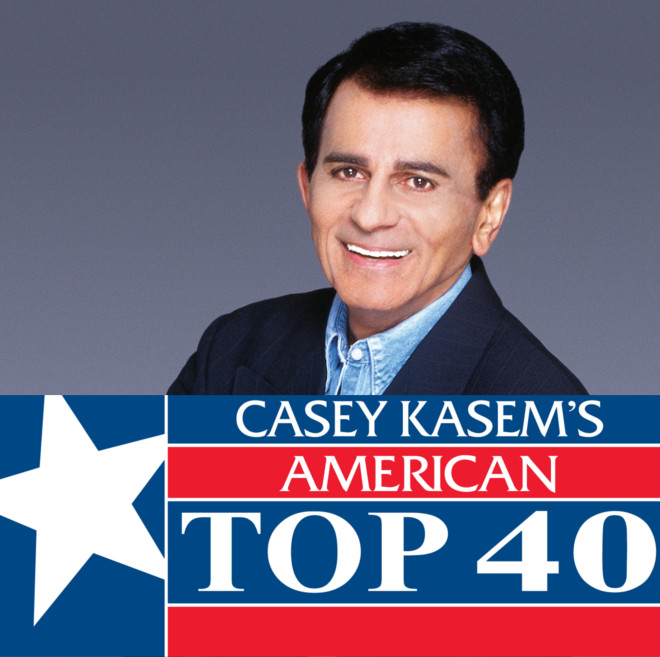
When the debut American Top 40 show happened on July 4th weekend in 1970, Casey Kasem aired the 40 biggest singles on the Billboard Hot 100 (BH100) chart. Criteria for this once-a-week survey: Only songs released as a 45-rpm single were eligible for charting on the BH100.

The Billboard rule of charting only songs released as singles on their Hot 100 survey was adopted in 1958 and was maintained until being eliminated in November 1998.

From 1970 until 1991, AT40 used the BH100 chart on its national weekly broadcasts.  Then in November 1991, AT40 stopped using the BH100 chart, switching first to Billboard’s “Hot 100 Airplay” chart and then finally to the “Mainstream Top 40” Billboard survey.

Both of these later Billboard charts were based solely on radio station airplay and the songs listed could be either a single or an album track.

On the weekend of January 28, 1995, the final episode of the original AT40 was broadcast. After a 3-year gap, American Top 40 returned with the second Casey Kasem era (1998-2004).

The evolution of Top 40 radio changed tremendously during the 70s and 80s. Stations went from being located primarily on the AM dial to high quality FM signals during this time period.

During the 80s, the Top 40 radio format became known as Contemporary Hit Radio (CHR). Stations utilizing the CHR format played current and recurrent popular hits that focused mostly on pop, rock, R&B and country crossover tunes.

By the 90s, newer sub-genres of pop-rock music became popular: Hip-Hop, Electronic, Urban, Grunge, Alternative and Modern Rock. This new diversity of music caused a large number of CHR stations to narrow their focus.

Instead of playing all the current top hits from the Billboard Hot 100 singles chart, many CHR formatted stations went away from playing mass appeal hits and splintered the songs they aired into smaller playlists.

The fractioning of the CHR format by the mid 90s had multiple stations in radio markets playing fewer songs and the music they aired tended to be mostly in a specific sub-genre of pop-rock music.

There were still successful traditional mainstream CHR stations functioning in radio markets that played a wide variety of hits in the 90s. One such station was in my hometown K92 (WXLK) 92.3 Roanoke, Virginia.

Above: A K92 Roanoke aircheck of David Lee Michaels: Summer 1981.

Photo inside of the K92 Roanoke studio in the early 90s courtesy of David Lee Michaels: From Left to Right: K92 DJ Eddie Haskell, English rock singer-songwriter and musician John Waite and K92 DJ David Lee Michaels.

K92 came on the air on New Year’s Day in 1980 with a Top 40 CHR format. This mainstream CHR outlet was the top-rated number one radio station in the Lynchburg/Roanoke market starting in 1980 and remained as the most listened to station into the early 90s.

Above: A K92 Roanoke audio clip of Ellis B Feaster: Summer 1989. Courtesy of Ellis B Feaster.

A photo I took of the K92 studio building on Electric Road in Roanoke County, Virginia. February 27, 2025.

Below is a listing of “main leaning” CHR formatted stations during the 90s and the music those outlets played:

  • Mainstream/Traditional CHR
  • Adult CHR
  • Rhythmic/Dance CHR
  • Urban CHR
  • Rock CHR

All chart documentation that I have reference below came from my personal copy of, “The Billboard Book of Top 40 Hits” by Joel Whitburn (9th edition).  I consider Whitburn’s book to be the “bible” of Top 40 music history and I bought my second copy of this superb music guide a few years ago.

Whitburn’s reference guide tabulates numeric positions for all Top 40 hits on multiple Billboard charts. When my countdown is viewed below, it may be surprising to some that these songs were not released as singles but actually album tracks that became radio hits.

In addition, my countdown of radio airplay hits is entirely based on my opinions: I consider those 20 rock songs as favorites from the 90s decade. My selections are songs that I deem to be culturally, historically, aesthetically significant, meaningful or relevant.

As I do with all of my countdowns, I document tracks that I considered but fell outside my top 20 selections. These album track hits are not ranked and are placed in a random order:

  • When I Come Around—Green Day
  • Crash into Me—Dave Matthews Band
  • Hand in My Pocket—Alanis Morissette  
  • Push—Matchbox 20
  • Buddy Holly—Weezer
  • A Long December—The Counting Crows
  • What I Got—Sublime
  • Champagne Supernova—Oasis
  • Spiderwebs—No Doubt
  • Daughter—Pearl Jam
  • Takes a Little Time—Amy Grant
  • 3 AM–Matchbox 20
  • Santa Monica (Watch the World Die)—Everclear
  • If You Could Only See—Tonic
  • Standing Outside a Broken Phone Booth with Money in My Hand—Primitive Radio Gods

Without further ado, my Top 20 countdown of the best non-singles radio hits begins:

20.  Zombie—The Cranberries 1995

Peak Positions on Billboard Charts: #1 Mainstream Rock, #18 Hot 100 Airplay

The Cranberries, an Irish alternative rock band, had a world-wide smash hit with “Zombie.” Written by band member/lead singer Dolores O’Riordan, her powerful lyrics are a furious anti-terrorism lament, protesting bombs exploding in England by the Irish Republican Army that killed two children.

19.  Closing Time—Semisonic 1998

Peak Positions on Billboard Charts: #1 Mainstream Rock, #4 Hot 100 Airplay

Rock band trio from, Minneapolis, Minnesota. This ballad has multiple meanings according to Semisonic’s songwriter Dan Wilson: 1.  Imagery of bouncers yelling “closing time” and people leaving bars. 2. About childbirth, with a pun on being “bounced from the womb”. Tune was nominated for a Grammy Award (Best Rock Song).

18.  Black Hole Sun—Soundgarden 1994

Peak Positions on Billboard Charts: #1 Modern Rock (7 weeks) #9 Hot 100 Airplay

Grunge Rock band from Seattle, Washington. Penned by Soundgarden’s singer-songwriter and guitarist Chris Cornell. Signature song by the band was the number 1 biggest album track on Billboard’s Modern Rock chart in 1994.

17.  Mr. Jones—The Counting Crows 1994

Peak Positions on Billboard Charts: #1 Modern Rock, #2 Hot 100 Airplay

Breakthrough hit by San Francisco, California rock band. From the album “August and Everything After.” Received a MTV Video Music Award for “Best New Artist” category with their hit.

16.  Walking on the Sun—Smash Mouth 1997

Peak positions on Billboard Charts: #1 mainstream Rock, #2 Hot 100 Airplay

Power pop rock band from San Jose, California. Debut hit was written by Smashmouth’s Greg Camp, after learning about Rodney King as a victim of police brutality in Los Angeles, California. A catchy, infectious track.

15.  Lightning Crashes—Live. 1994

Peak Positions on Billboard Charts: #1 Modern Rock (9 weeks), #1 Rock Tracks (10 weeks), #12 Hot 100 Airplay

York, Pennsylvania alternative rock band. Primarily written by lead singer Ed Kowalczyk but is credited to all 4 members of Live. The band dedicated this hit to a mutual high school friend, 19 year old Barbara Lewis who was killed by a drunk driver in 1993.

14.  Love Will Keep Us Alive—Eagles. 1994

Peak Positions on Billboard Charts: #1 Adult Contemporary (3 weeks), #22 Hot 100 Airplay

The Southern California rock band had been on hiatus since 1980 and formally reunited in 1994. This soft rock hit introduced a new generation to Eagles music. Bassist Timothy B. Schmidt is on lead vocals with a song nominated for a Grammy Award in 1995.

13.  How Bizarre—OMC. 1996

Peak Positions on Billboard Charts: #1 Mainstream Rock, #4 Hot 100 Airplay

OMC: aka (Otara Millionaires Club) was a New Zealand band. Started as a trio, then became a duo. When “How Bizarre” reached the top spot on Billboard’s Mainstream Rock survey, ONC became the first New Zealand artist ever to reach the a number 1 position with any Billboard chart. Received a MTV Video Music Award.

12.  Good Riddance (Time of Your Life)—Green Day. 1998

Peak Positions on Billboard Charts: #7 Mainstream Rock, #11 Hot 100 Airplay

Alternative California rock band switched things up for this ballad. The track was an unusual composition for Green Day: it had sparse instrumentation. Songwriter Billie Joe Armstrong plays acoustic guitar while a string arrangement was added into the mix. It has become a classic 90s folk-rock tune.

11.  Lovefool—The Cardigans. 1997

Peak Positions on Billboard Charts: #3 Hot 100 Airplay, #4 Mainstream Rock

Swedish rock band provided a pure pop song with “Lovefool.” Written by band members Nina Persson and Peter Svensson. Musically upbeat and lyrics that are sad, bittersweet and a little quirky. Billboard rates it as the 4th best hit with their “100 Best Pop Songs of 1997” listing.

10.  Interstate Love Song—Stone Temple Pilots. 1994

Peak Positions on Billboard Charts: #1 Mainstream Rock (15 Weeks), #18 Hot 100 Airplay

San Diego Grunge rock band. Track is from the album “Purple.” Written by Stone Temple Pilots singer-songwriter Scott Weiland. The signature song by the band is considered one of the best rock hits of the 90s by many music historians.

9.    Until I Fall Away—Gin Blossoms

Peak positions on Billboard Charts: #13 Mainstream Rock, #13 Hot 100 Airplay

Throwback power pop rock band from Tempe, Arizona. Musically, Gin Blossoms’ music featured chiming guitars, superb harmonies and catchy melodies. The band achieved 3 other hit songs during the 90s decade.

8.    What Would You Say—Dave Matthews Band 1994

Peak Positions on Billboard Charts: #5 Mainstream Rock, #9 Hot 100 Airplay

The first of two Dave Matthews Band songs on my countdown. Track from the “Under the Table and Dreaming” album. This track lifted the Charlottesville, Virginia rock/jazz/jam group into national prominence. Blues Traveler member John Popper plays harmonica on this tune.

7.    Torn—Natalie Imbruglia. 1998

Peak Positions on Billboard Charts: #1 Hot 100 Airplay, #1 Mainstream Rock

Natalie Imbruglia is an Australian and British singer-songwriter and actress. “Torn” was a huge international hit. It is considered a perfect acoustic pop rock track of the 90s. It received a Grammy nomination in 1999 and won a MTV Video Music Award (Best New Artist).

6.    A Change Would Do You Good—Sheryl Crow 1997

Peak Positions on Billboard Charts: #1 Mainstream Rock, #5 Hot 100 Airplay

Singer-songwriter and musician Sheryl Crow flowed easily into multiple genres of music during her career: rock, pop, folk and country. The artist plays bass and organ on this straight up, toe-tapping rock track. Additional guitars by Jeff Trott and Todd Wolfe fill out this outstanding tune.

5.    You Oughta Know—Alanis Morissette 1995

Peak Positions on Billboard Charts: #2 Mainstream Rock, #3 Hot 100 Airplay

In the mid-90s, Canadian singer-songwriter Alanis Morissette was the queen of angst rock. The track’s hard hitting confessional lyrics about an ex-boyfriend is performed with passion. It won two Grammy Awards for “Best Rock Song” and “Best Female Rock Vocal performance.” Rolling Stone magazine rates “You Oughta Know” at #103 on their “500 Greatest Songs of All Time” listing.

4.    Ants Marching—Dave Matthews Band 1995

Peak Positions on Billboard Charts: #19 Hot 100 Airplay, #21 Mainstream Rock

Virginia’s most prominent rock band of the 20th century has their second hit on my countdown. Written by Dave Matthews, the singer-songwriter considers “Ants Marching” as the official anthem for his band. The music mix of guitar, saxophone and violin is superb on this uptempo jam.

3.    Don’t Speak—No Doubt 1996

Peak Positions on Billboard Charts: #1 Hot 100 Airplay (16 Weeks), #2 Modern Rock

No Doubt was a hybrid rock band that played a combination of pop, rock, new wave, ska and alternative musical genres. Siblings Gwen and Eric Stafani wrote “Don’t Speak” which was a breakup song. It was nominated for 2 Grammy Awards and became the signature song for the California band.

2.    One Headlight—The Wallflowers 1997

Peak positions on Billboard Charts: #1 Hot 100 Airplay, #1 Mainstream Rock, #1 Adult Album Alternative

Jakob Dylan is a co-founder, lead vocalist, guitarist, and principal songwriter of the Wallflowers. His father is the legendary music icon Bob Dylan. “One Headlight” became the first song to reach #1 on all three of Billboard’s rock charts. The track won 2 Grammy Awards: for “Best Rock Song” and “Best Rock Performance.”

1.    Iris—Goo Goo Dolls. 1998

Peak Positions on Billboard Charts: #1 Hot 100 Airplay (17 Weeks), #1 Mainstream Rock (5 Weeks)

My #1 selection is “Iris” by Goo Goo Dolls. Formed in Buffalo, New York, during 1986, the alternative rock group still is a functioning as a band here in 2025. Their 1998 track is their signature song.

“Iris” is a power ballad and was featured in the film, “City of Angels.” It received 2 Grammy nominations and in 2012 Billboard ranked the track as #1 on the chart listing “Top Pop Songs: 1992-2012.”

Anyone that listened to CHR or rock formatted radio stations in 1998, would have heard this song on a regular basis. Without a doubt, “Iris” by the Goo Goo Dolls” is my #1 greatest rock hit of the 90s not released as a single.

That wraps up my countdown of what I consider to be the best rock radio hits in the 90s not released as singles.

If you have any thoughts about CHR radio and the music played on those stations during the 90s decade, please submit your comments on this topic. I look forward reading your opinions.

As always, I appreciate everyone who reads and subscribes to DJ Dave’s Musical Musings.  I am grateful.  Rock on!

To subscribe to my blog via email, please click the “Follow” button in the menu above.

Standard
Broadcasting, Music, Music Countdowns, Pop Music, Radio, Retro Rock, Rock Music

Best Protest and Social Justice Anthems: Hits of the 60s and 70s

When I was growing up in the late 60s and early 70s, it was a tumultuous time in the United States and my country was dominated by political and social unrest.

During the 1965 to 1975 time period, there were 3 main protest movements that happened simultaneously in America:  Anti-war sentiments with U.S. involvement in the Vietnam conflict, Black civil rights activism and women’s rights issues.

Many in the music industry started writing songs that addressed these pressing, controversial topics by recording music that promoted hope, empowerment, love, and encouragement to press on for change.

Top 40 radio provided an outlet for artists to reach large audiences with concerns that many Americans shared from all walks of life: folks hoping that change would take place in the future.

With this edition of my musical musings, I will be counting down what I consider to be the best protest and social justice anthems that were played on Top 40 radio from 1965 to 1975.

For the rest of this message, I will be counting down my favorite Top 20 singles of protest and social justice songs.  The sole criterion I utilized with song tabulation for the countdown is that the song must have peaked at #40 or higher on the Billboard Hot 100 between the 1965 to 1975 time period.

As I surveyed the prominent songs in this category, the countdown is entirely based on my opinions. The songs that I selected are singles that I deem to be culturally, historically, aesthetically significant, meaningful or relevant.

Before I start my countdown, I want to share what I consider to be four foundational protest and social justice songs between 1960 and 1964. These selections are building blocks for songs popular from the mid 60s to mid 70s.

  • Blowin’ in the Wind—Bob Dylan

Written by Bob Dylan.  Protest song asking rhetorical questions on topic of freedom, peace and war. Made popular by Peter Paul & Mary. Their 1963 cover of ‘Blowin’ in the Wind” reached #2 on Billboard Hot 100. One of Dylan’s signature songs. Inducted into the Grammy Hall of Fame.

  • We Shall Overcome—Joan Baez 

Written by Charles Albert Tindley. Originally a gospel song.  Modern version of tune made famous by Pete Seeger. Became associated with the 60s civil rights movement. Joan Baez sang song in front of the Lincoln Memorial during the March on Washington Civil Rights protest in August 1963.

  • A Change is Gonna Come—Sam Cooke

Written by Sam Cooke.  This song is the crown jewel of all songs written by the “King of Soul.”

Lyrics were inspired by multiple real-life discrimination against Cooke during the 60s. Tune became hope for the Civil Rights Moment. It’s ranked as the third “Greatest Song of All Time” by Rolling Stone magazine.

  • Where Have All the Flowers Gone—Pete Seeger

Written By Pete Seeger.  Lyrics are an anti-war protest, highlighting death and destruction upon the effects of war.  Many artists have covered the song with Peter Paul & Mary and the Kingston Trio having the most popular versions in the 60s. Song was inducted into the Grammy Hall of Fame in 1973.

There are also two excellent protest and social justice songs that were not top 40 hits but are memorable singles I want to highlight:

  • Requiem for the Masses—The Association

Written by Terry Kirkman. A member of the Association. The song references war, racism and protesting network TV news reporting of the Vietnam conflict. The tune has requiem-style vocals that depict thousands of fallen dead soldiers coming back to the U.S. to be buried.

  • 7 O ‘Clock News/Silent Night—Simon & Garfunkel

Co-written by Josef Mohr & Franz Gruber. The Paul Simon & Art Garfunkel duo sing the traditional Christmas carol “Silent Night” while simultaneously an announcer reads actual news events that happened during the summer of 1966.  The 7 O ‘Clock dialogue features prominent news about Martin Luther King, Jr, the Civil Rights Moment and info about the Vietnam War

I have one more outstanding protest song to share before the countdown starts:

  • Signs–Five Man Electrical Band

One of my favorite singles of 1971 is a protest on the topic of signs. Musician and lead vocalist Les Emmerson from Canadian group Five Man Electrical Band, wrote this song after traveling on U.S. Route 66 in California and seeing multiple large billboards blocking the natural scenic beauty along the historic highway.

Without further ado, my Top 20 countdown of best protest and justice songs begins:

20.  Eve of Destruction—Barry McGuire  1965

Written by P.F. Sloan:  Peak Positions on Billboard Charts: #1 Hot 100, 29th Biggest song of 1965

Co-written by Dennis Lambert & Brian Potter:   This ode mentions many hot button topics: Vietnam War, drafting of soldiers, the Civil Rights Movement, Nuclear War, U.S. space program and war in the Middle East. Barry McGuire’s song is a one hit wonder. He went on to record Jesus Music in the 70s.

19.  One Tin Soldier—The Original Caste:  1969

Co-written by Dennis Lambert & Brian Potter:  Peaked by #26 on Billboard Hot 100

The Original Caste was a Canadian group and their anti-war song is about a fictional kingdom that had a great treasure. Warring tribes fight, killing and destroying all foes in order to obtain the treasure. When the treasure is conquered, the rock has a message, “Peace on earth.” Overall message of the lyrics:  The war was pointless.

18.  Sweet Cherry Wine—Tommy James & the Shondells  1969

Co-written by Richard Grasso & Tommy James:  Peaked at #7 on Billboard Hot 100

Lyrics of “Sweet Cherry Wine” had multiple meanings. It directly declares an anti-war message, as the Vietnam conflict was happening in the late 60s. Tommy James also said in 2012 that his song refers to the blood of Jesus that Christians celebrate as Holy Eucharist or Holy Communion.

17.  Inner City Blues (Make Me Wanna Holler)—Marvin Gaye  1971

Co-written by James Nyx Jr. & Marvin Gaye:  Peaked at #14 on the Billboard Hot 100

From the landmark “What’s Going On” concept album by Marvin Gaye. This song depicts horrid living conditions, extreme poverty and economic despair for people living in American inner-city ghettos.  It was the third consecutive hit by Gaye to reach #1 on the Billboard Hot R&B Singles chart in 1971.

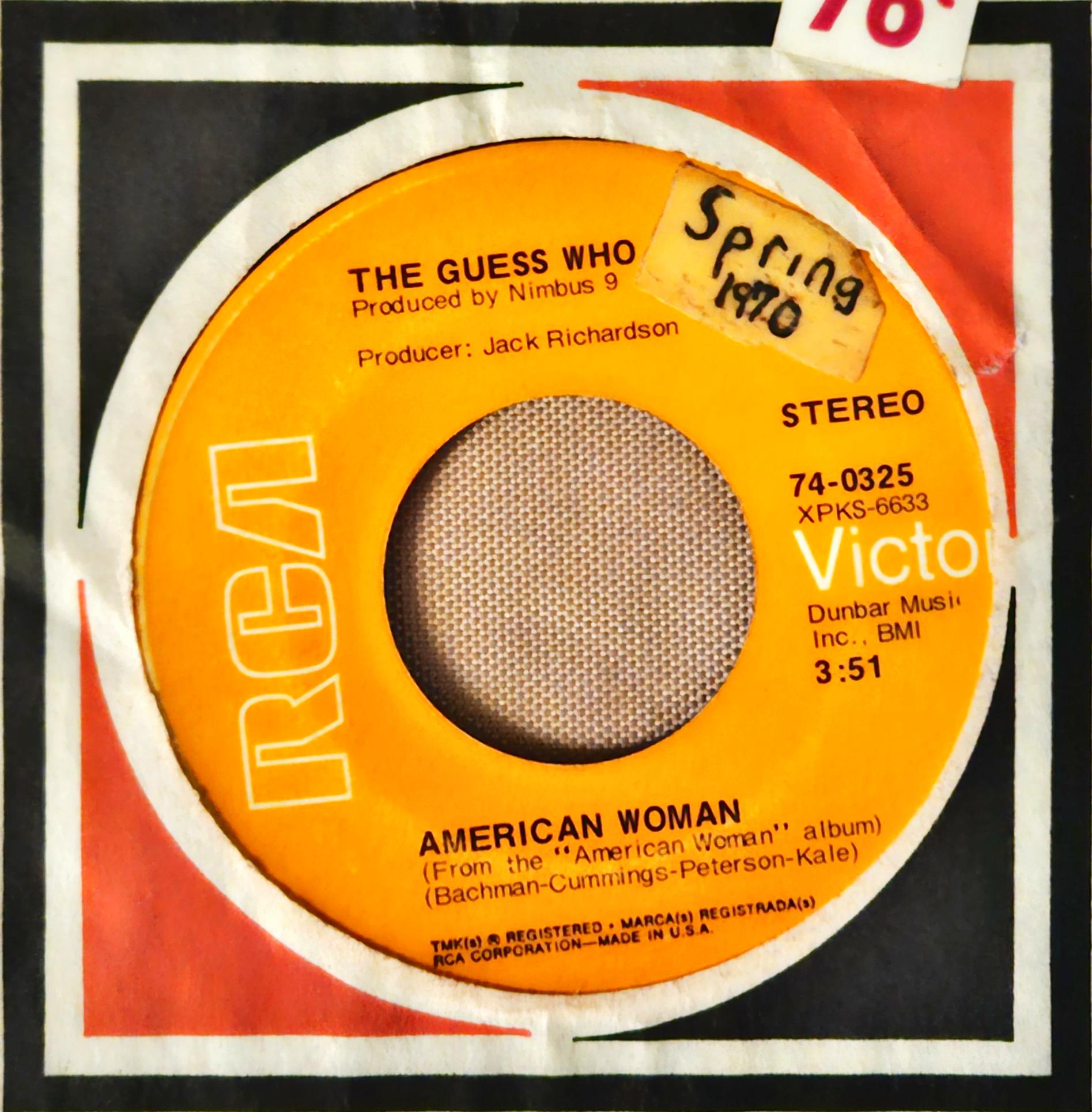
16.  American Woman—The Guess Who. 1970

Co-written by Burton Cummings, Garry Peterson, Jim Kale & Randy Bachman:  Peak Positions on Billboard Charts: #1 Hot 100, 3rd Biggest Song of 1970.

Randy Bachman of the Guess Who stated in 2014 that “American Woman” was an anti-war protest song against the Vietnam conflict from a Canadian point of view. Of course, lyrics can also be interpreted literally as guys from Canada not wanting anything to do with women from the U.S. The single became the biggest hit on the Billboard Hot 100 by the Canadian rock band.

15.  Give Peace a Chance–John Lennon & the Plastic Ono Band  1969  

Co-written by John Lennon and Yoko Ono:  Peaked at #14 on Billboard Hot 100

During John Lennon and Yoko Ono’s honeymoon in 1969, the newly married couple held a “bed-in” peace rally in Montreal, Canada.  “Give Peace a Chance” was recorded in a hotel room with a group of friends and acquaintances. It became an anthem for the anti-war movement in America.

14.  Living for the City—Stevie Wonder:  1973

Written by Stevie Wonder:  Peak Positions on Billboard Charts:  #8 Hot 100, 45th Biggest Song of 1974

An epic story about a poor Black man from Mississippi moving to New York City who took a job with low wages. He eventually faces racial injustice, police brutality and a corrupt criminal system.  Stevie Wonder won two Grammy Awards for his written story song.

13.  People Get Ready—Curtis Mayfield & the Impressions  1965

Written by Curtis Mayfield: Peaked at #14 on the Billboard Hot 100

A gospel influenced song of social and political awareness.  After Curtis Mayfield’s song was released, Martin Luther King Jr. named “People Get Ready” as the “Unofficial Civil Right Movement Song.”  Rolling Stone rates it at #24 on their “Greatest Songs of All Time” listing.

12.  Imagine—John Lennon  1971

Co-written by John Lennon & Yoko Ono: Peaked at #3 on the Billboard Hot 100

Best-selling single in the solo career of John Lennon.  Lyrics are a call for world peace:  one world, one country, one people. “Imagine” is ranked as the third “Greatest Song of All Time” by Rolling Stone and is considered Lennon’s masterpiece signature song.

11.  Get Together—The Youngbloods  1967

Written by Chet Powers:  Peak positions on Billboard Charts:  #5 Hot 100, 16th Biggest Song of 1969

An appeal for peace, love, tranquility and brotherhood are all captured on this only top 40 hit by the Youngbloods. Originally released during the summer of love in July 1967, this folk-rock tune actually didn’t become a hit until two years later, back in the summer of ’69.

10.  Abraham Martin & John—Dion:  1968

Written by Dick Holler:  Peaked at #4 on the Billboard Hot 100

A tribute to four men who were assassinated:  Abraham Lincoln, John F Kennedy, Martin Luther King, Jr. and Robert F Kennedy.  Was written after the assassinations of MLK and RFK in the summer of 1968. All 4 leaders were icons of social change. Gone but not forgotten.

9.   Respect—Aretha Franklin   1967

Written by Otis Redding:  Peak Positions on Billboard Charts:  #1 Hot 100, 13th Biggest Song of 1967

Aretha Franklin took Otis Redding’s “Respect” and made it her own song. It became an anthem for Black Civil Rights and Women’s Rights, especially workplace equality, protection from domestic violence and sexual assault/harassment issues.  Rolling Stone magazine rates “R-E-S-P-E-C-T” as the #1 greatest song of all time.

8.   Revolution—The Beatles:  1968

Co-written/credited as a John Lennon & Paul McCartney song.  It was primarily written by Lennon. Peaked at #12 on the Billboard Hot 100

Lyrics for “Revolution” came about as some anti-war moment members were calling out for violence to achieve their goals.  Lennon, being a peace activist, believed in non-violent methods to promote peaceful transitions. The Beatles rocked with a message of social change on this hard driving tune.

7.   War—Edwin Starr. 1970

Co-written by Norman Whitfield & Barrett Strong:  Peak Positions on Billboard Charts: #1 Hot 100, 5th Biggest Song of 1970

“War, huh, yeah, What is it good for? Absolutely nothing!” is the chorus to one of the most renowned anti-war protest songs of the 20th century.  Edwin Starr delivers powerful vocals and expresses anger, frustration and moral conviction with this outstanding Motown Records gem.

6.   Ohio—Crosby Stills Nash & Young  1970

Written By Neil Young:  Peaked at #16 on the Billboard Hot 100

When Neil Young saw photos in Life Magazine about the Kent State University tragedy of 4 students being killed by National Guard soldiers, he wrote lyrics that expressed horror, rage and disgust about the May 4, 1970 event. Some music historians proclaim that “Ohio” is the greatest protest song of the 20th century.

5.   Ball of Confusion (That’s What the World is Today)—The Temptations  1970

Co-written by Norman Whitfield & Barrett Strong: Peak Positions on Billboard Charts: #2 Hot 100, 24th Biggest Song of 1970

Psychedelic soul that mentions a wide variety of topical issues. It was an age of discontent with the world spinning out of control.  “Ball of Confusion” was archetypical of social justice Motown songs that were produced in the late 60s and early 70s.

4.   For What It’s Worth—Buffalo Springfield  1967

Written by Stephen Stills:  Peak Positions on Billboard Charts: #7 Hot 100, 27th Biggest Song 1967

This protest song was originally written by Stephen Stills about curfew riots that happened at Sunset Strip in Los Angeles in November 1966.  After the tune became a hit, it was associated with Vietnam War protests, with young people clashing with police during the late 60s counterculture era.

3.   People Got to Be Free—The Rascals  1968

Co-written by Felix Cavaliere & Eddie Brigati:  Peak positions on Billboard Charts:  #5 Hot 100, 5th Biggest Song of 1968 

 Written on May 14, 1968, between the assassinations of Martin Luther King, Jr and Robert F Kennedy.  The message promoted tolerance, freedom and brotherhood of all mankind. Released during the turbulent summer of 1968, “People Got to Be Free” became an anthem of hope for young Americans.

2.   What’s Going On—Marvin Gaye  1971

Co-written by Al Cleveland, Renaldo & Marvin Gaye:  Peak Positions on Billboard Charts:  #2 Hot 100, 21st Biggest Single of 1971

1971 was a troublesome time in America.  Marvin Gaye’s socially conscious song “What’s Going On” accurately captured the pulse of turmoil that prevailed in our country.  Police brutality, violence in the streets and American involvement in the Vietnam War are all topics on this protest tune.

“What’s Going On” is among the best and most loved tunes in Motown musical history. Rolling Stone ranks it at number 6 on the, “500 Greatest Songs of All Time” listing.  Numerous other music publications place the tune among the best songs from the 20th Century. It remains a crown jewel of the best songs ever recorded by Gaye.

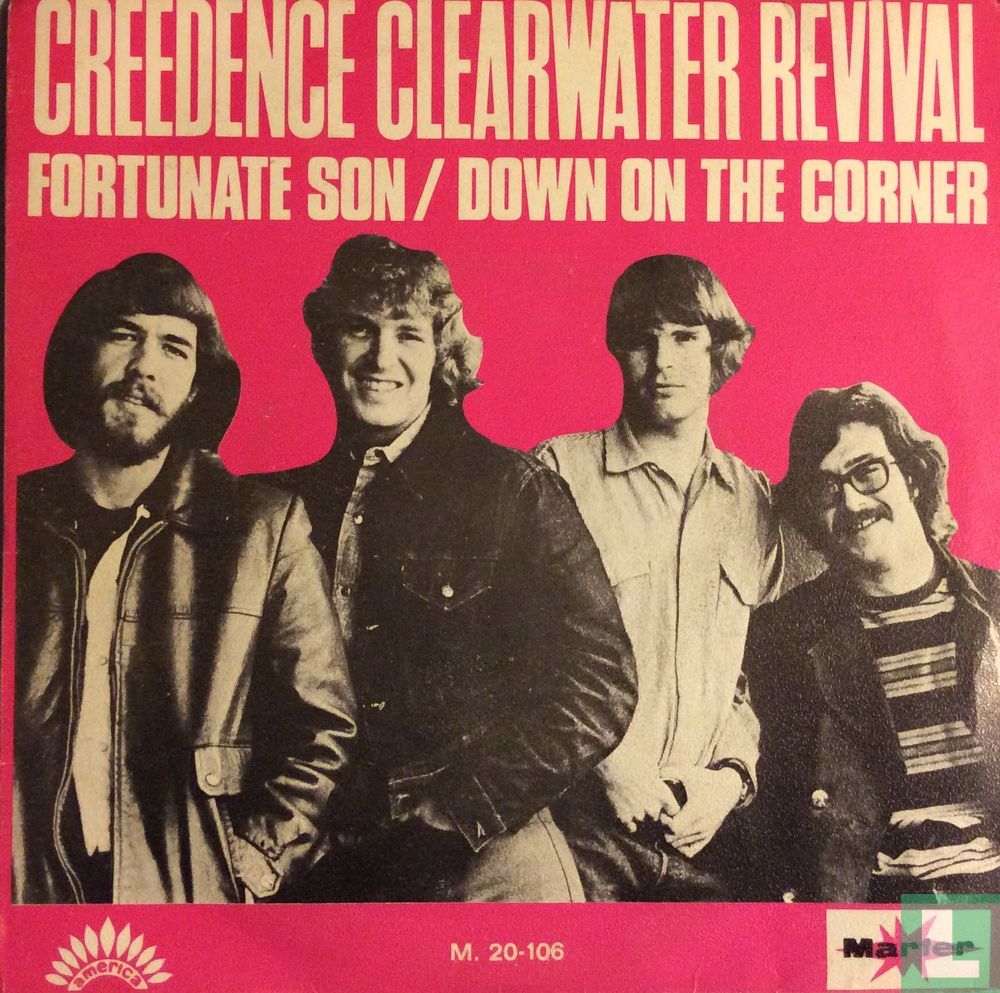
  1. Fortunate Son—Creedence Clearwater Revival  1969

Written by John Fogerty:  Peaked at #3 on the Billboard Hot 100

My #1 protest and social justice song is “Fortunate Son” by Creedence Clearwater Revival (CCR).  Released in September 1969 during the peak period of American involvement in the Vietnam War, this ode quickly became an anti-war movement anthem and is considered a signature song for its author, singer-songwriter John Fogerty.

As Fogerty explained with a post on X, “Fortunate Son is a song I wrote during the Vietnam War, inspired by the stark contrast between those who were drafted to fight and die for their country and those who had the privilege to avoid the draft because of their wealth and connections.”

In 2013, Fogerty’s song was added to the National Recording Registry by the Library of Congress and it is widely regarded as the best overall song ever written by Fogerty. Without a doubt, I rate “Fortunate Son” as my favorite John Fogerty/CCR track of all-time and it is the #1 best protest and social justice song on my 60s and 70s countdown.

That wraps up what I consider to be my favorite and best 60s and 70s protest and social justice songs.  I completely understand that my listing of songs in this category was written from my point of view and is subjective.

If you were creating a similar register of excellent protest and social justice singles, your tabulation may be totally different. What do you consider to be best preeminent singles in this category?

I have passionate memories of the protest and social justice songs that I have shared in this article.  Without a doubt, I still cherish and fondly remember my countdown singles to this day.  Rock on!

To subscribe to my blog via email, please click the “Follow” button in the menu above.

Standard