Broadcasting, Music, Music Countdowns, Pop Music, Radio, Retro Rock, Rock Music, Top 40 Radio, Woodstock

20 Excellent Songs and Memorable Albums of 1969

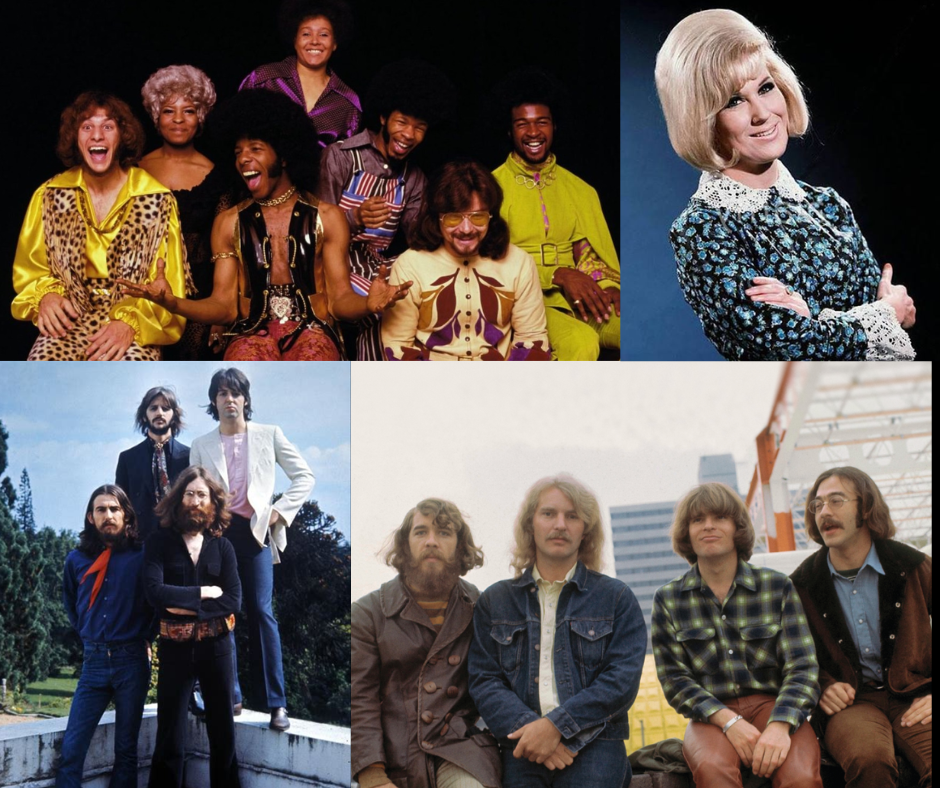
A couple of months ago, I had a musical conversation with my daughter Amy. As a result of our discussion, I came up with this month’s article: I will highlight 20 superb tracks from 20 memorable albums that were released during the year of 1969.

This message will be song driven instead of being album oriented. I will be counting down what I consider to be the best song that is found on each of the 1969 released studio albums that I have selected.

Here is the process that I used in selecting the albums for this article: an album had to be released between January 1 and December 31, 1969. That excludes albums released late in 1968, even though the LP may have been popular during the first few months of 1969.

Once I selected the 20 albums released in 1969, I picked my favorite track on each of those LPs. Of those songs, I have ranked the 20 tracks for the countdown with the #1 selection being my favorite song of the bunch.

The other main criteria that I used for this exercise: I picked only studio albums in my selection of 1969 LPs. That means I did not include any live recordings, greatest hits, compilation or soundtracks albums for this countdown.

While the 20 albums I list in the article are not ranked as part of the countdown, the number 1 top track is also found on my favorite studio album from 1969.

All of the albums and tracks on my countdown are from popular artists and bands that I liked in 1969 and I still enjoy listening to 56 years later. Before I begin listing the 20 albums and tracks, below are various albums that are all good to excellent LPs but didn’t qualify for inclusion into the countdown.

First is a list of top live and/or soundtrack albums of 1969 that aren’t eligible for the 20 tracks and LP countdown:

  • Captured Live at the Forum–Three Dog Night
  • At San Quentin–Johnny Cash
  • Yellow Submarine Songtrack–The Beatles
  • Goodbye–Cream

Next are top-selling albums at the beginning of 1969 but released in 1968. Thus, these selections weren’t eligible for the 20 tracks and LPs countdown:

  • The Beatle–The Beatles: AKA: “The White Album”
  • In-A-Gadda-Da-Vida–Iron Butterfly
  • Wichita Lineman–Glen Campbell
  • Cheap Thrills–Big Brother and the Holding Company
  • Crimson and Clover–Tommy James & the Shondells
  • Blood Sweat & Tears–Blood Sweat and Tears
  • Hair (Original Broadway Cast Recording)
  • Diana Ross & the Supremes Join the Temptations

One other outstanding album of 1969 was by Blind Faith. This supergroup consisted of Eric Clapton, Steve Winwood, Ginger Baker and Ric Grech, This band broke up soon after recording their highly-rated, self-titled debut album.

Without further ado, my best 20 albums and tracks of 1969 countdown begins:

20.   Bob Dylan: Song: “Lay Lady Lay” 

 Album: “Nashville Skyline” Released 4/9/69 

My second favorite track: “Girl from the North Country” (duet with Johnny Cash).

Bob Dylan launched a foray into country music with this album. “Lay Lady Lay” was the first top 10 hit on Billboard Hot 100 for Dylan in 3 years: Since “Rainy Day Women #12 & 35” in 1966.

19.   The 5th Dimension: Song: “Aquarius (Let the Sunshine In)”  

Album: “The Age of Aquarius” Released 5/69 

My second favorite track: “Workin’ on a Groovy Thing”

Was biggest selling album for the pop soul vocal group. The “Aquarius” single is a medley of two songs, a cover that was originally performed in the Broadway rock musical “Hair.” The track won two Grammy Awards in 1970.

18.    Santana:  Album: Song: “Evil Ways” 

Album: “Santana” Released 8/22/69 

My second favorite track: “Soul Sacrifice”

Debut album by Latin rock band that played at Woodstock in August 1969.  “Evil Ways” was the second single released on LP and reached #9 on the Billboard Hot 100 in the spring of 1970.

17.    The Band:  Album: Song: “Up on Cripple Creek” 

Album: “The Band” Released 9/22/69  

My second favorite track: “The Night They Drove Old Dixie Down

Also known as the “Brown Album.” Released just over a month after the Band played at Woodstock (August ’69). “Up on Cripple Creek” is a combination of pop, rock, country and bluegrass. Peaked at #25 in the winter of 1970 on the Billboard Hot 100.

16.     Dusty Springfield:  Song: “Son of a Preacher Man”  

Album: “Dusty in Memphis” Released 3/31/69  

My second favorite track: “The Windmills of Your Mind”

In 2020, album was inducted into Library of Congress for preservation in the National Recording Registry.  “Son of a Preacher Man” features outstanding blue-eyed soul vocals as Springfield was one of the most underrated women singers from the mid to late 60s.

15.     The Guess Who: Song: “Undun”  

Album: “Canned Wheat” Released 9/69  

My second favorite track: “No Time”

The popular Canadian band released their 2nd studio album in 1969. Originally a B-side of the “Laughing” 45-rpm single, “Undun” became a hit in its own right. This tune is considered a jazz-rock gem with superb guitar and excellent flute solo.

14.     The Rolling Stones: Song: “Gimme Shelter”   

Album: “Let It Bleed” Released 11/28/69  

My second favorite track: “You Can’t Always Get What You Want.”

The “Let It Bleed” album is ranked as one of the best LPs by the British band. It features prominent guest vocals by American singer Merry Clayton. Rolling Stone magazine ranks “Gimmie Shelter” at #13 on their countdown with the “500 Greatest Songs of All Time” list.

13.     Creedence Clearwater Revival: Song: “Born on the Bayou”  

Album: “Bayou Country” 1/15/69 

My second favorite track: “Proud Mary”

The first of 3 CCR albums released in 1969.  “Born on the Bayou” was written by John Fogerty. Some music historians consider the song “swamp rock.”  I say, “It’s only rock and roll but I like it.”

12.     Led Zeppelin: Song: “Whole Lotta Love”  

Album: “Led Zeppelin II” Released 10/22/69  

My second favorite track: “Ramble On”

“Led Zeppelin II” has a hard-driving, blues-based rock sound. Truly, “Whole Lotta Love” is a psychedelic masterpiece. Jimmy Page created one of the greatest guitar riffs of the 20th century on this song.

11.     Sly & the Family Stone: Song: “Stand!”  

Album: “Stand!” Released 5/3/69  

My second favorite track: “Everyday People”

Sly & the Family Stone’s “Stand!” album was inducted into the Grammy Hall of Fame in 2015.  The lyrics for the R&B/Funk track are affirmative. The band played this anthem at Woodstock during August 1969.

10.     Chicago: Song: “Beginnings”  

Album: “Chicago Transit Authority” Released 4/28/69  

My second favorite track: “Does Anybody Really Know What Time It Is?”

The debut album by Chicago is my second favorite by this band. “Beginnings” is almost 8-minutes long on “CTA” and is an early example of progressive rock. Lyrics were written by Robert Lamm.

9.       Creedence Clearwater Revival:  Song: “Green River”  

Album: “Green River” Released 8/7/69  

My second favorite track: “Bad Moon Rising”

This CCR album was released just over a week before the band played at Woodstock. John Fogerty’s guitar riff on this tune is superb. The “Green River” single is my favorite CCR track that played on top 40 radio back in the summer of ’69.

8.       Neil Young: Album: Song: “Cinnamon Girl”   

“Everybody Knows This is Nowhere” Released 5/14/69  

My second favorite track: “Down by the River”

Neil Young recorded his album just a few months before joining the Crosby Stills & Nash band. “Cinnamon Girl” has a dominant guitar riff and is a distinguished power pop tune. It is my second favorite solo song by the artist born in Canada.

7.      The Who: Song: “I’m Free”  

Album “Tommy” Released 5/19/69  

My second favorite track: “See Me, Feel Me”

Pete Townshend of the Who created a ground breaking album with the rock opera “Tommy.” “I’m Free” is one of my favorite singles played on top 40 radio in the summer of 1969. The British band also performed the song during Woodstock almost 57 years ago.

6.      The Doors: Song: “Touch Me”  

Album: “The Soft Parade” Released 7/18/69  

My second favorite track: “Tell All the People”

The Doors 4th studio album gave the band in new direction by incorporating brass and string arrangements. “Touch Me” features a smoking hot saxophone solo by Curtis Amy. I rate this single written by Robby Kreiger as the #1 best song recorded by the 1993 Rock & Roll Hall of Fame band.

5.      The Rascals: Song: “People Got to Be Free” 

Album: “Freedom Suite” Released 3/17/69  

My second favorite track: “A Ray of Hope”

Released as a double album, “Freedom Suite” was a concept LP. “People Got to Be Free” lyrics were inspired by the 1968 assassination of Martin Luther King, Jr. I rate this song as the 4th best protest and social justice anthem from the 60s and 70s.

4.       Three Dog Night: Song: “Easy to Be Hard”  

“Suitable for Framing” Released 6/11/69 

My second favorite track: “Eli’s Coming”

The first of two superb albums by Three Dog Night during 1969 (“Captured Live at the Forum” 2nd LP). “Easy to Be Hard” is a cover of a song from the Broadway rock musical “Hair.” Features powerful lead vocals by Chuck Negron.

3.      Creedence Clearwater Revival: Song: “Fortunate Son” 

Album: “Willy and the Poor Boys” Released 10/29/69  

My second favorite track: “Down on the Corner”

This was CCR’s third studio album released in 1969. John Fogerty’s signature song is my favorite CCR tune of all-time.  I rate “Fortunate Son” as the #1 best protest and social justice anthem from the 60s & 70s.

2.       Crosby Stills & Nash: Song: “Suite: Judy Blue Eyes”  

 Album: “Crosby Stills & Nash” Released 5/29/69  

My second favorite track: “Marrakesh Express”

Debut self-titled CS&N was inducted into the Grammy Hall of Fame in 1999. Stephen Stills wrote this song about singer-songwriter and girlfriend at the time Judy Collins. “Suite: Judy Blue Eyes” has four distinct sections. Harmonies by David Crosby and Graham Nash are outstanding on this acoustic jewel.

1.     The Beatles: Song: “Here Comes the Sun”  

Album: “Abbey Road” Released 10/1/69  

My second favorite track: “Something”

“Abbey Road” is my favorite studio album of 1969 and “Here Comes the Sun” is among my top Beatles songs ever recorded by the British band. The Fab Four were my favorite rock band 57 years ago.

Written and sung by guitarist George Harrison, this “Abbey Road” track is a cheerful pop song. Along with exceptional guitar playing by Harrison, the tune also employs violas, cellos, piccolos, flutes and clarinets. This gives the tune a classical feel.

An all Abbey Road photo. I am wearing a Beatles t-shirt and holding a vinyl record album, with my mostly Bluetick Coonhound named Abbey Road.

 During the 21st century, Harrison’s track is the most streamed Beatles song on Spotify and other online music platforms around the world.  Folks of all ages love the positive, encouraging message of this song. 

Without a doubt, “Here Comes the Sun” from the Beatles “Abbey Road” album is my #1 best song and memorable LP from 1969.

That wraps up my musical musings on the topic of best 1969 tracks and studio albums. The listing of songs and LPs was written totally from my own point of view and is subjective.

If you were creating a similar register of excellent 1969 tracks and studio albums, your tabulation may be totally different. What do you consider to be best songs and studio albums released during 1969?

I still love, cherish and fondly remember all of the 1969 tracks and albums that I listed above. Listening to the music from 57 years ago is still special to me. Rock on!

To subscribe to my blog via email, please click the “Follow” button in the menu above.

Standard
Broadcasting, Music, Music Countdowns, Pop Music, Radio, Retro Rock, Rock Music

Best Protest and Social Justice Anthems: Hits of the 60s and 70s

When I was growing up in the late 60s and early 70s, it was a tumultuous time in the United States and my country was dominated by political and social unrest.

During the 1965 to 1975 time period, there were 3 main protest movements that happened simultaneously in America:  Anti-war sentiments with U.S. involvement in the Vietnam conflict, Black civil rights activism and women’s rights issues.

Many in the music industry started writing songs that addressed these pressing, controversial topics by recording music that promoted hope, empowerment, love, and encouragement to press on for change.

Top 40 radio provided an outlet for artists to reach large audiences with concerns that many Americans shared from all walks of life: folks hoping that change would take place in the future.

With this edition of my musical musings, I will be counting down what I consider to be the best protest and social justice anthems that were played on Top 40 radio from 1965 to 1975.

For the rest of this message, I will be counting down my favorite Top 20 singles of protest and social justice songs.  The sole criterion I utilized with song tabulation for the countdown is that the song must have peaked at #40 or higher on the Billboard Hot 100 between the 1965 to 1975 time period.

As I surveyed the prominent songs in this category, the countdown is entirely based on my opinions. The songs that I selected are singles that I deem to be culturally, historically, aesthetically significant, meaningful or relevant.

Before I start my countdown, I want to share what I consider to be four foundational protest and social justice songs between 1960 and 1964. These selections are building blocks for songs popular from the mid 60s to mid 70s.

  • Blowin’ in the Wind—Bob Dylan

Written by Bob Dylan.  Protest song asking rhetorical questions on topic of freedom, peace and war. Made popular by Peter Paul & Mary. Their 1963 cover of ‘Blowin’ in the Wind” reached #2 on Billboard Hot 100. One of Dylan’s signature songs. Inducted into the Grammy Hall of Fame.

  • We Shall Overcome—Joan Baez 

Written by Charles Albert Tindley. Originally a gospel song.  Modern version of tune made famous by Pete Seeger. Became associated with the 60s civil rights movement. Joan Baez sang song in front of the Lincoln Memorial during the March on Washington Civil Rights protest in August 1963.

  • A Change is Gonna Come—Sam Cooke

Written by Sam Cooke.  This song is the crown jewel of all songs written by the “King of Soul.”

Lyrics were inspired by multiple real-life discrimination against Cooke during the 60s. Tune became hope for the Civil Rights Moment. It’s ranked as the third “Greatest Song of All Time” by Rolling Stone magazine.

  • Where Have All the Flowers Gone—Pete Seeger

Written By Pete Seeger.  Lyrics are an anti-war protest, highlighting death and destruction upon the effects of war.  Many artists have covered the song with Peter Paul & Mary and the Kingston Trio having the most popular versions in the 60s. Song was inducted into the Grammy Hall of Fame in 1973.

There are also two excellent protest and social justice songs that were not top 40 hits but are memorable singles I want to highlight:

  • Requiem for the Masses—The Association

Written by Terry Kirkman. A member of the Association. The song references war, racism and protesting network TV news reporting of the Vietnam conflict. The tune has requiem-style vocals that depict thousands of fallen dead soldiers coming back to the U.S. to be buried.

  • 7 O ‘Clock News/Silent Night—Simon & Garfunkel

Co-written by Josef Mohr & Franz Gruber. The Paul Simon & Art Garfunkel duo sing the traditional Christmas carol “Silent Night” while simultaneously an announcer reads actual news events that happened during the summer of 1966.  The 7 O ‘Clock dialogue features prominent news about Martin Luther King, Jr, the Civil Rights Moment and info about the Vietnam War

I have one more outstanding protest song to share before the countdown starts:

  • Signs–Five Man Electrical Band

One of my favorite singles of 1971 is a protest on the topic of signs. Musician and lead vocalist Les Emmerson from Canadian group Five Man Electrical Band, wrote this song after traveling on U.S. Route 66 in California and seeing multiple large billboards blocking the natural scenic beauty along the historic highway.

Without further ado, my Top 20 countdown of best protest and justice songs begins:

20.  Eve of Destruction—Barry McGuire  1965

Written by P.F. Sloan:  Peak Positions on Billboard Charts: #1 Hot 100, 29th Biggest song of 1965

Co-written by Dennis Lambert & Brian Potter:   This ode mentions many hot button topics: Vietnam War, drafting of soldiers, the Civil Rights Movement, Nuclear War, U.S. space program and war in the Middle East. Barry McGuire’s song is a one hit wonder. He went on to record Jesus Music in the 70s.

19.  One Tin Soldier—The Original Caste:  1969

Co-written by Dennis Lambert & Brian Potter:  Peaked by #26 on Billboard Hot 100

The Original Caste was a Canadian group and their anti-war song is about a fictional kingdom that had a great treasure. Warring tribes fight, killing and destroying all foes in order to obtain the treasure. When the treasure is conquered, the rock has a message, “Peace on earth.” Overall message of the lyrics:  The war was pointless.

18.  Sweet Cherry Wine—Tommy James & the Shondells  1969

Co-written by Richard Grasso & Tommy James:  Peaked at #7 on Billboard Hot 100

Lyrics of “Sweet Cherry Wine” had multiple meanings. It directly declares an anti-war message, as the Vietnam conflict was happening in the late 60s. Tommy James also said in 2012 that his song refers to the blood of Jesus that Christians celebrate as Holy Eucharist or Holy Communion.

17.  Inner City Blues (Make Me Wanna Holler)—Marvin Gaye  1971

Co-written by James Nyx Jr. & Marvin Gaye:  Peaked at #14 on the Billboard Hot 100

From the landmark “What’s Going On” concept album by Marvin Gaye. This song depicts horrid living conditions, extreme poverty and economic despair for people living in American inner-city ghettos.  It was the third consecutive hit by Gaye to reach #1 on the Billboard Hot R&B Singles chart in 1971.

16.  American Woman—The Guess Who. 1970

Co-written by Burton Cummings, Garry Peterson, Jim Kale & Randy Bachman:  Peak Positions on Billboard Charts: #1 Hot 100, 3rd Biggest Song of 1970.

Randy Bachman of the Guess Who stated in 2014 that “American Woman” was an anti-war protest song against the Vietnam conflict from a Canadian point of view. Of course, lyrics can also be interpreted literally as guys from Canada not wanting anything to do with women from the U.S. The single became the biggest hit on the Billboard Hot 100 by the Canadian rock band.

15.  Give Peace a Chance–John Lennon & the Plastic Ono Band  1969  

Co-written by John Lennon and Yoko Ono:  Peaked at #14 on Billboard Hot 100

During John Lennon and Yoko Ono’s honeymoon in 1969, the newly married couple held a “bed-in” peace rally in Montreal, Canada.  “Give Peace a Chance” was recorded in a hotel room with a group of friends and acquaintances. It became an anthem for the anti-war movement in America.

14.  Living for the City—Stevie Wonder:  1973

Written by Stevie Wonder:  Peak Positions on Billboard Charts:  #8 Hot 100, 45th Biggest Song of 1974

An epic story about a poor Black man from Mississippi moving to New York City who took a job with low wages. He eventually faces racial injustice, police brutality and a corrupt criminal system.  Stevie Wonder won two Grammy Awards for his written story song.

13.  People Get Ready—Curtis Mayfield & the Impressions  1965

Written by Curtis Mayfield: Peaked at #14 on the Billboard Hot 100

A gospel influenced song of social and political awareness.  After Curtis Mayfield’s song was released, Martin Luther King Jr. named “People Get Ready” as the “Unofficial Civil Right Movement Song.”  Rolling Stone rates it at #24 on their “Greatest Songs of All Time” listing.

12.  Imagine—John Lennon  1971

Co-written by John Lennon & Yoko Ono: Peaked at #3 on the Billboard Hot 100

Best-selling single in the solo career of John Lennon.  Lyrics are a call for world peace:  one world, one country, one people. “Imagine” is ranked as the third “Greatest Song of All Time” by Rolling Stone and is considered Lennon’s masterpiece signature song.

11.  Get Together—The Youngbloods  1967

Written by Chet Powers:  Peak positions on Billboard Charts:  #5 Hot 100, 16th Biggest Song of 1969

An appeal for peace, love, tranquility and brotherhood are all captured on this only top 40 hit by the Youngbloods. Originally released during the summer of love in July 1967, this folk-rock tune actually didn’t become a hit until two years later, back in the summer of ’69.

10.  Abraham Martin & John—Dion:  1968

Written by Dick Holler:  Peaked at #4 on the Billboard Hot 100

A tribute to four men who were assassinated:  Abraham Lincoln, John F Kennedy, Martin Luther King, Jr. and Robert F Kennedy.  Was written after the assassinations of MLK and RFK in the summer of 1968. All 4 leaders were icons of social change. Gone but not forgotten.

9.   Respect—Aretha Franklin   1967

Written by Otis Redding:  Peak Positions on Billboard Charts:  #1 Hot 100, 13th Biggest Song of 1967

Aretha Franklin took Otis Redding’s “Respect” and made it her own song. It became an anthem for Black Civil Rights and Women’s Rights, especially workplace equality, protection from domestic violence and sexual assault/harassment issues.  Rolling Stone magazine rates “R-E-S-P-E-C-T” as the #1 greatest song of all time.

8.   Revolution—The Beatles:  1968

Co-written/credited as a John Lennon & Paul McCartney song.  It was primarily written by Lennon. Peaked at #12 on the Billboard Hot 100

Lyrics for “Revolution” came about as some anti-war moment members were calling out for violence to achieve their goals.  Lennon, being a peace activist, believed in non-violent methods to promote peaceful transitions. The Beatles rocked with a message of social change on this hard driving tune.

7.   War—Edwin Starr. 1970

Co-written by Norman Whitfield & Barrett Strong:  Peak Positions on Billboard Charts: #1 Hot 100, 5th Biggest Song of 1970

“War, huh, yeah, What is it good for? Absolutely nothing!” is the chorus to one of the most renowned anti-war protest songs of the 20th century.  Edwin Starr delivers powerful vocals and expresses anger, frustration and moral conviction with this outstanding Motown Records gem.

6.   Ohio—Crosby Stills Nash & Young  1970

Written By Neil Young:  Peaked at #16 on the Billboard Hot 100

When Neil Young saw photos in Life Magazine about the Kent State University tragedy of 4 students being killed by National Guard soldiers, he wrote lyrics that expressed horror, rage and disgust about the May 4, 1970 event. Some music historians proclaim that “Ohio” is the greatest protest song of the 20th century.

5.   Ball of Confusion (That’s What the World is Today)—The Temptations  1970

Co-written by Norman Whitfield & Barrett Strong: Peak Positions on Billboard Charts: #2 Hot 100, 24th Biggest Song of 1970

Psychedelic soul that mentions a wide variety of topical issues. It was an age of discontent with the world spinning out of control.  “Ball of Confusion” was archetypical of social justice Motown songs that were produced in the late 60s and early 70s.

4.   For What It’s Worth—Buffalo Springfield  1967

Written by Stephen Stills:  Peak Positions on Billboard Charts: #7 Hot 100, 27th Biggest Song 1967

This protest song was originally written by Stephen Stills about curfew riots that happened at Sunset Strip in Los Angeles in November 1966.  After the tune became a hit, it was associated with Vietnam War protests, with young people clashing with police during the late 60s counterculture era.

3.   People Got to Be Free—The Rascals  1968

Co-written by Felix Cavaliere & Eddie Brigati:  Peak positions on Billboard Charts:  #5 Hot 100, 5th Biggest Song of 1968 

 Written on May 14, 1968, between the assassinations of Martin Luther King, Jr and Robert F Kennedy.  The message promoted tolerance, freedom and brotherhood of all mankind. Released during the turbulent summer of 1968, “People Got to Be Free” became an anthem of hope for young Americans.

2.   What’s Going On—Marvin Gaye  1971

Co-written by Al Cleveland, Renaldo & Marvin Gaye:  Peak Positions on Billboard Charts:  #2 Hot 100, 21st Biggest Single of 1971

1971 was a troublesome time in America.  Marvin Gaye’s socially conscious song “What’s Going On” accurately captured the pulse of turmoil that prevailed in our country.  Police brutality, violence in the streets and American involvement in the Vietnam War are all topics on this protest tune.

“What’s Going On” is among the best and most loved tunes in Motown musical history. Rolling Stone ranks it at number 6 on the, “500 Greatest Songs of All Time” listing.  Numerous other music publications place the tune among the best songs from the 20th Century. It remains a crown jewel of the best songs ever recorded by Gaye.

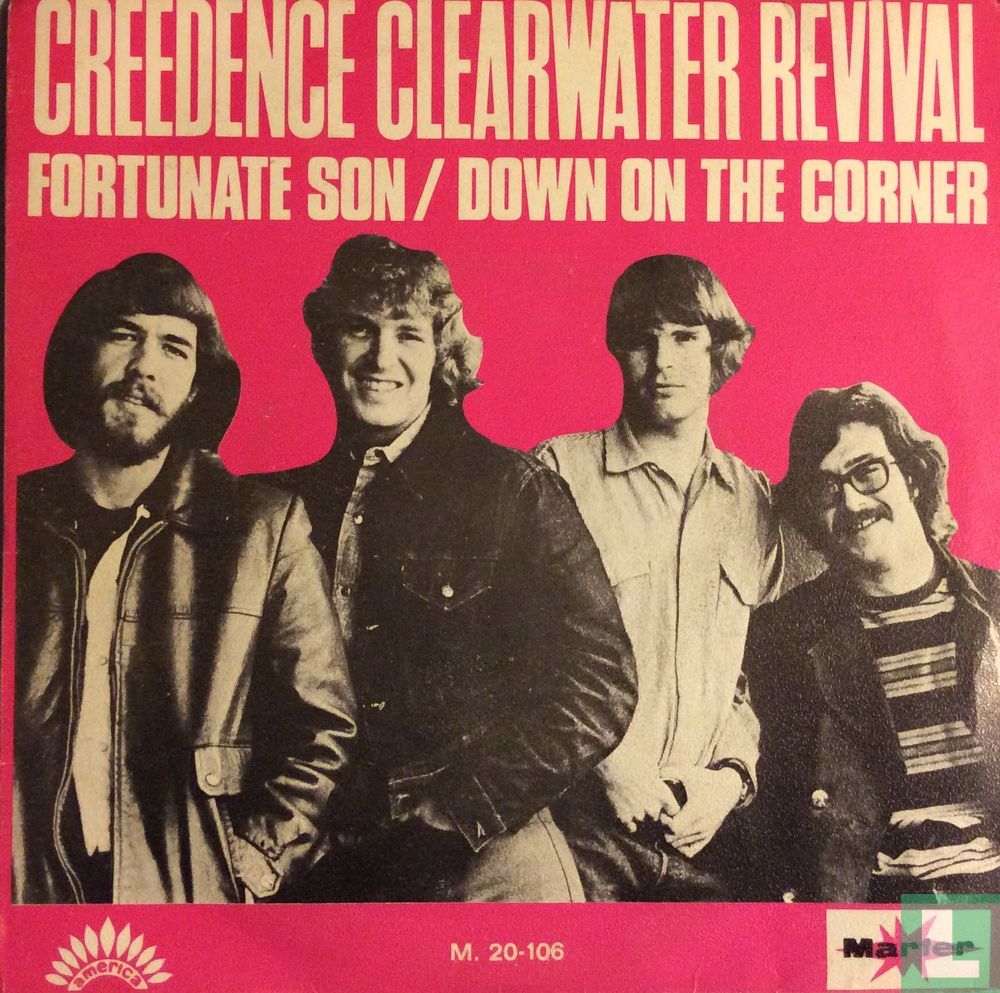
  1. Fortunate Son—Creedence Clearwater Revival  1969

Written by John Fogerty:  Peaked at #3 on the Billboard Hot 100

My #1 protest and social justice song is “Fortunate Son” by Creedence Clearwater Revival (CCR).  Released in September 1969 during the peak period of American involvement in the Vietnam War, this ode quickly became an anti-war movement anthem and is considered a signature song for its author, singer-songwriter John Fogerty.

As Fogerty explained with a post on X, “Fortunate Son is a song I wrote during the Vietnam War, inspired by the stark contrast between those who were drafted to fight and die for their country and those who had the privilege to avoid the draft because of their wealth and connections.”

In 2013, Fogerty’s song was added to the National Recording Registry by the Library of Congress and it is widely regarded as the best overall song ever written by Fogerty. Without a doubt, I rate “Fortunate Son” as my favorite John Fogerty/CCR track of all-time and it is the #1 best protest and social justice song on my 60s and 70s countdown.

That wraps up what I consider to be my favorite and best 60s and 70s protest and social justice songs.  I completely understand that my listing of songs in this category was written from my point of view and is subjective.

If you were creating a similar register of excellent protest and social justice singles, your tabulation may be totally different. What do you consider to be best preeminent singles in this category?

I have passionate memories of the protest and social justice songs that I have shared in this article.  Without a doubt, I still cherish and fondly remember my countdown singles to this day.  Rock on!

To subscribe to my blog via email, please click the “Follow” button in the menu above.
Standard
Broadcasting, Music, Music Countdowns, Pop Music, Radio, Retro Rock

Harmonious Harmonica Top 40 Hits

When I think of harmonica top 40 hits from the 60s and 70s, two names immediately come to mind: Stevie Wonder and Bob Dylan. These artists and their songs transcend typical pop rock music that played on Top 40 radio during the golden age of that format.

While Wonder and Dylan provided multiple radio hits over the years, there are many other individual artists who had outstanding singles that included the harmonica and became major hits in the United States.

With this music blog message, I will be counting down what I consider to be my favorite songs featuring a harmonica. My selections are mostly 45-rpm singles that I treasured when I was a teenager or as a young adult and I still love these songs in 2024.

To avoid any confusion, here are the criteria that I used to narrow down my listing of outstanding harmonica songs for the countdown:

  • My selections were aired on Top 40 radio in the U.S. between the years 1965 and 1979.
  • Only songs released as 45-rpm singles are listed.
  • No album tracks used on countdown.
  • Harmonica needs to be prominently heard in a song.
  • Lead harmonica solos on instrumental breaks on songs with lyrical singing.
  • Countdown songs peaked at #40 or higher on the Billboard Hot 100.

Since my countdown only spans from 1965 through 1979, there are many other top 40 hits outside of these years that I want to highlight below.

Harmonica songs prior to 1965

  • Blowin’ in the Wind—Bob Dylan
  • Love Me Do—The Beatles
  • I Should Have Known Better—The Beatles
  • Hey Baby—Bruce Channel
  • Fingertips Part II—Stevie Wonder

Harmonica Hits in the 80s:

  • Take the Long Way Home—Supertramp
  • Desire—U2
  • Karma Chameleon—Culture Club
  • Train in Vain—The Clash
  • Workin’ for a Living—Huey Lewis & the News
  • Middle of the Road—The Pretenders
  • What I Like About You—The Romantics
  • I Feel for You—Chaka Kahn
  • Cryin’—Aerosmith
  • I Guess That’s Why They Call It the Blues—Elton John

90s Harmonica Hits

  • Run-Around—Blues Traveler
  • Mary Jane’s Last Dance—Tom Petty & the Heartbreakers
  • Harvest Moon—Neil Young
  • Suicide Blonde—INXS
  • You Don’t Know How It Feels—Tom Petty
  • Follow You Down—Gin Blossoms

Songs played on Top 40 and AOR (album-oriented-radio) stations but not released as 45-rpm singles during 1965 to 1980 time period:

  • Isn’t She Lovely—Stevie Wonder
  • The Jean Genie—David Bowie
  • Roadhouse Blues—The Doors
  • When the Levee Breaks—Led Zeppelin
  • Baba O’Riley—The Who
  • Midnight Rambler—The Rolling Stones
  • The Promised Land—Bruce Springsteen
  • Thunder Road—Bruce Springsteen
  • The River—Bruce Springsteen

45-rpm singles between 1965 and 1979 that I considered for the harmonica countdown but fell outside of my top 20 selections. These songs are not ranked and are placed in a random order:

  • Will It Go Round in Circles—Billy Preston
  • I Want to Take You Higher—Sly & the Family Stone
  • I’m Looking for a Love—J Geils Band
  • We Can Work It Out—Stevie Wonder
  • Long Dark Road—The Hollies
  • If You Want to Go to Heaven—Ozark Mountain Daredevils
  • Train Train—Blackfoot
  • Just Like a Woman—Bob Dylan
  • Dance with Me—Orleans
  • The Good, The Bad and the Ugly—Hugo Montenegro

Without further ado, here is my top harmonica songs countdown:

Top 20 Countdown

20. Rainy Day Women #12 & 35—Bob Dylan

Positions on Billboard Charts:  #2 Hot 100, 74th Biggest Song of 1966: Harmonica by Bob Dylan  

Track was recorded in one take and written by Bob Dylan.  From the album “Blonde on Blonde.” Chorus on song was controversial in 1966, “Everybody must get stoned.”

19.  You Turn Me On, I’m a Radio—Joni Mitchell

Peak Position on Billboard Charts:  #13 AC, #25 Hot 100 in 1973: Harmonica by Graham Nash

Legendary singer-songwriter Joni Mitchell penned song. Became the first Top 40 hit for Canadian artist.  Located on the 1972, “For the Roses” album.

18.  Oh Girl—The Chi-Lites

Peak Positions on Billboard Charts:  #1 Hot 100, 13th Biggest Songs of 1972. Harmonica by Marshall Thompson

The Chi-Lites was a R&B vocal group from Chicago, Illinois.  Formed in 1959.  “Oh Girl” and “Have You Seen Her” were the two biggest hits by the smooth soul singers.

17.  Boogie on Reggae Woman—Stevie Wonder

Peak Positions on Billboard Charts: #3 Hot 100, 26th Biggest Song of 1975: Harmonic by Stevie Wonder

This song has a funk/R&B groove but doesn’t contain any reggae music, as the title seems to indicate.  Wonder won a Grammy Award for “Best Male R&B Vocal Performance” in 1975.

16.  Miss You—The Rolling Stones

Peak Positions on Billboard Charts: #1 Hot 100, 16th Biggest Single of 1978: Harmonica by Sugar Blue

Considered “Dance Rock” and has a disco beat. Written primarily by Mick Jagger.  Keith Richards is credited as co-writer.  The 8th and final number 1 song on the Billboard Hot 100 for British band.

15.  Join Together—The Who

Peak position on Billboard Chart: #17 Hot 100 in 1972: Harmonica by Roger Daltrey

First released as a non-album 45-rpm single. Written by Pete Townshend, who also plays a juice harp on this summer of 1972 hit record. Roger Daltrey is lead vocalist on song.

14.  On the Road Again—Canned Heat

Peak Position on Billboard Chart:  #16 Hot 100 in 1968: Harmonica by Alan Wilson

Written by blues singer-songwriter Floyd Jones in 1953. Then Canned Heat co-founder adapted the lyrics for the band’s first top 40 hit. Tune is a combination of blues and psychedelic rock.

13.   Run through the Jungle—Creedence Clearwater Revival

Peak Positions on Billboard Charts:  #4 Hot 100, 73rd Biggest Song of 1970: Harmonica by John Fogerty

Bayou swamp rock from California band.  Released as a double-A sided single with “Up Around the Bend.”  Written by CCR front man John Fogerty.

12.  Tangled Up in Blue—Bob Dylan

Peak Position on Billboard Chart: #31 Hot 100 in 1975: Harmonica by Bob Dylan

Rolling Stone rates “Tangled Up in Blue” as the third best Bob Dylan song of all-time. From the album “Blood on the Tracks.”  This acoustic ode was one of Dylan’s most renowned 70s singles.

11.  Lonely People—America

Peak Position on Billboard Charts:  #4 Hot 100 in 1974: Harmonica by Gerry Beckley

America band member Dewey Bunnell wrote lyrics based on the Tin Woodman from “The Wizard of Oz” film.  Record producer George Martin played piano on this mid 70s hit.

10.  He Ain’t Heavy, He’s My Brother—The Hollies

Peak Positions on Billboard Charts: #7 Hot 100, 46th Biggest Songs of 1970: Harmonica by Allan Clarke

This ballad was the first top 10 hit in the U.S. after Graham Nash left the British band. A young session musician Elton John played piano, while an orchestra was hired for instrumentation with this song.

9.   For Once in My Life—Stevie Wonder

Peak Positions on Billboard Charts:  #2 Hot 100, #2 Hot R&B Singles Chart (1969): Harmonica by Stevie Wonder

Bassist James Jamerson’s playing on this tune is one of the best bass lines in the history of Motown Records. Wonder has strong, powerful vocals that shine on this classic soul single.

8.   Keep on Smilin’—Wet Willie

Peak Positions on Billboard Charts:  #10 Hot 100, 66th Biggest Song of 1974: Harmonica by Jimmy Hall

Southern Rock band from Mobile, Alabama. The song was the first of three top 40 singles and became their biggest hit. Making lemonade out of lemons is the main message of lyrics.

7.   Like a Rolling Stone—Bob Dylan

Peak Positions of Billboard Charts:  #2 Hot 100, 41st Biggest Song of 1965: Harmonica by Bob Dylan

Track is known for organ riffs by Al Kooper and Mike Blomfield’s superb electric guitar. Signature song by Bob Dylan. In 2010, named the #1 best single on Rolling Stones Magazine’s “500 Greatest Songs of All Time” list.

6.   Low Rider—War

Peak Positions Billboard Chart:  #7 Hot 100 in 1975: Harmonica by Lee Osker

Funk rock band War delivers a tasty treat with the toe-tapping song. Superb saxophone and pulsating bass line. Inducted into the Grammy Hall of Fame.

5.   Groovin’—The Young Rascals

Peak Positions on Billboard Charts:  #1 Hot 100, 9th Biggest Song of 1967: Harmonica by Gene Cornish

First number 1 hit for New Jersey formed band. Song is in both the Grammy Hall of Fame and the Rock & Roll Hall of Fame’s “500 Songs that Shaped Rock & Roll.”  The Rascals dropped “Young” from their name at the end of 1967.

4.   I Was Made to Love Her—Stevie Wonder

Positions on Billboard Charts:  #2 Hot 100, 14th Biggest Song of 1967: Harmonica by Stevie Wonder

Stevie Wonder was just 17 years old when “I Was Made to Love Her” was a hit. The musical prodigy played clavinet and harmonica, while the legendary Funk Brothers provided premier bass, drums and guitar backup on this Motown classic.

3.   Long Train Running—The Doobie Brothers

Peak Positions on Billboard Charts:  #8 Hot 100, 41st Biggest Song of 1973: Harmonica by Tom Johnston

Pulsating rocker with superb guitar riffs.  First top ten hit for the San Jose, California band. The Doobie Brothers were inducted into the Rock & Rock Hall of Fame in 2020.

2.   Piano Man—Billy Joel

Peak Position on Billboard Charts:  #4 Adult Contemporary: #25 Hot 100 in 1974: Harmonica by Billy Joel  

Signature song for singer-songwriter.  Verses of the song are observations about the life of a piano player at a night club lounge.  It was the first top 40 hit for Billy Joel. The artist now has the beloved nickname of “Piano Man.”

  1.  Heart of Gold—Neil Young

Peak Positions on Billboard Charts:  #1 Hot 100, 17th Biggest Song of 1972: Harmonia by Neil Young

Neil Young composed song “Heart of Gold” after injuring his back in 1971. The artist plays both acoustic guitar and harmonica on his only solo chart-topping hit.  Backup vocals are provided by James Taylor and Linda Ronstadt.

 It was the first single from the singer-songwriters’ fourth studio album, “Harvest”, which became 1972’s biggest selling LP. Without a doubt, I rate “Heart of Gold” by Neil Young as my #1 best harmonica song from the golden age of Top 40 radio.

That wraps up what I consider to be my favorite and best harmonica Top 40 hits. I completely understand that my listing of songs in this category was written from my point of view and is subjective.

If you were creating a similar register of excellent harmonica songs, your tabulation may be totally different. What do you consider to be best preeminent harmonica singles from the golden age of Top 40 radio? I hope you will comment below.

While the harmonica may be underrated and unappreciated by many folks, the instrument played an important part in the musical history of top 40 radio during the 20th century.  I continue to love harmonica songs from my younger years.  Rock on!

To subscribe to my blog via email, please click the “Follow” button in the menu above.

Standard